
Welcome to our locksmith information hub, where we share real projects, expert security advice and practical guidance on locks, doors and home protection. From completed jobs across West Dunbartonshire to tips on improving your property’s security, these articles are designed to help you understand your options and make confident decisions about keeping your home safe.
Published Date: 4 August 2026
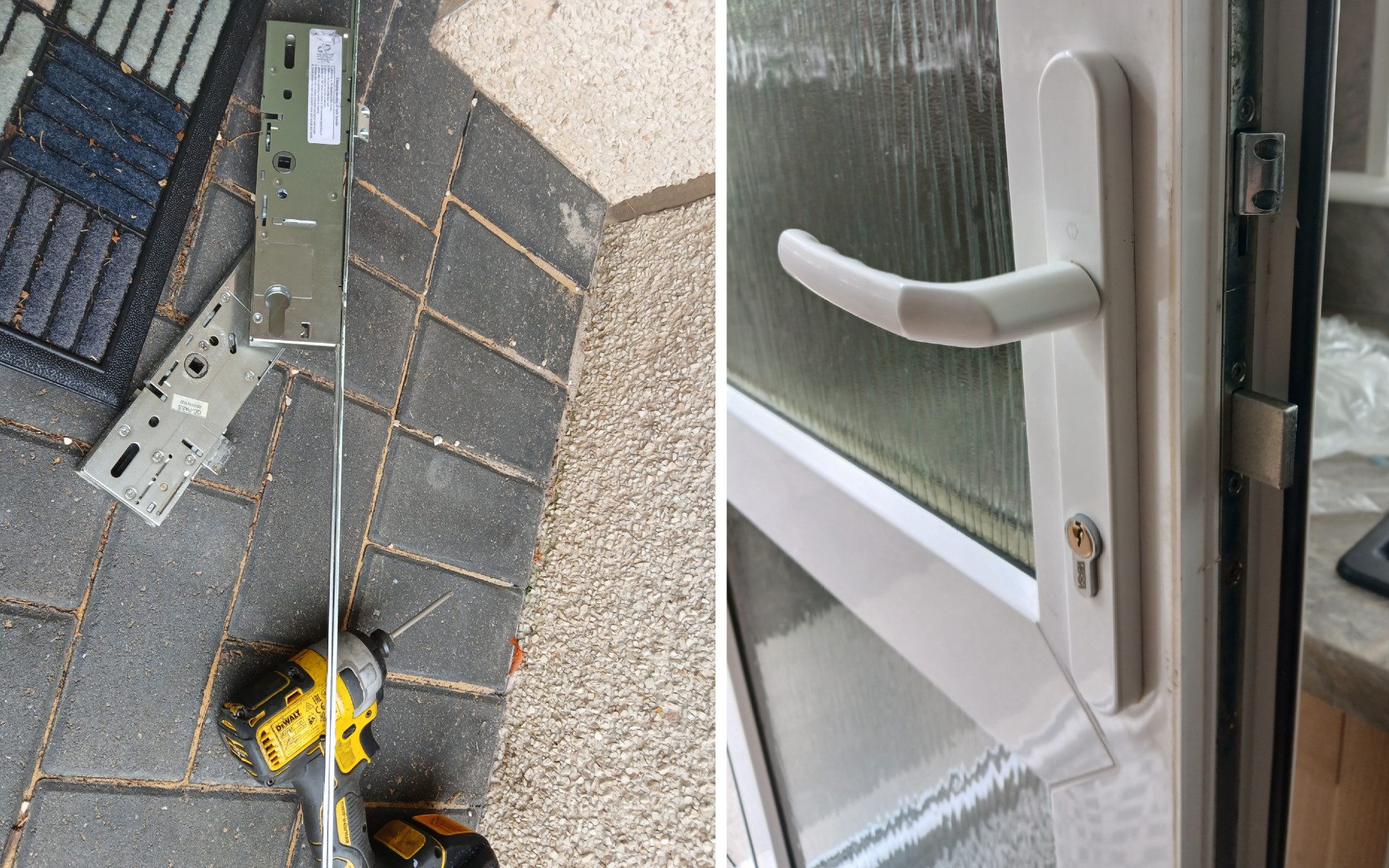
Regular maintenance is one of the simplest ways to extend the life of a uPVC or composite door. This guide explains how to clean and lubricate your door correctly, inspect hinges, locks and weather seals, recognise early signs of wear and prevent common problems such as stiff locks, dropped doors and gearbox failures. Whether your door is new or several years old, these simple maintenance checks can help keep it operating smoothly and reduce the likelihood of costly repairs.
Published Date: 4 August 2026
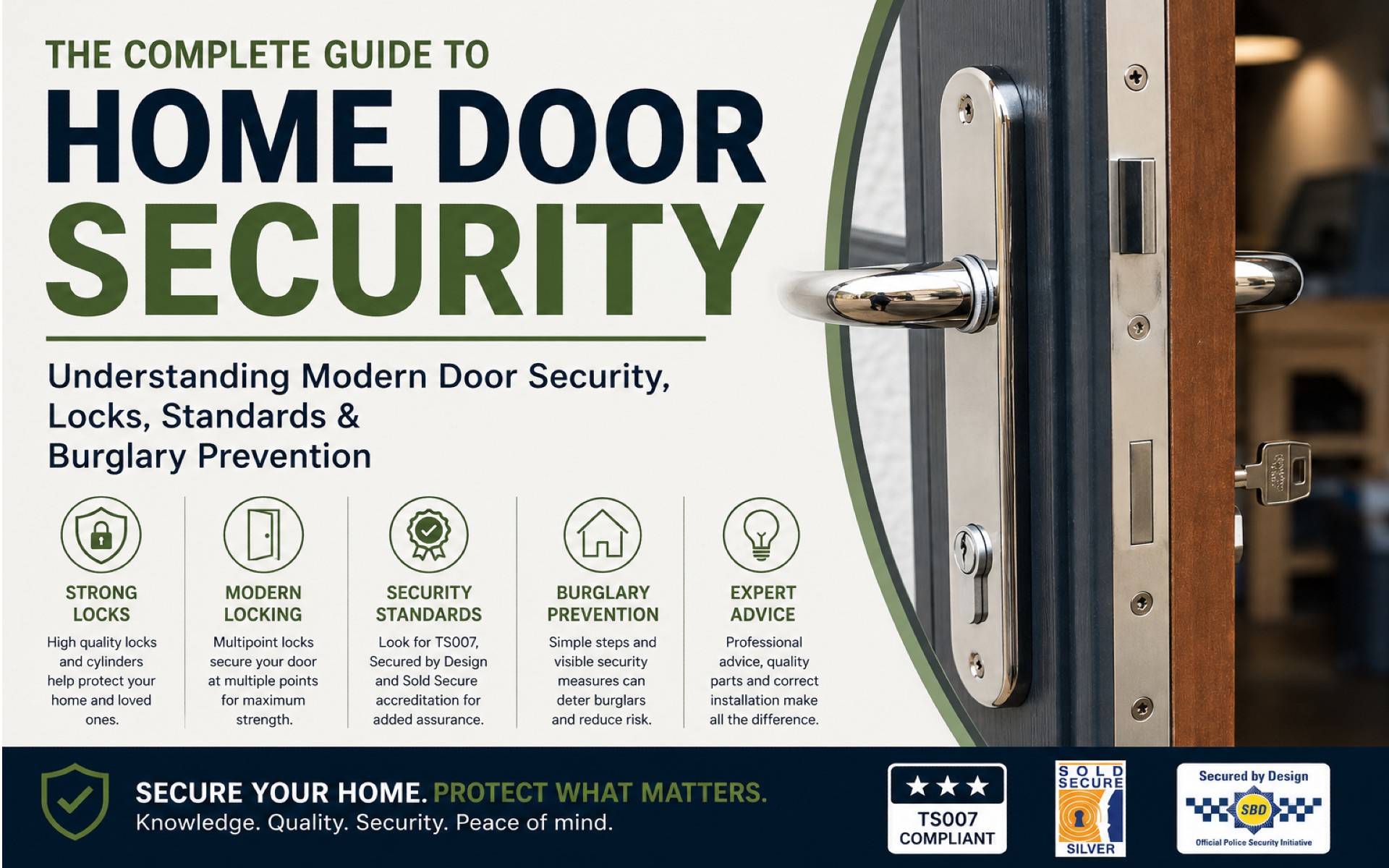
A secure front door relies on far more than just a good lock. This comprehensive guide explains how modern door security works, covering multipoint locking systems, anti-snap cylinders, TS007 ratings, PAS24, Secured by Design, door construction, burglary prevention and practical security upgrades. Learn how criminals assess properties, where common weaknesses exist and how to improve the security of uPVC, composite and timber doors without necessarily replacing them.
Published Date: 4 August 2026
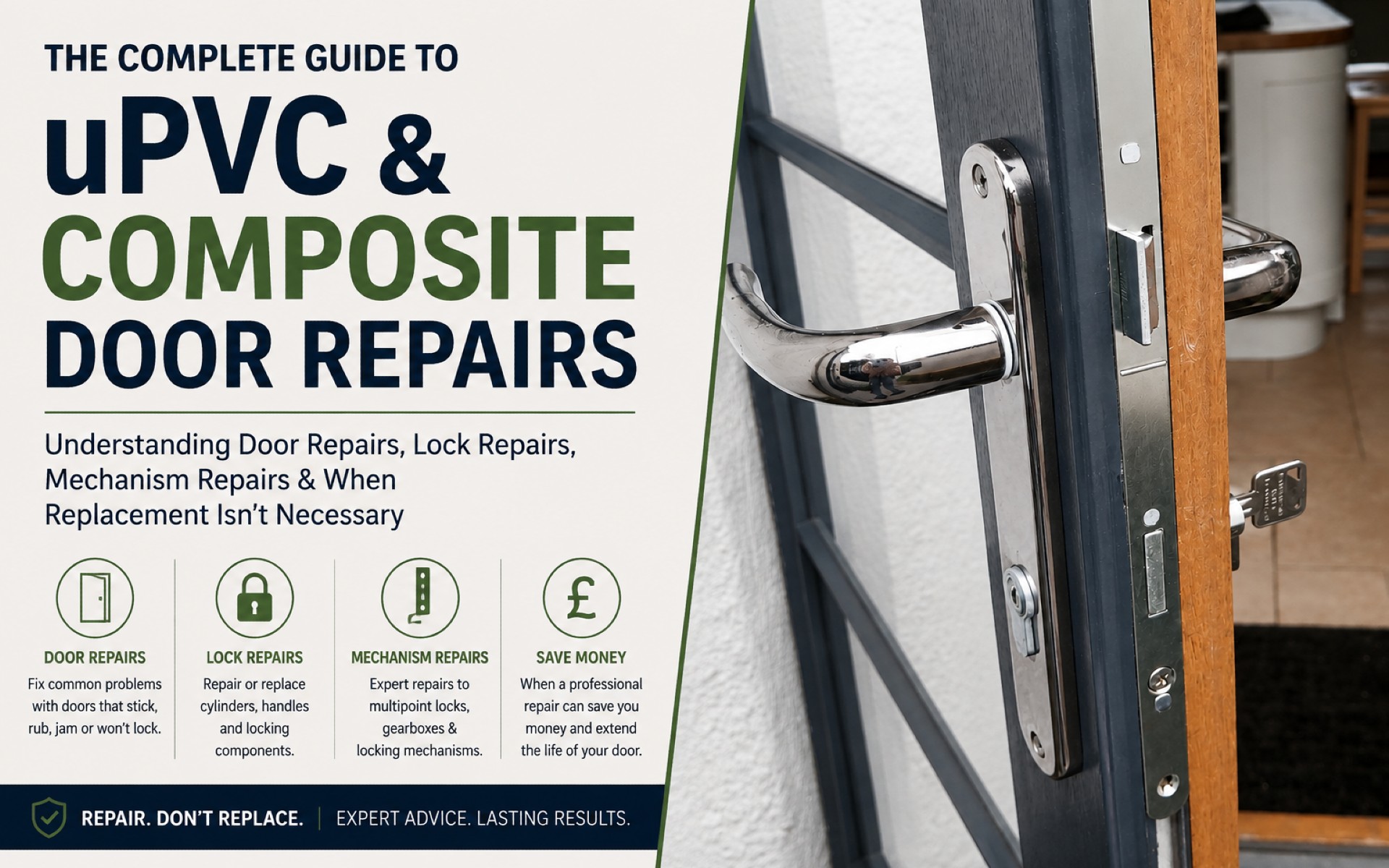
Most uPVC and composite door faults can be repaired without replacing the entire door. This guide explains the most common repairs, including gearbox replacement, multipoint mechanism repairs, door alignment, handle replacement, lock changes, hinge repairs and upgrading obsolete locking systems. You'll learn how experienced locksmiths diagnose faults, why many doors are repaired instead of replaced and what to expect during a professional repair.
Published Date: 4 August 2026
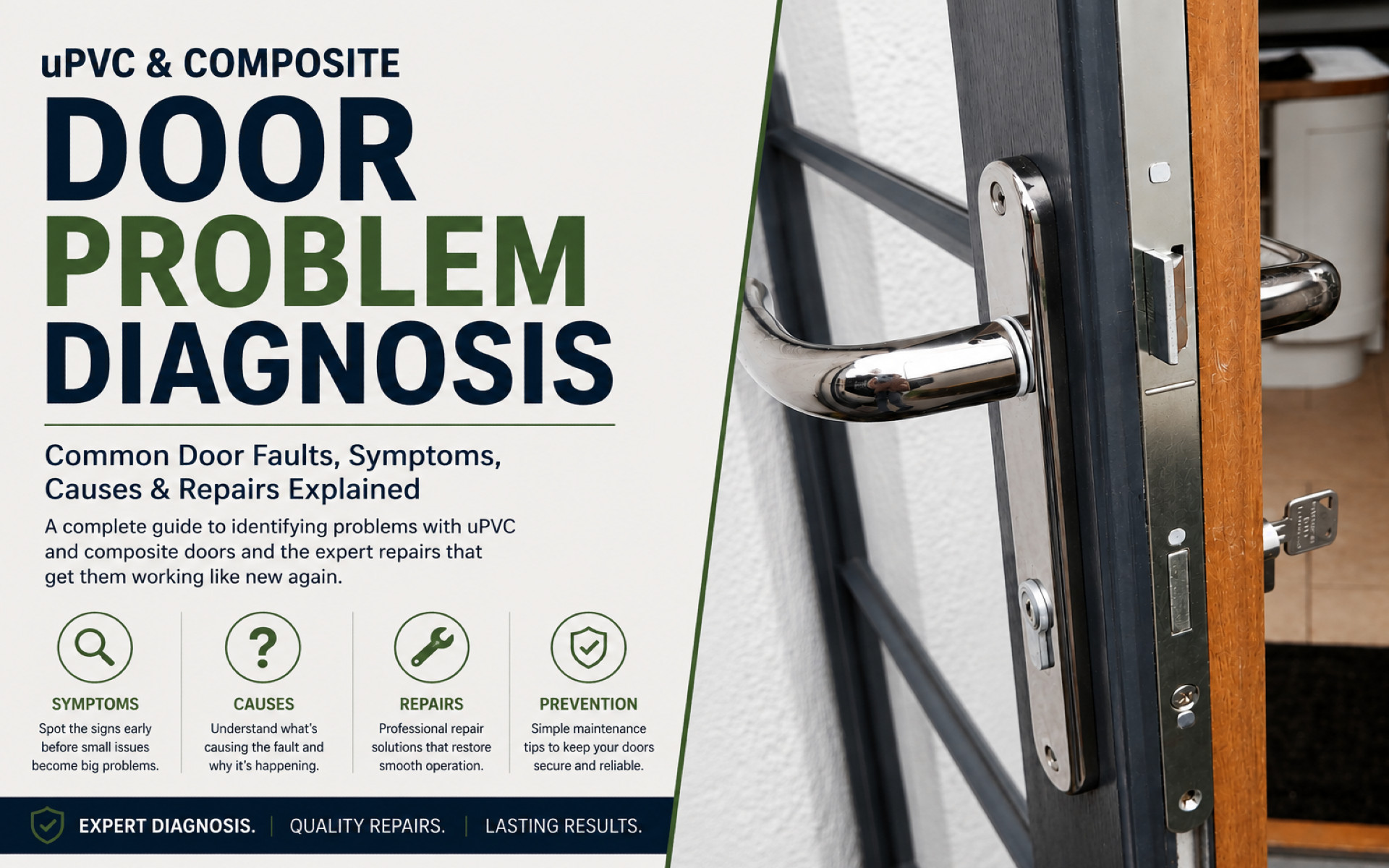
Modern uPVC and composite doors can develop a variety of faults over time, but many different problems produce similar symptoms. This guide explains how to diagnose common door issues, including stiff locks, dropped doors, failed gearboxes, broken handles, worn cylinders and alignment problems. Rather than simply replacing parts, understanding the underlying cause helps ensure the correct repair is carried out, saving time and unnecessary expense.
Published Date: 4 August 2026
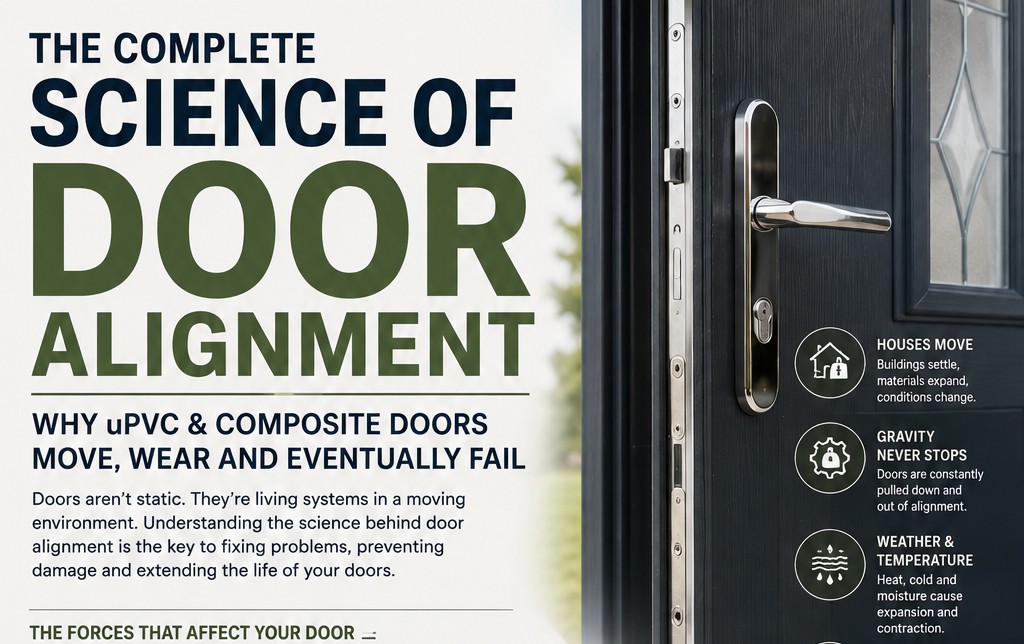
Door alignment is one of the most misunderstood aspects of modern uPVC and composite doors. Many homeowners believe it simply involves adjusting a few hinges, but proper alignment is far more complex. This guide explains the engineering principles behind door movement, including gravity, geometry, compression, hinge pivot points, friction, thermal expansion and load transfer. You'll learn why doors drop over time, how houses influence door performance, why gearboxes fail prematurely and why accurate alignment is often the key to long-lasting repairs.
Published Date: 4 August 2026
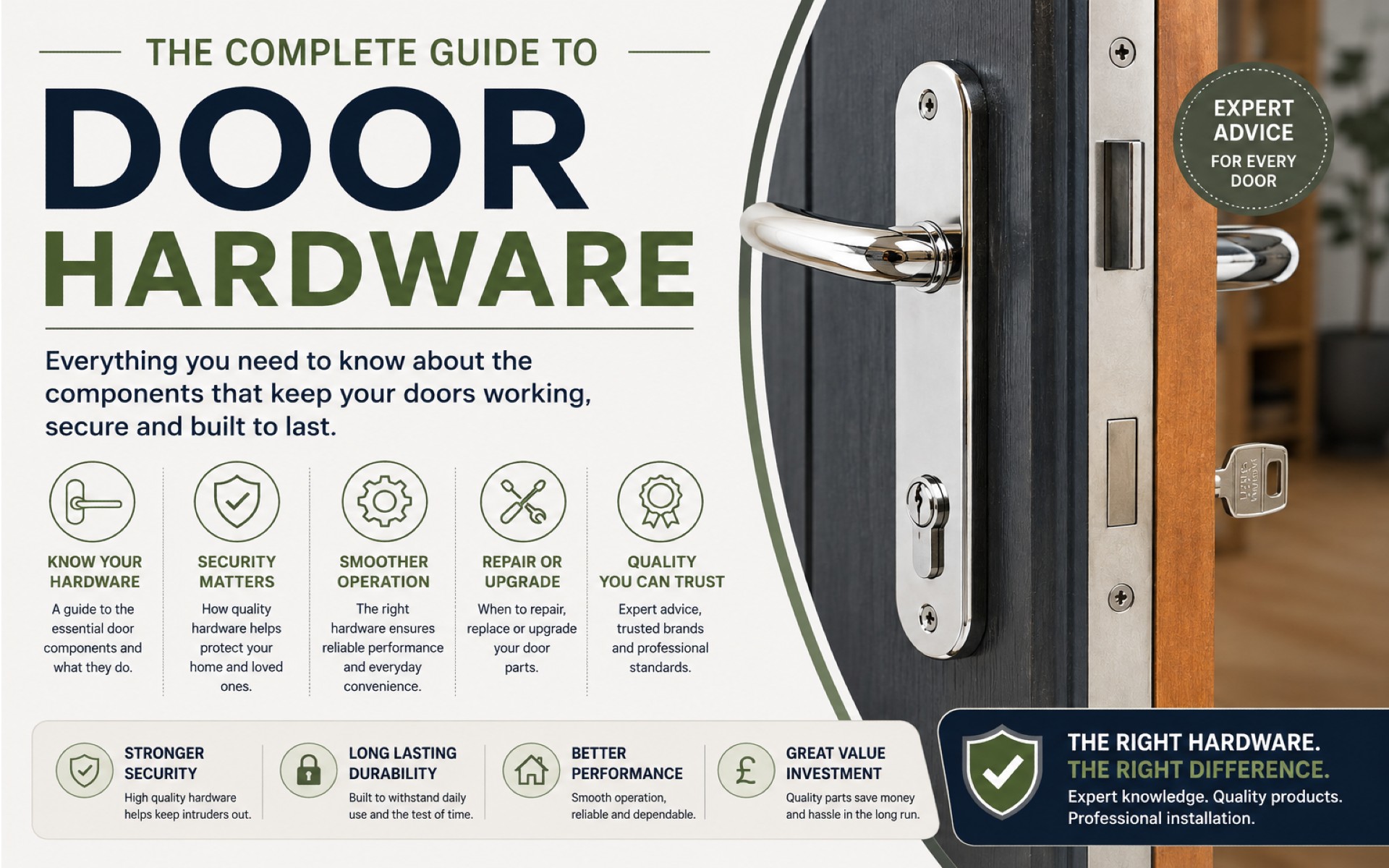
Every external door relies on dozens of individual components working together to provide security, smooth operation and weather protection. This guide explains every major piece of door hardware, from handles and hinges to euro cylinders, keeps, thresholds and weather seals. You'll learn what each component does, how it works, common faults and how proper maintenance can extend the life of your entire door system.
Published Date: 4 August 2026
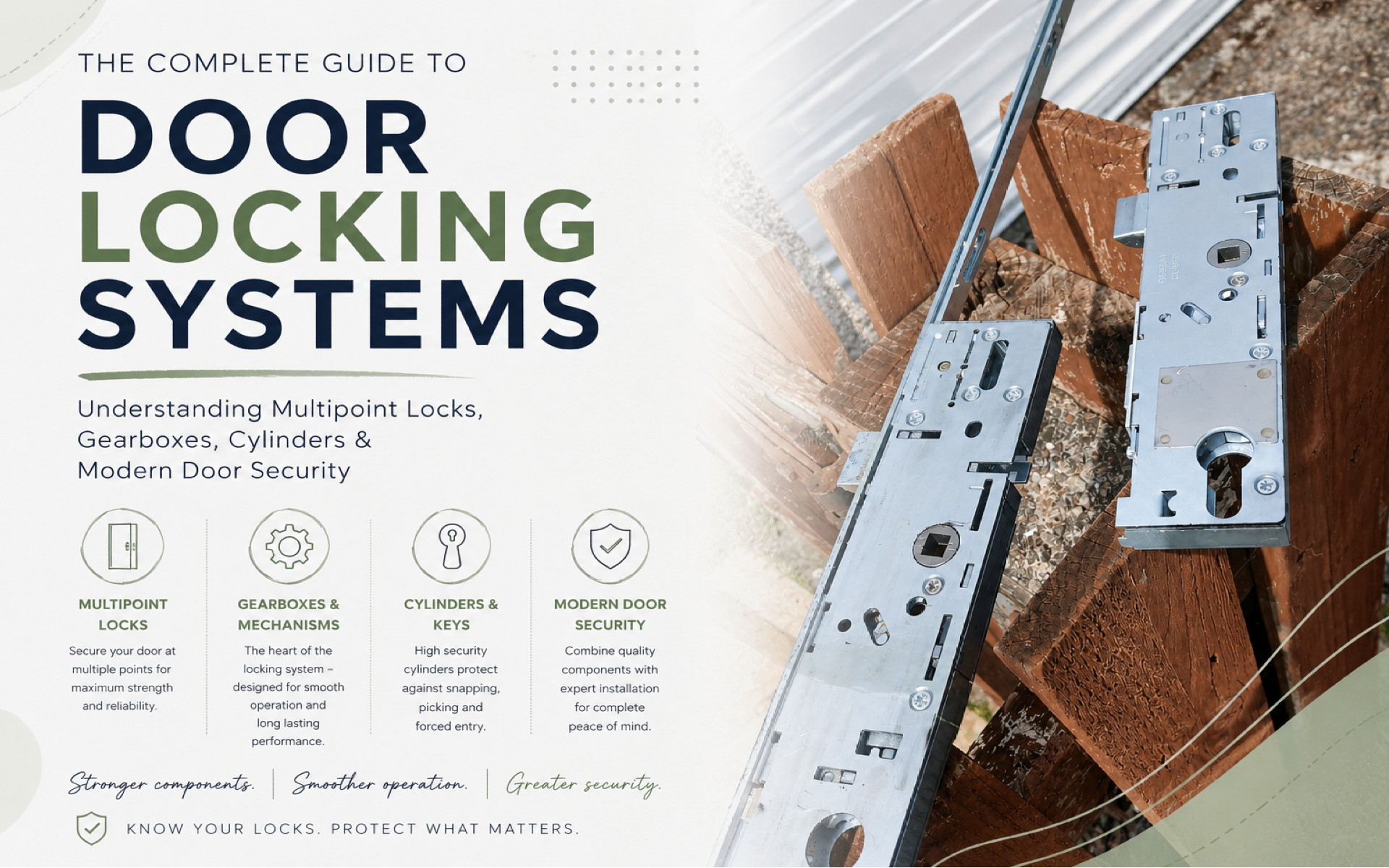
Modern external doors rely on sophisticated locking systems that do far more than simply lock the door. This guide explains how multipoint locking mechanisms work, the purpose of gearboxes, euro cylinders, mortice locks, hooks, rollers and shoot bolts, how different systems operate, why they fail and how many problems can be repaired without replacing the entire door. Whether you own a uPVC, composite or timber door, this guide explains the engineering behind modern door security in clear, practical terms.
Published Date: 4 August 2026
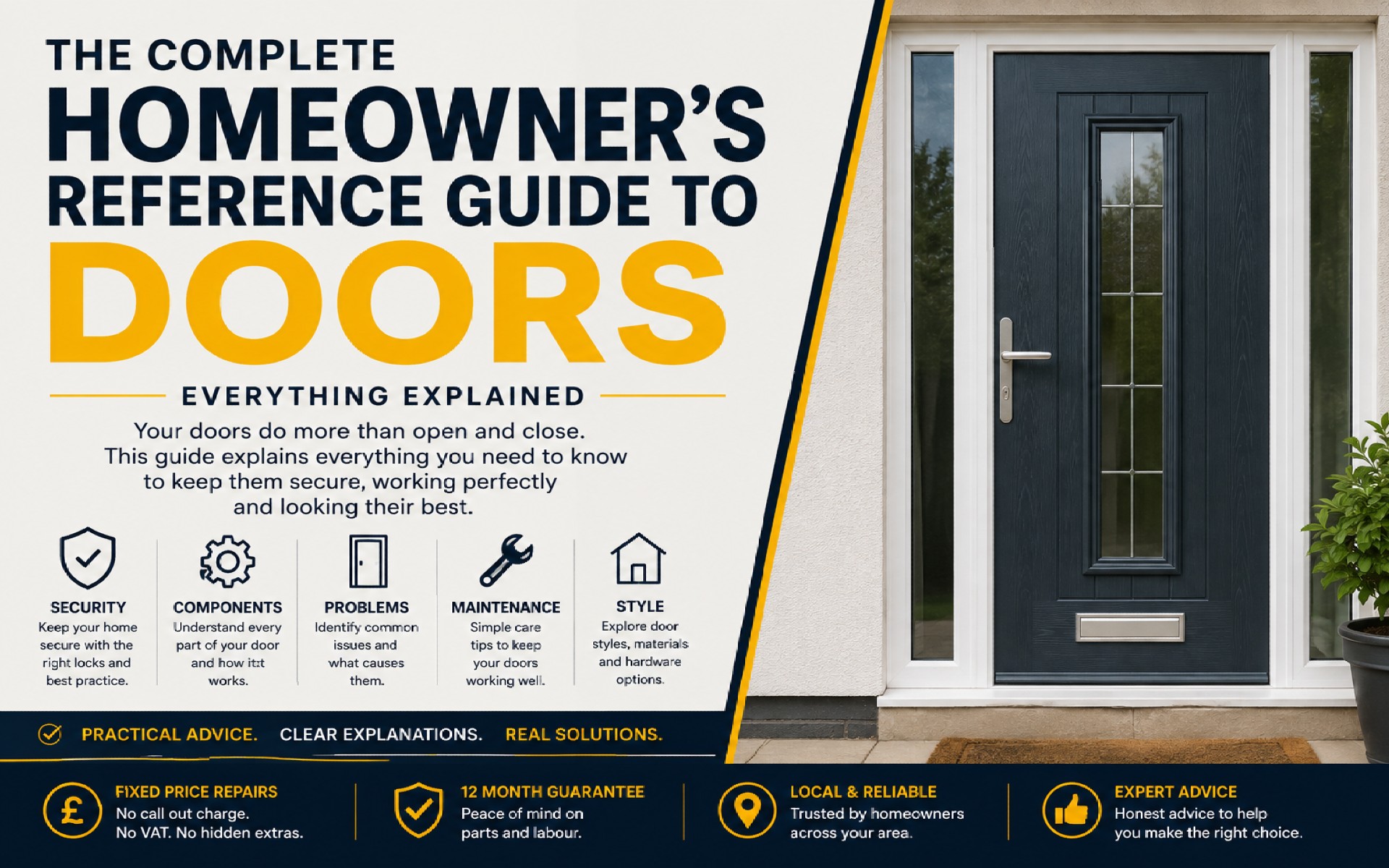
Whether you're trying to understand how your front door works, diagnose a fault or improve your home's security, this comprehensive guide explains everything you need to know about modern external doors. Covering uPVC, composite, timber and aluminium doors, it explores their construction, locking systems, hardware, materials and the engineering principles that keep them operating smoothly. You'll learn how multipoint locking mechanisms work, why doors move over time, the science behind door alignment, common faults, repair options, security standards, maintenance and the measurements used to identify replacement parts. Designed as a practical reference for homeowners, this guide brings together expert knowledge in one place, helping you understand your door, make informed decisions about repairs and keep it secure, reliable and operating as it should for years to come.
Published Date: 4 August 2026
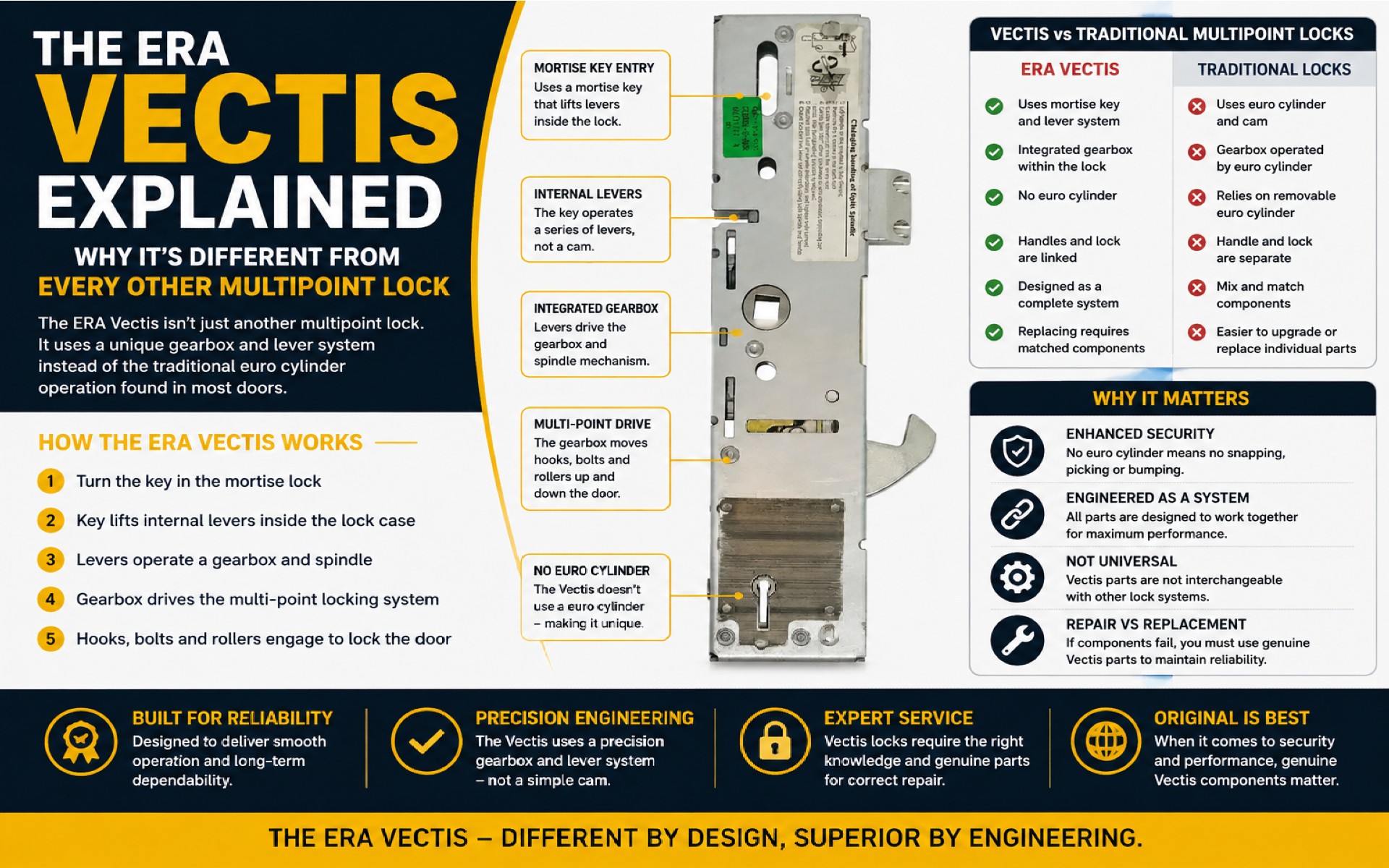
The ERA Vectis is one of the most distinctive multipoint locking systems ever fitted to uPVC, composite and timber entrance doors. Unlike conventional multipoint locks that rely on a euro cylinder, the Vectis combines a traditional 5 lever mortice lock with a multipoint locking mechanism, creating two separate systems that work together. Lifting the handle extends the hooks and secures the door, while turning the mortice key lifts the internal levers, rotates the curtain and throws the deadbolt, locking the mechanism in place. The guide explains why this design is mechanically different from modern euro-cylinder systems, how each stage of the locking process works and the advantages of its traditional British engineering. It also explores the system's weaknesses, including a gearbox that is less robust than many conventional euro-cylinder designs, its sensitivity to poor door alignment and the common faults that develop over time. Finally, it explains how many ERA Vectis locks can still be repaired with replacement gearboxes or converted to a modern euro-cylinder system if required, making it a comprehensive guide for homeowners and locksmiths alike.
Published Date: 4 August 2026
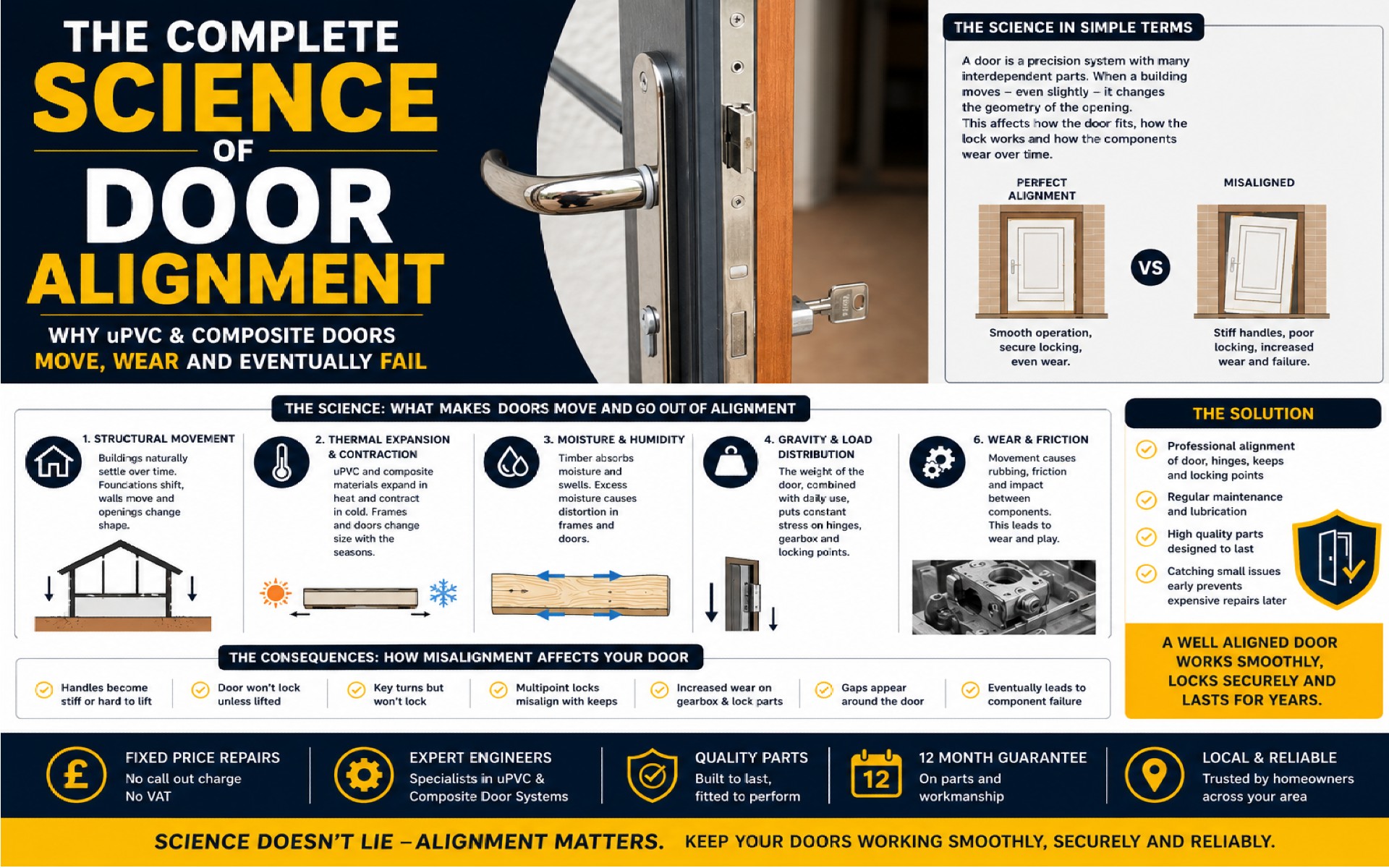
This guide explores the engineering principles behind uPVC and composite door alignment, explaining how geometry, compression, hinge pivots, weight distribution, manufacturing tolerances, friction, thermal expansion and load transfer influence the performance of a door's locking system. Rather than viewing alignment as a simple adjustment, it demonstrates how these mechanical principles interact to affect gearboxes, handles, euro cylinders and multipoint locking mechanisms. Understanding this science helps homeowners recognise why doors become difficult to operate and why correct alignment is essential for smooth operation, long-term reliability and improved security.

Published Date: 4 August 2026
Every house moves, and that movement directly affects the operation of uPVC and composite doors. This guide explains how foundations, timber frames, brick construction, extensions, conservatories, seasonal moisture changes and south-facing elevations can all alter door alignment over time. It also shows how these movements increase strain on multipoint locking mechanisms, leading to stiff handles, difficult locking, worn gearboxes and premature lock failure. By recognising the early signs of movement and correcting door alignment when needed, homeowners can improve security, extend the life of their locking system and avoid unnecessary repairs.
Published Date: 4 August 2026
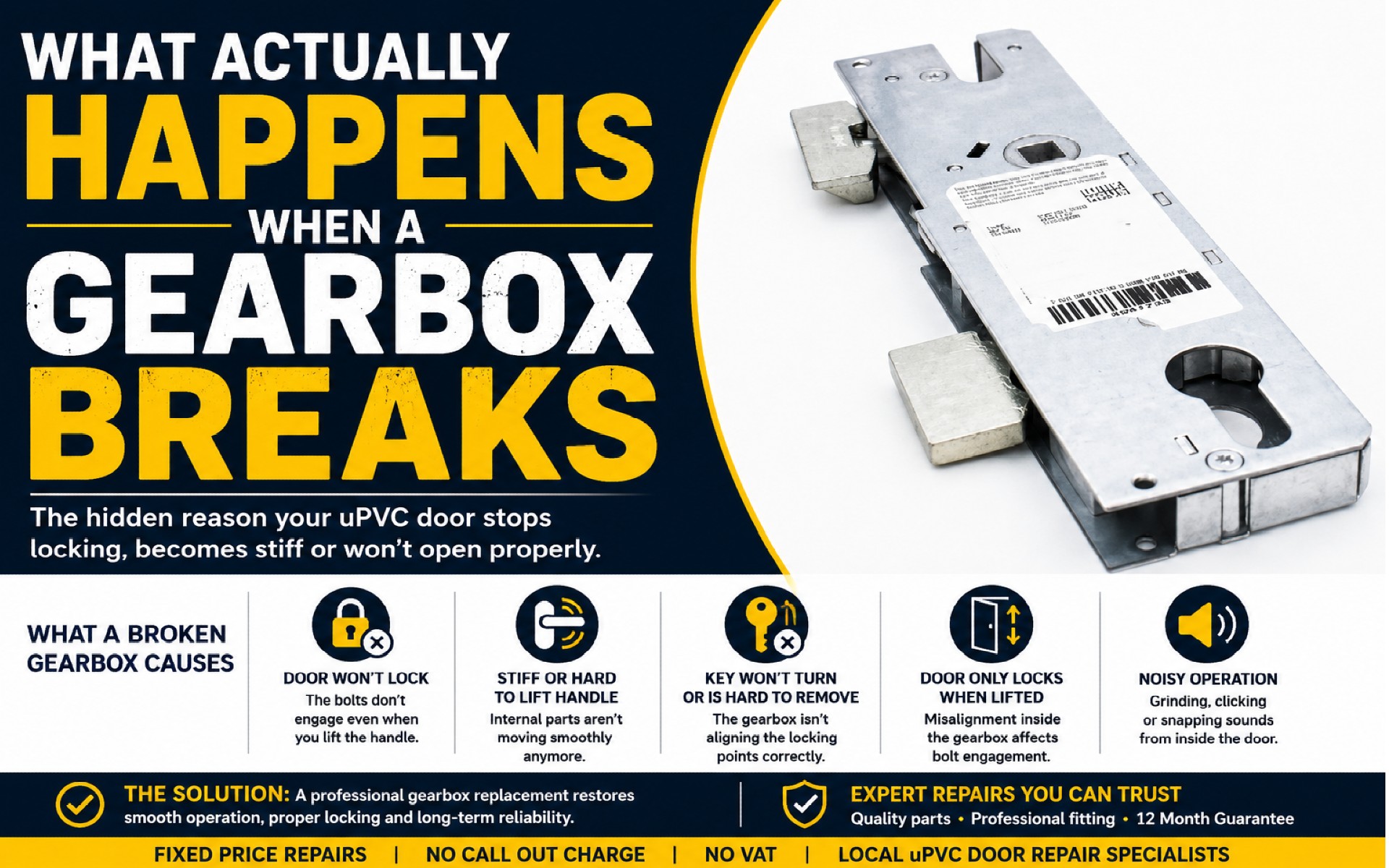
A gearbox is the central operating unit of a uPVC or composite door's multipoint locking mechanism. This guide explains how it works, what happens when it fails and why symptoms such as drooping handles, jammed doors, keys that turn without unlocking the door and stiff locking are often caused by internal gearbox failure. It also explains why poor door alignment is one of the biggest contributors to premature gearbox wear and why a complete diagnosis is essential before replacing parts.
Published Date: 3 August 2026
The cost of repairing a uPVC or composite door depends on the type of fault, the parts required and the condition of the door. Every repair is different, which is why photographs and a brief description of the problem are usually needed before an accurate quotation can be given. At A.L.S. Locksmiths, repairs are carried out on a fixed-price basis with no hourly rates, no call-out charges and no VAT. Whether the repair involves replacing a gearbox, fitting new handles, upgrading to a snap-resistant lock or realigning the door, the focus is on providing the most practical and cost-effective solution without recommending unnecessary replacements.
Published Date: 3 August 2026
Experiencing problems with your uPVC or composite door? This guide explains the most common faults, including doors that won't lock or open, stiff handles, faulty gearboxes, jammed multipoint locking systems and dropped doors. Learn what causes these issues, when repairs are possible, and how an accurate diagnosis can often save you the cost of replacing an otherwise perfectly good door.
Published Date: 1 August 2026
This comprehensive A–Z guide explains every major component found within modern uPVC and composite door locking systems, helping homeowners understand how their door works and why faults develop over time. From gearboxes, euro cylinders, handles, hooks and rollers to frame keeps, locking points and multipoint mechanisms, each entry explains the purpose of the component, the common problems that affect it, the symptoms to look out for and the typical repair. The guide also covers different lock configurations, security features, common manufacturers and the importance of correct door alignment. Whether you're trying to identify a fault, understand how your locking system operates or decide whether a repair is possible, this guide provides a complete reference to the parts that keep your door secure and working smoothly.
Published Date: 1 August 2026
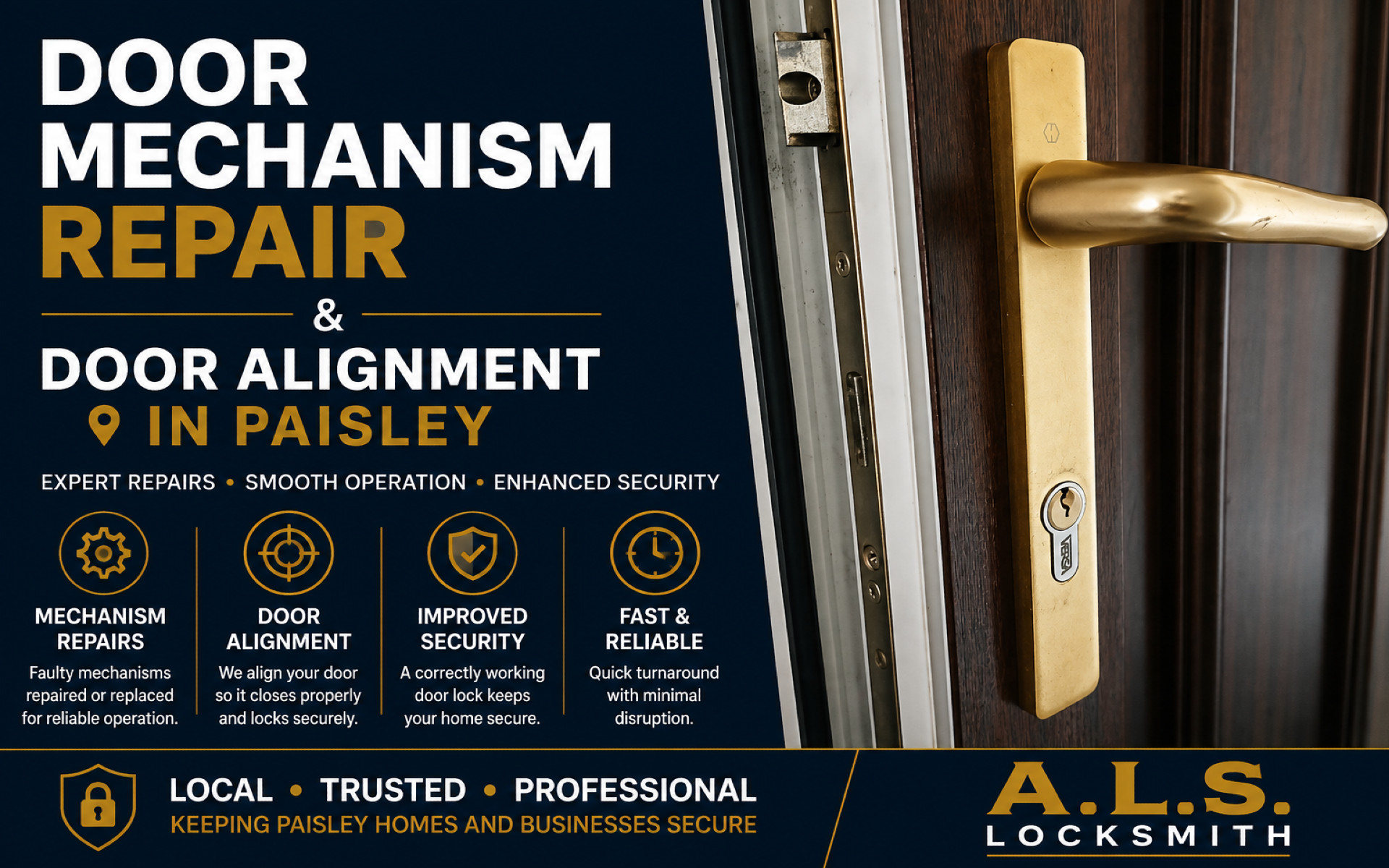
This guide explains how faulty multipoint locking mechanisms and poor door alignment affect uPVC and composite doors. It covers common faults such as failed gearboxes, stiff handles, dropped doors, worn locking points and obsolete mechanisms, while explaining why many problems can be repaired rather than replacing the entire door. Accurate diagnosis, quality replacement parts and correct alignment help restore smooth operation, improve security and extend the life of the locking system.
Published Date: 31 July 2026
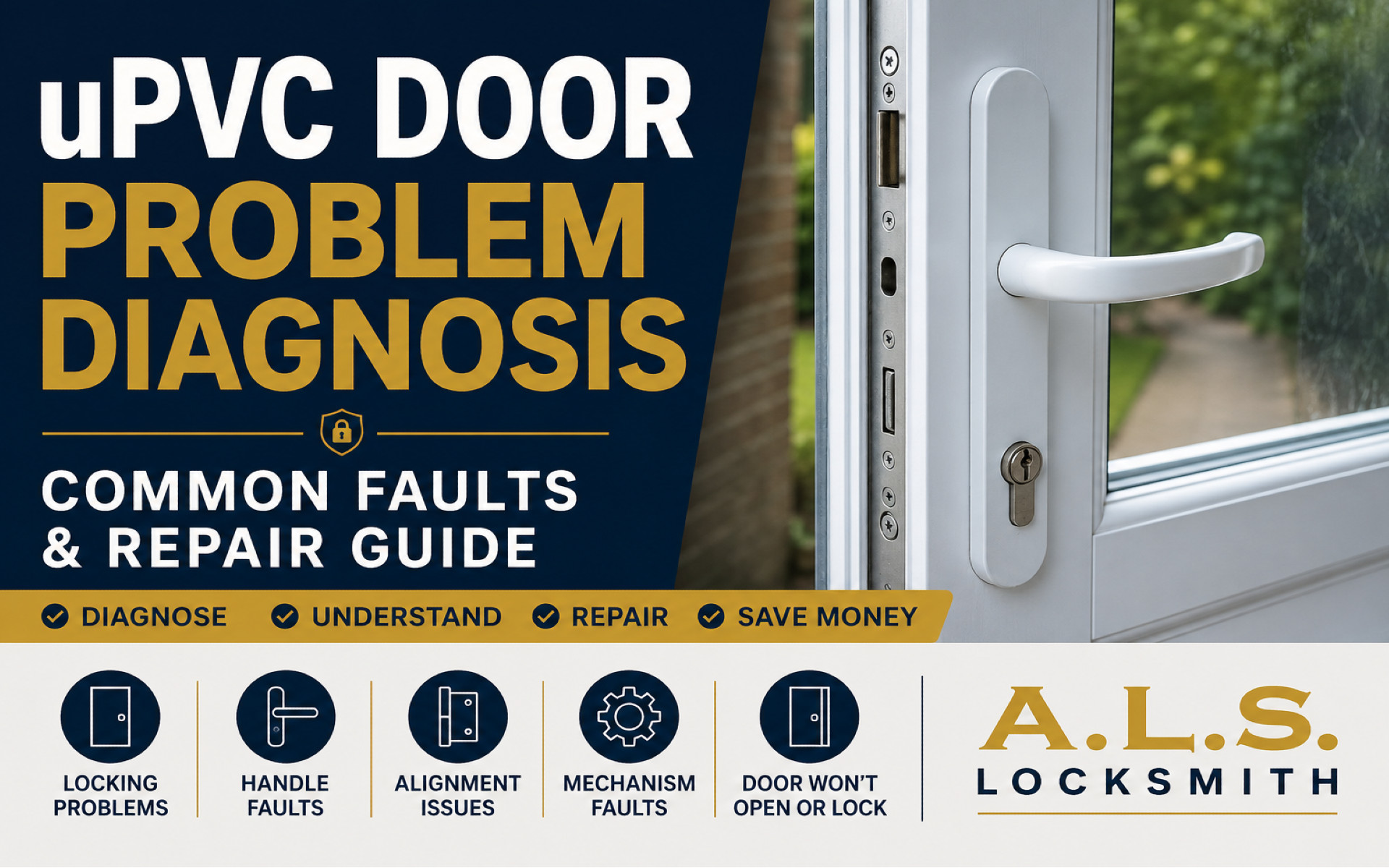
This guide explains how to diagnose the most common uPVC and composite door problems, including doors that won't lock, jammed mechanisms, stiff handles, dropped doors and faulty gearboxes. It highlights the importance of identifying the real cause of a fault before replacing parts and shows why many door problems can be repaired without replacing the entire locking mechanism—or the door itself.
Published Date: 31 July 2026
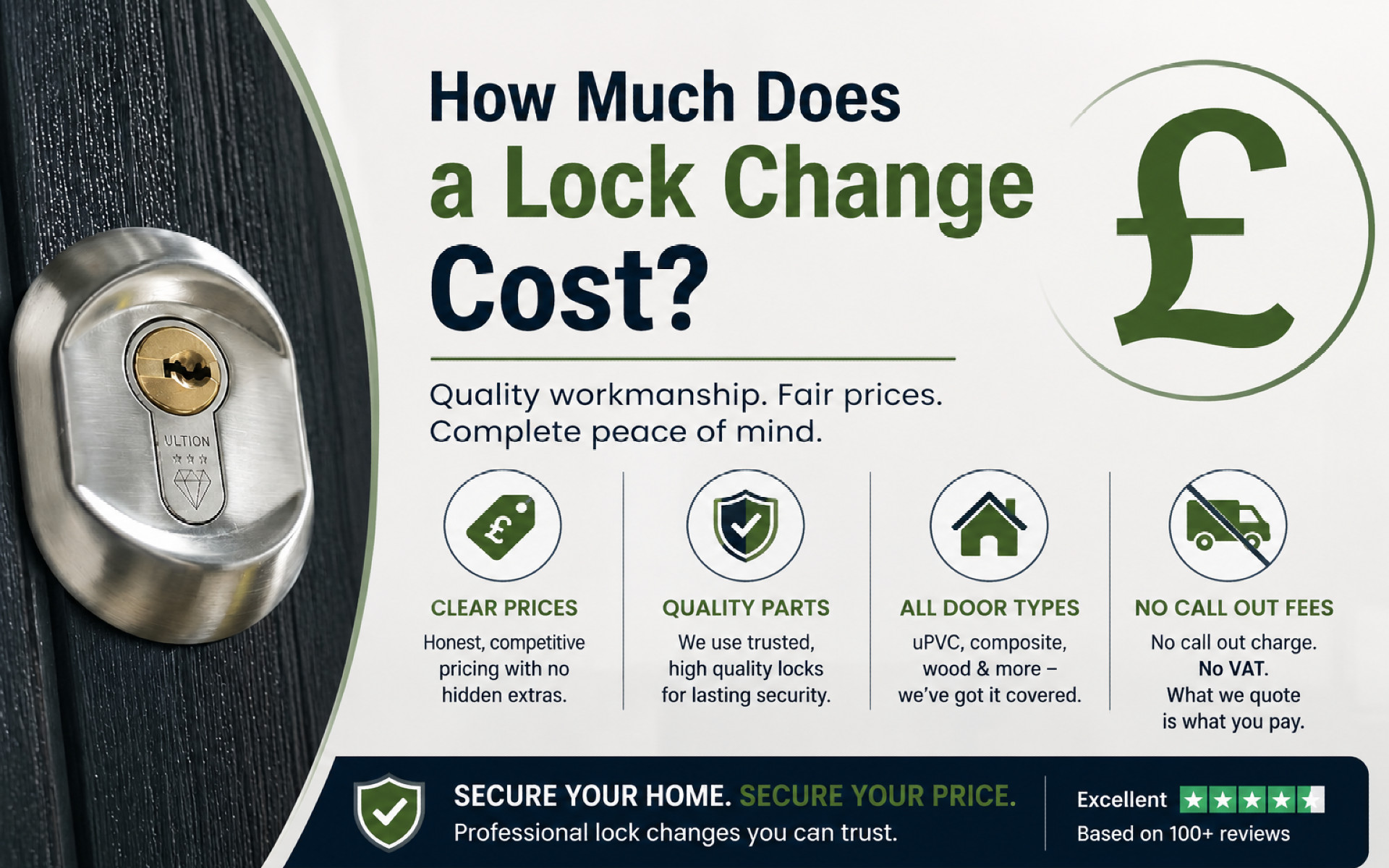
The cost of a lock change varies depending on the type of lock, the security level required and the condition of the existing door and locking system. This guide explains the factors that influence the price, why different locks cost different amounts and why a professional assessment is often needed before an accurate quotation can be given. Choosing the correct lock and having it fitted properly is just as important as the price itself.
Published Date: 31 July 2026
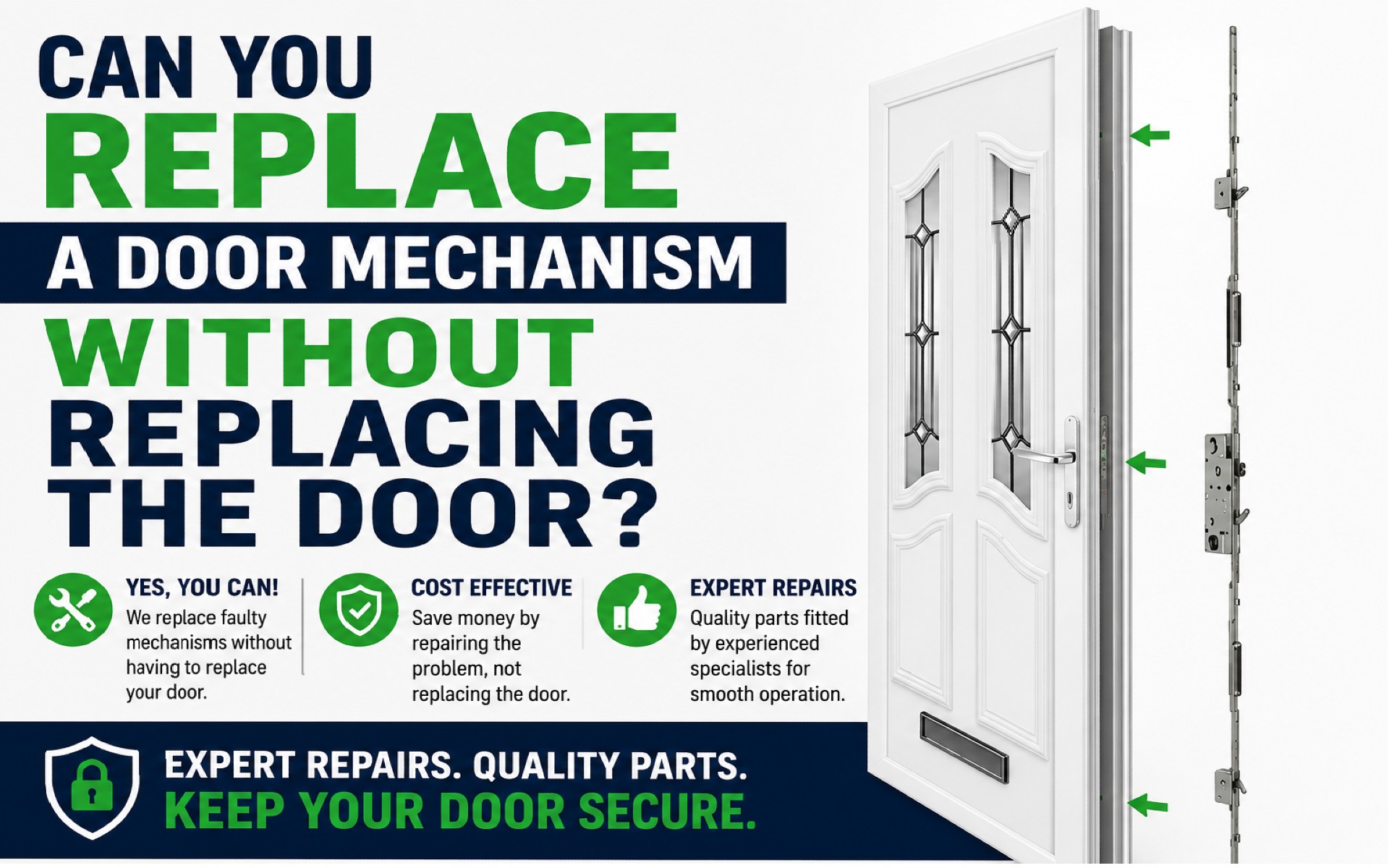
A broken door mechanism doesn't usually mean you need a new door. In many cases, the faulty gearbox or multipoint locking mechanism can be replaced while retaining the existing door and frame. This guide explains when repairs are possible, why obsolete mechanisms can often still be repaired, the importance of door alignment and why an accurate diagnosis can save homeowners from the unnecessary expense of replacing an otherwise perfectly good door.
Published Date: 31 July 2026
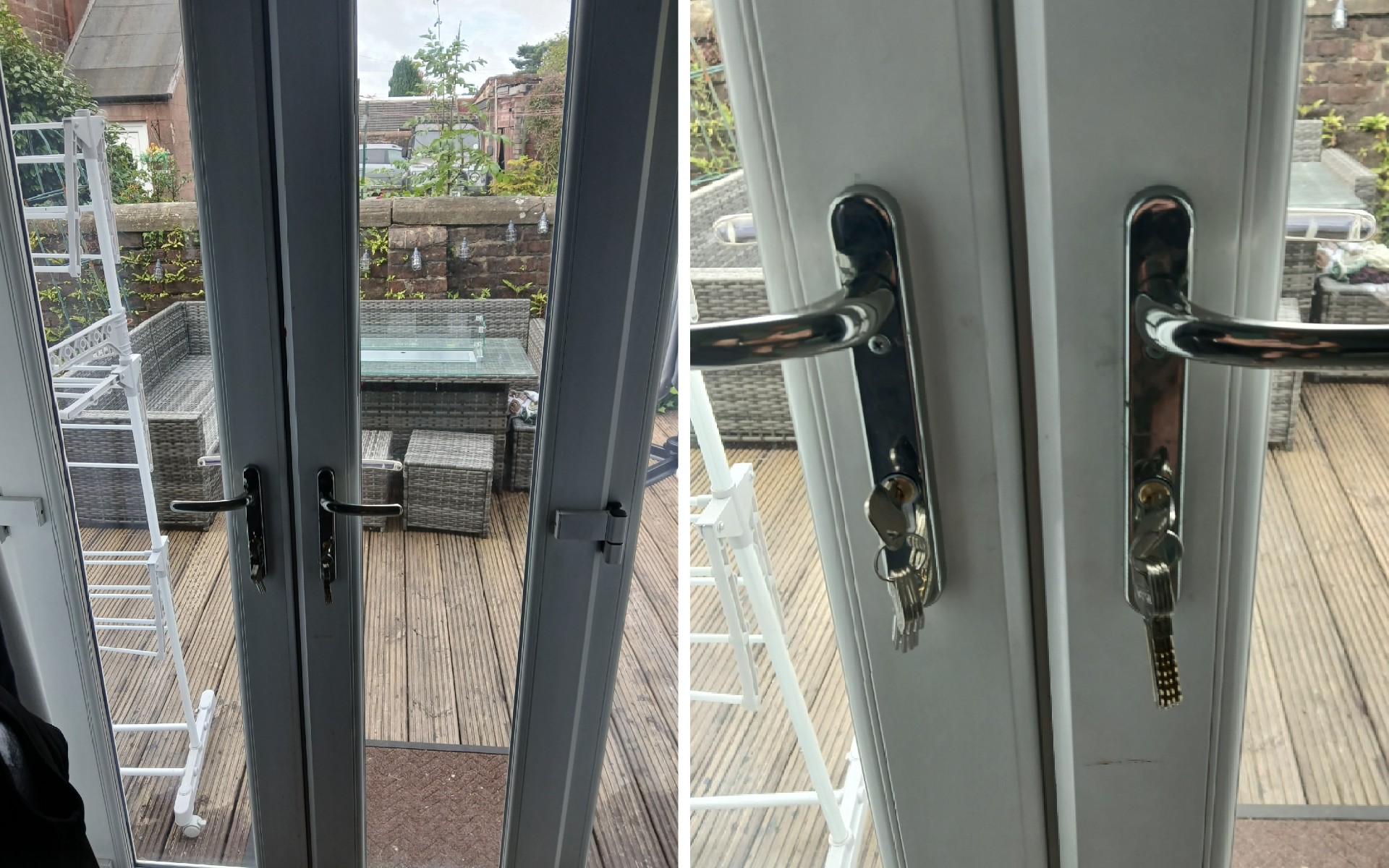
This repair began as an urgent lock change after the customer's only key snapped inside one of two French door locks, leaving the property insecure. The active door received a correctly sized snap-resistant euro cylinder, while the passive door required the careful removal and refitting of the centre column to access the retaining screw before its cylinder could also be replaced. During final testing, alignment issues were identified, including the doors catching at the top and the latch failing to engage the centre keep correctly. After adjusting the hinges and repairing the keep, both doors operated smoothly and locked securely. The customer regained the security of their home and was pleased enough with the repair to leave a 5-star review.
Published Date: 31 July 2026
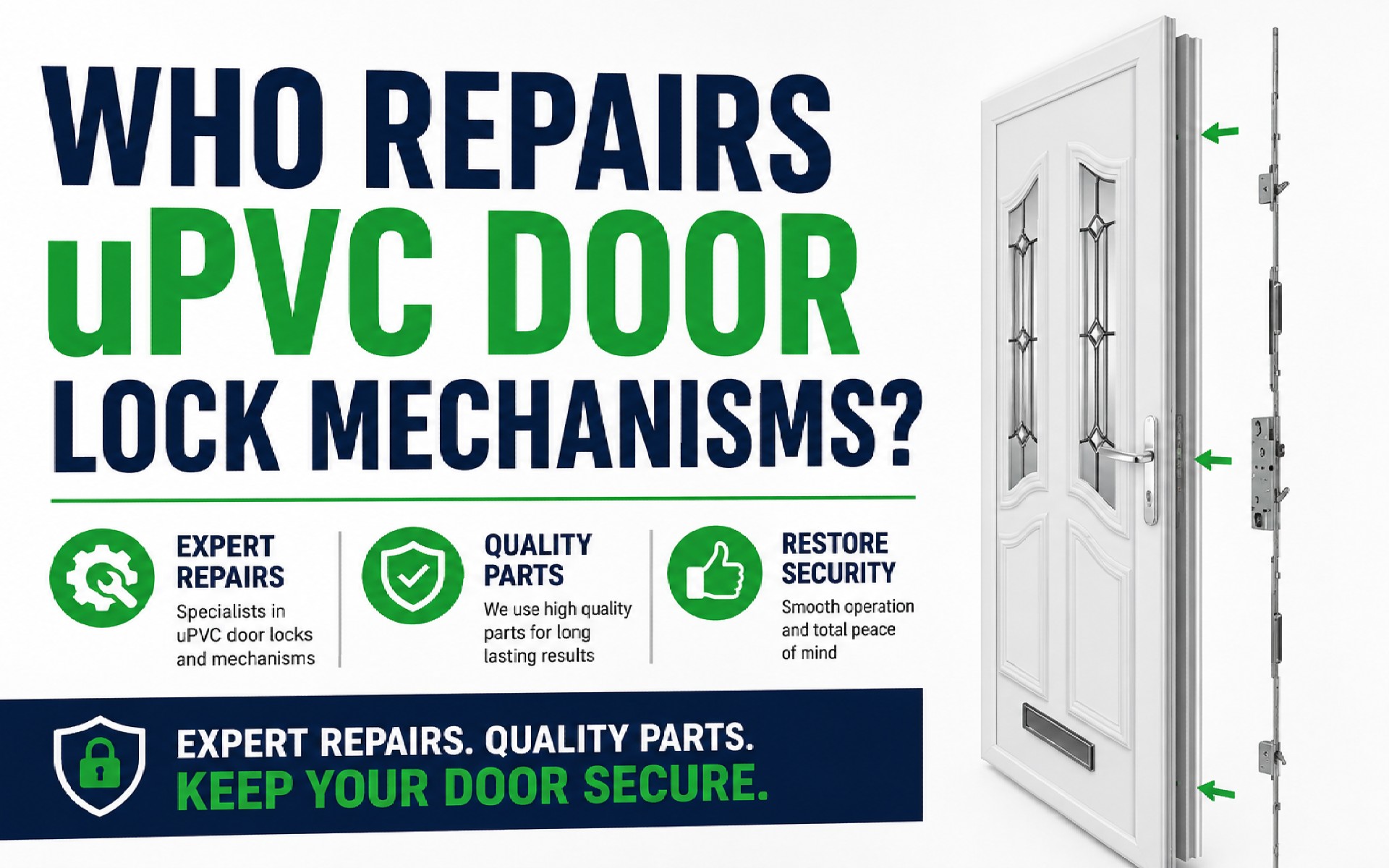
If you're wondering who repairs uPVC door lock mechanisms, the answer is a locksmith who specialises in multipoint locking systems rather than just general lock replacement. This guide explains what a multipoint mechanism is, the types of faults that commonly occur, the repairs that are available and why many doors can be repaired even when the mechanism is obsolete. Choosing an experienced repair specialist can often save both time and money while extending the life of your existing door.
Published Date: 30 July 2026
A broken uPVC door lock mechanism can cause a variety of problems, from stiff handles and difficult locking to doors that jam shut completely. This guide explains the most common causes of mechanism failure, including worn gearboxes, poor door alignment, seized locking points and obsolete components. It also highlights why many doors can be repaired rather than replaced, why accurate diagnosis is essential and what homeowners should do if their door develops a fault. Understanding these common issues can help prevent unnecessary expense and keep your door operating smoothly and securely for years to come.
Published Date: 30 July 2026
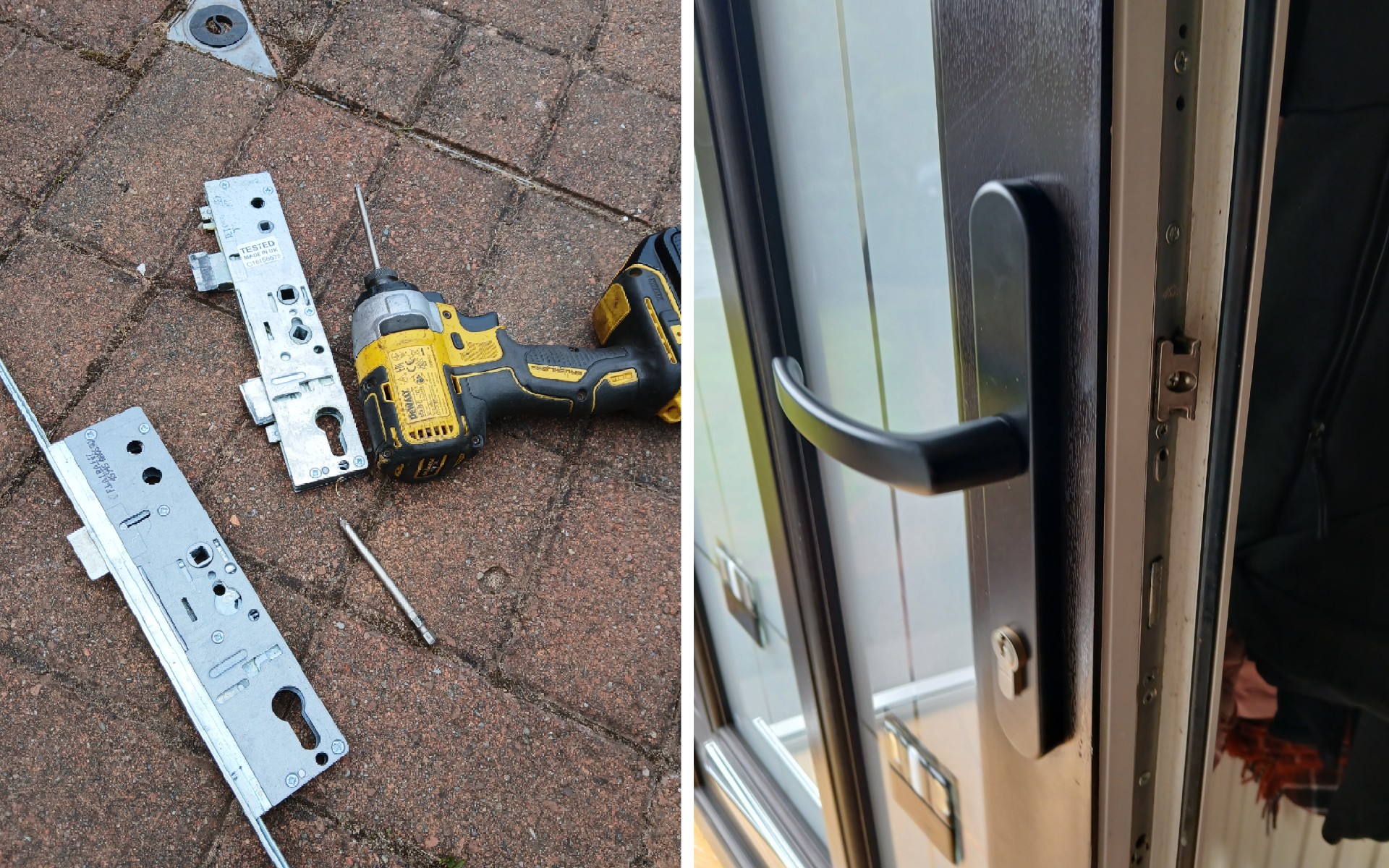
This repair involved a customer who had been advised by another company that his obsolete multipoint locking mechanism couldn't be repaired and that he needed a new front door. After inspecting the door, it was clear the mechanism could be repaired using replacement parts already carried on the van. A new centre gearbox was fitted, a sticking hook assembly was dismantled, cleaned and lubricated, and new handles together with a snap-resistant euro cylinder and five keys were installed. The final stage involved realigning the frame keeps and adjusting the locking points to eliminate unnecessary strain on the mechanism. The result was a front door that operated smoothly, locked effortlessly and saved the customer the significant cost of replacing the entire door.
Published Date: 30 July 2026
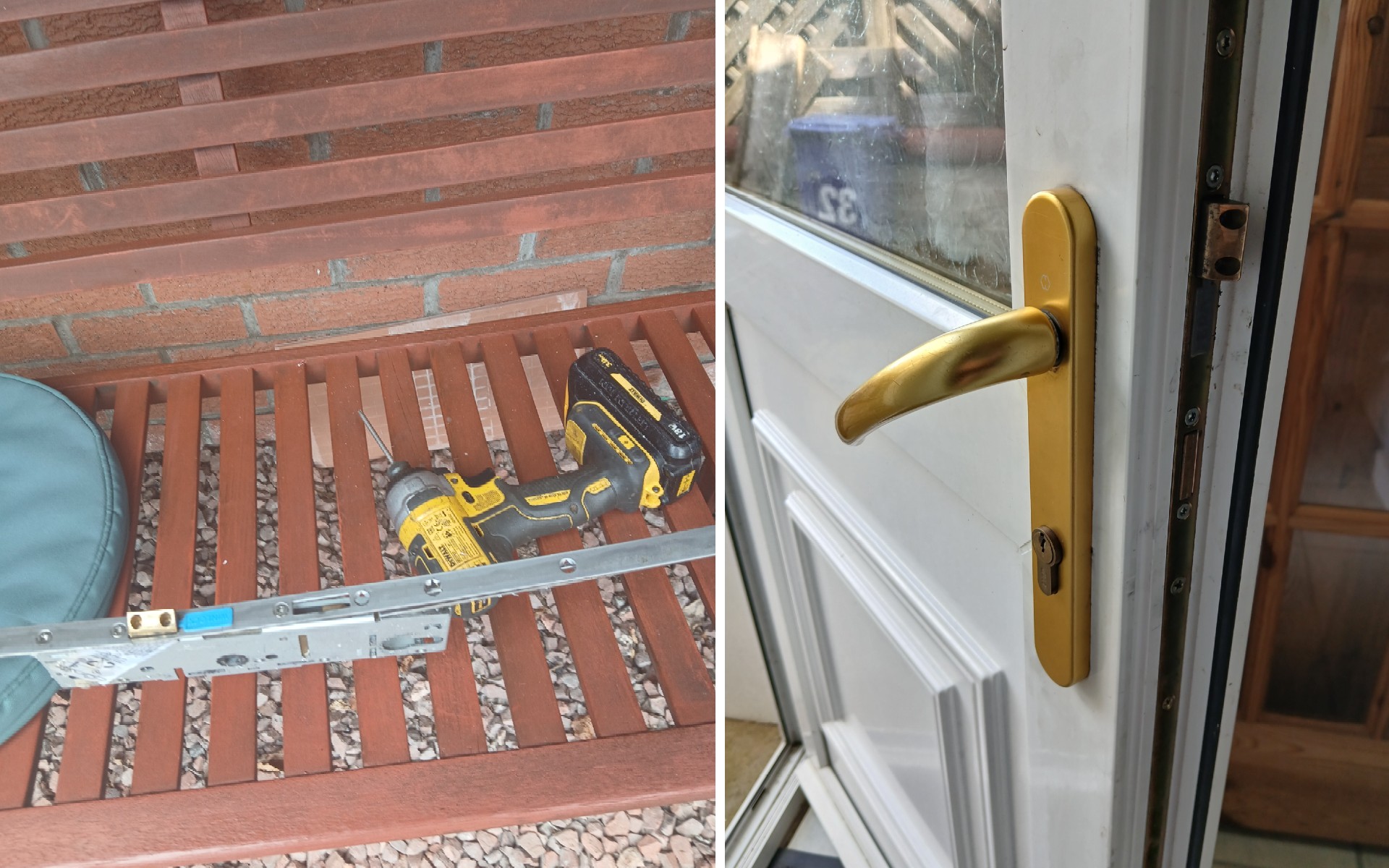
This job involved opening a front door that had jammed shut despite the customer still having their keys. After gaining entry without damaging the door or frame, a failed gearbox was diagnosed and replaced. During final testing, the locking points were found to be catching on the frame keeps, so the door was carefully realigned to eliminate unnecessary strain on the new mechanism. Before leaving, the customer was shown how to carry out a simple adjustment in the future, with reference marks added to make the process easier. The result was a smoothly operating door, a longer-lasting repair and a customer who better understood how to maintain their door.
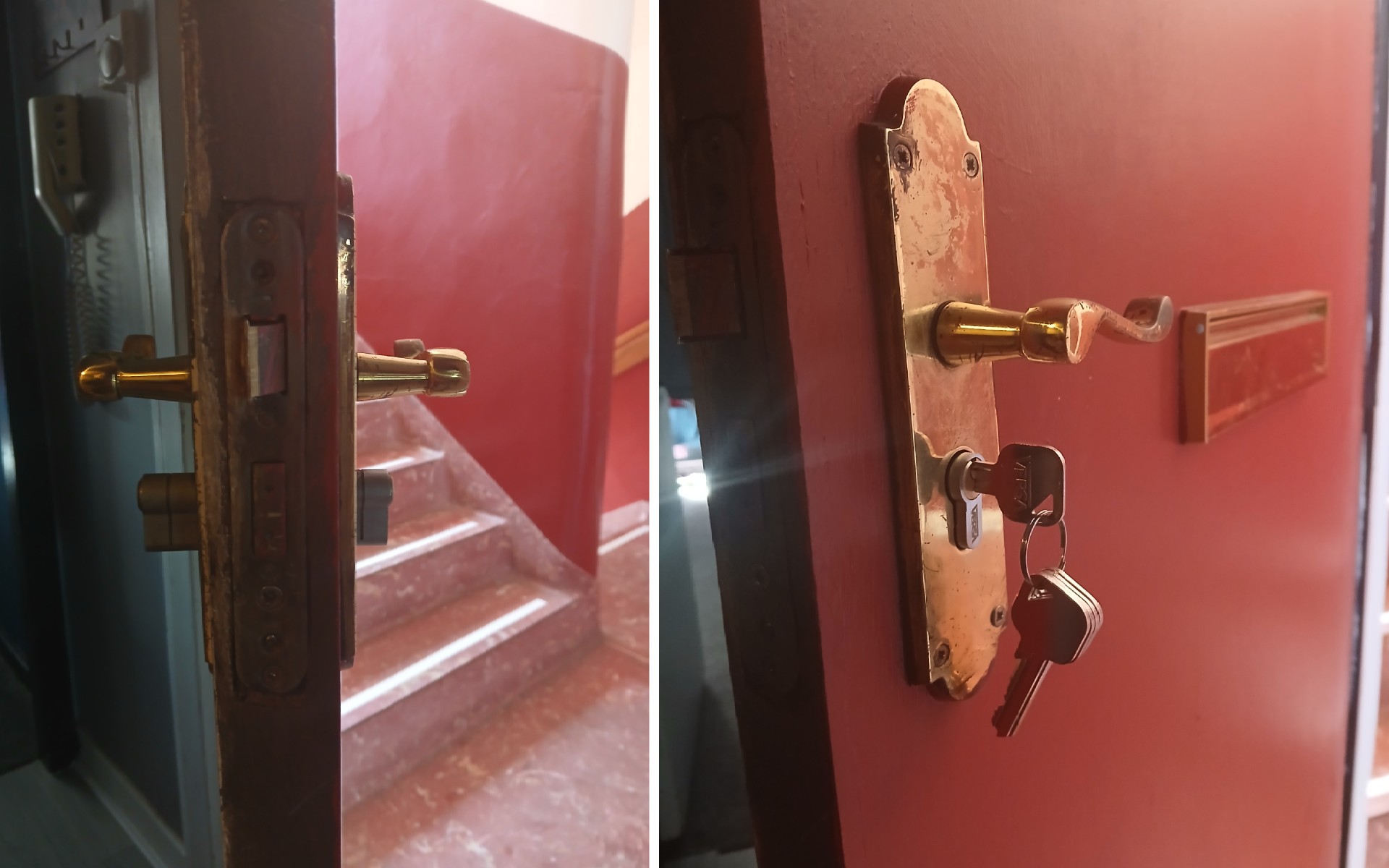
Published Date: 30 July 2026
This job involved replacing the front door lock on a tenement flat after the customer lost their keys. During the inspection, it became apparent that the existing snap-resistant euro cylinder was incorrectly sized and projected around 20mm beyond the handle, reducing the effectiveness of its security features. The old cylinder was replaced with the correct size snap-resistant euro cylinder supplied with five new keys. Once fitted and tested, the door operated smoothly and the customer had the reassurance of a properly installed, correctly sized lock and a new set of keys.