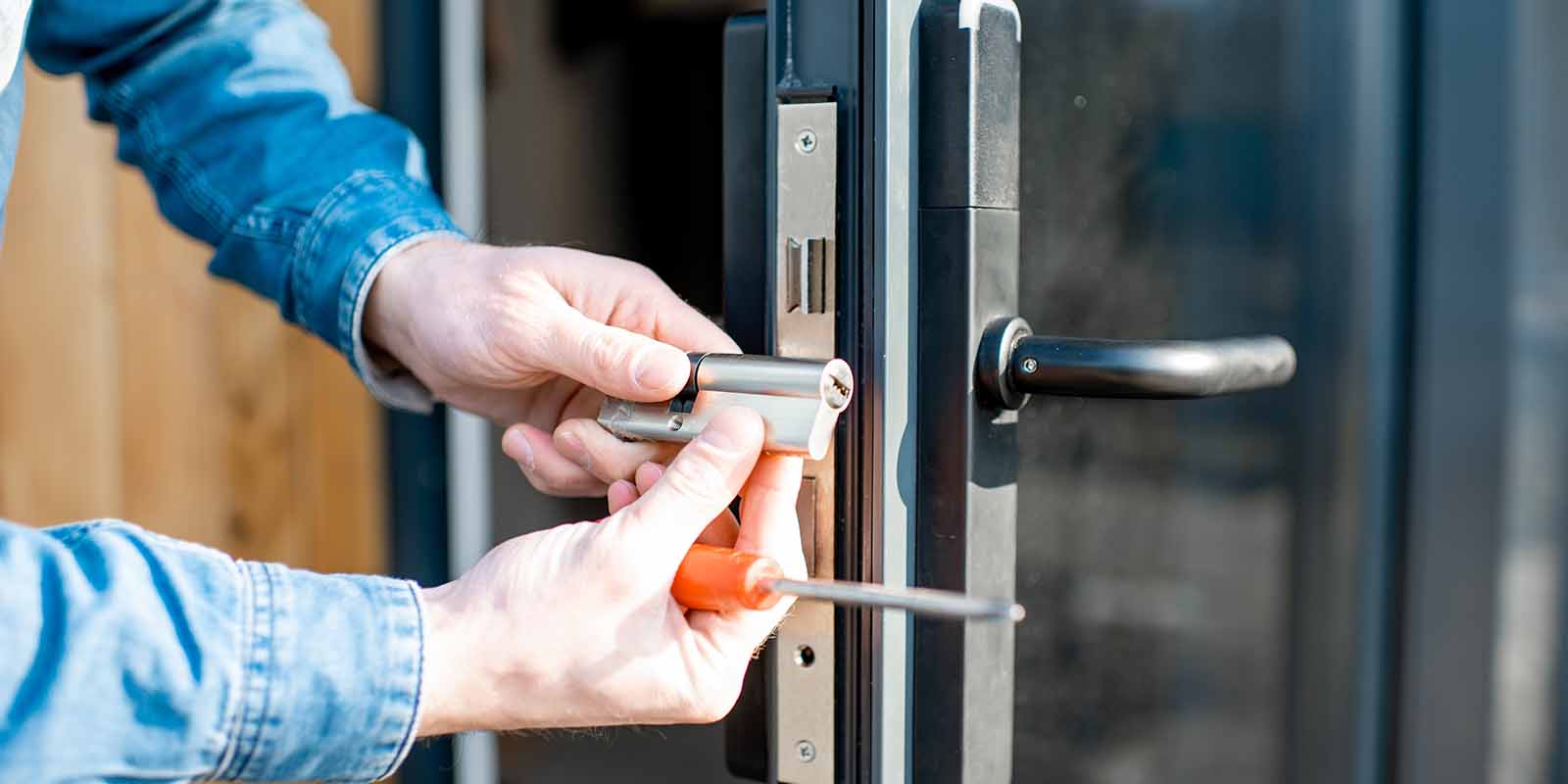

A Little Maintenance Can Prevent Costly Repairs
Your front door is one of the hardest-working parts of your home. It is opened and closed thousands of times every year while being exposed to rain, frost, sunlight, dirt and changing temperatures.
Like any mechanical system, it benefits from regular maintenance. Keeping your door clean, lubricated and correctly adjusted helps reduce wear, extends the life of the locking mechanism and keeps it operating smoothly.
Many of the problems locksmiths repair could have been delayed—or even prevented—with simple routine maintenance.
Looking After Your Composite Door
Composite doors are designed to be strong, weather-resistant and low maintenance, but they still benefit from occasional care.
To keep a composite door in good condition:
- Wash the door with warm water and a mild detergent.
- Remove dirt from around the hinges and threshold.
- Clean the frame and weather seals.
- Check drainage slots remain clear.
- Inspect handles and hinges for loose fixings.
- Lubricate moving parts where appropriate.
Avoid abrasive cleaners, wire wool and strong solvents, as they can damage the door's finish.
Related Guides
Looking After Your uPVC Door
uPVC doors require very little maintenance, but regular cleaning helps preserve both their appearance and smooth operation.
Check regularly for:
- Dirt around the locking points
- Build-up in the threshold
- Debris inside drainage channels
- Loose handles
- Worn weather seals
- Hinge movement
Cleaning the frame also makes it easier to identify developing faults before they become serious.
Why Cleaning Your Door Keeps It Working Properly
Cleaning isn't just about appearance.
Dust, leaves, grit and debris can collect around:
- Locking points
- Rollers
- Thresholds
- Hinges
- Weather seals
- Drainage channels
Over time this can increase friction, reduce smooth operation, block drainage and accelerate wear.
A clean door almost always operates better than one that's been neglected.
Related Guides
Keep the Locking Mechanism Lubricated
Moving parts benefit from occasional lubrication.
This includes:
- Hooks
- Rollers
- Deadbolts
- Latches
- Hinges
- Shoot bolts
Apply a suitable lubricant sparingly and wipe away any excess.
Avoid heavy oils or grease unless specifically recommended, as they can attract dirt and accelerate wear.
Related Guides
Look After the Euro Cylinder
The euro cylinder is one of the most frequently used components of your door.
If the key begins to feel stiff:
- Check the door alignment.
- Ensure the cylinder is clean.
- Use a lock-specific lubricant if appropriate.
Never force a key that becomes difficult to turn.
Related Guides
Check the Hinges
Hinges support the full weight of the door.
Inspect them periodically for:
- Loose screws
- Wear
- Unusual movement
- Corrosion
- Difficulty closing the door
Correct hinge adjustment reduces unnecessary strain on the locking mechanism.
Keep the Threshold Clear
The threshold commonly collects:
- Leaves
- Mud
- Stones
- Dust
- Pet hair
Keeping it clean helps prevent:
- Scraping
- Drainage problems
- Premature wear
- Difficulty closing the door
Inspect the Weather Seals
Weather seals help keep out:
- Rain
- Draughts
- Dust
- Noise
Check them regularly for:
- Splits
- Cracks
- Flattening
- Loose sections
Replacing damaged seals helps maintain weather resistance and correct door compression.
Related Guides
Don't Ignore Small Changes
Your door should always open, close and lock smoothly.
If you notice:
- A stiff handle
- The key becoming harder to turn
- The door rubbing the frame
- The handle dropping
- The door moving when locked
- Clicking or grinding noises
it's worth having the problem investigated before further damage occurs.
Small faults often become much larger repairs if left untreated.
Related Guides
Seasonal Checks
Twice each year—ideally in spring and autumn:
- Clean the door and frame.
- Lubricate moving parts.
- Tighten loose screws.
- Check hinges.
- Inspect weather seals.
- Clear drainage holes.
- Test every locking point.
These simple checks take very little time but can significantly extend the life of your door.
Continue Reading
For more advice on maintaining, repairing and securing your doors, continue with these guides:
- The Complete Guide to Conservatory Door Repairs
- The Complete Guide to French Door Repairs
- The Complete Guide to uPVC & Composite Door Handles
- The Complete Guide to uPVC & Composite Door Problems
- The Complete Guide to Multipoint Lock Components
- The Complete Guide to French Door Security, Maintenance and Repairs
Conclusion
Regular maintenance is one of the simplest ways to protect your investment in a uPVC or composite door. Cleaning away dirt, lubricating moving parts, checking hinges, inspecting weather seals and addressing small changes in operation all help reduce unnecessary wear on the locking mechanism and door hardware. By carrying out a few straightforward seasonal checks each year, you can extend the life of your door, maintain reliable security and avoid many of the common problems that lead to costly repairs.