Introduction
Modern uPVC and composite doors are designed to provide many years of reliable service, but like any mechanical system they contain moving parts that gradually wear with use. Changes in temperature, seasonal movement, general wear and a lack of maintenance can all affect how a door locks and operates.
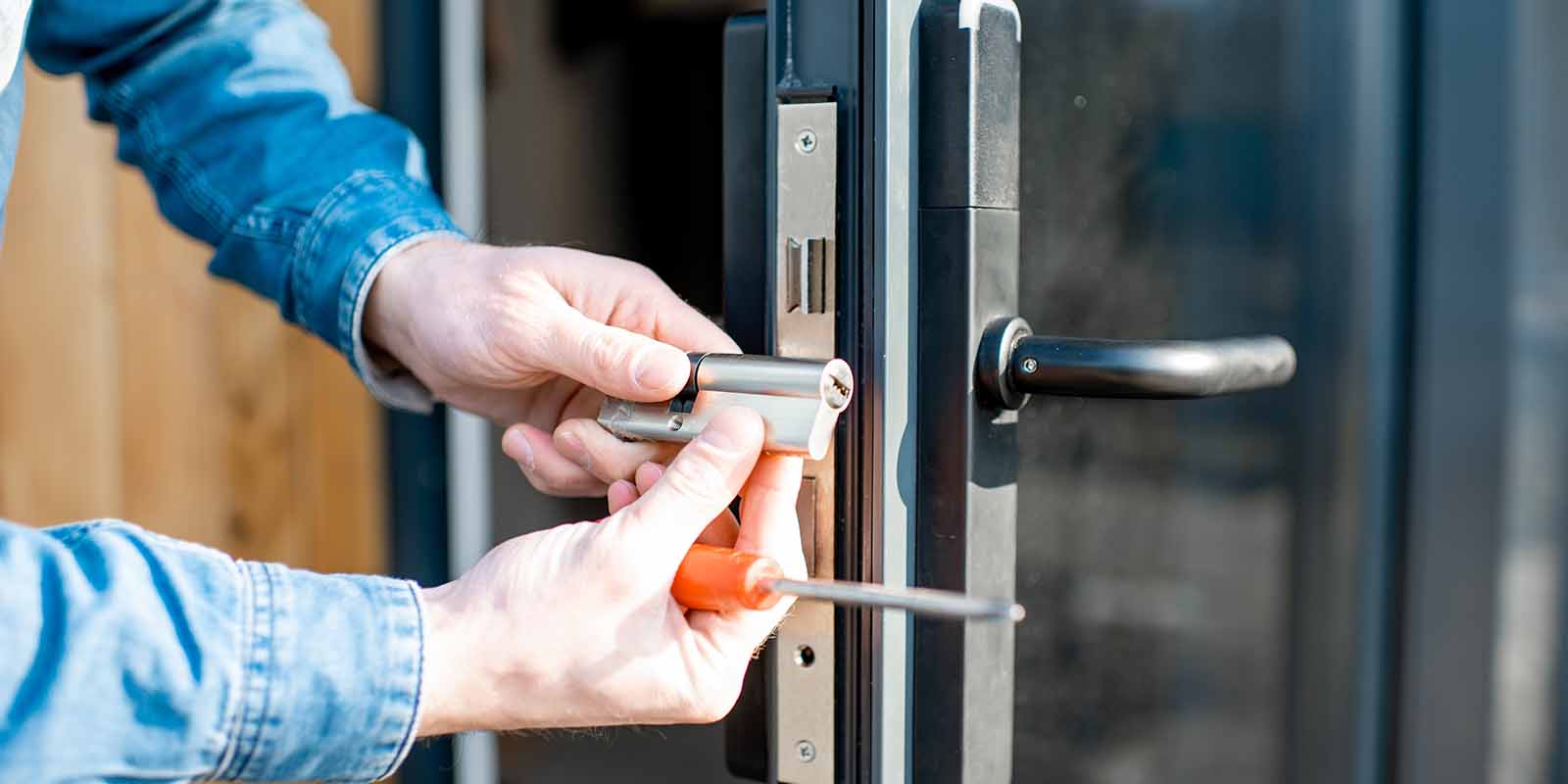
Many homeowners assume a door has reached the end of its life when it becomes difficult to lock or close. In reality, many faults can be repaired without replacing the entire door. A simple adjustment, replacement gearbox, new euro cylinder or professional realignment is often all that's required.
This guide brings together our complete collection of articles covering the most common uPVC and composite door problems, explaining why they occur, how to recognise the warning signs and when it's time to seek professional advice.
Whether your key is difficult to remove, your handle has become stiff or your door only locks when lifted, you'll find detailed guidance throughout the sections below.
Locking Problems
One of the most common complaints homeowners experience is a door that becomes increasingly difficult to lock. Sometimes the problem develops gradually, while other doors appear to fail overnight. Locking issues are often caused by door movement, worn mechanisms, damaged gearboxes or poor alignment.
Related Guides
Key Problems
If your key becomes difficult to insert, remove or turn, the problem isn't always the cylinder itself. Wear, dirt, poor alignment or faults within the locking mechanism can all contribute.
Recognising the symptoms early often prevents complete lock failure.
Related Guides
Handle Problems
Door handles often provide the first indication that something isn't operating correctly. A loose, floppy or stiff handle may indicate a worn spring cassette, a failing gearbox or a door that's gradually moved out of alignment.
Related Guides
- Door handle wont lock unless lifted?
- Why wont the handle lift?
- Can a stiff handle cause failure?
- Easier to lock with door open.
Door Alignment Problems
Even a movement of only a few millimetres can affect how a modern door locks.
Poor alignment places additional strain on the locking mechanism, making the door harder to operate while accelerating wear on expensive internal components.
Related Guides
- Why door alignment matters?
- Every door problem isn't a lock problem.
- Door works open but not closed.
Lock Mechanism Problems
Modern multipoint locking systems contain numerous precision-engineered components that work together every time the handle is lifted.
Understanding these components makes it easier to diagnose faults and determine whether a repair or replacement is required.
Related Guides
- Why the mechanism becomes stiff?
- Common lock problems.
- Why doors fail?
- Lock faults and troubleshooting.
Maintenance & Prevention
Simple maintenance carried out once or twice each year can significantly extend the life of your door and greatly reduce the likelihood of unexpected failures.
Routine inspection, cleaning and lubrication also help the locking mechanism operate with minimal resistance.
Security & Upgrades
Keeping your home secure involves far more than fitting a quality lock.
Modern security standards, correctly installed hardware, regular maintenance and appropriate upgrades all contribute to protecting your property.
Related Guides
Frequently Asked Questions
Why won't my uPVC door lock?
The most common causes are door movement, poor alignment, worn locking mechanisms or gearbox failure.
Can a dropped door damage the lock?
Yes. Continued operation places additional strain on the gearbox and other internal components, often leading to premature failure.
Is a stiff lock always caused by the cylinder?
No. Many stiff locks are caused by poor door alignment or wear within the multipoint locking mechanism rather than the euro cylinder.
Should I replace the whole door?
Usually not. Most door problems can be repaired by replacing worn components and correctly realigning the door.
Continue Reading
To learn more about diagnosing, repairing and maintaining modern doors, continue with these related guides:
- The Complete Guide to Conservatory Door Repairs
- The Complete Guide to French Door Repairs
- The Complete Guide to Multipoint Lock Components
- The Complete Guide to Looking After Your uPVC and Composite Door – Simple Maintenance That Helps Your Door Last Longer
- The Complete Guide to French Door Security, Maintenance and Repairs
Conclusion
Most uPVC and composite door faults follow recognisable patterns. Understanding the early warning signs allows homeowners to deal with problems before they develop into complete lock failures or costly repairs. Whether the issue is poor alignment, a worn gearbox, a faulty euro cylinder or a failing multipoint locking mechanism, early diagnosis is almost always the most cost-effective solution. The guides above provide a comprehensive resource covering repairs, maintenance, security and component replacement, helping you keep your doors operating smoothly and securely for many years.