Don't Force It
A key that only turns halfway is one of the most common locking problems homeowners experience. It can happen suddenly or develop gradually over time.
While it's tempting to apply more force, doing so can snap the key or damage the lock, turning a relatively simple repair into a more expensive one.
The first step is to understand what is preventing the key from completing its full turn.
Is It Only Happening When the Door Is Closed?
This is one of the first questions a locksmith will ask.
If the key turns fully with the door open but not when it's closed, the problem is usually not the cylinder.
It's far more likely to be caused by:
- Door movement
- Misaligned keeps
- Dropped hinges
- Poor door alignment
The locking points are simply not lining up correctly with the frame. If your lock works normally with the door open, – Why Is My Door Easier to Lock with the Door Open? explains why this is one of the biggest clues to identifying the fault.
Could the Cylinder Be Worn?
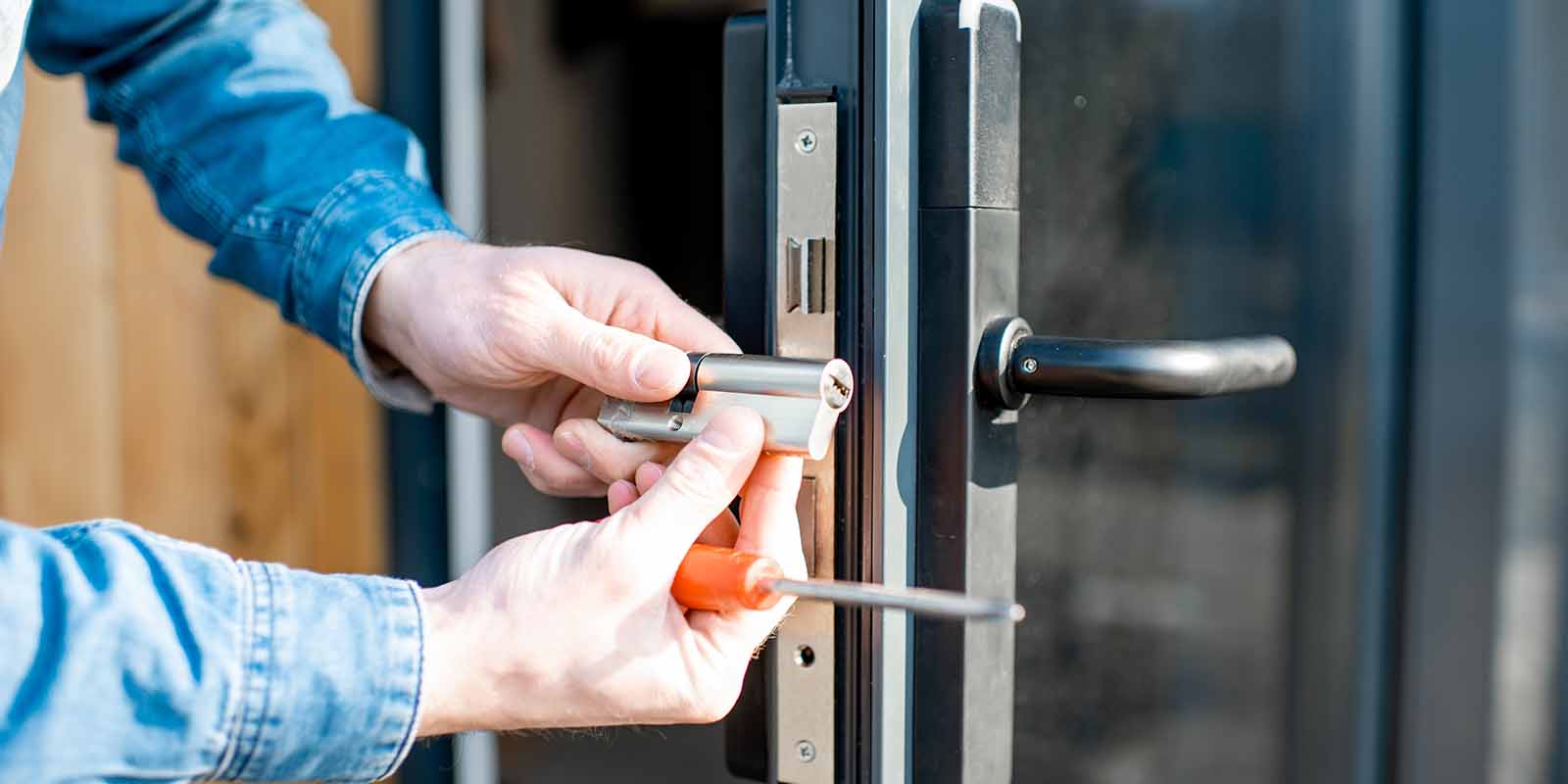
If the key only turns halfway whether the door is open or closed, the euro cylinder itself may be worn.
Common signs include:
- Key difficult to insert.
- Key sticking.
- Rough operation.
- Different keys behaving the same way.
A worn cylinder can often be replaced without changing the rest of the locking mechanism. If your key is also becoming difficult to remove, see – Why Is My Key Difficult to Remove?
Is the Gearbox Causing the Problem?
The gearbox sits behind the handles and coordinates the locking mechanism.
As it wears, internal parts may prevent the key from completing its full rotation.
Symptoms may include:
- Handle feels stiff.
- Key stops suddenly.
- Clicking noises.
- Locking becomes progressively harder.
Not every problem is caused by the gearbox, so it's important to identify the real fault before replacing parts. – Every Door Problem Isn't a Lock Problem explains why.
Dirt and Lack of Lubrication
Dust, dirt and worn lubricant can also affect operation.
Over time, contamination inside the cylinder may prevent the pins from moving freely.
Only use a lubricant recommended for lock cylinders.
Avoid spraying oil-based products into the cylinder, as these can attract dirt and eventually make the problem worse.
Could the Wrong Key Be the Cause?
Sometimes the problem is simply:
- A worn key.
- A damaged key.
- A poor-quality duplicate.
Trying the original key, if available, may quickly rule this out.
Don't Force the Key
If the key refuses to turn fully:
- Don't use excessive force.
- Don't twist the key aggressively.
- Don't use pliers.
Snapping a key inside the cylinder creates a much larger repair. If the lock is already becoming increasingly stiff, – Why Is My Door Lock Stiff? explains why continuing to force it can cause additional damage.
When Should You Call a Locksmith?
If the key:
- Stops halfway.
- Becomes increasingly stiff.
- Only works occasionally.
- Won't fully lock or unlock the door.
it's worth having the door inspected before further damage occurs.
Early diagnosis often prevents additional wear to the cylinder, gearbox or locking mechanism. A professional will normally follow a systematic process rather than replacing parts by guesswork, as explained in – Door Lock Troubleshooting Guide.
Small Symptoms Often Prevent Bigger Repairs
A key that only turns halfway is often an early warning rather than a complete lock failure. In many cases the cause is poor door alignment, a worn cylinder or a gearbox beginning to wear rather than a fault with the key itself. Identifying the problem early can often prevent further damage and restore smooth operation before more expensive repairs become necessary. If you're experiencing several lock symptoms at the same time, Common Door Lock Problems and Guide to Door Problems can help you understand the most likely causes before deciding what needs repairing.