Understanding How French Doors Work
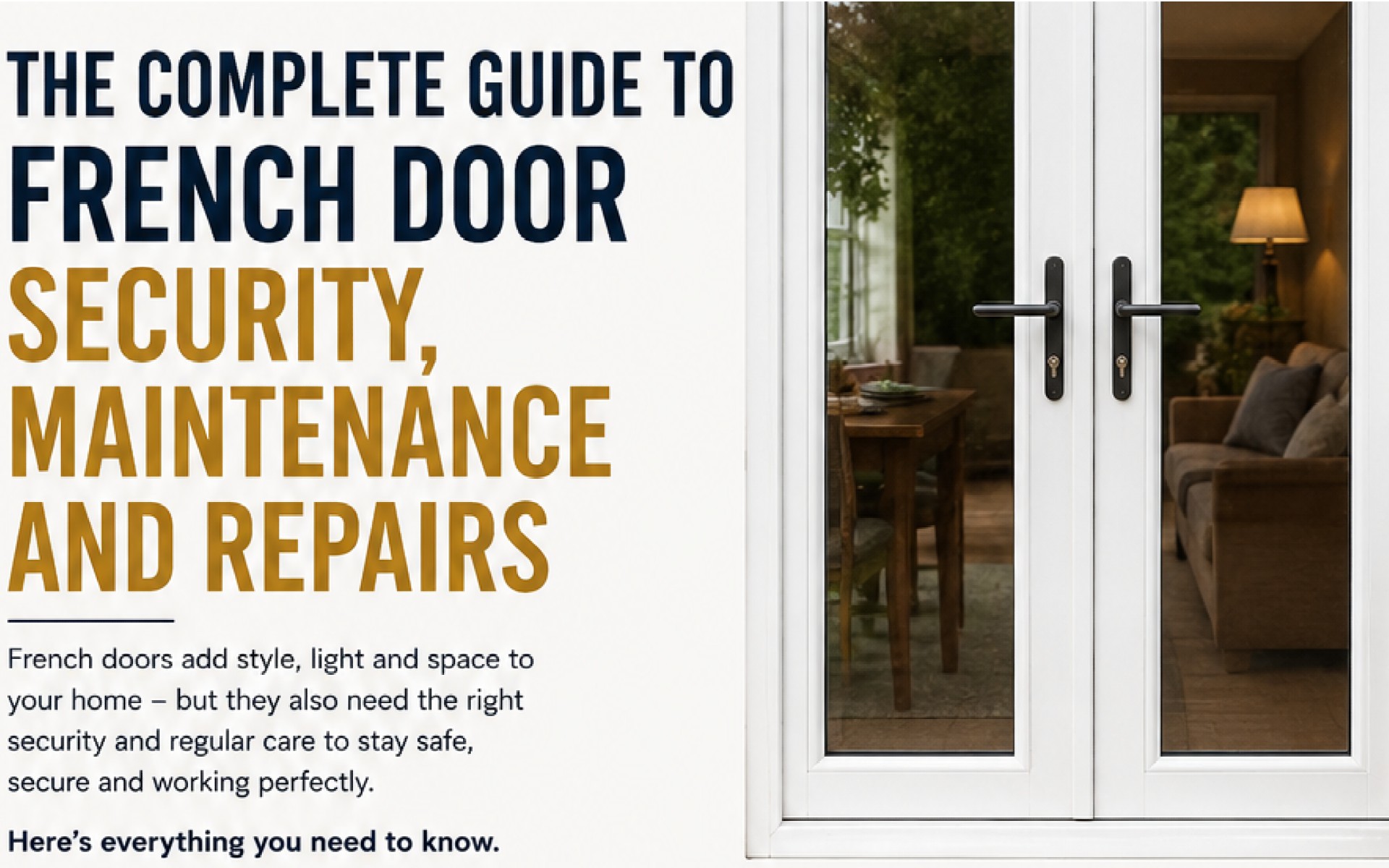
French doors provide wide access, plenty of natural light and an attractive appearance, making them a popular choice for homes across the UK. Unlike a standard entrance door, however, a French door system consists of two door leaves that must work together perfectly.
One door is known as the active door, containing the main multipoint locking mechanism, euro cylinder and handle. The second is the passive door, which is secured using shoot bolts or a slave locking mechanism.
Because both doors depend on accurate alignment with each other and the frame, even small amounts of movement can affect security and everyday operation.
Typically constructed out of UPVC, composite or timber.
How to Keep French Doors Secure
French doors can provide an excellent level of security when correctly maintained.
A secure installation should include:
- A multipoint locking mechanism on the active door
- A secure passive door locking system
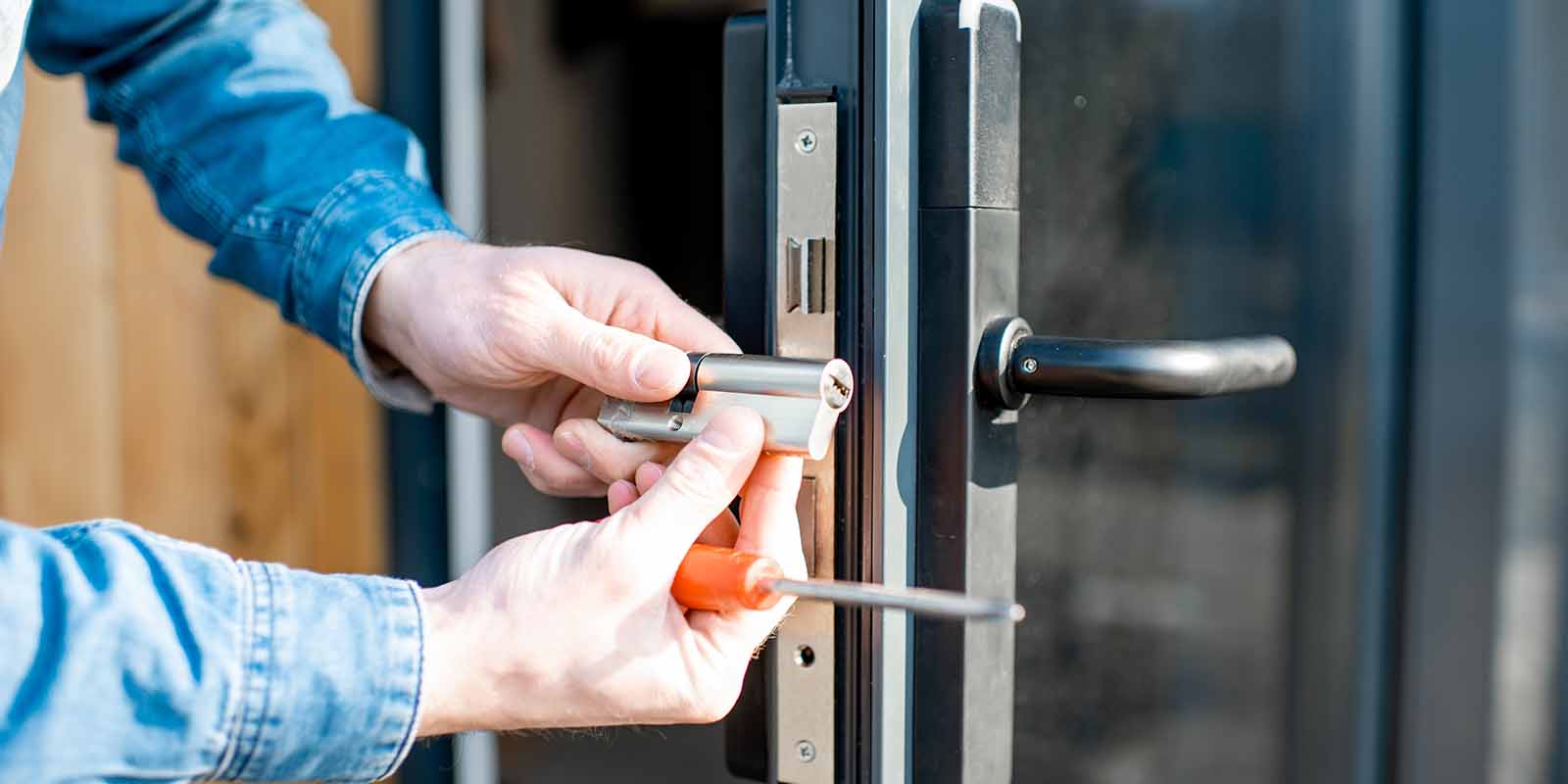
- A high-security euro cylinder
- An anti-snap cylinder where appropriate
- TS007-rated security handles
- Correctly adjusted hinges
- Fully engaging shoot bolts
- Secure keeps firmly fixed into the frame
Effective security depends on the complete door system rather than any single component.
Related Guides
French Door Security Upgrades Worth Considering
Older French doors can often be significantly improved without replacing the complete doors.
Common upgrades include:
- High-security euro cylinders
- TS007-rated security handles
- Replacement multipoint locking mechanisms
- Reinforced keeps
- Hinge security studs
- High-quality shoot bolts
These upgrades improve both security and long-term reliability.
Why French Doors Drop Over Time
French doors are generally wider and heavier than a standard entrance door.
Over time, movement can occur due to:
- Daily use
- Heavy glazed units
- Hinge wear
- Building settlement
- Seasonal expansion and contraction
- Loose fixings
Even slight movement can prevent both doors from aligning correctly.
Related Guides
How to Maintain French Door Locks and Mechanisms
Routine maintenance helps prevent unnecessary wear and keeps French doors operating smoothly.
Simple maintenance includes:
- Lubricating moving parts with a suitable lubricant
- Checking hinges for movement
- Ensuring handles return smoothly
- Confirming shoot bolts engage fully
- Cleaning thresholds and keeps
- Inspecting weather seals
- Tightening loose handle fixings
Never force a stiff handle, as this may damage the gearbox or locking mechanism.
Related Guides
- The Complete Guide to Looking After Your uPVC and Composite Door – Simple Maintenance That Helps Your Door Last Longer
- The Complete Guide to Multipoint Lock Components
The Importance of Correctly Aligned French Doors
Correct alignment is particularly important because both door leaves must work together.
If either door moves, you may notice:
- Handles becoming difficult to lift
- Keys becoming stiff
- Passive door shoot bolts missing their keeps
- Hooks failing to engage
- Uneven gaps between the doors
- Draughts
- Doors catching each other
Many apparent lock failures are actually alignment problems.
Why French Door Bolts Stop Engaging Properly
The passive door is usually secured by top and bottom shoot bolts.
These bolts must align precisely with the keeps fitted into the frame.
Common causes of poor engagement include:
- Door movement
- Dropped hinges
- Building settlement
- Wear within the bolt mechanism
- Debris inside the keeps
- Loose keeps
- Incorrect previous adjustment
If the passive door isn't secured correctly, the active door often becomes difficult to lock as well.
Common French Door Problems
Most French door faults develop gradually.
Typical symptoms include:
- One door rubbing the other
- Handle difficult to lift
- Key difficult to turn
- Passive door difficult to secure
- Uneven gaps
- Draughts
- Door movement when locked
- Lock working with the door open but not closed
- Clicking or grinding noises
Most problems are caused by wear, movement or poor alignment rather than complete lock failure.
Why Maintenance Extends the Life of French Doors
French doors contain more moving parts than a standard entrance door.
Routine maintenance helps:
- Reduce gearbox wear
- Protect the euro cylinder
- Prevent handle damage
- Maintain smooth shoot bolt operation
- Preserve weather seals
- Maintain correct alignment
Addressing small issues early often prevents much more expensive repairs.
Continue Reading
To learn more about French door repairs, maintenance and security, continue with these related guides:
Conclusion
French doors provide excellent security, convenience and appearance when properly maintained. Because both door leaves must operate together, correct alignment, smooth-running multipoint locking mechanisms and fully engaging shoot bolts are essential for reliable performance. Most problems that develop over time are caused by normal wear, hinge movement or misalignment rather than the doors themselves. With routine maintenance, timely repairs and appropriate security upgrades, French doors can continue to operate smoothly and securely for many years without the need for costly replacement.