Understanding Door Handles
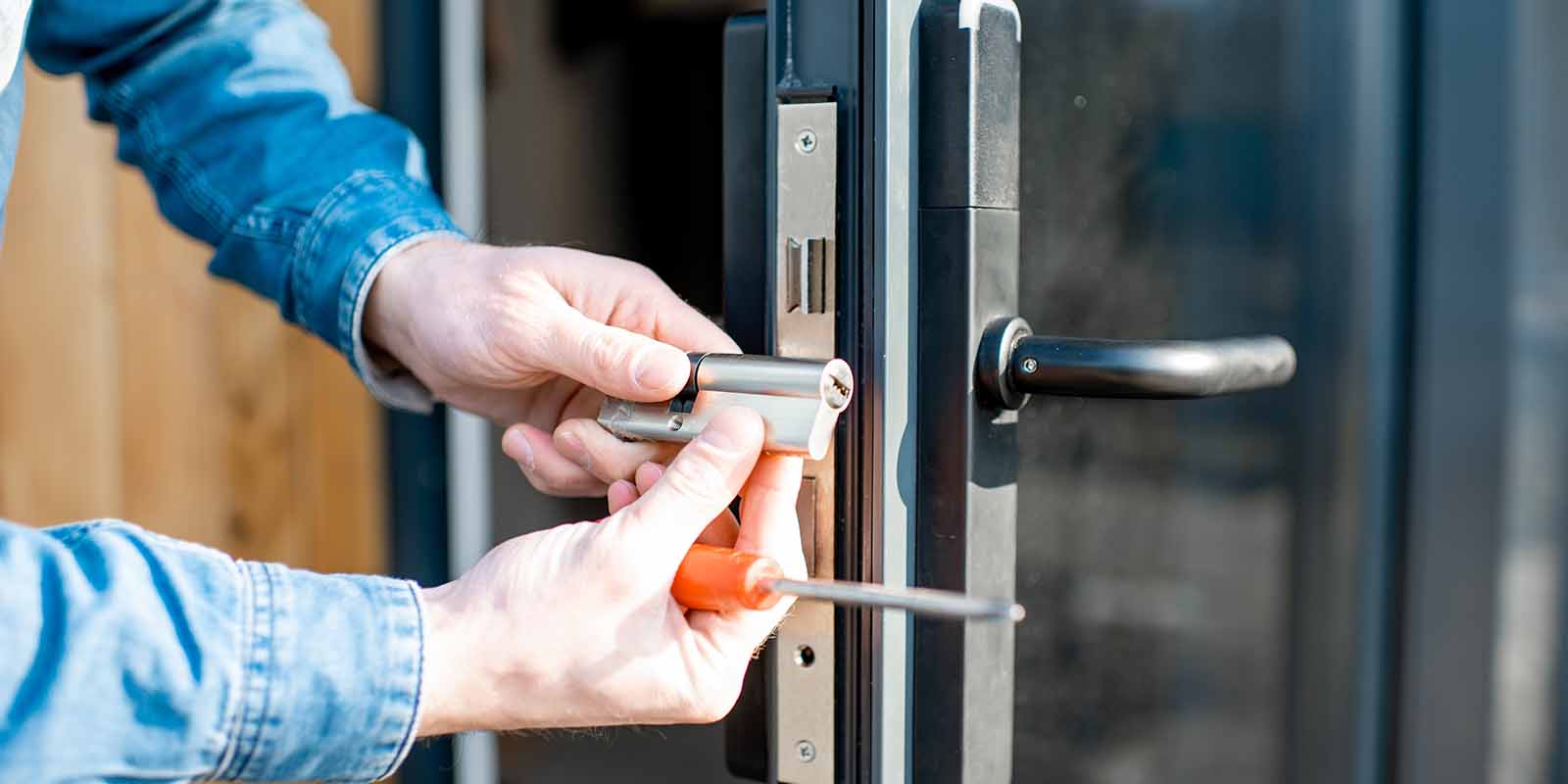
Although they appear simple, modern door handles perform several important functions. They operate the gearbox, retract the latch and help engage the multipoint locking system every time the handle is lifted.
Related Guides
- The Complete Guide to Door Components & Hardware
- The Complete Guide to Multipoint Locking Systems
- The Complete Guide to Door Locks
Door Handle Types
Not all door handles are the same. Different doors require different fixing centres, spindle arrangements, backplates and operating methods.
Whether fitted to a uPVC, composite, French or conservatory door, choosing the correct handle is essential for smooth operation.
Related Guides
- The Complete Guide to uPVC Doors
- The Complete Guide to Composite Doors
- The Complete Guide to French Door Repairs
Measurements & Handle Centres
Choosing the correct measurements is one of the most important aspects of replacing a door handle.
Handle centres, fixing screw positions, spindle size and backplate dimensions must all match the existing door hardware.
Related Guides
Security Handles
Many older door handles provide very little protection against modern burglary methods.
Upgrading to TS007 high-security handles can significantly improve protection against lock snapping and forced entry, particularly when combined with a quality euro cylinder.
Related Guides
- The Complete Guide to Home Door Security
- The Complete Guide to French Door Security, Maintenance and Repairs
Common Door Handle Problems
Most handle faults develop gradually and are often symptoms of another issue within the locking mechanism or door alignment.
Common problems include:
- Handles that won't lift
- Drooping handles
- Handles that don't spring back
- Handles that move but don't operate the lock
- Stiff operation
- Excessive movement or looseness
In many cases the handle isn't actually the root cause of the fault.
Related Guides
- The Complete Guide to uPVC & Composite Door Problems
- The Complete Guide to Door Alignment and Lock Performance
- The Complete Guide to Multipoint Lock Components
Replacing Door Handles
Replacing a handle isn't simply a matter of choosing one that looks similar.
The following must all be compatible:
- Handle centres
- Fixing screw positions
- Spindle arrangement
- Backplate size
- Security specification
Using the correct replacement ensures the multipoint locking mechanism continues to operate properly.
Maintenance
Looking after your door handles helps reduce wear and keeps the entire locking mechanism operating smoothly.
Simple maintenance, combined with correct door alignment, can significantly extend the life of the handles, gearbox and locking components.
Related Guides
Frequently Asked Questions
Are all uPVC door handles the same?
No. Door handles are available in a wide range of centre measurements, spindle arrangements, fixing positions, backplate styles and security ratings.
Why has my handle become floppy?
This is usually caused by a broken spring cassette, worn internal components or increased strain resulting from poor door alignment.
Should I replace both handles?
Yes. Door handles are supplied as a pair and, in most cases, should be replaced together to ensure correct operation and appearance.
Can the wrong handle damage my lock?
Yes. Incorrect measurements or poor-quality handles can affect the operation of the multipoint locking mechanism and place unnecessary strain on the gearbox.
Continue Reading
To learn more about door handles, locks and door hardware, continue with these related guides:
Conclusion
Door handles do far more than simply open and close a door. They form an integral part of the locking system, transferring movement to the gearbox and multipoint locking mechanism while also contributing to the overall security of the property. Understanding handle types, measurements, security features and the common causes of failure helps homeowners choose the correct replacements, identify developing faults early and keep their doors operating smoothly for many years.
Further Reading: