Introduction
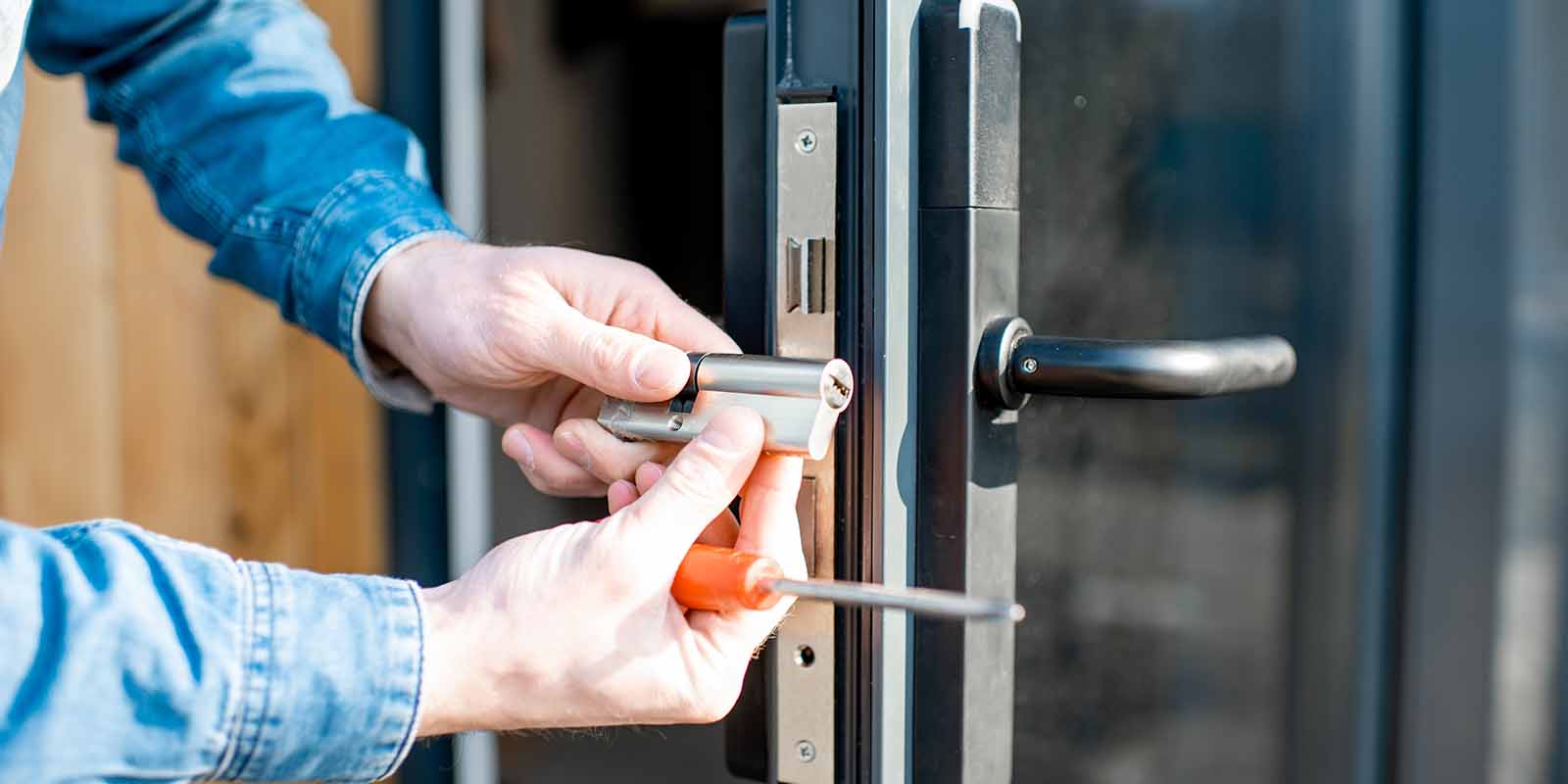
Door handles do much more than simply open and close a door. They are an essential part of the locking system, transferring movement to the gearbox, supporting the multipoint lock and, in many cases, helping protect the lock cylinder from attack.
With so many different styles available, choosing the correct replacement can be confusing. Door handles vary by fixing centres, spindle type, security rating, door material, operating method and whether they are sprung or unsprung.
Even handles that appear almost identical can differ in important measurements and internal design, making accurate identification essential before ordering replacement parts.
This A–Z guide explains the most common door handle types used on uPVC, composite, timber, aluminium and French doors, together with where they are commonly fitted and links to more detailed guides.
Common Door Handle Types
The most common handles fitted to residential and commercial doors include:
- Lever/Lever
- Lever/Pad
- Fixed Pad
- Moveable Pad
- Inline Handles
- Offset Handles
- Cranked Handles
- Security Handles
- Sprung Handles
- Unsprung Handles
- Pull Handles
- Rose Handles
A
Adjustable Handles
What they are
Door handles with movable fixing screw positions, allowing one handle to fit several different screw centre measurements.
Why they matter
Ideal when replacing obsolete handles or where the original fixing centres are no longer available.
Commonly Found On
- uPVC doors
- Composite doors
Related Terms
- Backplate
- Screw Centres
- PZ Centres
Complete Guide
➡ Complete Guide to uPVC & Composite Door Handles
Related Articles
- Understanding Door Handle Measurements
- Replacing Obsolete Door Handles
- Screw Centres Explained
Aluminium Door Handles
What they are
Handles designed specifically for aluminium entrance and commercial doors.
Why they matter
Usually have different fixing dimensions from uPVC handles.
Complete Guide
➡ Complete Guide to Door Components & Hardware
Related Articles
- Aluminium Door Lock Repairs
- Commercial Door Hardware
B
Backplate Handles
What they are
Door handles mounted on a long backplate containing the lever, spindle opening and keyhole.
Why they matter
The most common handle style used on multipoint locking doors.
Complete Guide
➡ Complete Guide to uPVC & Composite Door Handles
Related Articles
- Door Handle Measurements Explained
- PZ Centres Explained
- Screw Centres Explained
Blanking Plates
What they are
Handle hardware backplates without an external lever.
Why they matter
Often fitted to passive French doors.
Complete Guide
➡ Complete Guide to French Door Repairs
Related Articles
- Active & Passive French Doors Explained
- French Door Locking Systems
C
Cranked Handles
What they are
Handles where the lever projects away from the backplate at an angle.
Why they matter
Commonly used on French doors to provide clearance between both handles.
Complete Guide
➡ Complete Guide to French Door Repairs
Related Articles
- Inline vs Offset vs Cranked Handles
- French Door Hardware Explained
D
Double Spindle Handles
What they are
Handles designed for locks using two separate spindles.
Why they matter
Allow the inside and outside handles to operate independently.
Complete Guide
➡ Complete Guide to Multipoint Locking Systems
Related Articles
- Split Spindle Locks Explained
- Lever/Pad Handles Explained
E
Espag Window Handles
What they are
Handles fitted to espagnolette window locking systems.
Why they matter
Although not door handles, they are commonly supplied by locksmiths and window repair specialists.
Related Articles
- Espagnolette Locks Explained
- Window Handle Repairs
External Pull Handle
What it is
A fixed handle used to pull the door closed without operating the latch.
Why it matters
Often combined with electronic or access-controlled doors.
Related Articles
- Commercial Door Hardware
- Access Control Systems
F
Fixed Pad Handle
What it is
An external pad that does not move when pressed.
Why it matters
Provides additional security because the latch can only be operated with the key.
Complete Guide
➡ Complete Guide to Home Door Security
Related Articles
- Lever/Pad vs Lever/Lever Handles
- High Security Door Handles
Flush Handle
What it is
A recessed handle sitting almost flush with the door surface.
Why it matters
Common on sliding patio and pocket doors.
Related Articles
- Patio Door Hardware
- Sliding Door Repairs
H
High Security Handles
What they are
Handles incorporating hardened cylinder protection to resist lock snapping.
Why they matter
Often independently tested to TS007 2 Star.
Complete Guide
➡ A–Z of uPVC & Composite Door Handles
Related Articles
- TS007 2 Star Handles Explained
- Do High Security Door Handles Really Work?
- Anti-Snap Locks Explained
I
Inline Handles
What they are
Handles where the inside and outside levers line up directly opposite one another.
Why they matter
The most common style fitted to uPVC and composite doors.
Complete Guide
➡ Complete Guide to uPVC & Composite Door Handles
Related Articles
- Inline vs Offset Handles
- Measuring Door Handles
L
Lever/Blank Handles
What they are
A lever handle on one side and a blank plate on the other.
Why they matter
Usually fitted to passive French doors.
Complete Guide
➡ Complete Guide to French Door Repairs
Related Articles
- Passive Door Locks
- French Door Hardware
Lever/Lever Handles
What they are
Handles with operating levers on both sides.
Why they matter
The standard arrangement for most residential entrance doors.
Complete Guide
➡ Complete Guide to uPVC & Composite Door Handles
Related Articles
- Choosing the Right Door Handle
- Measuring Door Handles
Lever/Pad Handles
What they are
Handles with an internal lever and an external moveable or fixed pad.
Why they matter
Provide improved security by preventing the outside handle from operating until unlocked with the key.
Complete Guide
➡ Complete Guide to Home Door Security
Related Articles
- Lever/Pad vs Lever/Lever
- Split Spindle Explained
- High Security Handles
Long Backplate Handles
What they are
Handles mounted on an extended backplate covering previous fixing holes.
Why they matter
Useful when replacing older or obsolete handles.
Related Articles
- Replacing Obsolete Handles
- Measuring Replacement Handles
M
Moveable Pad Handle
What it is
An external pad that can move after being released by the key.
Why it matters
Provides security while maintaining convenient operation.
Related Articles
- Lever/Pad Handles
- Split Spindle Locks
O
Offset Handles
What they are
Handles where the inside and outside levers are positioned at different heights.
Why they matter
Replacement handles must match the offset arrangement.
Related Articles
- Inline vs Offset Handles
- Door Handle Measurements
P
Pull Handles
What they are
Handles used only for pulling the door open or closed.
Why they matter
Common on commercial buildings and aluminium entrance doors.
Related Articles
- Commercial Door Hardware
- Aluminium Door Hardware
R
Return-to-Door Handles
What they are
Handles designed so the lever returns towards the door face.
Why they matter
Often fitted in public buildings to reduce the risk of clothing catching.
Rose Handles
What they are
Lever handles mounted on individual circular or square roses instead of a long backplate.
Why they matter
Popular on timber internal doors.
Related Articles
- Mortice Locks Explained
- Timber Door Hardware
S
Security Handles
What they are
Door handles designed to protect the Euro cylinder against attack.
Why they matter
Usually feature reinforced backplates and hardened cylinder guards.
Complete Guide
➡ Complete Guide to Home Door Security
Related Articles
- TS007 2 Star Handles
- Anti-Snap Door Security
- 1 Star vs 3 Star Cylinders
- Sold secure approved
Short Backplate Handles
What they are
Compact handles with smaller backplates.
Why they matter
Common on timber doors with separate escutcheons.
Snib Handles
What they are
Handles incorporating a snib or locking button.
Why they matter
Allow temporary locking or unlocking without using a key.
Related Articles
- Nightlatches Explained
- Yale Locks Explained
Split Spindle Handles
What they are
Handles designed for split spindle locking systems.
Why they matter
Allow independent operation of the inside and outside handles.
Complete Guide
➡ Complete Guide to Multipoint Locking Systems
Related Articles
- Split Spindle Locks
- Lever/Pad Handles
Sprung Handles
What they are
Handles containing internal return springs.
Why they matter
Reduce strain on the gearbox, improve handle feel and help prevent premature gearbox wear.
Related Articles
- Sprung vs Unsprung Handles
- Why Doesn't My Door Handle Spring Back?
T
Tilt and Turn Handles
What they are
Handles fitted to tilt-and-turn window systems.
Why they matter
Although designed for windows, they are often supplied alongside door hardware.
Troubleshooting
U
Unsprung Handles
What they are
Handles without their own return springs.
Why they matter
These rely entirely on the gearbox springs to return the lever to its horizontal position, increasing wear on older mechanisms.
Related Articles
- Sprung vs Unsprung Handles
- Gearboxes Explained
W
Wing Handles
What they are
Slim handles often fitted to aluminium doors and commercial glazing systems.
Understanding Door Handle Measurements
Before replacing any handle, several measurements should always be checked.
PZ Centres
Distance between the centre of the spindle and the centre of the euro cylinder.
Screw Centres
Distance between the two fixing screws that secure the handles through the door.
Backplate Length
Overall length of the handle backplate.
Backplate Width
Overall width of the handle backplate.
Top Screw to Spindle
Distance from the upper fixing screw to the centre of the spindle.
Bottom Screw to Cylinder
Distance from the lower fixing screw to the centre of the euro cylinder.
Spindle Size
Usually 8mm on most residential uPVC and composite doors.
Projection
How far the handle projects away from the face of the door.
Handing
Some handles are left-handed or right-handed, while others are reversible or non-handed.
Even if two handles appear identical, small differences in these measurements can prevent a replacement fitting correctly. Measuring carefully before ordering helps avoid compatibility problems and ensures the new handles operate smoothly.
Choosing the Right Door Handle
Choosing the correct replacement involves much more than matching the appearance or finish. The handle must also be compatible with your door's locking mechanism, PZ centres, screw centres, spindle size and, where applicable, the handing of the door.
For most modern uPVC and composite doors, a fully sprung TS007 2 Star security handle provides excellent durability while helping to protect the euro cylinder against lock-snapping attacks. When combined with a quality multipoint locking mechanism and a suitable euro cylinder, the correct handle improves both security and the long-term reliability of the entire door.
Related Complete Guides
Continue learning with these detailed guides covering door handles, locks and home security.
Complete Guide to uPVC & Composite Door Handles
Learn how to measure, identify and replace door handles, understand PZ centres, screw centres and choose the correct replacement.
Complete Guide to Door Components & Hardware
Explore the components that make up a modern door and understand how each part contributes to security and smooth operation.
Complete Guide to Multipoint Locking Systems
Discover how multipoint locking mechanisms work and how door handles interact with the gearbox, latch and locking points.
Complete Guide to Home Door Security
Learn how high-security handles, anti-snap cylinders and quality door hardware work together to improve home security.
Complete Guide to Door Locks
Understand the different types of locks fitted to modern entrance doors and the common faults that affect them.
Complete Guide to French Door Repairs
Find out how French door handles, locking systems and passive doors differ from standard entrance doors, and how common faults are repaired.
Conclusion
Door handles are much more than decorative furniture. They provide the connection between the user and the multipoint locking mechanism while also contributing to the overall security of the door.
Understanding handle types, measurements, spring mechanisms and security ratings makes it much easier to identify the correct replacement and avoid costly mistakes. Whether you're replacing worn handles, upgrading to TS007 2 Star security handles or simply learning how modern door hardware works, this A–Z guide provides a practical reference to the handle types, terminology and measurements most commonly found on uPVC, composite, aluminium and French doors throughout the UK.