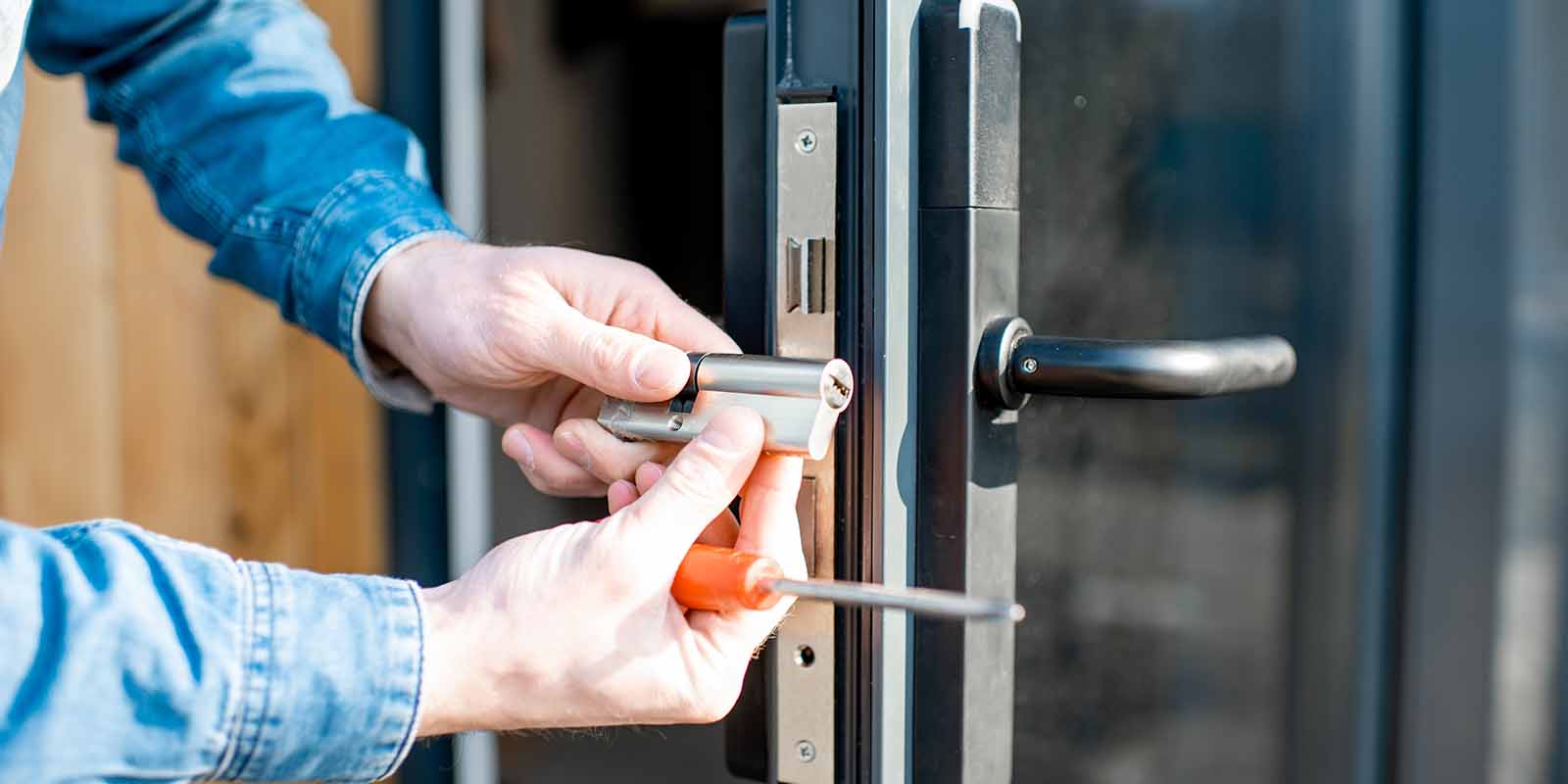
If you're replacing a door lock, you'll quickly discover there are hundreds of options available. Different security ratings, certifications, sizes and features can make it difficult to know which lock is actually right for your home.
The truth is that comparing locks isn't just about choosing the most expensive one. The best lock is one that's the correct size, suits your door, meets your security requirements and works reliably with your existing locking mechanism.
Here's what every homeowner should look for.
Start With the Correct Type of Lock
Before comparing specifications, make sure you're looking at the right type of lock.
For example:
- Euro cylinders for uPVC and composite doors
- Mortice locks for timber doors
- Night latches for traditional timber entrance doors
- Multipoint locking mechanisms for modern external doors
Comparing different types of locks won't help if they aren't suitable for your door.
To understand the different lock types in more detail, read The Complete Guide to Euro Cylinder Door Locks.
Check the Security Rating
One of the first specifications you'll see is the security rating.
For euro cylinders, common options include:
- Standard cylinders
- TS007 1 Star cylinders
- TS007 3 Star cylinders
A TS007 1 Star cylinder should be paired with a TS007 2 Star security handle to achieve the highest level of protection.
A TS007 3 Star cylinder provides that level of protection on its own.
If you're upgrading security, this is often one of the most important specifications to compare.
To understand what these ratings mean, see Understanding Door Lock Security Standards: TS007, Secured by Design, PAS 24 and Insurance Requirements Explained.
Choose the Correct Size
Even the highest-rated cylinder won't perform properly if it's the wrong size.
Euro cylinders are measured from the centre fixing screw to each end.
Examples include:
- 35/35mm
- 40/40mm
- 35/45mm
- 40/50mm
A cylinder that protrudes too far beyond the handle can be more vulnerable to attack, while one that's too short can be difficult to operate.
Compare the Build Quality
Not all locks are manufactured to the same standard.
Look for features such as:
- Hardened steel components
- Anti-drill protection
- Anti-pick protection
- Anti-bump protection
- Anti-snap protection
- Quality internal springs and pins
Better materials usually result in a longer-lasting and smoother operating lock.
For more information on recognised testing and security standards, read What Makes a Lock Sold Secure Approved?
Consider the Number of Keys
Some cylinders are supplied with:
- Three keys
- Five keys
- Six or more keys
Think about how many household members need access before purchasing additional keys later.
Keyed Alike or Individual Keys?
If you're replacing several locks, decide whether you want:
- Individual keys for each door
- One key that operates multiple locks
A keyed alike system is often more convenient for homeowners.
Don't Compare Price Alone
The cheapest lock isn't always the best value.
A quality cylinder often provides:
- Better security
- Longer service life
- Smoother operation
- Greater resistance to forced entry
Paying slightly more for a better-quality lock can save money over time.
Make Sure It Works With Your Door
If you're replacing a lock cylinder, remember that it forms only one part of the locking system.
If the:
- Gearbox
- Multipoint locking mechanism
- Door handles
- Door alignment
are causing the problem, fitting a new cylinder won't solve it.
Always diagnose the actual fault before replacing parts.
To see how these components work together, read Every Part of a uPVC Door Explained.
Think About Insurance Requirements
Some home insurance policies specify minimum lock standards, particularly for external doors.
When comparing locks, check whether they meet the level of security expected for your property.
Upgrading to a higher-security cylinder can improve both protection and peace of mind.
For an overview of recognised security standards, see A–Z of Door & Lock Security Standards.
Professional Fitting Matters
Even the best lock won't perform properly if it's incorrectly fitted.
The cylinder should:
- Be the correct length.
- Sit almost flush with the handles.
- Operate smoothly.
- Lock without excessive force.
If the door is difficult to lock after fitting a new cylinder, the problem may be poor alignment rather than the lock itself.
Compare the Whole Locking System
A lock should never be chosen in isolation. The best-performing lock is one that's correctly matched to your door, properly fitted and working alongside a well-maintained multipoint locking mechanism.
Before buying a replacement, consider the security rating, size, build quality and compatibility with your existing door. Taking the time to compare specifications properly helps you choose a lock that offers both long-term reliability and the level of security your home deserves.
If you're planning to improve your home's security, The Complete Guide to Upgrading Your Door Locks for Better Home Security brings together the key upgrades that make the biggest difference.
Further reading: