Introduction
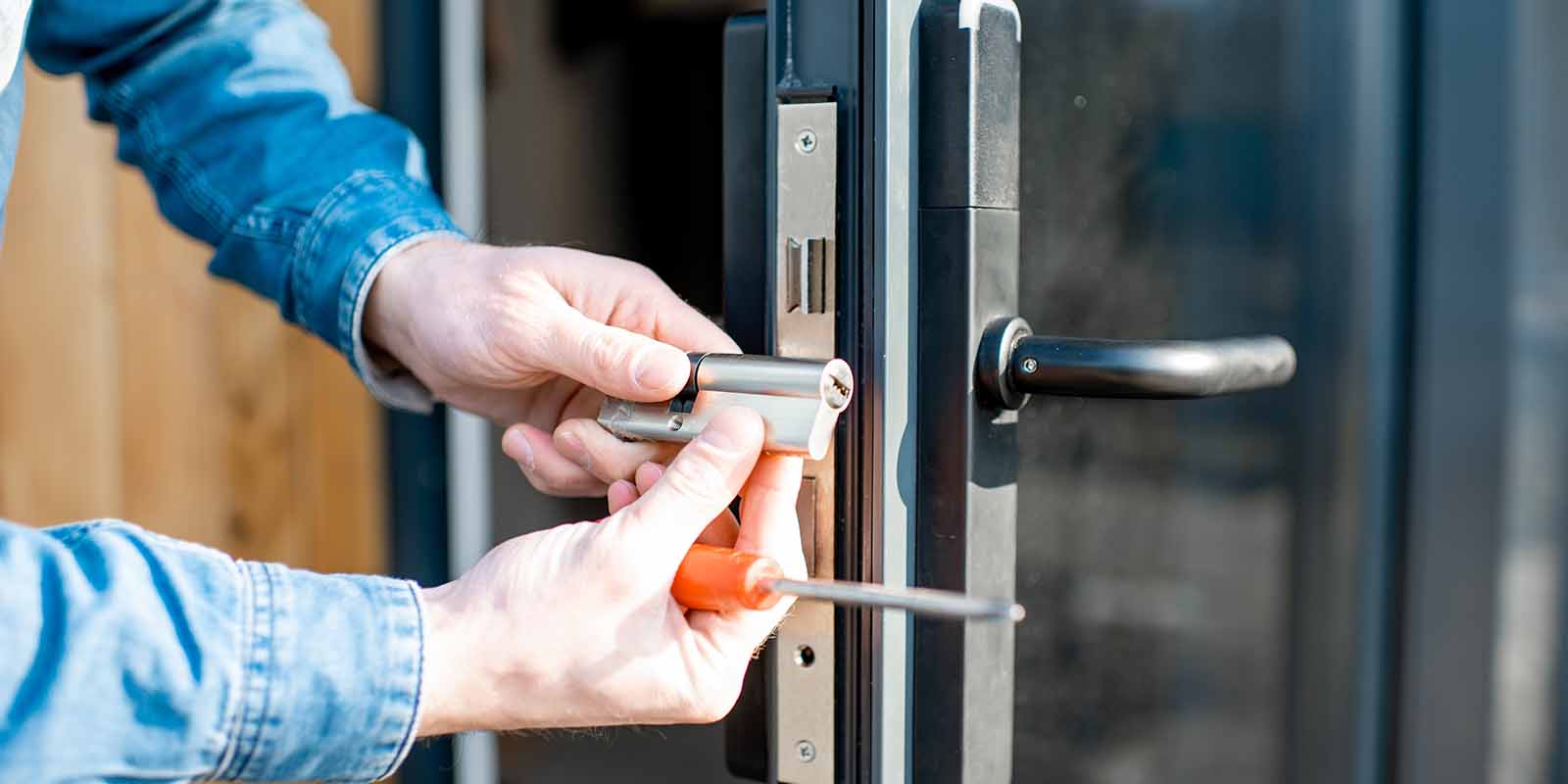
Euro cylinders are the most common type of lock fitted to modern uPVC, composite, aluminium and many timber doors. Although they all look similar, they are manufactured in dozens of different sizes to suit different door thicknesses, handle designs and locking systems.
Choosing the wrong size can affect both security and operation. A cylinder that protrudes too far beyond the handle may become vulnerable to attack, while one that's too short may not engage correctly or operate smoothly.
Modern Euro cylinders are also available in different security levels, including anti-snap, anti-drill, anti-pick and TS007-rated models, making it important to choose the correct type as well as the correct size.
This A–Z guide explains the different types of Euro cylinders, how they are measured, the most common sizes used throughout the UK and the terminology you'll encounter when replacing or upgrading a cylinder.
Common Euro Cylinder Features
The most common features homeowners ask about include:
- Cylinder Sizes
- Symmetrical Cylinders
- Unequal Cylinders
- Thumbturn Cylinders
- Double Cylinders
- Half Cylinders
- Emergency Function Cylinders
- Keyed Alike Cylinders
- Master Key Systems
- TS007 Security Ratings
- Anti-Snap Protection
- Anti-Drill Protection
- Anti-Pick Protection
A
Anti-Drill Cylinder
What it is
A cylinder incorporating hardened steel inserts designed to resist drilling attacks.
Why it matters
Helps protect the internal locking mechanism against destructive methods of entry.
Related Articles
- Complete Guide to Euro Cylinder Door Locks
- Anti-Drill Locks Explained
- Complete Guide to Home Door Security
Anti-Pick Cylinder
What it is
A cylinder designed to resist manipulation using lock picks.
Why it matters
Provides increased resistance against covert methods of entry while improving overall security.
Anti-Snap Cylinder
What it is
A high-security Euro cylinder engineered to resist lock-snapping attacks.
Why it matters
One of the most effective security upgrades available for older uPVC and composite doors.
Related Articles
- Do Anti-Snap Locks Really Work?
- Lock Snapping Explained
- TS007 Security Ratings Explained
B
Break Secure Cylinder
What it is
A Euro cylinder designed to break at a predetermined sacrificial point if attacked.
Why it matters
The outer section breaks away while protecting the remaining cylinder and locking mechanism, making it much harder for an intruder to operate the lock.
Related Articles
- Lock Snapping Explained
- Anti-Snap Locks Explained
- Complete Guide to Euro Cylinder Door Locks
C
Cylinder Sizes
What it is
Euro cylinders are measured from the centre fixing screw.
Measurements are written as:
Outside / Inside
Example:
35/35 = 70mm Overall
The first measurement refers to the outside of the door, while the second refers to the inside. Measuring from the centre fixing screw ensures the replacement cylinder matches both the door thickness and the fitted door furniture.
Related Articles
- Measuring a Euro Cylinder
- Choosing the Correct Cylinder Size
- Complete Guide to Euro Cylinder Door Locks
Common Euro Cylinder Sizes & Applications
30/10 (40mm)
Typically Found On
- Garage doors
- Meter cupboards
- Utility cupboards
30/30 (60mm)
Typically Found On
- Slim aluminium doors
- Older uPVC doors
- Internal security doors
One of the smallest double Euro cylinders.
35/30 (65mm)
Typically Found On
- Older composite doors
- Slim timber doors
- Apartment entrance doors
35/35 (70mm)
Typically Found On
- Standard uPVC doors
- Composite doors
- French doors
Probably the most common residential size.
40/30 (70mm)
Typically Found On
Doors fitted with thicker external furniture than internal furniture.
40/35 (75mm)
Typically Found On
Modern composite entrance doors.
45/35 (80mm)
Typically Found On
Composite doors fitted with TS007 security handles.
40/40 (80mm)
Typically Found On
Equal-thickness aluminium and composite doors.
45/40 (85mm)
Typically Found On
High-security composite and timber entrance doors.
45/45 (90mm)
Typically Found On
Thick composite entrance doors.
50/40 (90mm)
Typically Found On
Doors fitted with thicker external security furniture.
50/45 (95mm)
Typically Found On
Modern composite entrance doors.
50/50 (100mm)
Typically Found On
- Thick timber entrance doors
- Commercial doors
55/45 (100mm)
Typically Found On
Commercial and high-security residential doors.
55/50 (105mm)
Typically Found On
Thick timber and aluminium entrance doors.
60/50 (110mm)
Typically Found On
Commercial entrance doors.
60/55 (115mm)
Typically Found On
High-security timber entrance doors.
60/60 (120mm)
Typically Found On
Extra-thick timber entrance doors.
65/55 (120mm)
Typically Found On
Commercial buildings.
65/60 (125mm)
Typically Found On
Commercial aluminium entrance doors.
65/65 (130mm)
Typically Found On
Heavy-duty entrance doors.
70/60 (130mm)
Typically Found On
Commercial security doors.
70/70 (140mm)
Typically Found On
Very thick timber entrance doors and specialist commercial applications.
One of the largest standard double Euro cylinders commonly available.
D
Double Euro Cylinder
What it is
A double Euro cylinder is operated by a key from both the inside and outside of the door.
Why it matters
This is the most common type of Euro cylinder fitted to residential entrance doors. It provides security on both sides of the door but requires a key to unlock from the inside.
Typically Found On
- uPVC front doors
- Composite entrance doors
- Timber entrance doors
- Some aluminium doors
Related Articles
- Thumbturn vs Double Cylinder
- Choosing the Right Euro Cylinder
- Complete Guide to Euro Cylinder Door Locks
E
Emergency Function Cylinder
What it is
An emergency function cylinder allows the lock to be operated from one side even if another key has been left in the opposite side.
Why it matters
This feature helps prevent accidental lockouts while allowing emergency access when required. It is particularly useful for family homes and properties occupied by elderly residents.
Typically Found On
- Family homes
- Apartment entrance doors
- Holiday homes
- Rental properties
Related Articles
- Emergency Function vs Thumbturn Cylinders
- Choosing the Right Euro Cylinder
F
Full Euro Cylinder
What it is
A full Euro cylinder is another name commonly used for a double Euro cylinder that accepts a key from both sides.
Why it matters
Although the term is less common today, it is still used by some manufacturers and suppliers.
G
Grade 6 Cylinder
What it is
Some Euro cylinders are tested to European standards and awarded security and durability grades.
Why it matters
Higher grades generally indicate improved durability, reliability and resistance to attack.
H
Half Euro Cylinder
What it is
A half Euro cylinder accepts a key from one side only.
Why it matters
Half cylinders are designed for applications where access is only required from one side.
Typically Found On
- Garage doors
- Roller shutters
- Meter cupboards
- Switch cabinets
- Plant rooms
I
Insurance Approved Cylinder
What it is
A cylinder tested to recognised security standards accepted by many insurers.
Why it matters
Choosing an approved cylinder may help satisfy home insurance requirements while providing greater protection against common burglary methods.
Related Articles
- Insurance Approved Door Locks
- TS007 Security Explained
- Home Door Security
- PAS 24
- Secured by design
- Sold secure approved
J
Jiggle Key Attack
What it is
A technique that uses specially cut keys to manipulate worn pin tumbler cylinders.
Why it matters
Modern high-security cylinders are designed to resist this type of attack.
K
Keyed Alike Cylinders
What they are
Multiple cylinders that are all operated using the same key.
Why they matter
Keyed alike systems allow one key to operate several locks, making day-to-day use much more convenient.
Common Applications
- Front door
- Back door
- Garage
- Side gate
- Home office
Key & Turn Cylinder
What it is
Another name for a thumbturn cylinder.
The outside is operated by a key while the inside uses a thumbturn.
L
Locking Cam
What it is
The rotating cam located in the centre of the Euro cylinder.
Why it matters
When the correct key is turned, the cam rotates and operates the gearbox or locking mechanism. Without the correct cam position, the lock cannot function properly.
M
Master Key Cylinders
What they are
Each cylinder has its own individual key while one master key operates every lock within the system.
Why they matter
Master key systems provide controlled access without needing separate keys for every lock.
Common Applications
- Apartment buildings
- Schools
- Offices
- Hotels
- Commercial premises
N
Nickel Finish Cylinder
What it is
A common finish used on Euro cylinders.
Why it matters
The finish affects appearance rather than security.
O
Offset Cam Cylinder
What it is
Some specialist Euro cylinders use offset cams for particular locking systems.
Why it matters
The correct cam design is essential for compatibility.
P
Pin Tumbler Cylinder
What it is
The most common internal mechanism used inside a Euro cylinder. A series of spring-loaded pins align when the correct key is inserted, allowing the cylinder to rotate.
Why it matters
Pin tumbler technology has been used for many years and forms the basis of most modern Euro cylinders. High-security cylinders improve this design with anti-pick, anti-bump and anti-drill features.
Q
Quality Tested Cylinder
What it is
A cylinder independently tested to recognised security standards.
Why it matters
Independent certification provides reassurance that the cylinder performs as claimed.
R
Restricted Key System
What it is
A system where replacement keys can only be cut by authorised suppliers.
Why it matters
Provides better control over who can obtain duplicate keys.
S
Symmetrical Cylinder
What it is
A symmetrical cylinder has equal measurements on both sides of the centre fixing screw.
Examples
- 30/30
- 35/35
- 40/40
- 45/45
- 50/50
Why it matters
These cylinders are commonly fitted where the door and furniture are the same thickness on both sides.
T
Thumbturn Cylinder
What it is
A cylinder operated by a key externally and a thumbturn internally.
Why it matters
Thumbturn cylinders allow quick locking and unlocking from inside without using a key. They are popular where rapid exit may be required during an emergency.
Common Applications
- Family homes
- Apartment entrances
- Composite doors
- Assisted living accommodation
TS007 Security Standard
What it is
TS007 is the British security standard used for Euro cylinders and security door handles.
Why it matters
Products tested to TS007 provide increased resistance against common burglary methods, particularly lock snapping.
A TS007 3-Star cylinder provides standalone protection, while a TS007 1-Star cylinder is designed to be used alongside a TS007 2-Star security handle to achieve a combined 3-Star security rating.
TS007 1-Star Cylinder
Provides additional protection but is intended to be fitted with a TS007 2-Star security handle.
TS007 3-Star Cylinder
Provides enhanced resistance against lock snapping without requiring a separate security handle.
U
Unequal Cylinder
What it is
An unequal cylinder has different measurements on each side of the centre fixing screw.
Examples
- 35/45
- 40/50
- 45/35
- 50/40
Why it matters
Unequal cylinders are extremely common on modern composite and uPVC doors where the external security furniture is thicker than the internal furniture.
Choosing the correct measurements helps ensure the cylinder sits almost flush with the handles, improving both security and appearance.
V
Vertical Keyway
What it is
A key profile where the key is inserted vertically.
Why it matters
Most residential Euro cylinders use a vertical keyway.
W
Worn Cylinder
What it is
A cylinder that has developed internal wear through years of use.
Common Symptoms
- Stiff key
- Key sticking
- Rough operation
X
X-Section Key Profile
What it is
The internal profile that determines which key will fit a cylinder.
Why it matters
Different manufacturers use different key profiles.
Y
Yale Profile Key
What it is
A traditional pin tumbler key profile used on many cylinders.
Why it matters
Often confused with the manufacturer rather than the key design itself.
Z
Zinc Alloy Cylinder
What it is
Many standard residential cylinders are manufactured using zinc alloy bodies with hardened steel security inserts.
Why it matters
Material quality contributes to durability and resistance to attack.