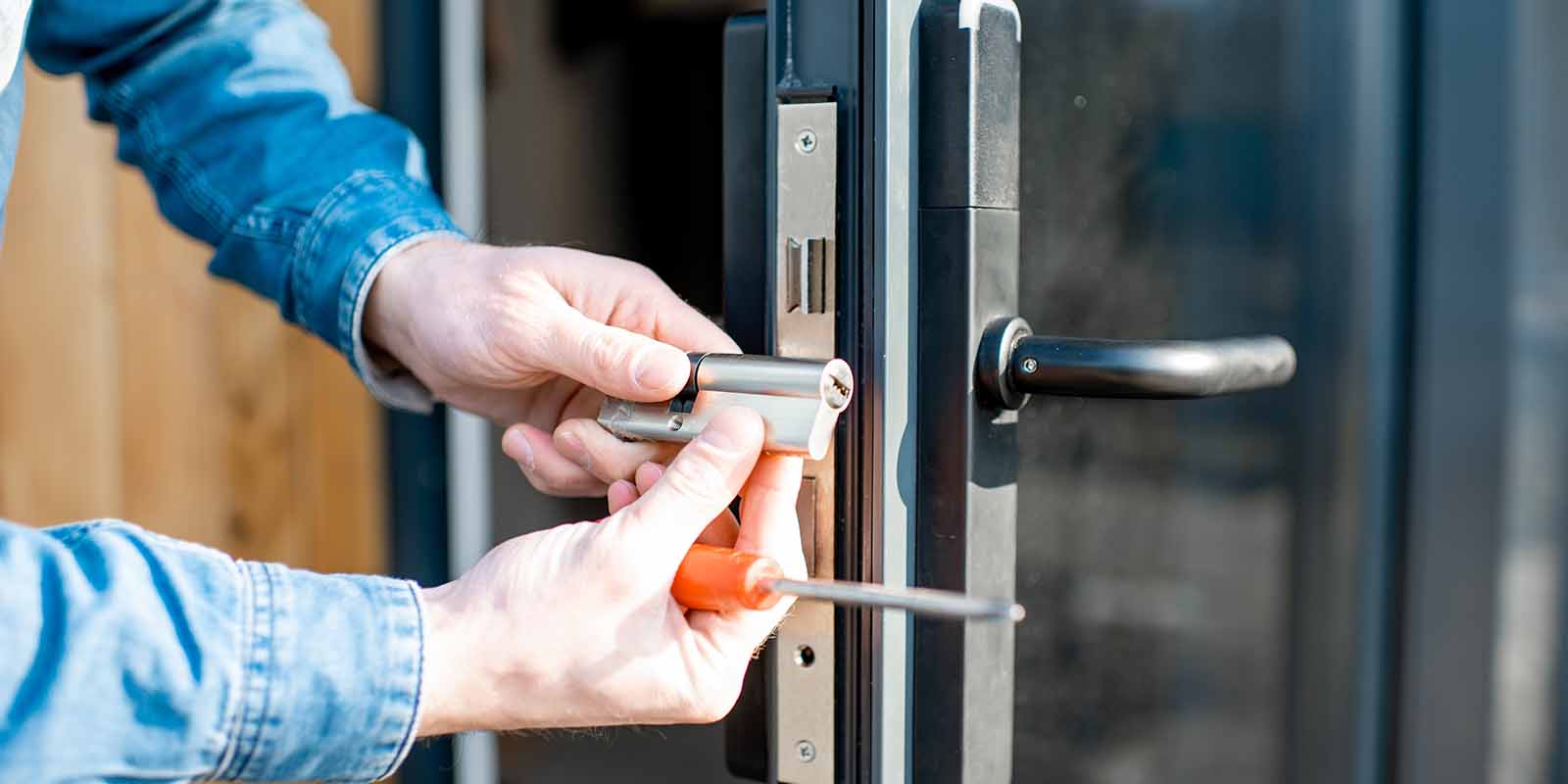

What Is a Multipoint Locking System?
Modern uPVC, composite, French and many conservatory doors use a multipoint locking system. A long locking strip runs down the edge of the door and, when the handle is lifted, several locking points engage simultaneously before the key secures the mechanism.
Related Guides
Components of a Multipoint Lock
A multipoint locking mechanism consists of numerous precision-engineered components working together every time the handle is operated. If one part begins to wear, it can affect the performance of the entire mechanism.
Major components include the gearbox, centre case, hooks, rollers, deadbolts, latch and connecting rods.
How Multipoint Locks Work
Although they appear simple from the outside, multipoint locks transfer movement through a series of internal components before engaging several locking points around the frame.
Understanding this process makes it easier to diagnose faults and appreciate why correct maintenance is so important.
Common Causes of Failure
Most multipoint lock failures develop gradually rather than occurring suddenly.
Increased resistance, stiff handles or doors that become progressively harder to lock usually indicate additional strain is being placed on the mechanism.
Common causes include:
- Poor door alignment
- Worn gearboxes
- General mechanical wear
- Lack of maintenance
- Worn hinges
- Door handle moves but won’t open door?
- Why won’t my door handle lift?
Gearboxes Explained
The gearbox is often described as the heart of the multipoint locking system.
It transfers movement from the handle and euro cylinder to every locking point throughout the mechanism.
When it begins to wear, the entire lock can become difficult to operate.
Repair or Replacement?
Many multipoint locking system faults can be repaired without replacing the complete mechanism.
Correct diagnosis is the key to selecting the most appropriate repair, whether that's replacing a gearbox, centre case, locking mechanism or correcting poor door alignment.
Related Guides
Maintenance
Routine maintenance helps reduce wear, keeps locking points operating smoothly and significantly lowers the likelihood of unexpected failures.
Simple cleaning, lubrication and early attention to alignment problems can greatly extend the life of the mechanism.
Related Guides
Frequently Asked Questions
What is a multipoint locking system?
A multipoint locking mechanism secures a door at several locations around the frame using a combination of hooks, rollers, deadbolts and a central gearbox.
Can one part be repaired?
Yes. Many faults involve only a single component, such as the gearbox or centre case, rather than the complete locking mechanism.
Why is my multipoint lock becoming stiff?
The most common causes are poor door alignment, worn components, lack of maintenance or normal internal wear within the mechanism.
Does a failed gearbox mean I need a new door?
No. In most cases the faulty gearbox or mechanism can be replaced without replacing the entire door.
Continue Reading
To build a complete understanding of multipoint locking systems, repairs and maintenance, continue with these related guides:
- The Complete Guide to Conservatory Door Repairs
- The Complete Guide to French Door Repairs
- The Complete Guide to Looking After Your uPVC and Composite Door – Simple Maintenance That Helps Your Door Last Longer
- The Complete Guide to French Door Security, Maintenance and Repairs
Conclusion
Multipoint locking systems are sophisticated pieces of engineering designed to provide excellent security, smooth operation and long-term reliability. By understanding how the individual components work together, recognising the early signs of wear and maintaining correct door alignment, homeowners can often prevent costly failures and extend the life of both the locking mechanism and the door itself. The guides above provide a complete reference for understanding, maintaining and repairing modern multipoint locking systems.