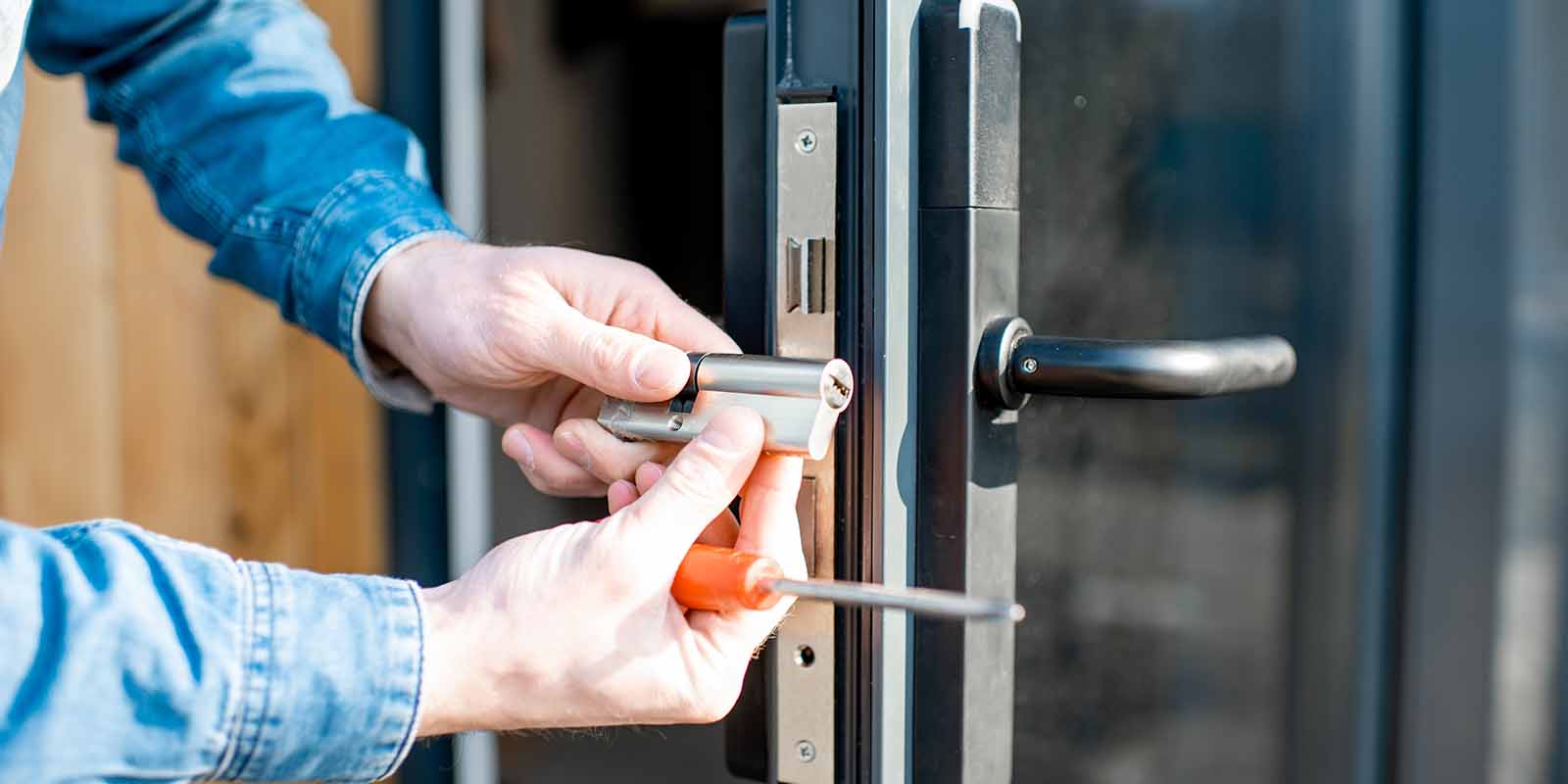
A Stiff Handle Can Lead to Lock Failure
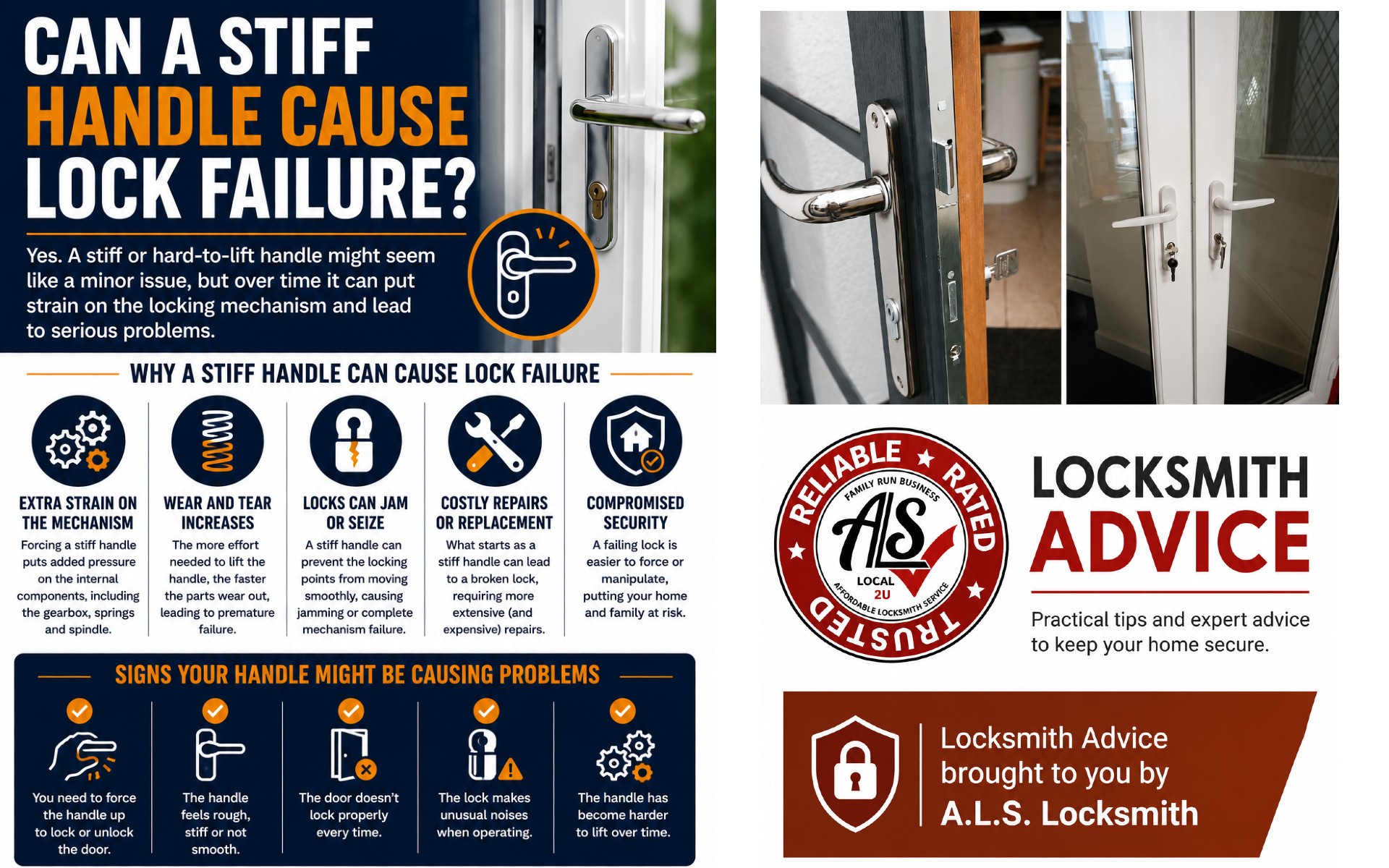
A door handle should lift smoothly with very little effort. If you've noticed your handle becoming stiff, difficult to lift, or requiring more force than usual, it's important not to ignore it.
While the handle itself may not be the cause of the problem, continuing to use a stiff handle can place excessive strain on the locking mechanism and eventually lead to lock failure.
Why Does a Handle Become Stiff?
A stiff handle is usually a symptom rather than the actual fault.
Common faults and causes include:
- A dropped door
- Poor door alignment
- A worn gearbox
- A failing multipoint locking mechanism
- Stiff locking points
- A faulty lock cylinder
Finding the underlying cause is the key to a lasting repair.– Every Door Problem Isn't a Lock Problem explains why replacing the first part that appears faulty isn't always the correct solution.
Every Time You Lift the Handle…
When a door is out of alignment or the locking mechanism is under strain, every lift of the handle forces the internal components to work harder than they were designed to.
Over time, this extra pressure can affect:
- The gearbox
- Internal linkages
- Hooks and rollers
- Door handles
- Locking points
Eventually, one of these components may fail completely.
A Stiff Handle Often Gets Worse
Many homeowners notice the handle becoming slightly stiff but continue using it because the door still locks.
Unfortunately, the problem rarely improves on its own.
Instead, you may begin to notice:
- The handle getting progressively harder to lift.
- The key becoming difficult to turn.
- Grinding or clicking noises.
- The door needing to be pushed or pulled to lock.
- The lock working intermittently.
These are all signs that the locking system is under increasing strain. If your lock has also become difficult to operate, – Why Is My Door Lock Stiff? explains the most common reasons and common door problems.
Don't Force the Handle
One of the biggest mistakes is using more force to make the door lock.
Repeatedly forcing the handle can cause:
- Gearbox failure
- Broken internal components
- Bent locking points
- Damaged handles
- A complete lockout
What may have started as a simple adjustment can quickly become a much larger repair. If your handle has already become difficult to lift,– Why Door Handle Won't Lift explains what may be happening inside the mechanism.
Door Alignment Is Often the Real Problem
A dropped or misaligned door is one of the most common reasons handles become stiff.
When the locking points don't line up correctly with the keeps, the mechanism has to overcome unnecessary resistance every time it's operated.
Correcting the alignment often restores smooth operation and removes the strain from the locking system. Learn more in – Why Door Alignment Matters.
Sometimes the Gearbox Has Already Been Damaged
If the handle has been stiff for some time, the gearbox may already have suffered internal wear.
Depending on the condition of the mechanism, the repair may involve:
- Replacing the gearbox
- Replacing the complete multipoint locking mechanism
- Realigning the door
- Replacing worn handles
- Replacing the lock cylinder if required
A proper inspection will identify which components need attention. – Door Lock Troubleshooting Guide explains how a locksmith diagnoses the fault before replacing parts.
Realignment Is Essential After the Repair
Replacing a gearbox or locking mechanism isn't the final step.
Once the repair has been completed, the door should always be checked and realigned where necessary.
This allows:
- The handle to lift effortlessly.
- The locking points to engage correctly.
- The key to turn smoothly.
- The new components to operate without unnecessary strain.
- The repair to last as long as possible.
Failing to correct the alignment can result in the new parts being subjected to the same conditions that caused the original failure. If your door only works properly when it's open,– Door Works Open but Not Closed explains why alignment is usually the underlying cause.
Don't Wait Until the Handle Won't Move
A stiff handle is one of the earliest warning signs that something is wrong with your door. The sooner the cause is identified, the more likely it is that the repair will be straightforward and cost-effective. Ignoring the problem or continuing to force the handle can lead to complete lock failure, leaving you with a door that won't lock—or worse, won't open. If you're seeing several of these warning signs,– Guide to Door Problems can help you understand the most likely cause before a minor issue turns into a major repair.