Introduction
One of the biggest misconceptions homeowners have is that if their front door becomes difficult to lock, the lock must be faulty.
In reality, the locking mechanism is often working exactly as it should.
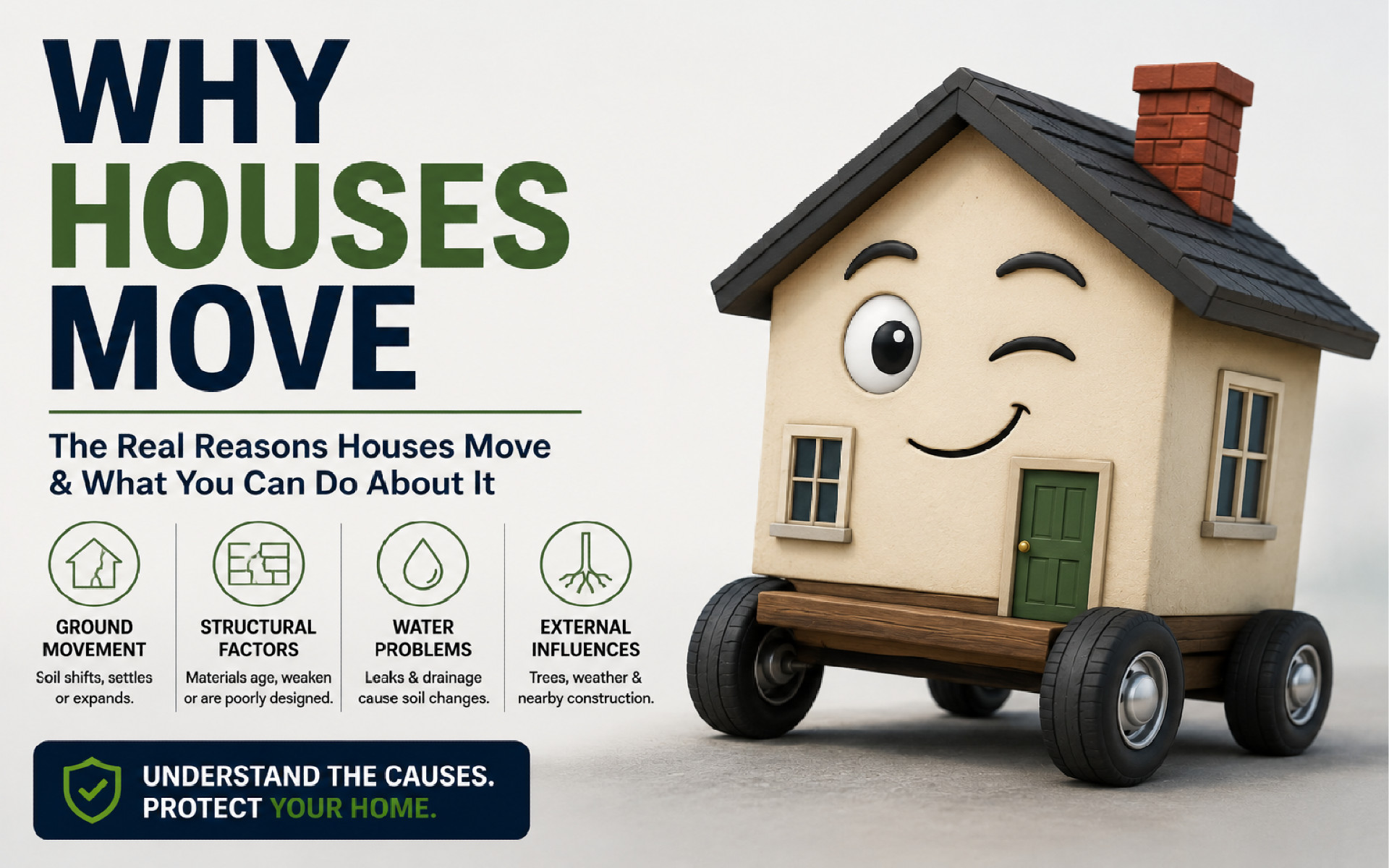
The problem is that the house has moved.
Every home moves throughout its lifetime. Some movement is so gradual that you never notice it until your front door starts rubbing on the frame, the handle becomes difficult to lift or the key becomes hard to turn.
Modern multipoint locking systems work to incredibly fine tolerances. A movement of only a few millimetres can be enough to place significant strain on the gearbox, locking points and handles.
Understanding why houses move helps explain why door alignment is such an important part of maintaining a uPVC or composite door.
Houses Are Always Moving
No building remains perfectly still.
Movement can occur because of:
- Seasonal temperature changes.
- Changes in ground moisture.
- Natural settlement.
- Expansion and contraction of building materials.
- Structural alterations.
- Wind loading.
- Daily heating and cooling.
Most movement is completely normal and happens over many years.
The important thing is understanding how that movement affects your door.
How Foundations Affect Doors
Every house sits on foundations.
Although designed to support the building, foundations still move slightly over time.
This movement may be caused by:
- Clay soils expanding and shrinking.
- Changes in groundwater.
- Tree roots removing moisture.
- Long-term settlement.
- Nearby building work.
Even tiny movements at foundation level can alter the position of door openings higher up the building.
The result may be:
- Uneven gaps.
- Doors rubbing.
- Difficult locking.
- Increased pressure on the locking mechanism.
Fortunately, this type of movement is usually gradual and can often be compensated for by correctly adjusting the door.
Timber Frame vs Brick Houses
Different construction methods behave differently.
Timber Frame Homes
Timber is a natural material.
It expands and contracts as moisture levels change.
As timber dries, it can shrink slightly.
As humidity increases, it expands again.
This seasonal movement often affects:
- Door openings.
- Window openings.
- Door alignment.
Modern timber frame homes are designed with this movement in mind, but minor adjustments to doors are sometimes required as the building settles.
Traditional Brick Homes
Brick buildings move differently.
Instead of expanding and contracting with moisture like timber, brickwork is more influenced by:
- Foundation settlement.
- Thermal expansion.
- Structural movement.
Although movement tends to be slower, it can still alter the alignment of external doors over time.
Why Extensions Affect Door Alignment
Extensions often settle at different rates from the original house.
Even when built correctly, the original building may have settled decades ago, while the extension is still undergoing its initial movement.
This difference can place stress where the two structures meet.
If a door is positioned within or close to that area, you may notice:
- Doors rubbing.
- Uneven gaps.
- Handles becoming stiff.
- Locks becoming difficult to operate.
The lock isn't usually at fault.
The door has simply moved with the building.
Seasonal Moisture Movement
The weather plays a much bigger role than many homeowners realise.
During prolonged wet periods:
- Timber absorbs moisture.
- Clay soils expand.
- Building materials swell slightly.
During hot, dry weather:
- Timber dries out.
- Clay soils shrink.
- Materials contract.
These small changes affect the relationship between the door and its frame.
Many customers tell me:
"It only sticks in winter."
or
"It locks perfectly during the summer."
That's because the building itself changes slightly throughout the year.
Why Conservatories Move More
Conservatories experience much greater temperature changes than the rest of the house.
During summer they become extremely warm.
During winter they cool rapidly.
Because of this:
- Frames expand more.
- Roof structures move.
- Foundations experience larger temperature variations.
This makes conservatory doors particularly prone to alignment issues.
Fortunately, many simply require periodic adjustment rather than expensive replacement parts.
Why South-Facing Doors Need More Adjustment
South-facing doors receive the greatest amount of direct sunlight.
Over many years this repeated heating and cooling cycle causes more expansion and contraction than doors on other elevations.
The effects include:
- Greater thermal movement.
- Slight frame distortion.
- Increased hinge wear.
- Changes in compression against the weather seals.
This is one reason why south-facing doors often require adjustment more frequently than north-facing doors.
It doesn't mean the door is poor quality.
It's simply working in more demanding conditions.
How House Movement Affects Door Lock Systems
Modern multipoint locks are designed to operate with very little resistance.
As the house moves, the door may no longer line up perfectly with the frame.
The locking points begin rubbing against the keeps instead of entering them cleanly.
That extra resistance is transferred directly into:
- The gearbox.
- The handles.
- The spindle.
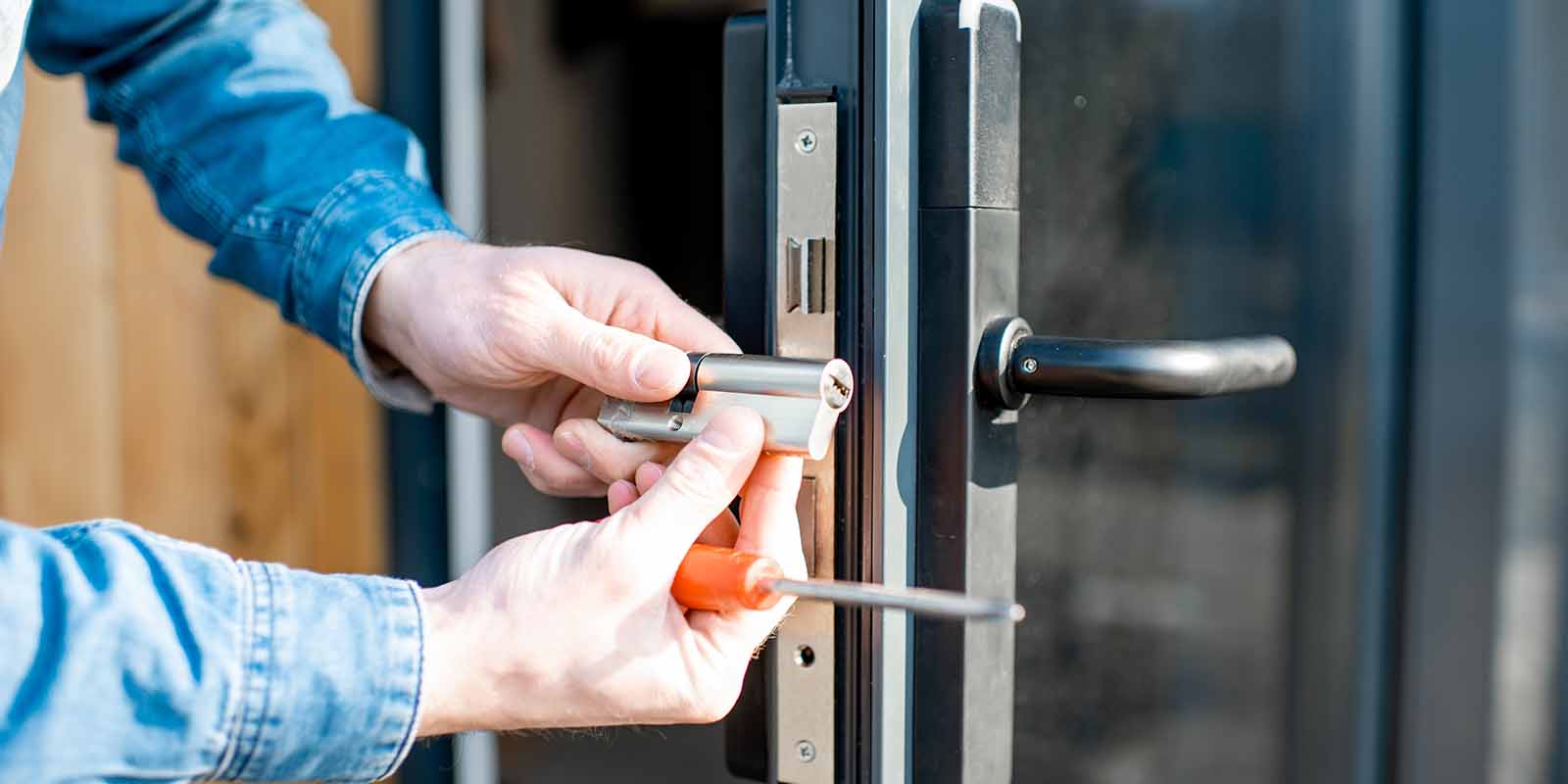
- The euro cylinder.
- The locking points.
Over time, the mechanism is forced to work harder every time you lift the handle.
Eventually components begin to wear prematurely.
This is why so many gearbox failures actually begin with poor alignment rather than faulty manufacturing.
Early Warning Signs
Watch out for:
- The handle becoming harder to lift.
- The key becoming difficult to turn.
- The door catching the threshold.
- Rubbing at the top or bottom.
- The door only locking when lifted.
- The lock working better with the door open.
- Handles not returning properly.
- Grinding noises during locking.
These symptoms often appear long before the gearbox actually fails.
Preventing Premature Lock Failure
Small adjustments made early can dramatically extend the life of the locking mechanism.
Regular maintenance should include:
- Checking hinge adjustment.
- Inspecting door gaps.
- Ensuring the locking points engage smoothly.
- Lubricating moving parts.
- Correcting alignment before excessive strain develops.
A properly aligned door places very little stress on its locking mechanism.
Don't Blame the Lock Too Quickly
One of the most common mistakes is replacing the lock before checking the door alignment.
I've attended countless jobs where homeowners believed they needed:
- A new euro cylinder.
- New handles.
- A complete locking mechanism.
- Even a new door.
In reality, many only required a careful realignment.
Correcting the alignment often transforms how a door feels to operate and significantly reduces wear on the locking system.
Conclusion
Houses naturally move throughout their lives, whether through seasonal weather changes, foundation settlement, timber movement or thermal expansion. These small movements are usually harmless to the building itself but can have a significant effect on uPVC and composite door alignment. Because modern multipoint locking systems work to very fine tolerances, even slight changes in the position of the door can increase strain on the gearbox, handles and locking points. Understanding how your home affects your door is the first step towards preventing unnecessary lock failures and extending the life of your door's locking system.