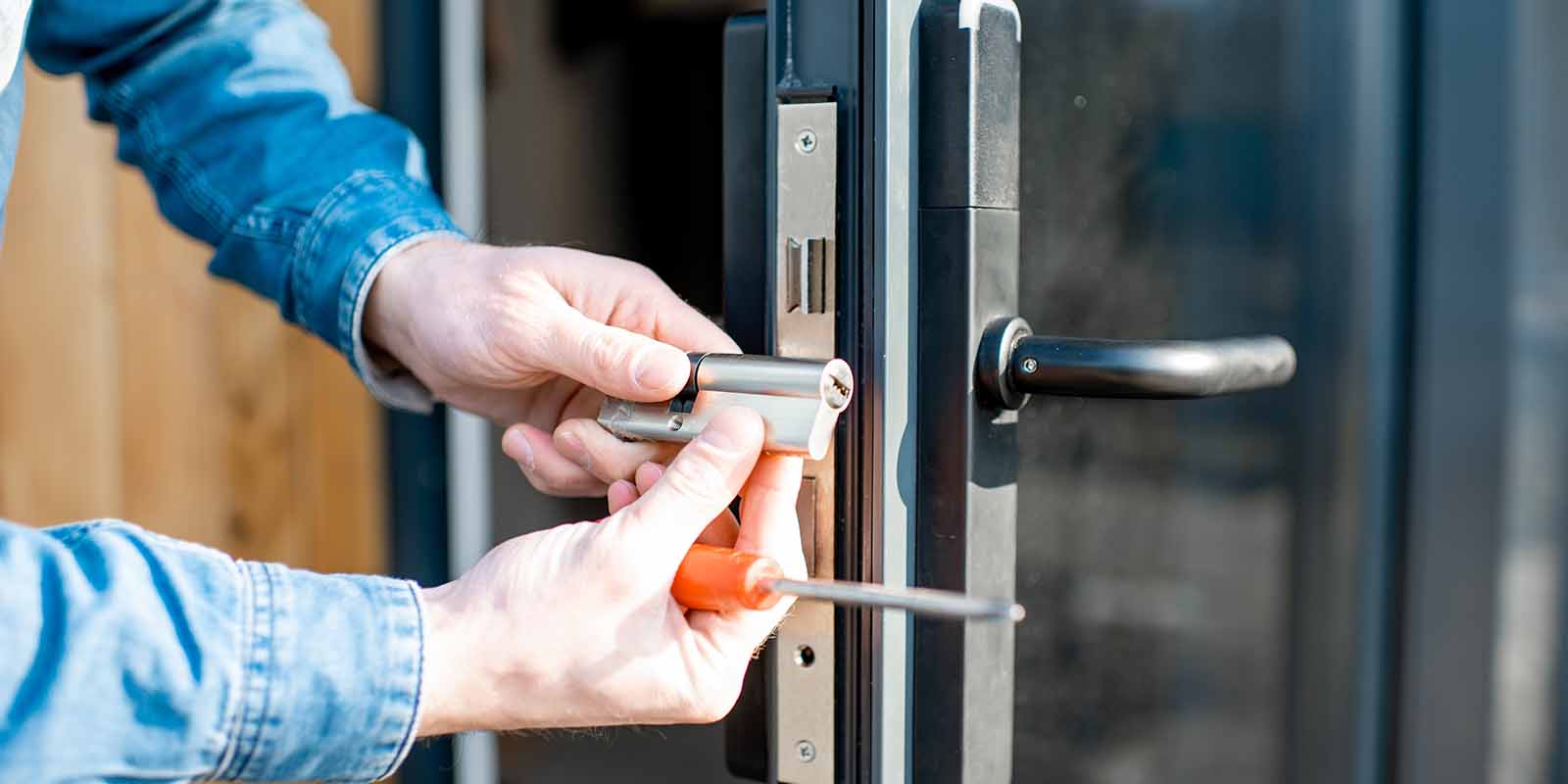
uPVC Door Problem Diagnosis
Why Correct Diagnosis Matters
When a uPVC or composite door develops a fault, it's easy to assume the most obvious component has failed. Drooping handles must mean broken handles. A key that won't turn must mean a faulty lock. A jammed door must need a new mechanism.
In reality, that's often not the case.
Many door problems produce similar symptoms but have completely different causes. Replacing the wrong part won't solve the problem and can result in unnecessary expense.
A proper diagnosis identifies the root cause before any repairs are carried out.
Start With the Symptoms
Below are some of the most common symptoms and their likely causes.
The Door Won't Lock
Possible causes:
- Door out of alignment.
- Failed gearbox.
- Worn locking mechanism.
- Misaligned keeps.
- Broken handles.
- Faulty euro cylinder.
The Key Turns but the Door Won't Open
Possible causes:
- Broken gearbox.
- Failed internal cam.
- Broken gate inside the gearbox.
- Seized locking point.
- Jammed mechanism.
The euro cylinder is often blamed, but many times it isn't the fault.
The Handle Won't Lift
Possible causes:
- Door dropped.
- Locking points binding.
- Failed gearbox.
- Worn handles.
- Incorrect compression.
The Handles Have Dropped
Possible causes:
- Broken spring cassette.
- Worn handle backplate.
- Failed gearbox.
- Broken spindle.
The Door Only Locks When Lifted
Possible causes:
- Door has dropped.
- Poor hinge adjustment.
- Frame movement.
- Misaligned keeps.
The Door Locks With the Door Open but Not Closed
This almost always points towards an alignment issue rather than a faulty lock.
The Key Is Difficult to Remove
Possible causes:
- Worn cylinder.
- Door alignment.
- Gearbox wear.
- Damaged key.
The Lock Feels Stiff
Possible causes:
- Poor alignment.
- Gearbox wear.
- Lack of lubrication.
- Seized locking points.
The Door Has Jammed Shut
Possible causes:
- Failed gearbox.
- Broken internal components.
- Seized locking point.
- Broken mechanism.
Many jammed doors can be opened without damaging the door.
Diagnosing the Cause
A specialist locksmith won't simply replace parts until the problem disappears.
Instead they'll ask questions such as:
- Does it lock with the door open?
- Is the handle stiff?
- Has the door dropped?
- Do the locking points move?
- Does the key turn normally?
- Are the handles returning correctly?
- Is the latch retracting?
Each answer helps narrow down the actual fault.
The Most Common Faults
After repairing thousands of uPVC and composite doors, these are among the faults seen most often:
Door Alignment
The number one cause of premature lock failure.
Failed Gearboxes
Usually caused by years of wear or prolonged strain.
Worn Handles
Often mistaken for gearbox failure.
Incorrectly Sized Cylinders
Can reduce security and cause operational issues.
Obsolete Mechanisms
Often repairable using compatible parts.
Worn Hinges
Allow the door to drop over time.
Misaligned Keeps
Cause unnecessary strain on the locking mechanism.
Seized Hooks and Rollers
Usually repairable with cleaning or replacement.
Why Diagnosis Saves Money
Correct diagnosis often means replacing a £30–£80 component instead of recommending:
- A complete mechanism.
- A new door.
- New handles.
- A new cylinder.
Sometimes the repair is simply adjusting the hinges or repositioning the frame keeps.
Common Misdiagnoses
| Symptom | Often Assumed | Actual Cause |
|---|---|---|
| Drooping handles | Broken handles | Failed gearbox or worn spring cassette |
| Door won't lock | Faulty lock | Poor alignment |
| Key won't turn | Broken cylinder | Gearbox failure |
| Door jammed shut | Broken cylinder | Failed gearbox |
| Door difficult to close | Faulty mechanism | Door dropped |
| Stiff handle | Gearbox | Keeps out of alignment |
Repair Before Replace
Many customers are advised they need:
- A new front door.
- A complete locking mechanism.
- A new frame.
Quite often, none of those are necessary.
Many doors can be repaired by:
- Replacing a gearbox.
- Fitting new handles.
- Replacing the cylinder.
- Realigning the door.
- Adjusting the keeps.
- Servicing the mechanism.
- Replacing worn locking points.
The Importance of Experience
Modern uPVC and composite doors use hundreds of different locking mechanisms from many manufacturers.
Being able to identify:
- The brand.
- Backset.
- Lock centres.
- Locking points.
- Gearbox type.
allows a specialist locksmith to diagnose faults quickly and source the correct replacement parts.
Experience also helps when dealing with obsolete mechanisms that many people believe can no longer be repaired.
Conclusion
Diagnosing a uPVC door problem is about much more than identifying a broken part. The lock, gearbox, handles, hinges, keeps and door alignment all work together, and a fault in one area often affects another. By identifying the underlying cause rather than simply replacing the most obvious component, many doors can be repaired quickly and economically. In many cases, what appears to be a major failure turns out to be a straightforward repair.
Need Your uPVC Door Diagnosed?
If your uPVC or composite door won't lock, has jammed shut, the handles have dropped or the key has become difficult to turn, a proper diagnosis is the first step towards a lasting repair. At A.L.S. Locksmiths, every job begins with identifying the actual cause of the problem before any parts are replaced. Whether the issue is poor alignment, a failed gearbox, worn handles or an obsolete mechanism, the aim is always to repair the door wherever practical and avoid unnecessary replacement.