uPVC Door Mechanism Repair
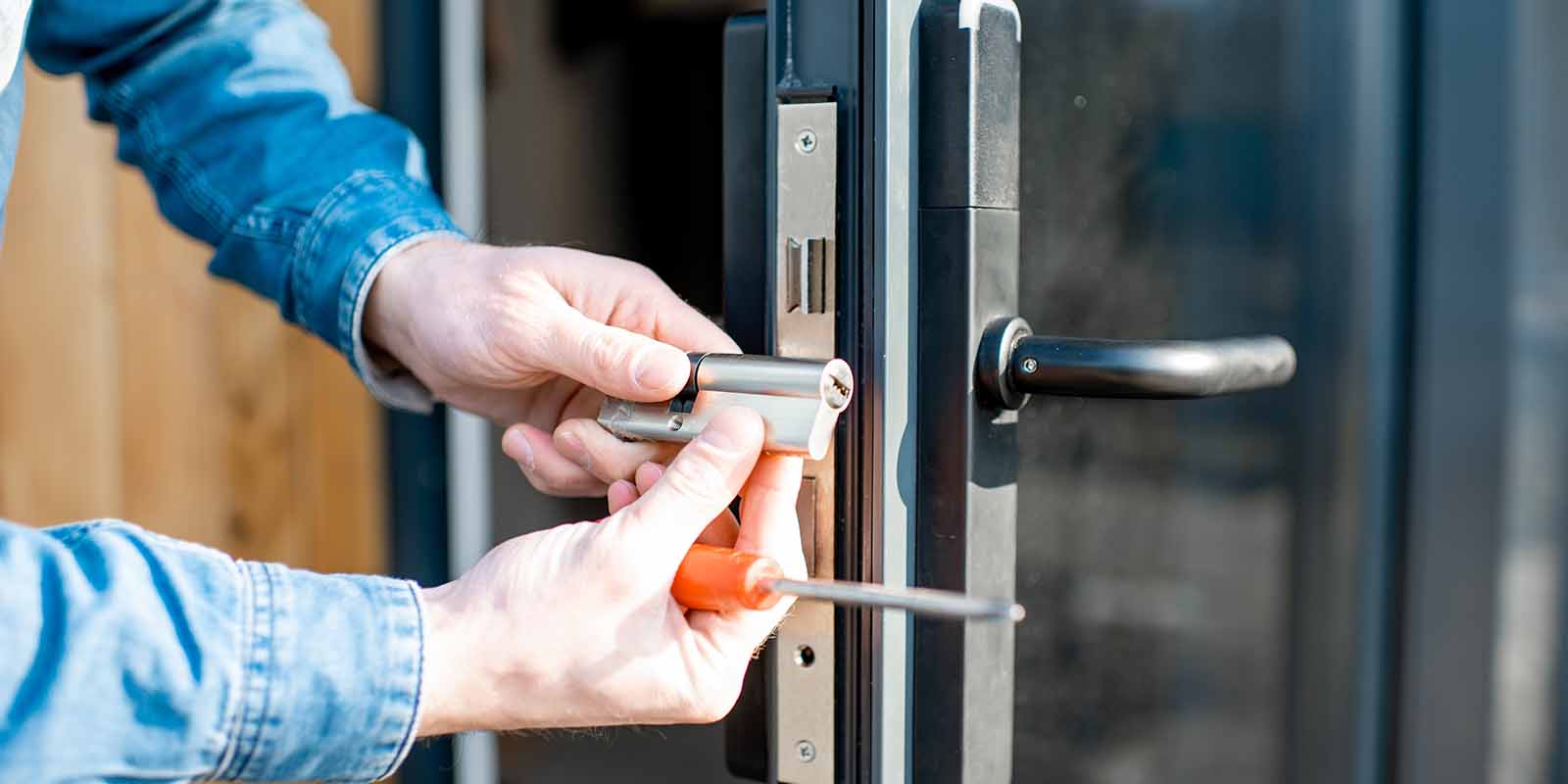
A faulty uPVC door mechanism doesn't automatically mean you need a new door. In many cases, mechanism problems can be repaired by replacing worn components, realigning the door or fitting a replacement multipoint locking mechanism.
If your door has become difficult to lock, the handle feels stiff or the mechanism has stopped working altogether, the most important step is identifying the cause before replacing any parts.
If you're unfamiliar with how these locking systems work, start with What Is a Multipoint Door Lock Mechanism?, Everything You Need to Know About Multipoint Locking Systems and The Complete Guide to Multipoint Locking Systems before reading this guide.
What Is a uPVC Door Mechanism?
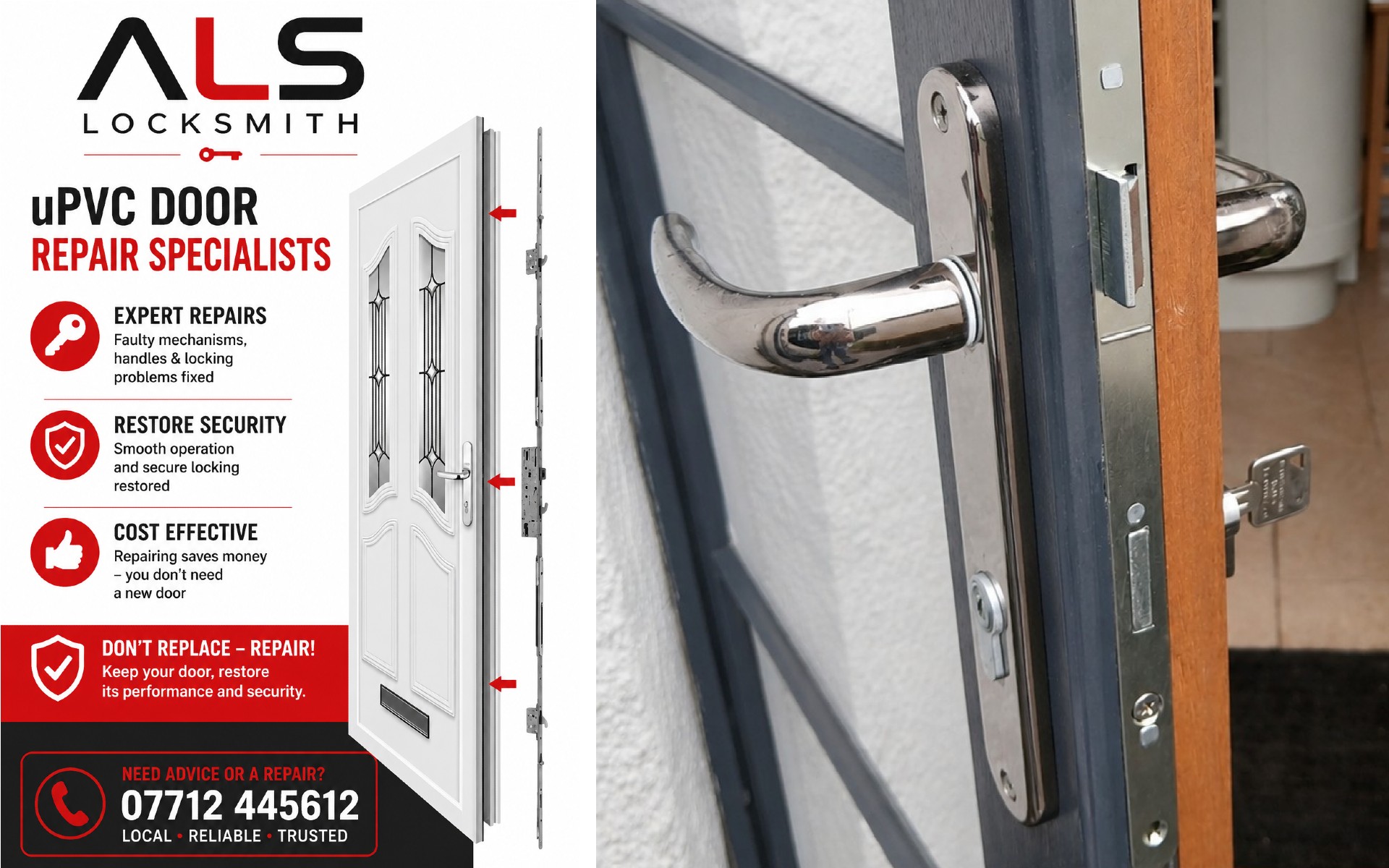
The door mechanism, also known as the multipoint locking mechanism, is the long metal strip fitted into the edge of the door.
It contains several components working together, including:
- The gearbox
- Hooks
- Rollers
- Deadbolts
- The latch
- Connecting rods and linkages
When you lift the handle and turn the key, these components work together to secure the door at multiple locking points along its full height.
For a broader understanding of door locks, see The Complete Guide to uPVC Door Locks.
Signs Your Door Mechanism Needs Repair
Most mechanisms give warning signs long before they stop working completely.
Common symptoms include:
- The handle becoming difficult to lift
- The key becoming stiff or difficult to turn
- The door becoming harder to lock
- The handle moving but the lock not operating
- Locking points failing to engage
- Grinding, clicking or crunching noises
- The door refusing to lock or unlock properly
Ignoring these symptoms often allows a minor problem to develop into a complete lock failure.
Common uPVC Door Mechanism Repairs
Depending on the fault, repairs may involve:
- Gearbox replacement
- Complete multipoint locking mechanism replacement
- Euro cylinder replacement
- Door handle replacement
- Door realignment
- Replacement of obsolete locking mechanisms
Accurate diagnosis ensures only the faulty components are replaced, helping keep repair costs to a minimum.
Related guides:
- uPVC and Composite Door Gearboxes Explained
- Can You Replace Just the Locking Mechanism?
- Can a Locksmith Repair a Multipoint Lock?
Gearbox or Complete Mechanism?
One of the most common repairs is replacing a worn or failed gearbox.
However, if the mechanism has:
- Broken hooks
- Worn rollers
- Seized locking points
- Broken connecting rods
- Extensive internal wear
then replacing the complete multipoint locking mechanism is often the better long-term solution.
Understanding how these components work together can help explain why a complete replacement is sometimes recommended.
Further reading:
Why Do Door Mechanisms Fail?
Most uPVC door mechanisms don't simply wear out through age alone.
They usually fail because years of normal use are combined with additional strain caused by poor door alignment.
Common causes include:
- Everyday use
- A dropped door
- Worn hinges
- Poor alignment
- Forcing a stiff handle
- Lack of maintenance
Many mechanisms would last significantly longer if the door remained correctly adjusted throughout its life.
Don't Ignore a Stiff Handle
A stiff handle is often one of the earliest warning signs that something isn't right.
Many homeowners continue forcing the handle because the door still locks.
Unfortunately, this places extra strain on:
- The gearbox
- Internal linkages
- Hooks and rollers
- Door handles
Eventually one of these components fails completely, turning a relatively simple repair into a much larger job.
Early diagnosis is almost always quicker and more cost-effective.
Door Realignment Is a Vital Part of the Repair
Replacing the mechanism alone isn't enough if the door is out of alignment.
If the door has dropped or shifted, a new mechanism will immediately begin working under the same unnecessary strain as the old one.
Following every mechanism repair, the door should be checked to ensure:
- The handle lifts smoothly
- The key turns freely
- Every locking point engages correctly
- The mechanism operates without resistance
- The replacement components achieve their maximum lifespan
For more information, read The Complete Guide to Door Alignment and Lock Performance.
Older Mechanisms Can Often Be Repaired or Replaced
Many older uPVC doors use mechanisms that are no longer manufactured.
That doesn't automatically mean the door needs replacing.
Depending on the make and model, it may be possible to:
- Source compatible replacement mechanisms
- Upgrade obsolete locking systems
- Replace individual components
- Adapt newer mechanisms where appropriate
Many older doors can continue providing reliable service for many more years with the correct parts.
To understand why replacement parts aren't always interchangeable, see:
- Why No Two Door Mechanisms Are Exactly the Same
- A–Z of Multipoint Lock Manufacturers
- A–Z of Door Locking Mechanisms – The Complete Homeowner's Guide
- Understanding Multipoint Lock Types: Lever Lever, Lever Pad, Split Spindle and Keywind Explained
French and Conservatory Door Mechanisms
Multipoint locking mechanisms aren't used only on standard uPVC doors.
French doors and conservatory doors use similar systems, although they often feature longer mechanisms or additional locking points.
Related guides:
- Repairing French Door Lock Mechanisms: Everything You Need to Know About French Door Lock Repairs
- Conservatory Door Lock Repairs Explained: Repairing Multipoint Locks Without Replacing the Door
Repair the Mechanism – Keep the Door
A faulty uPVC door mechanism is one of the most common door problems, but it's rarely a reason to replace the entire door. Whether the repair involves replacing a gearbox, fitting a complete multipoint locking mechanism or upgrading an obsolete system, most doors can be restored to smooth, reliable operation. Identifying the real cause of the fault, using the correct replacement parts and ensuring the door is properly aligned afterwards will usually provide many more years of dependable security.
For further reading, explore these related guides:
- What Is a Multipoint Door Lock Mechanism?
- The Complete Guide to uPVC Door Locks
- uPVC and Composite Door Gearboxes Explained
- Hooks, Rollers and Deadbolts – What's the Difference?
- A–Z of Multipoint Lock Manufacturers
- Understanding Multipoint Lock Types: Lever Lever, Lever Pad, Split Spindle and Keywind Explained
- The Science of Multipoint Door Locks
- Everything You Need to Know About Multipoint Locking Systems (updated guide)
- A–Z of Door Locking Mechanisms – The Complete Homeowner's Guide
- The Complete Guide to Multipoint Locking Systems