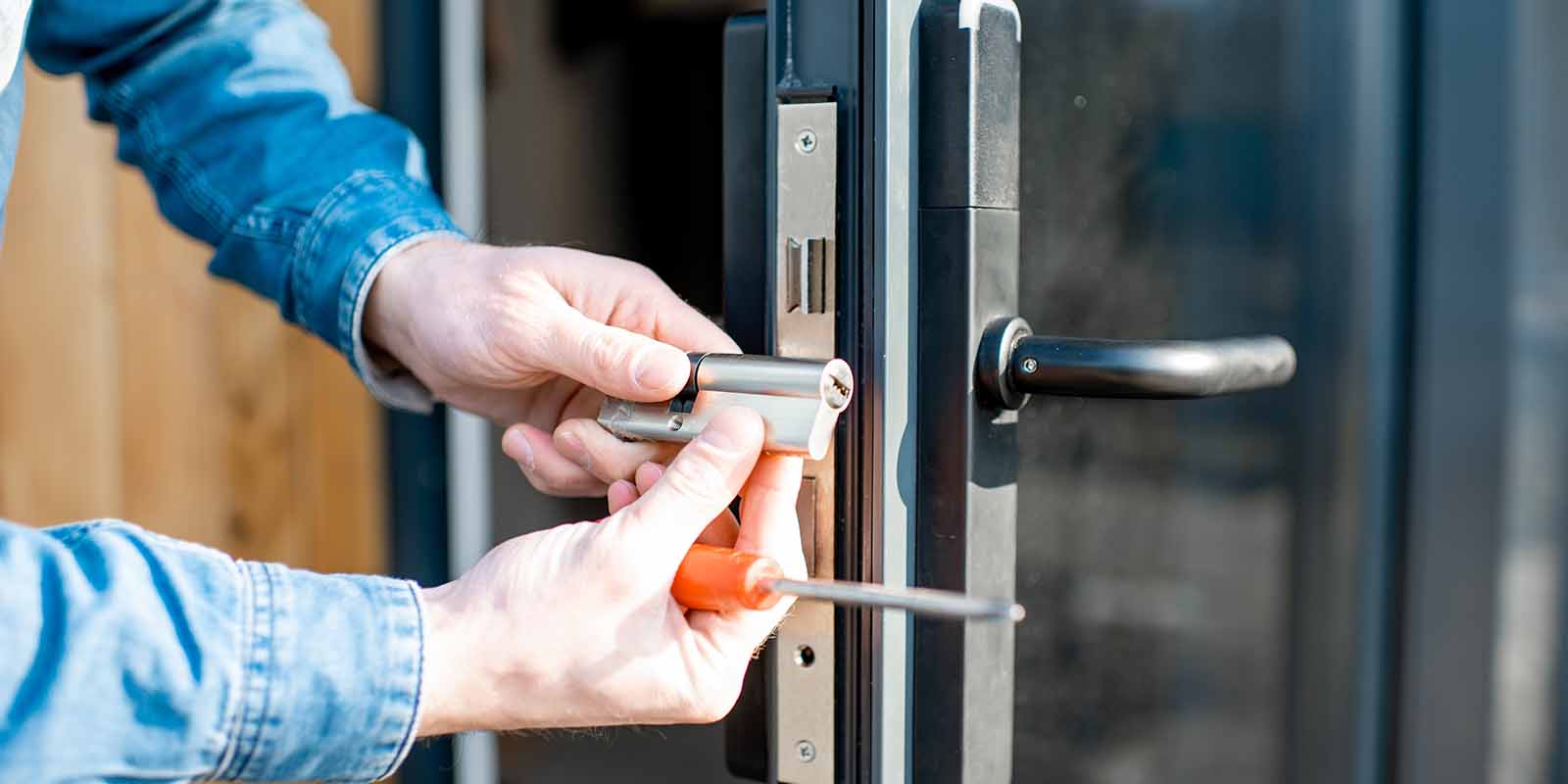

Can You Replace Just the Locking Mechanism?
Yes—in many cases you can replace just the locking mechanism without replacing the entire door.
It's a common misconception that a faulty uPVC or composite door needs replacing when the lock fails. In reality, the door itself is often in perfectly good condition. The problem usually lies with the multipoint locking mechanism fitted inside the edge of the door.
Replacing the mechanism is normally much quicker and considerably more cost-effective than installing a completely new door.
If you're unfamiliar with how multipoint locking systems work, start with Everything You Need to Know About Multipoint Locking Systems and The Complete Guide to Multipoint Locking Systems before reading this guide.
What Is the Locking Mechanism?
The locking mechanism is the long metal strip fitted into the edge of a uPVC, composite, French or conservatory door.
It contains several working components, including:
Together, these components secure the door at multiple locking points whenever the handle is lifted and the key is turned.
For a broader overview of these systems, see The Complete Guide to uPVC Door Locks.
When Can Just the Locking Mechanism Be Replaced?
If the door and frame are still in good condition, replacing only the locking mechanism is often the best solution.
- The gearbox has failed
- The locking points have worn out
- The mechanism has become stiff
- Internal components have broken
- The door won't lock properly
- The door won't unlock
In many cases, replacing the mechanism restores the door to smooth, reliable operation without replacing the entire door.
Sometimes Only the Gearbox Needs Replacing
Not every fault requires a complete multipoint locking mechanism.
If the rest of the mechanism remains in good condition, replacing only the gearbox may solve the problem.
However, if there are:
- Broken connecting rods
- Worn hooks or rollers
- Seized locking points
- Extensive internal wear
- An obsolete gearbox with no suitable replacement available
then replacing the complete mechanism is usually the better long-term repair.
To understand the difference, read:
What About Older Doors?
Many older uPVC and composite doors use locking mechanisms that are no longer manufactured.
That doesn't automatically mean the door needs replacing.
Depending on the door, it may be possible to:
- Source genuine replacement mechanisms
- Fit compatible alternatives
- Upgrade to a newer mechanism
- Adapt replacement components where appropriate
Many doors that are more than 20 years old can still be repaired successfully with the correct parts.
Because replacement parts vary significantly between manufacturers, accurate identification is essential.
Related guides include:
- Why No Two Door Mechanisms Are Exactly the Same
- A–Z of Multipoint Lock Manufacturers
- Understanding Multipoint Lock Types
Door Realignment Is Just as Important
Replacing the locking mechanism is only part of the repair.
Many mechanisms fail because the door has gradually dropped and the lock has been operating under excessive strain for months or even years.
After fitting a replacement mechanism, the door should always be checked and adjusted where necessary.
Correct alignment allows:
- The handle to lift smoothly
- The key to turn freely
- Every locking point to engage correctly
- Less strain on the gearbox
- Maximum lifespan for the replacement mechanism
Without correcting the underlying alignment issue, the new mechanism may eventually suffer the same failure as the original.
When Does the Whole Door Need Replacing?
Replacing the entire door is usually only necessary if:
- The door has significant structural damage
- The frame is beyond economical repair
- The door has severe warping
- Previous damage makes repair impractical
A failed multipoint locking mechanism on its own is not normally a reason to replace the entire door.
French and Conservatory Doors Can Often Be Repaired Too
The same principles apply to French doors and conservatory doors.
These doors also use multipoint locking mechanisms, and in many cases the mechanism, gearbox or individual components can be repaired or replaced without replacing the door itself.
Further reading:
We Fix the Problem – You Keep the Door
Our approach is straightforward. If your door can be repaired safely, securely and economically, replacing the locking mechanism is often the most sensible solution. Whether the repair involves fitting a new gearbox, replacing the complete multipoint locking mechanism, installing a new euro cylinder, replacing worn handles or correcting poor door alignment, most doors can be restored to full working order without the unnecessary expense of a replacement door.
For more information, you may also find these guides helpful:
- What Is a Multipoint Door Lock Mechanism?
- The Complete Guide to uPVC Door Locks
- uPVC and Composite Door Gearboxes Explained
- Hooks, Rollers and Deadbolts – What's the Difference?
- A–Z of Multipoint Lock Manufacturers
- Understanding Multipoint Lock Types: Lever Lever, Lever Pad, Split Spindle and Keywind Explained
- The Science of Multipoint Door Locks
- Everything You Need to Know About Multipoint Locking Systems
- A–Z of Door Locking Mechanisms – The Complete Homeowner's Guide
- Can a Locksmith Repair a Multipoint Lock?
- The Complete Guide to Multipoint Locking Systems