-–-Part-2-(E–L).jpg "The Complete Door & Lock Glossary (A–Z) – Part 2 (E–L)")
Understanding Door and Lock Terminology for Homeowners
Part 2 continues our comprehensive A–Z glossary, explaining the door and lock terms most commonly used by locksmiths, manufacturers and door engineers. Whether you're fault finding and repairing a uPVC door, replacing a composite door mechanism or simply learning how your locking system works, these definitions will help you understand exactly what each component does.
E
Electronic Multipoint Lock
What it is
A multipoint locking mechanism operated electronically rather than by a traditional key. It combines electronic access control with the security of a multipoint locking system.
Why it matters
Electronic multipoint locks offer convenient keyless entry while maintaining high levels of security. They are becoming increasingly popular in modern homes and apartment developments.
Commonly Found On
- Composite doors
- Apartment entrances
- Smart homes
Related Complete Guides
- Complete Guide to Multipoint Locking Systems
- Complete Guide to Door Locks
- Complete Guide to Home Door Security
ERA
What it is
ERA is a long-established British manufacturer of locks, cylinders, multipoint locking mechanisms and home security products.
Why it matters
ERA products are fitted to millions of homes throughout the UK and many replacement parts remain readily available.
Related Complete Guides
- A–Z of Multipoint Lock Manufacturers
- Complete Guide to Door Locks
- Complete Guide to Multipoint Locking Systems
ERA Vectis
What it is
A specific ERA multipoint locking system commonly fitted to composite and uPVC doors.
Why it matters
Several versions exist, making correct identification essential before replacement. Known for being problematic.
Escutcheon
What it is
A protective plate surrounding a keyhole or euro cylinder.
Why it matters
Security escutcheons protect the cylinder from attack and improve the appearance of the door.
Euro Cylinder
What it is
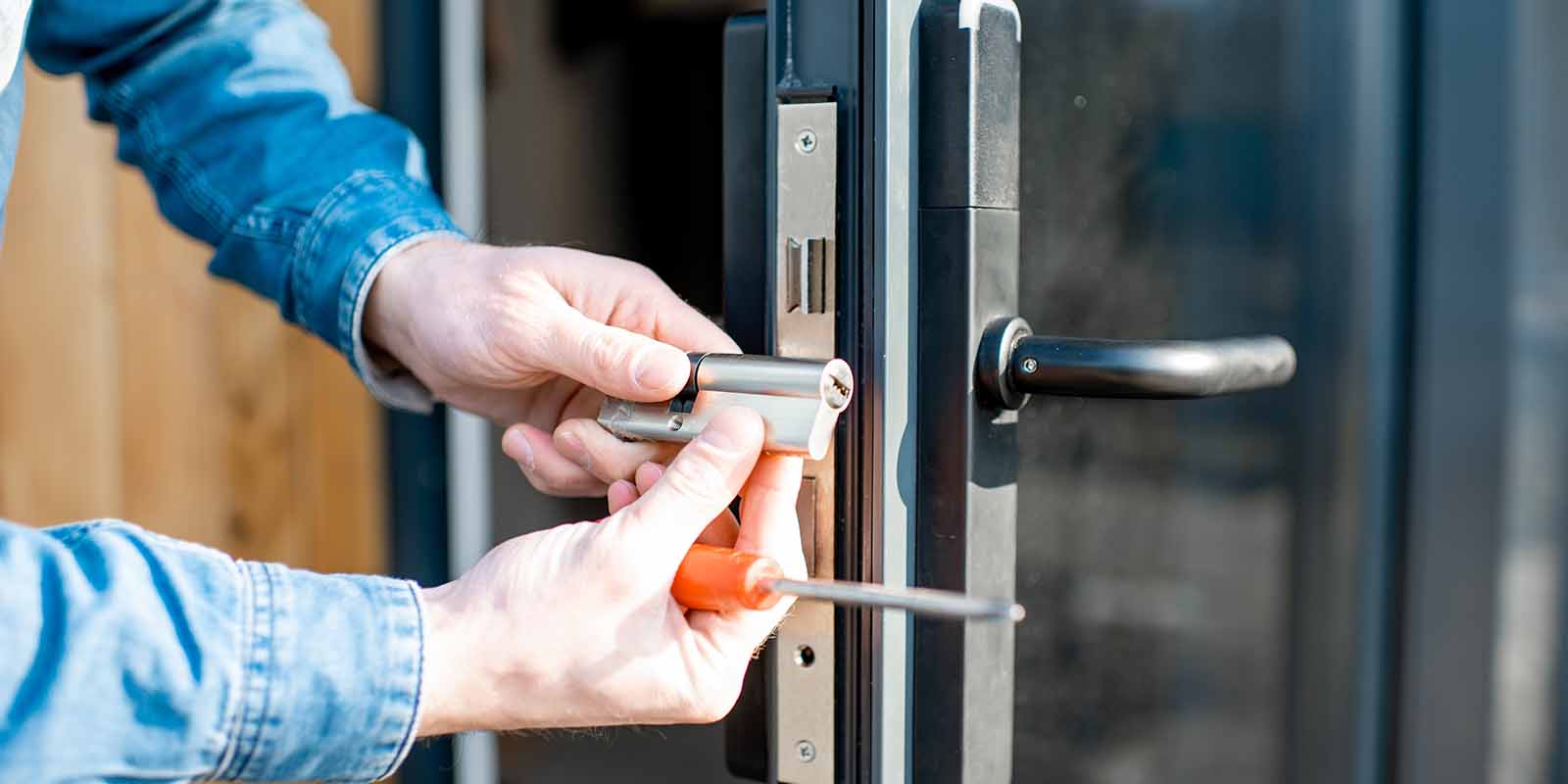
The removable lock cylinder fitted to most modern uPVC, composite and many timber doors. It operates the multipoint locking mechanism and is secured by a single retaining screw.
Why it matters
Replacing the cylinder is one of the quickest ways to improve door security, provided the correct size and security rating are chosen.
Common Types
- Double cylinder
- Thumbturn cylinder
- Half cylinder
- Emergency function cylinder
- TS007 3-Star cylinder
Related Guides
- Complete Guide to Euro Cylinder Door Locks
- A–Z of Euro Cylinders
- A–Z of Euro Cylinder Brands
- Complete Guide to Home Door Security
- A–Z of Cylinder Lock Types
- A–Z of Burglary Prevention
Euro Double Cylinder
What it is
A euro cylinder operated by a key from both sides.
Why it matters
Common on front and rear entrance doors.
Euro Single Cylinder
What it is
A cylinder with a key on one side and a blank end on the other.
Why it matters
Often fitted where access is only required from one side.
Euro Thumb Turn
What it is
A euro cylinder with a thumb turn on the inside and a key outside.
Why it matters
Allows quick exit without searching for keys.
Euro Lock Case
What it is
A lock case designed to accept a euro cylinder.
Why it matters
Commonly used on timber entrance doors.
F
Fab & Fix
What it is
A well-known manufacturer of door furniture including handles, letterplates and security hardware.
Why it matters
Often fitted as original equipment on composite and uPVC doors.
Faceplate
What it is
The visible metal strip running down the edge of a multipoint locking mechanism.
Why it matters
The faceplate supports the locking strip and provides important identification details such as the manufacturer. Its width and length are essential measurements when replacing a locking mechanism.
Related Complete Guides
- Complete Guide to Door Components & Hardware
- Complete Guide to Multipoint Locking Systems
- A–Z of Multipoint Lock Manufacturers
- A-Z Door Handle Types
Fast Lock
What it is
A locking mechanism designed to secure the door quickly without fully lifting the handle.
Why it matters
Provides convenient everyday locking.
FD30
What it is
A fire door providing at least 30 minutes of fire resistance.
Why it matters
Required for many apartment and communal entrance doors.
Finger Bolts
What they are
Steel locking bolts that project into the frame, commonly fitted to passive French doors.
Why they matter
Secure the inactive door before the active door is locked.
Fire Rated
What it is
A product independently tested for use on fire doors.
Why it matters
Not all locks, handles or letterboxes are suitable for fire doors.
FIX Asgard
What it is
A manufacturer of door hardware and locking components.
Why it matters
Replacement parts should always be matched carefully.
Flag Hinge
What it is
An adjustable hinge commonly fitted to uPVC and composite doors.
Why it matters
Allows vertical, horizontal and compression adjustments to realign the door.
French Door Security
What it is
The combined locking system protecting a pair of French doors.
Why it matters
Usually consists of an active door, passive door and multipoint locking mechanisms.
Fuhr
What it is
A German manufacturer of premium multipoint locking systems.
Why it matters
Known for high-quality automatic locking mechanisms.
Fullex
What it is
A long-established manufacturer of multipoint locks.
Why it matters
Many Fullex mechanisms have interchangeable replacement gearboxes.
G
Gearbox
What it is
The gearbox is the operating unit at the centre of a multipoint locking mechanism. It transfers movement from the key and handles to the hooks, rollers, deadbolts and latch.
Why it matters
Gearboxes are one of the most commonly replaced parts on modern uPVC and composite doors. Many can be replaced without changing the complete locking mechanism.
Related Complete Guides
- Complete Guide to Multipoint Locking Systems
- Complete Guide to Door Components & Hardware
- A–Z of Common Lock Faults
Gearbox – Latch & Deadbolt
What it is
A gearbox operating both the latch and deadbolt.
Why it matters
Common on many composite doors.
Gearbox – Latch & Hook
What it is
A gearbox operating the latch together with hook locking points.
Why it matters
Requires the correct replacement version.
Genuine Gearbox
What it is
A gearbox manufactured by the original lock manufacturer.
Why it matters
Provides an exact replacement without modification.
Glutz
What it is
A Swiss manufacturer producing premium architectural locking systems.
Gridlock 2
What it is
A multipoint locking system fitted to various residential doors.
GU
What it is
Gretsch-Unitas, one of Europe's largest manufacturers of multipoint locking systems.
Why it matters
GU mechanisms are fitted to thousands of doors throughout the UK.
GU Ferco
What it is
A partnership between GU and Ferco producing high-quality locking systems.
Why it matters
Common on older uPVC and composite doors.
H
Handles
What they are
The operating levers used to open, close and lock a door.
Why they matter
They transfer movement directly to the gearbox.
High Security Handles
What they are
Door handles designed to protect the euro cylinder against attack.
Why they matter
Often rated TS007 2 Star.
Hook
What it is
A curved locking point that rotates behind a keep.
Why it matters
Provides excellent resistance against forced entry.
Hookbolt Keep
What it is
The keep receiving the hook locking point.
Why it matters
Must align perfectly for smooth locking.
Hook & Roller Keep
What it is
A combined keep accepting both hooks and rollers.
Why it matters
Used on many modern locking systems.
I
Ingenious
What it is
A manufacturer of multipoint locking systems and door hardware.
Inline Handles
What they are
Door handles where the inside and outside levers line up directly opposite one another.
Why they matter
The most common handle style found on residential doors.
K
Kenrick
What it is
A British manufacturer of door and window locking hardware.
Key Blank
What it is
An uncut key ready to be machined.
Why it matters
The correct blank must match the cylinder.
Keyed Alike
What it is
A system where one key operates multiple locks.
Why it matters
Popular with homeowners wanting one key for every external door.
Key Wind
What it is
A locking mechanism operated entirely by turning the key, without lifting the handle.
Why it matters
Often found on apartment entrance doors.
Keeps
What they are
Metal receivers fitted to the frame that accept hooks, rollers, deadbolts and latches.
Why they matter
Incorrect alignment causes many locking problems.
KFV
What it is
A German manufacturer producing premium multipoint locking mechanisms.
Why it matters
Well known for automatic locking systems.
Kitemark
What it is
An independent certification issued by the British Standards Institution.
Why it matters
Indicates a product has met recognised quality and performance standards.
L
Latch
What it is
The spring-loaded bolt that keeps a door closed when it isn't locked.
Why it matters
Allows the door to shut without using the key.
Latch Only Gearbox
What it is
A gearbox operating only the latch.
Why it matters
Found on certain multipoint locking systems.
Letterbox
What it is
The opening through which mail is delivered.
Why it matters
Fire doors require fire-rated letterboxes, while external doors benefit from draught-proof models.
Lever/Lever
What it is
A handle arrangement where both inside and outside levers operate the latch.
Why it matters
The most common handle configuration for residential doors.
Lever/Pad
What it is
A handle arrangement with an internal lever and a fixed or moveable external pad.
Why it matters
Provides additional security because the outside handle cannot always operate the latch.
Lift Lever
What it is
A locking system requiring the handle to be lifted before turning the key.
Why it matters
The most common operating method for multipoint locks.
Lock Case
What it is
The housing containing the internal components of a lock or gearbox.
Why it matters
Different lock cases use different backsets, centres and fixing positions.
Lockmaster
What it is
A manufacturer of multipoint locking mechanisms commonly fitted to composite and uPVC doors.
Why it matters
Many Lockmaster systems are repairable using replacement gearboxes.
Lubrication Frequency
What it is
How often moving parts should be lubricated.
Why it matters
As a general guide, homeowners should lubricate locks and locking points every 6–12 months, or more frequently in coastal or exposed environments, using a suitable lock lubricant. Regular lubrication reduces wear and helps prevent premature gearbox and mechanism failure.
Continue Reading
Related Complete Guides
- Complete Guide to Door Locks
- Complete Guide to Multipoint Locking Systems
- Complete Guide to Door Components & Hardware
- Complete Guide to Euro Cylinder Door Locks
- A–Z of Multipoint Lock Manufacturers
- A–Z of Common Lock Faults