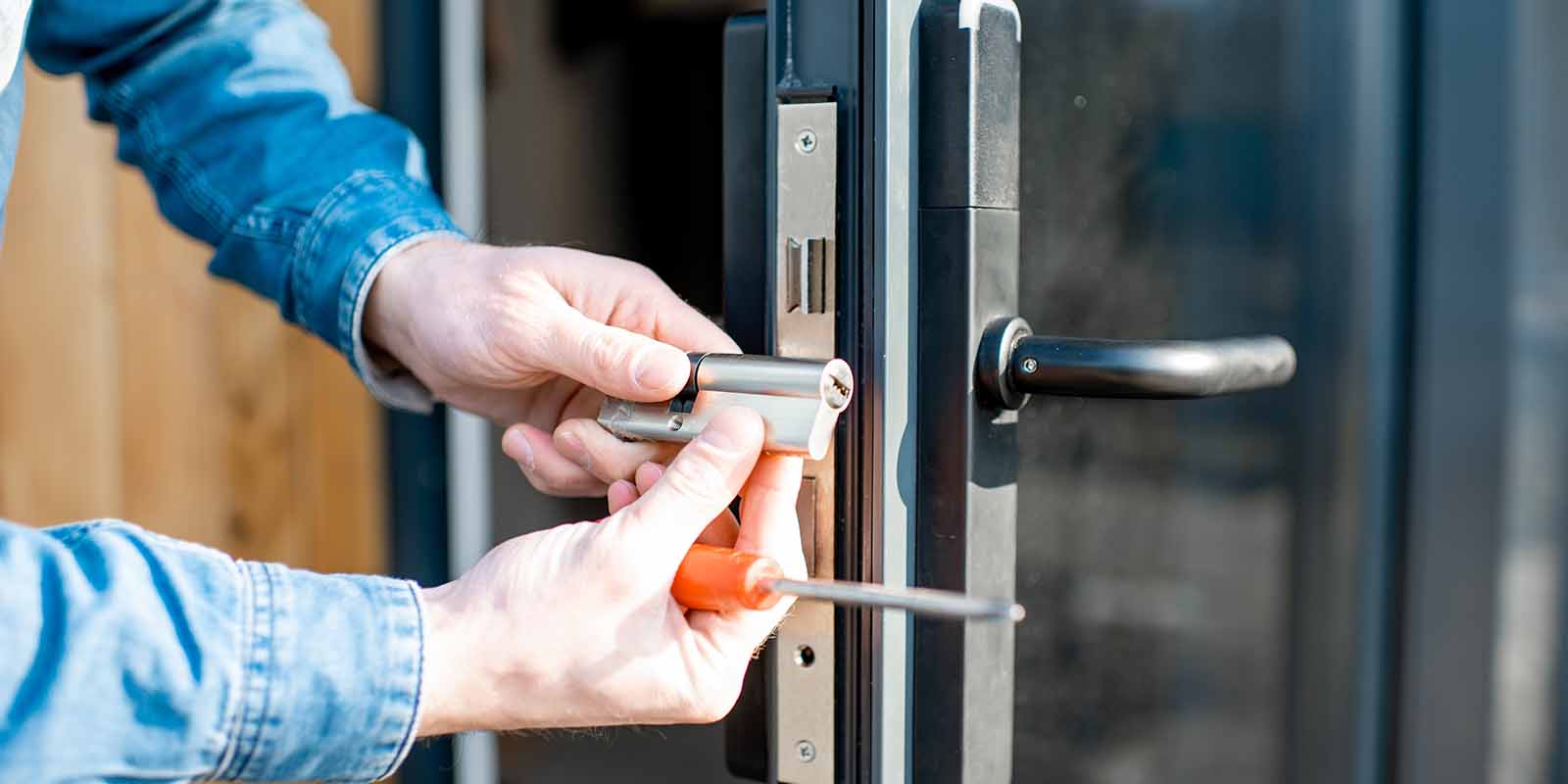
-–-Part-1-(A–D).jpg "The Complete Door & Lock Glossary (A–Z) – Part 1 (A–D)")
Understanding Door and Lock Terminology for Homeowners
If you've ever spoken to a locksmith, searched online for replacement door parts or tried to diagnose a locking problem yourself, you've probably come across technical terms that aren't always easy to understand.
This glossary explains the most common door, lock and security terminology used throughout the uPVC, composite, French and timber door industry. Whether you're replacing a gearbox, upgrading your home's security or simply trying to understand how your door works, this guide explains each term in plain English.
A
Accado (formerly B&Q)
What it is
Accado is a manufacturer of multipoint locking mechanisms found on many uPVC and composite doors. Their products have also been sold through DIY retailers, including B&Q.
Why it matters
Accado produced numerous lock variations with different dimensions. Simply ordering an "Accado lock" is rarely enough.
Commonly found on
- uPVC Doors
- Composite Doors
Related Terms
Gearbox • Multipoint Lock • Backset
Active Door
What it is
The main opening leaf on a pair of French doors.
It contains the primary multipoint locking mechanism and is normally opened first.
Why it matters
The active door contains almost all of the moving parts that locksmiths repair.
Commonly found on
- French Doors
- Double Composite Doors
Related Terms
Passive Door • Slave Lock • Shoot Bolts
Adjustable Handles
What they are
Door handles with movable fixing points allowing them to fit different screw centre measurements.
Why they matter
Useful when original handles are obsolete or when upgrading older doors.
Commonly found on
- uPVC Doors
- Composite Doors
AGB
What it is
AGB is an Italian manufacturer of premium locking systems used on timber, aluminium and composite doors.
Why it matters
Many AGB locks use specialist gearboxes and genuine replacement parts.
Alignment
What it is
Alignment refers to how accurately a door sits within its frame. A correctly aligned door allows the locking points to engage smoothly without placing unnecessary strain on the locking mechanism.
Why it matters
Poor alignment is one of the most common causes of stiff handles, difficult locking, worn gearboxes and premature lock failure.
Commonly Found On
- uPVC doors
- Composite doors
- French doors
- Timber doors
Related Guides
- Complete Guide to Door Alignment & Lock Performance
- A–Z of Why Doors Fail
- A–Z of Common Lock Faults
Anti-Drill Cylinder
What it is
A lock cylinder containing hardened steel pins designed to resist drilling attacks.
Why it matters
Drilling is a common burglary technique used against cheaper cylinders.
Anti-Pick Cylinder
What it is
A cylinder containing specially designed security pins to prevent lock picking.
Why it matters
It makes manipulating the lock far more difficult.
Anti-Snap Cylinder
What it is
A Euro cylinder specifically designed to resist lock-snapping attacks by breaking at a controlled sacrificial point while protecting the internal locking mechanism.
Why it matters
Upgrading to an anti-snap cylinder is one of the most effective security improvements for older uPVC and composite doors.
Commonly Found On
- uPVC doors
- Composite doors
- French doors
Related Guides
- Complete Guide to Euro Cylinder Door Locks
- A–Z of Euro Cylinders
- Complete Guide to Home Door Security
Automatic Locking
What it is
A multipoint lock that automatically engages its locking points when the door closes.
Some require a key to fully deadlock afterwards.
Why it matters
Provides security without remembering to lift the handle.
Avantis
What it is
A manufacturer of multipoint locking systems.
Why it matters
Avantis mechanisms come in numerous sizes and should always be measured before replacement.
Avocet
What it is
A British manufacturer producing:
- Multipoint locks
- Euro cylinders
- Door furniture
- Security hardware
Why it matters
Many Avocet gearboxes can be replaced without changing the complete locking strip.
Azbe
What it is
A Spanish lock manufacturer producing residential locking systems.
Why it matters
Often found on older imported doors.
B
Backplate
What it is
The long metal plate forming the base of a door handle.
It covers the fixing screws and supports the lever.
Why it matters
Backplates vary greatly in size and fixing positions.
Backplate Dimensions
What they are
The overall measurements of a handle backplate.
Usually recorded as:
- Height
- Width
- Screw centres
Why they matter
Replacement handles must match these dimensions.
Backset
What it is
The distance from the front edge of the lock faceplate to the centre of the spindle or keyhole.
Why it matters
Backset is one of the most important measurements when replacing a gearbox or complete multipoint locking mechanism.
Common Sizes
- 28mm
- 30mm
- 35mm
- 45mm
Related Guides
- Complete Guide to Multipoint Locking Systems
- A–Z of uPVC & Composite Door Handles
- Complete Guide to Door Components & Hardware
Barrel
What it is
Another name for a euro cylinder.
Blanking Plate
What it is
A handle plate fitted where no external handle is required.
Common on passive French doors.
Why it matters
Prevents unnecessary access from outside.
BS3621
What it is
A British Standard for mortice locks, commonly fitted to timber entrance doors.
Why it matters
Many home insurance policies require external timber doors to be fitted with BS3621-approved locks.
Commonly Found On
- Timber front doors
- Timber back doors
Related Guides
- Complete Guide to Door Locks
- Complete Guide to Home Door Security
BS EN1303
What it is
The European standard used to classify euro cylinders.
Testing includes:
- Durability
- Key security
- Corrosion resistance
- Attack resistance
Why it matters
Higher ratings generally indicate a better quality cylinder.
C
Centre Case
What it is
The middle section of a multipoint locking mechanism.
It contains the gearbox.
Why it matters
Most locking faults originate here.
Centre Keep
What it is
The frame-mounted receiver for the latch and deadbolt.
Why it matters
Correct alignment is essential for smooth locking.
Centres (PZ)
What they are
The distance between:
- The centre of the spindle
- The centre of the keyhole
Common sizes include:
- 68mm
- 70mm
- 92mm
Why they matter
Incorrect PZ measurements mean replacement handles won't fit.
Cego
What it is
A manufacturer of multipoint locking mechanisms used on selected residential doors.
Why it matters
Correct identification is required as several versions exist.
Coded Keys
What they are
Keys that can only be copied using a unique security code.
Why they matter
Provide better key control.
Composite Door Hinges
What they are
Heavy-duty adjustable hinges designed to support the greater weight of composite entrance doors.
Why they matter
Correctly adjusted hinges maintain door alignment, reduce strain on the locking mechanism and help prevent premature gearbox wear.
Related Guides
- Complete Guide to Door Components & Hardware
- Complete Guide to Door Alignment & Lock Performance
- A–Z of Why Doors Fail
Compression
What it is
The pressure applied when a door closes against its weather seals.
Why it matters
Correct compression prevents:
- Draughts
- Water leaks
- Loose locking
Copy Gearbox
What it is
A compatible replacement gearbox manufactured by another company rather than the original manufacturer.
Why it matters
Can provide a cost-effective repair when genuine parts are obsolete.
Cylinder
What it is
The removable part of the lock that accepts the key.
Why it matters
Most security upgrades involve replacing the cylinder rather than the complete lock.
D
Deadbolt
What it is
A solid steel bolt that extends into the frame when locked.
Unlike the latch, it only moves when operated by the key or locking mechanism.
Why it matters
Provides high resistance against forced entry.
Deadlatch Keep
What it is
The keep fitted to the frame that accepts the deadlatch.
Why it matters
Correct positioning is essential for smooth operation.
Door Furniture
What it is
A collective name for external door hardware, including:
- Handles
- Letterboxes
- Knockers
- Escutcheons
- Door viewers
- Pull handles
Why it matters
Good-quality door furniture improves both security and reliability.
Door Restrictor
What it is
A security device allowing the door to open only a limited distance until released.
Why it matters
Adds an extra level of safety when answering the door to unknown callers.
Double Spindle
What it is
A locking system that uses separate internal and external spindles, allowing each handle to operate independently.
Why it matters
Double spindle systems provide additional security by preventing the outside handle from operating until released with the key.
Commonly Found On
- Composite doors
- Lever/pad handle systems
- Apartment entrance doors
Related Guides
- A–Z of uPVC & Composite Door Handles
- Complete Guide to Multipoint Locking Systems
Draught Seal
What it is
A rubber or brush seal fitted around a door to prevent cold air, dust and moisture entering the property.
Why it matters
Worn or damaged draught seals can reduce energy efficiency and allow water ingress, even if the locking mechanism is working correctly.
Other Parts
The Complete Door & Lock Glossary (A–Z) – Part 2 (E–L)
The Complete Door & Lock Glossary (A–Z) – Part 3 (M–Z)