Introduction
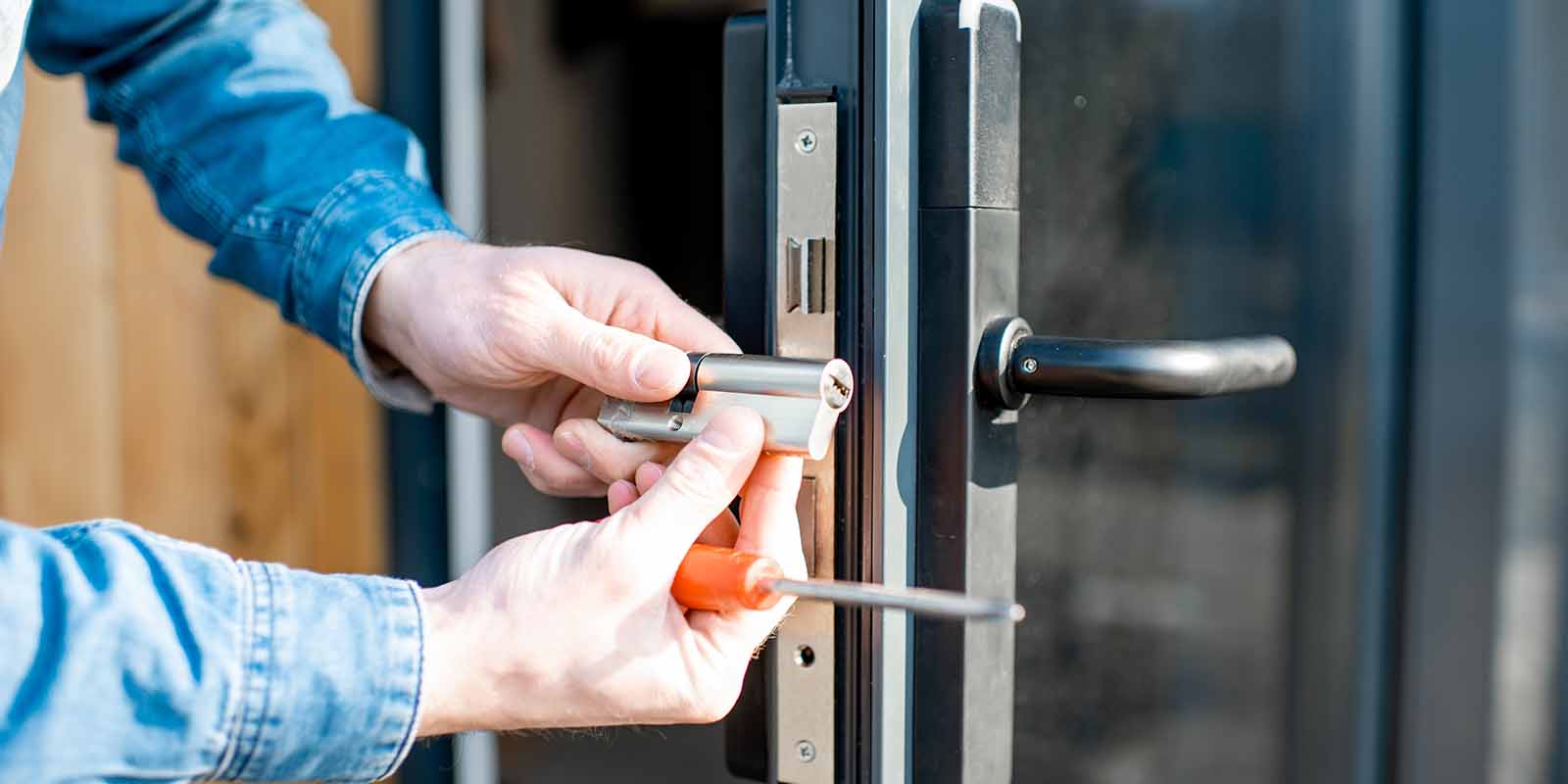
Whether you've lost your keys, moved into a new home or want to improve your security, you'll quickly discover there isn't just one type of door lock cylinder. Modern homes use a wide variety of cylinders, each designed for different doors, locking systems and levels of security.
Some cylinders are designed for uPVC and composite doors, others for timber doors, garage doors, patio doors or commercial buildings. They also differ in their security features, key systems and how they're operated.
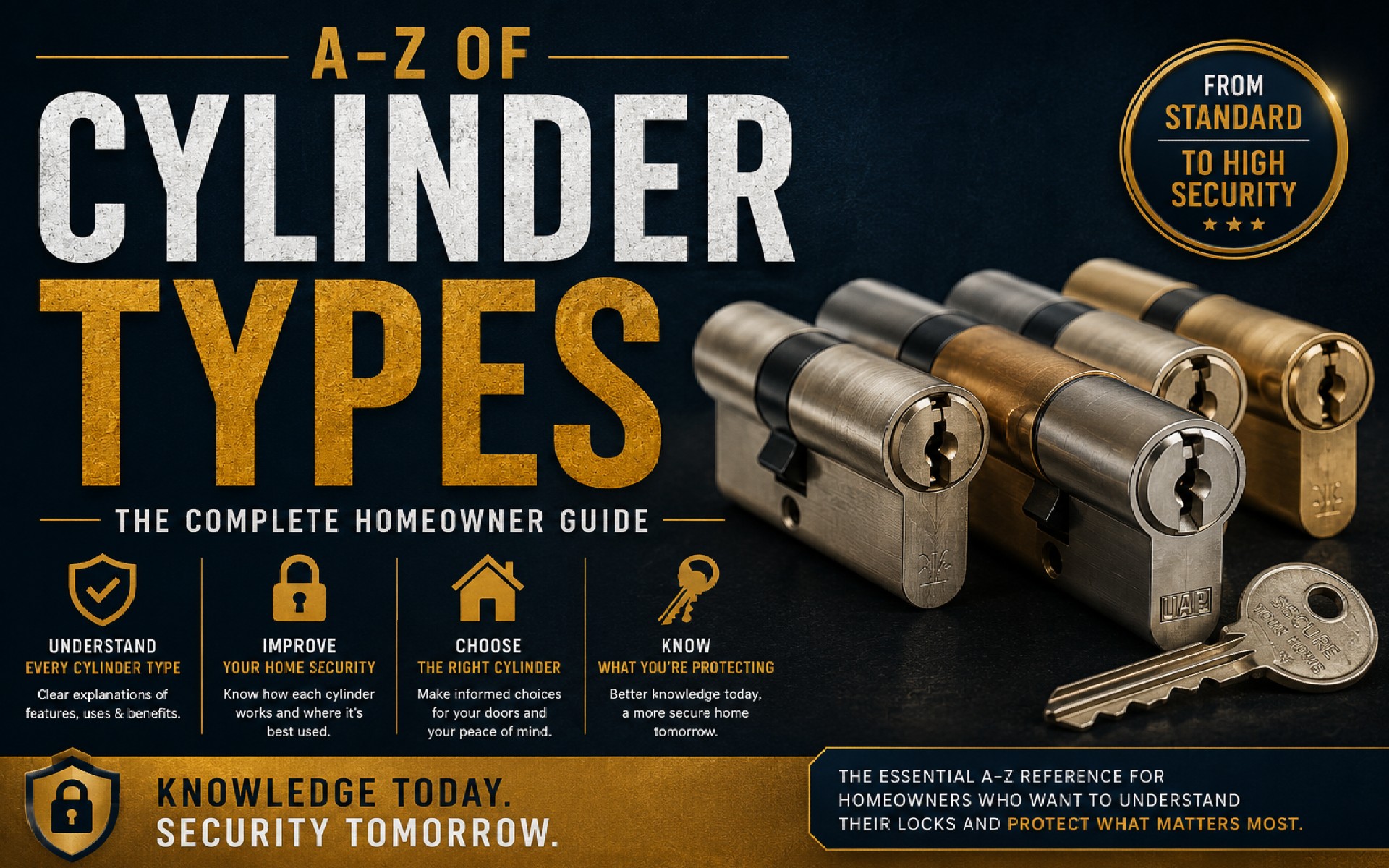
This glossary explains the most common cylinder types and related terminology in plain English, helping homeowners understand what they have and what options are available when replacing or upgrading their locks.
A
Anti-Bump Cylinder
What it is
A cylinder designed to resist lock bumping, where a specially cut bump key is struck to manipulate the pins inside the lock.
Why it matters
Provides greater protection than standard cylinders against a recognised burglary technique.
Commonly found on
- uPVC doors
- Composite doors
- Timber doors
Related Terms
Anti-Pick • Anti-Snap • TS007
Anti-Drill Cylinder
What it is
A cylinder fitted with hardened steel pins or inserts to resist drilling attacks.
Why it matters
Makes it much harder for burglars to drill through the cylinder to gain entry.
Anti-Pick Cylinder
What it is
A cylinder with specially designed pins that resist manipulation using lock picks.
Why it matters
Improves protection against covert entry methods.
Anti-Snap Cylinder
What it is
A euro cylinder specifically designed to resist lock snapping by sacrificing a controlled section while protecting the internal locking mechanism.
Why it matters
One of the most important security upgrades for older uPVC and composite doors.
B
BS EN 1303 Cylinder
What it is
A euro cylinder tested to the European Standard BS EN 1303 for durability, corrosion resistance, key security and attack resistance.
Why it matters
Understanding security standards provides reassurance that the cylinder has been independently tested to recognised performance standards.
Break Secure Cylinder
What it is
A euro cylinder incorporating a sacrificial break section designed to snap in a controlled manner if attacked.
Why it matters
The outer section breaks away while protecting the remaining cylinder and locking mechanism, making it much harder for an intruder to gain entry.
C
Coin Release Cylinder
What it is
A cylinder that can be unlocked internally using a coin or similar flat object instead of a key.
Why it matters
Common in apartment buildings, communal entrances and some emergency exit applications.
Coded Cylinder
What it is
A cylinder supplied with a unique security code that must be presented when ordering additional keys.
Why it matters
Prevents unauthorised key cutting and improves key control.
Cylinder Cam
What it is
The rotating metal cam located in the centre of the cylinder.
Why it matters
The cam connects the cylinder to the gearbox or lock case, allowing the key to operate the locking mechanism.
D
Double Euro Cylinder
What it is
A cylinder operated by a key from both the inside and outside of the door.
Why it matters
The most common cylinder used on front and back doors.
Dummy Cylinder
What it is
A non-working cylinder used for decorative purposes where no locking function is required.
Why it matters
Maintains a matching appearance across multiple doors.
E
Euro Profile Cylinder
What it is
The most common lock cylinder fitted to uPVC, composite and many timber doors. It slides into the gearbox or lock case and is secured by a single fixing screw.
Why it matters
Easy to replace and available in many different security ratings.
Emergency Function Cylinder
What it is
A cylinder that allows a key to operate the lock from one side even if another key has been left in the opposite side.
Why it matters
Useful where occupants may accidentally leave a key in the inside lock.
F
Fire-Rated Cylinder
What it is
A cylinder tested and approved for use on certified fire doors.
Why it matters
Required where the door must maintain its fire resistance.
Full Euro Cylinder
What it is
Another name for a double euro cylinder with key operation from both sides.
Why it matters
Some manufacturers and suppliers still use this terminology.
H
Half Euro Cylinder
What it is
A single-sided euro cylinder with a blank end.
Why it matters
Common on garage doors, switch cupboards and commercial applications.
I
Insurance Approved Cylinder
What it is
A cylinder tested to recognised security standards such as TS007 or SS312.
Why it matters
Many insurers recommend or require independently tested locks on external doors.
K
Keyed Alike Cylinder
What it is
Two or more cylinders manufactured so they all operate with the same key.
Why it matters
Allows homeowners to use one key for multiple external doors.
Key Retaining Cylinder
What it is
A cylinder designed so the key cannot be removed until the lock is returned to a specific position.
Why it matters
Common on commercial premises and security doors.
L
Lift & Turn Cylinder
What it is
A specialist cylinder used on certain commercial and industrial locking systems.
Why it matters
Less common in domestic properties but still encountered by locksmiths.
M
Master Key Cylinder
What it is
A cylinder designed to operate within a master key system.
Why it matters
Allows authorised users to access multiple locks with one master key while maintaining individual user keys.
O
Oval Cylinder
What it is
An oval-shaped cylinder commonly used on Scandinavian and commercial locking systems.
Why it matters
Less common than euro cylinders but widely used in commercial buildings.
P
Pin Tumbler Cylinder
What it is
The most common internal mechanism used inside modern euro cylinders.
Why it matters
Spring-loaded pins align when the correct key is inserted, allowing the cylinder to rotate.
R
Rim Cylinder
What it is
The cylinder fitted to a traditional nightlatch.
Why it matters
Common on timber front doors.
Restricted Key Cylinder
What it is
A cylinder supplied with legally protected keys that cannot normally be copied without authorisation.
Why it matters
Provides much greater control over who can obtain duplicate keys.
S
Scandinavian Cylinder
What it is
A cylinder manufactured to Scandinavian locking standards rather than the European euro profile.
Why it matters
Often found on imported Scandinavian doors.
Screw-In Cylinder
What it is
A cylinder secured using multiple fixing screws rather than a single retaining screw.
Why it matters
Usually found on specialist commercial locking systems.
Single Euro Cylinder
What it is
A cylinder with a key on one side only.
Why it matters
Frequently fitted to garages and utility rooms.
SS312 Diamond Cylinder
What it is
A high-security cylinder independently tested to the Sold Secure SS312 Diamond standard.
Why it matters
Provides excellent resistance against snapping, drilling, picking and bumping.
Symmetrical Cylinder
What it is
A euro cylinder with equal measurements on both sides of the fixing screw.
Examples
- 30/30
- 35/35
- 40/40
- 45/45
Why it matters
Common where the door furniture is the same thickness inside and outside.
T
Thumb Turn Cylinder
What it is
A euro cylinder operated by a thumb turn on the inside and a key from the outside.
Why it matters
Allows quick exit without using a key while maintaining external security.
TS007 1 Star Cylinder
What it is
A security-rated cylinder designed to be used with a TS007 2 Star security handle.
Why it matters
Together they provide enhanced protection against cylinder attacks.
TS007 3 Star Cylinder
What it is
A standalone high-security euro cylinder independently tested for resistance to snapping and other forms of attack.
Why it matters
Offers one of the highest levels of protection available for residential doors.
U
Ultion Cylinder
What it is
A high-security euro cylinder incorporating anti-snap, anti-drill, anti-pick and anti-bump technology.
Why it matters
Designed to provide enhanced resistance against common burglary techniques.
Unequal Cylinder
What it is
A euro cylinder with different measurements on each side.
Examples
- 35/45
- 40/50
- 45/35
Why it matters
Very common on composite and uPVC doors where external security handles are thicker than the internal furniture.
X
X-Key Profile
What it is
The shape and design of a keyway within a cylinder.
Why it matters
Different manufacturers use different key profiles, meaning not every key will fit every euro cylinder.
Y
Yale Cylinder
What it is
A lock cylinder manufactured by Yale, available in euro, rim and other profiles.
Why it matters
Widely recognised and available in various security grades.
Z
Zero Projection
What it is
A cylinder fitted almost flush with the security handles, leaving little or no cylinder exposed.
Why it matters
Keeping cylinder projection to a minimum helps reduce the risk of lock-snapping attacks and improves overall security.
Common Cylinder Types
The most common cylinders fitted to residential and commercial properties include:
- Euro Cylinder
- Double Euro Cylinder
- Thumb Turn Cylinder
- Half Euro Cylinder
- Oval Cylinder
- Rim Cylinder
- Scandinavian Cylinder
- Fire-Rated Cylinder
- Emergency Function Cylinder
- Keyed Alike Cylinder
- Master Key Cylinder
Related Complete Guides
Continue learning with these related guides.
Complete Guide to Euro Cylinder Door Locks
Learn how Euro cylinders work, how they're measured and how to choose the correct replacement.
Complete Guide to Door Locks
Understand the different types of locks fitted to modern homes and the common faults that affect them.
Complete Guide to Home Door Security
Discover how cylinders, handles and multipoint locking systems work together to improve security.
Complete Guide to uPVC & Composite Door Handles
Find out how security handles protect Euro cylinders against lock-snapping attacks.
Complete Guide to Multipoint Locking Systems
Learn how the cylinder operates the gearbox and locking points inside modern entrance doors.
Complete Guide to Door Components & Hardware
Explore the parts that make up a modern door and understand how they work together.
Conclusion
Modern lock cylinders are available in a wide variety of profiles, security levels and operating styles. While many look similar from the outside, the differences in size, design and security features can be significant.
Understanding the terminology used throughout the industry helps homeowners identify the correct cylinder, choose suitable security upgrades and avoid common replacement mistakes. Whether you're replacing a worn cylinder, upgrading to a high-security anti-snap model or simply learning more about modern door locks, this A–Z guide provides a practical reference to the cylinder types most commonly encountered throughout the UK.