Introduction
Preventing burglary is about far more than fitting a good lock. Criminals often look for homes that appear easy to enter, easy to leave and unlikely to attract attention. By combining strong physical security with sensible maintenance and good property design, homeowners can significantly reduce the opportunities available to an opportunist burglar.
This A–Z guide explains the key principles of home security and the simple measures that help make your property a less attractive target.
A
Access Control
Restrict access to your property by keeping gates secure, locking side entrances and controlling who can enter private areas.
B
Barriers
Walls, gates, fences and secure doors create physical obstacles that increase the time and effort needed to gain entry.
C
Concealment
Dense planting, high fencing or cluttered areas can provide places for an intruder to work without being seen. Keep vulnerable areas as visible as possible.
CCTV
Why it matters
Visible security cameras can discourage opportunist burglars and provide valuable evidence if a crime does occur. Cameras are most effective when combined with good lighting and strong physical security rather than being relied upon on their own.
Related Guides
- Complete Guide to Home Door Security
- Understanding Door Lock Security Standards
D
Deterrents
Visible security measures such as quality locks, lighting, alarms and well-maintained doors may discourage an opportunist from targeting your property.
Door Security
Why it matters
Your front and rear doors are usually the first places an intruder will test. Strong doors, correctly aligned multipoint locks, high-security cylinders and security handles all contribute to making forced entry far more difficult.
Related Guides
- Complete Guide to Door Locks
- Complete Guide to Door Alignment and Lock Performance
E
Entry Points
Every external door, window, garage and side gate should be considered a potential point of entry and secured accordingly.
F
Fencing
Well-maintained fencing clearly defines property boundaries and can make access more difficult, particularly when combined with secure gates.
G
Garden Security
Lock sheds, garages and outbuildings, secure valuable tools and avoid leaving ladders or equipment that could assist access to your home.
H
Hiding Places
Trim overgrown hedges and shrubs near doors and windows to reduce places where someone could work unnoticed.
I
Intruder Alarms
A professionally installed and properly maintained alarm system provides an additional layer of protection and can alert occupants to unauthorised entry.
J
Joinery
Strong doors and well-maintained timber frames contribute significantly to overall security. Damaged or rotten joinery should be repaired promptly.
K
Key Management
Avoid hiding spare keys outside. Keep keys out of sight from letterboxes and glazed panels, and know exactly who has copies of your house keys.
L
Lighting
Good external lighting improves visibility around entrances, pathways and access points. Motion-activated lighting can also help draw attention to unexpected activity.
Letterbox Security
Why it matters
Poorly positioned keys can sometimes be reached through the letterbox. Letterbox restrictors and sensible key storage reduce this risk.
Related Guides
- Complete Guide to Home Door Security
- Complete Guide to Door Locks
M
Maintenance
Repair loose handles, damaged locks, broken fences and sticking doors promptly. A well-maintained property suggests that security is taken seriously.
N
Neighbourhood Security
Good relationships with neighbours can improve security. People who know each other are more likely to notice unusual activity and report concerns.
O
Occupancy Simulation
When you're away, use timer-controlled lighting and maintain normal routines where possible. Ask a trusted neighbour to collect post or move bins if you're away for an extended period.
P
Perimeter Security
Protect the outer boundary of your property with secure gates, fencing, lighting and clear sight lines to make access more difficult.
Q
Quick Repairs
Don't ignore small faults. A sticking lock, loose hinge or damaged handle may not only become worse but could also reduce the effectiveness of your door's security.
R
Reinforcement
Modern entrance doors often include reinforced lock areas, steel strengthening, security handles and strengthened keeps to improve resistance against forced entry.
Reinforcement works best when combined with a quality multipoint locking system and a correctly fitted high-security Euro cylinder.
Related Guides
- Complete Guide to Door Components & Hardware
- Complete Guide to Euro Cylinder Door Locks
S
Surveillance
Natural surveillance from neighbouring properties and passers-by can be a powerful deterrent. Security cameras may provide an additional level of monitoring where appropriate.
T
Target Hardening
Target hardening means making your home more difficult to attack by combining quality locks, secure doors, reinforced hardware, good lighting and regular maintenance.
U
Upgrades
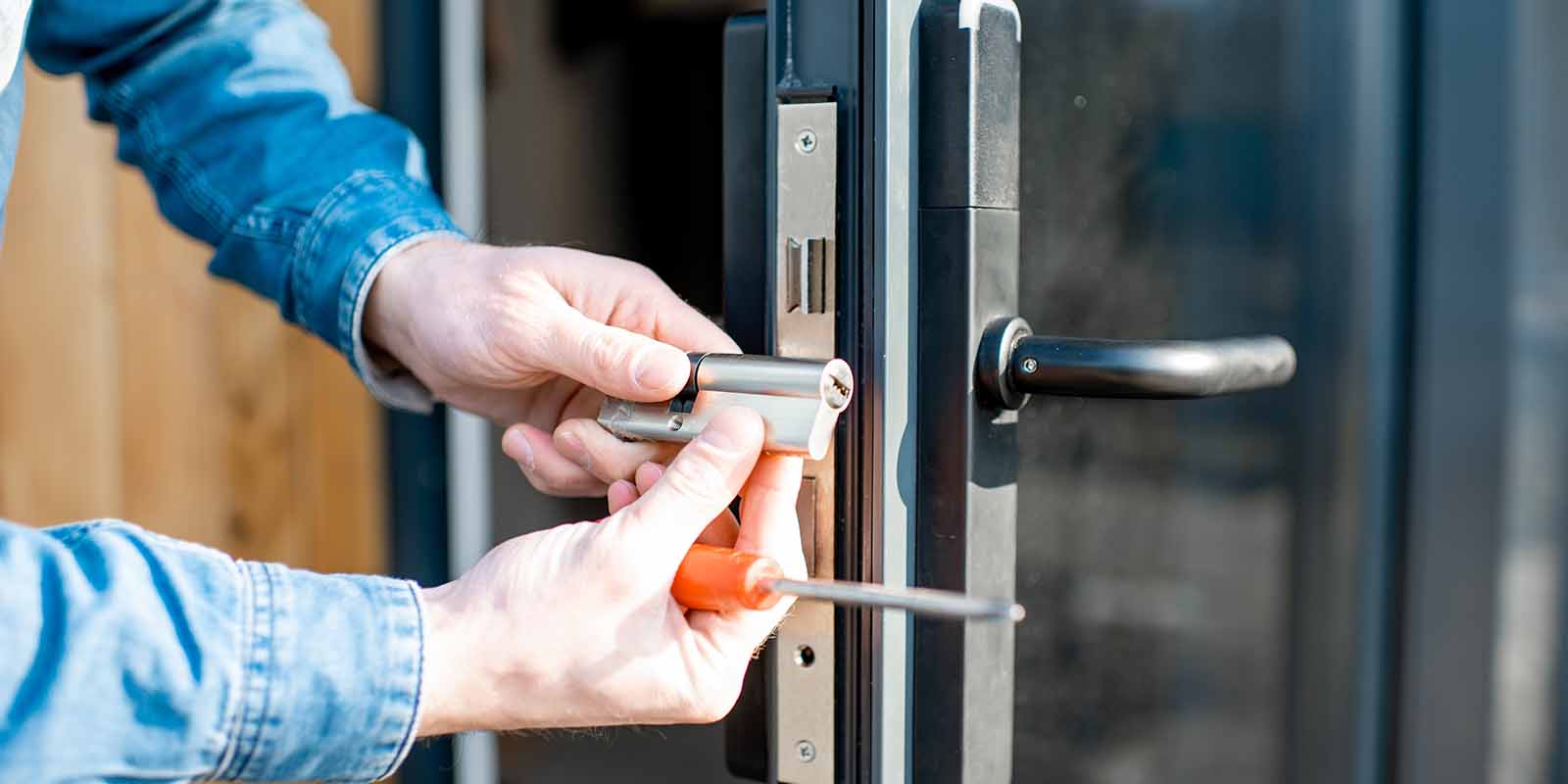
Replacing older cylinders with high-security anti-snap models, fitting TS007-rated handles and repairing worn multipoint locks can significantly improve security without replacing the entire door.
V
Visibility
Keep entrances visible from the street and neighbouring properties where possible. Good visibility reduces opportunities for someone to work without being noticed.
W
Windows
Windows should not be overlooked. Secure locks, good condition frames and sensible key management all contribute to protecting your home.
Wildlife Ladders
Reality
Wheelie bins, garden furniture, ladders and stacked materials can provide easy access to upstairs windows or flat roofs. Whenever possible, store these items securely away from the house.
X
eXterior Checks
Regularly inspect the outside of your property for loose handles, damaged locks, sticking doors, worn hinges and signs of attempted forced entry. Small issues identified early are often easier and less expensive to repair.
Y
Yard Security
Keep side paths, rear gardens and service areas tidy, well-lit and securely enclosed. Gates should close properly and be fitted with suitable locks where appropriate.
Z
Zero Weak Points
No property can be completely risk-free, but reducing obvious weaknesses makes your home a far less attractive target. Strong locks, secure doors, good maintenance and sensible security habits work together to provide the best level of protection.
Related Complete Guides
If you'd like to learn more about improving your home's security, these guides provide additional advice on locks, doors, maintenance and security upgrades.
Complete Guide to Home Door Security
Learn how doors, locks, handles, cylinders and frames work together to protect your property.
Complete Guide to Door Locks
Understand the different types of door locks, common faults and the best ways to improve security.
Complete Guide to Euro Cylinder Door Locks
Everything you need to know about Euro cylinders, anti-snap protection and choosing the correct replacement.
Complete Guide to Multipoint Locking Systems
Discover how multipoint locks operate and why they play such an important role in modern door security.
Complete Guide to Door Alignment and Lock Performance
Find out why correctly aligned doors are essential for reliable locking and long-term security.
Complete Guide to Looking After Your uPVC and Composite Door
Simple maintenance advice to help keep your doors secure, reliable and operating smoothly.
Burglary Prevention Is About Layers
The most effective home security never relies on a single product. Strong locks, secure doors, correctly fitted hardware, good lighting, visible boundaries and regular maintenance all contribute to making a property less attractive to an opportunist burglar.
Rather than searching for one perfect security solution, homeowners should focus on creating multiple layers of protection that work together. Maintaining doors, repairing faults promptly, upgrading vulnerable components and adopting sensible security habits can significantly reduce the risk of burglary while improving the reliability and lifespan of the entire door system.