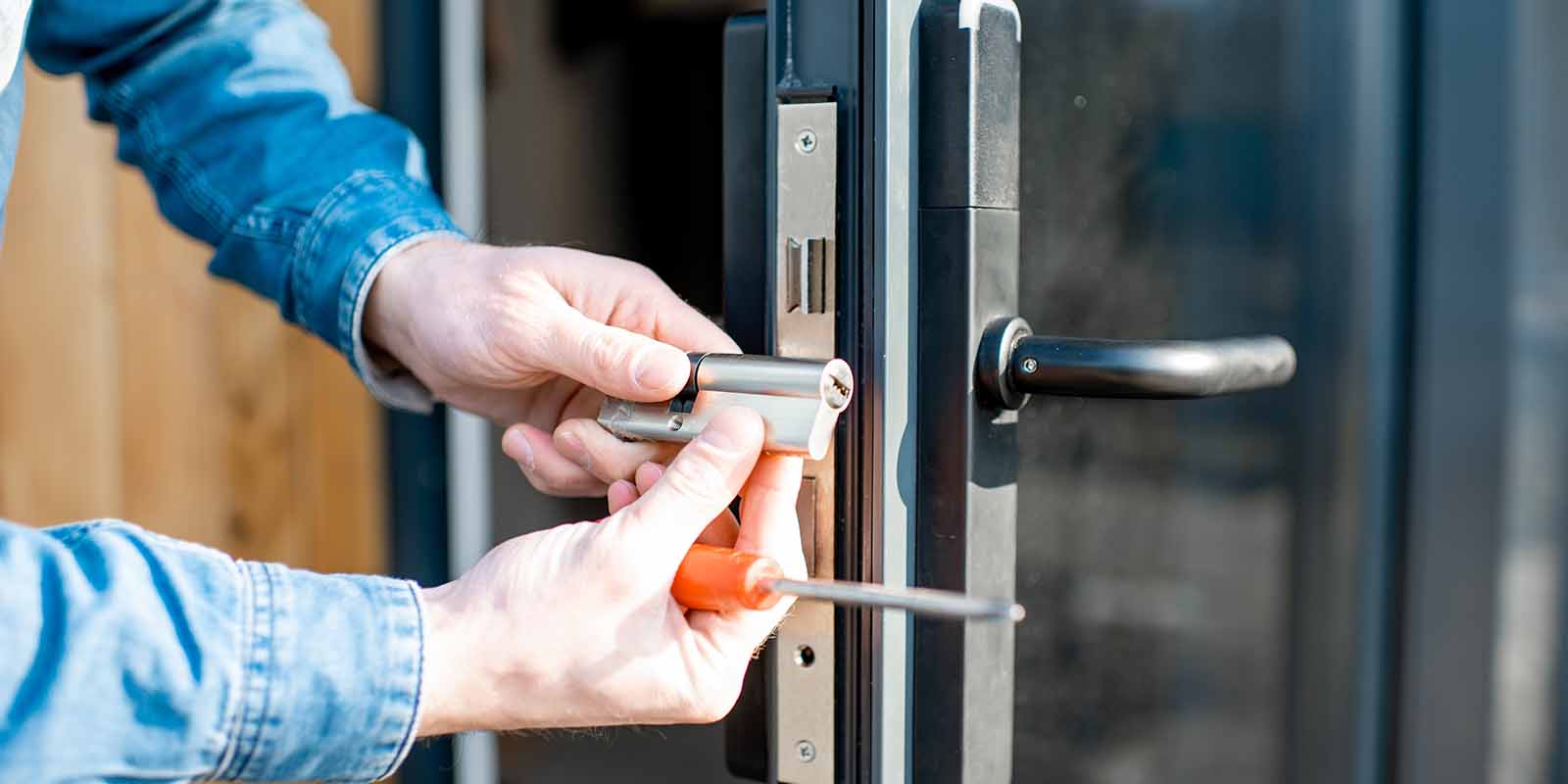
Introduction
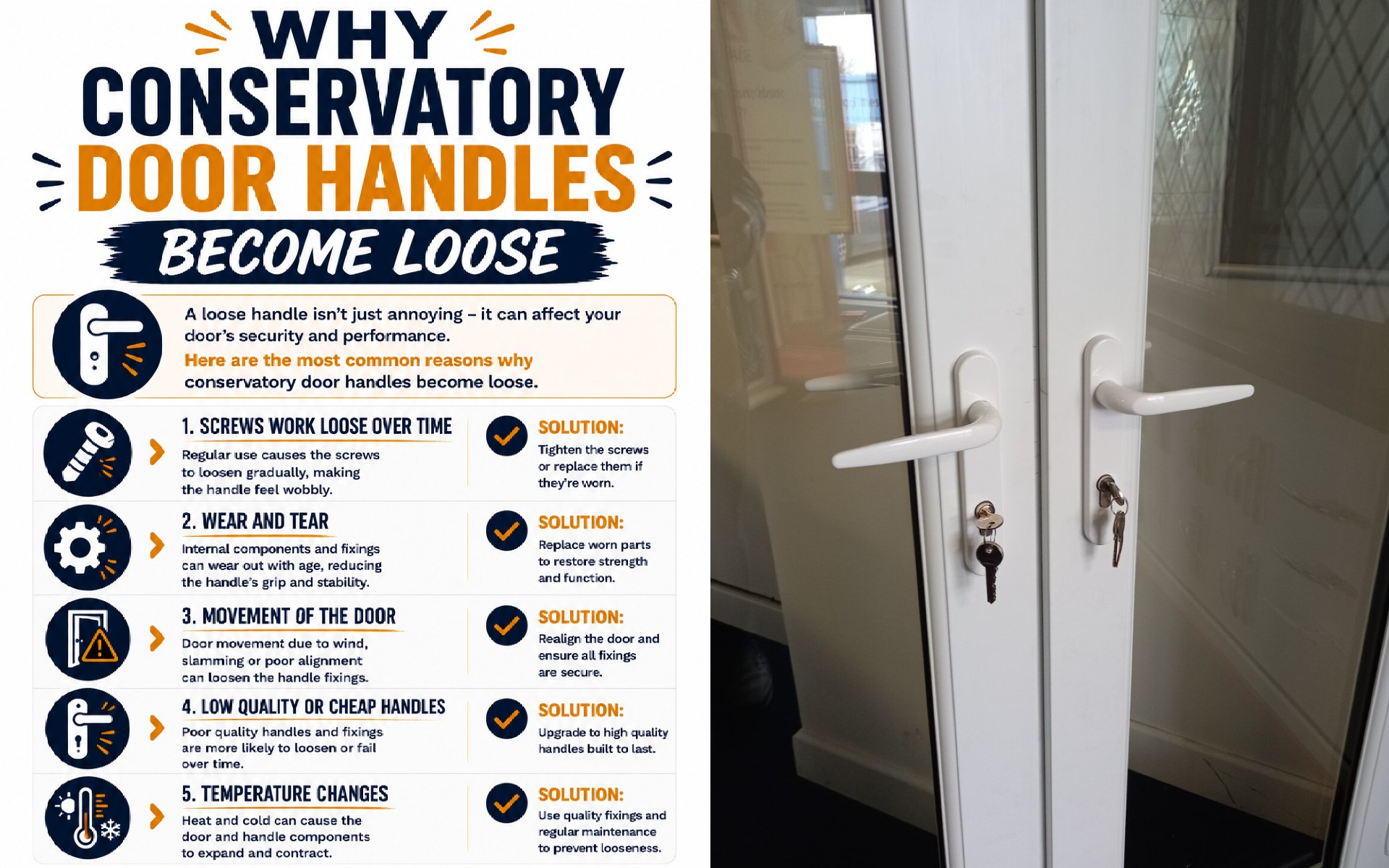
A loose conservatory door handle is a common problem that many homeowners experience. While it may seem like a minor annoyance, it's often an early warning sign that something else needs attention.
Sometimes the handle itself has simply worn through years of use. In other cases, it's a symptom of a failing gearbox, poor door alignment, or excessive strain being placed on the locking mechanism.
The good news is that most loose conservatory door handles can be repaired without replacing the entire door.
Everyday Wear and Tear
Conservatory door handles are used countless times throughout their lifespan.
Years of opening, closing and locking the door can eventually cause:
- Internal wear.
- Loose fixings.
- Worn return springs.
- General movement within the handle.
This gradual wear is one of the most common reasons a handle begins to feel loose or unstable.
Loose Fixing Screws
The simplest cause is often loose fixing screws.
Constant use can gradually allow the screws holding the handles together to loosen.
Common symptoms include:
- The handle wobbling slightly.
- Movement when lifting the handle.
- Loose backplates.
- The handle pulling away from the door.
If identified early, carefully tightening the fixings may be all that's needed.
Worn Return Springs
Many quality conservatory door handles contain internal return springs.
These springs return the handle to its horizontal position after use.
As they wear out, you may notice:
- The handle drooping downwards.
- Slow handle return.
- The handle failing to return fully.
- A loose or sloppy feel.
Replacing the handle with a quality sprung version usually resolves the problem.
The Gearbox May Be Failing
Sometimes the handle isn't actually the fault.
A worn gearbox can place excessive strain on the handles, making them feel loose even though the real problem lies inside the multipoint locking mechanism.
Other warning signs include:
- Difficulty lifting the handle.
- A stiff key.
- Intermittent locking.
- The handle feeling heavier than normal.
- The door becoming difficult to lock.
Replacing the handles alone won't repair a worn gearbox.
Door Alignment Problems
Conservatory doors often move slightly over time due to:
- Regular use.
- Seasonal expansion and contraction.
- Hinge wear.
- Minor building movement.
When the door drops out of alignment, additional force is needed to operate the lock.
Over time this extra strain can lead to:
- Loose handles.
- Broken springs.
- Premature handle wear.
- Increased gearbox wear.
Correctly realigning the door removes much of this unnecessary stress.
Poor-Quality Replacement Handles
Not every replacement handle offers the same level of quality.
Lower-quality handles may develop:
- Weak return springs.
- Loose backplates.
- Excessive movement.
- Premature wear.
- Poor overall durability.
Investing in quality sprung handles usually provides a longer-lasting repair and reduces strain on the locking mechanism.
The Spindle May Be Worn
The spindle connects both door handles through the gearbox.
If it becomes worn, damaged or is the incorrect length, the handle may develop excessive movement even when securely fixed.
A worn spindle can make the handle feel loose despite the screws being tight.
Don't Ignore a Loose Handle
Although the door may still work, continuing to use a loose handle can lead to more serious faults.
Ignoring the problem can result in:
- Broken handles.
- Increased strain on the gearbox.
- Doors hitting one another.
- Damage to the fixing holes.
- Difficulty locking the door.
- Complete lock failure.
Early repairs are usually quicker, simpler and less expensive.
Sometimes More Than the Handle Needs Replacing
A loose handle is sometimes only the visible symptom.
A full inspection may reveal the door also requires:
- Gearbox replacement.
- Multipoint mechanism replacement.
- Door realignment.
- Hinge adjustment.
- A new lock cylinder.
Replacing the correct components the first time helps prevent repeat failures and restores reliable operation.
Quality Sprung Handles Offer Long-Term Benefits
When replacement is required, quality sprung handles offer several advantages:
- Better handle return.
- Reduced strain on the gearbox.
- Smoother operation.
- Improved durability.
- Longer service life.
For conservatory doors that are used regularly, they are often a worthwhile upgrade.
Conclusion
A loose conservatory door handle rarely means you need a new door. In most cases, the problem is caused by loose fixings, worn springs, poor alignment or a locking mechanism beginning to wear. Identifying the true cause early allows the correct repair to be carried out before further damage occurs. Whether it's a simple handle replacement, a door realignment or a gearbox repair, most conservatory door handle problems can be resolved quickly and cost-effectively, restoring smooth operation and keeping your conservatory secure.