Conservatory Door Lock Repairs – Common Problems and Solutions
Introduction
Conservatory doors are opened and closed countless times throughout the year and are exposed to some of the biggest temperature fluctuations anywhere in the home. Bright sunshine, cold nights, moisture and seasonal expansion all place extra demands on the locking system.
Over time, this can lead to stiff locks, dropped doors, worn handles and failed multipoint mechanisms. While many homeowners are told they need a replacement door, the reality is that most conservatory door lock problems can be repaired for a fraction of the cost.
Common Conservatory Door Lock Problems
Most conservatory door faults develop gradually rather than happening overnight.
Typical symptoms include:
- Difficulty lifting the handle.
- The key becoming stiff to turn.
- The door becoming difficult to lock.
- Hooks or rollers not retracting fully.
- Loose or floppy handles.
- Doors are hitting one another.
- The mechanism jamming.
- Locking points failing to engage correctly.
- Having to push or pull the door before it will lock.
These are all warning signs that the locking system needs attention.
Related article: Signs your door needs repaired?
Door Alignment Issues
One of the biggest causes of conservatory door lock problems is poor alignment.
Conservatories experience significant temperature changes throughout the year, causing both the frame and the door to expand and contract.
Over time this movement can result in:
- The door dropping slightly.
- Uneven gaps around the frame.
- Locking points rubbing against the keeps.
- Increased resistance when lifting the handle.
- Additional strain on the locking mechanism.
Correcting the alignment is often the first step in restoring smooth operation.
Failed Gearboxes
The gearbox is the heart of the multipoint locking mechanism.
It transfers movement from the handle and key to the hooks, rollers and deadbolts.
As internal components wear, you may notice:
- The handle lifts but nothing happens.
- The key turns without fully operating the lock.
- Hooks remain partially extended.
- The door becomes difficult to lock or unlock.
- The handle feels loose or inconsistent.
In many cases, replacing the gearbox is all that's required rather than replacing the complete locking mechanism.
Seized Hooks and Locking Points
Conservatories are often more susceptible to condensation than other parts of the home.
Moisture, dirt and lack of maintenance can cause locking points to become stiff or seize.
Common problems include:
- Hooks sticking.
- Rollers becoming difficult to move.
- Increased friction.
- Rough locking operation.
- Excessive strain on the gearbox.
Cleaning, lubricating and servicing the locking points can often restore smooth movement before permanent damage occurs.
Broken or Worn Handles
Door handles are another common source of problems.
Typical signs include:
- Handles drooping.
- Broken return springs.
- Excessive movement.
- Loose backplates.
- Handles failing to return to the horizontal position.
Quality sprung handles not only improve the feel of the door but also reduce strain on the gearbox by helping return the handle after use.
Faulty Lock Cylinders
Sometimes the problem isn't the mechanism at all.
A worn euro cylinder may cause:
- Stiff key operation.
- Keys sticking.
- Difficulty removing the key.
- Intermittent locking.
- The key turning without fully operating the mechanism.
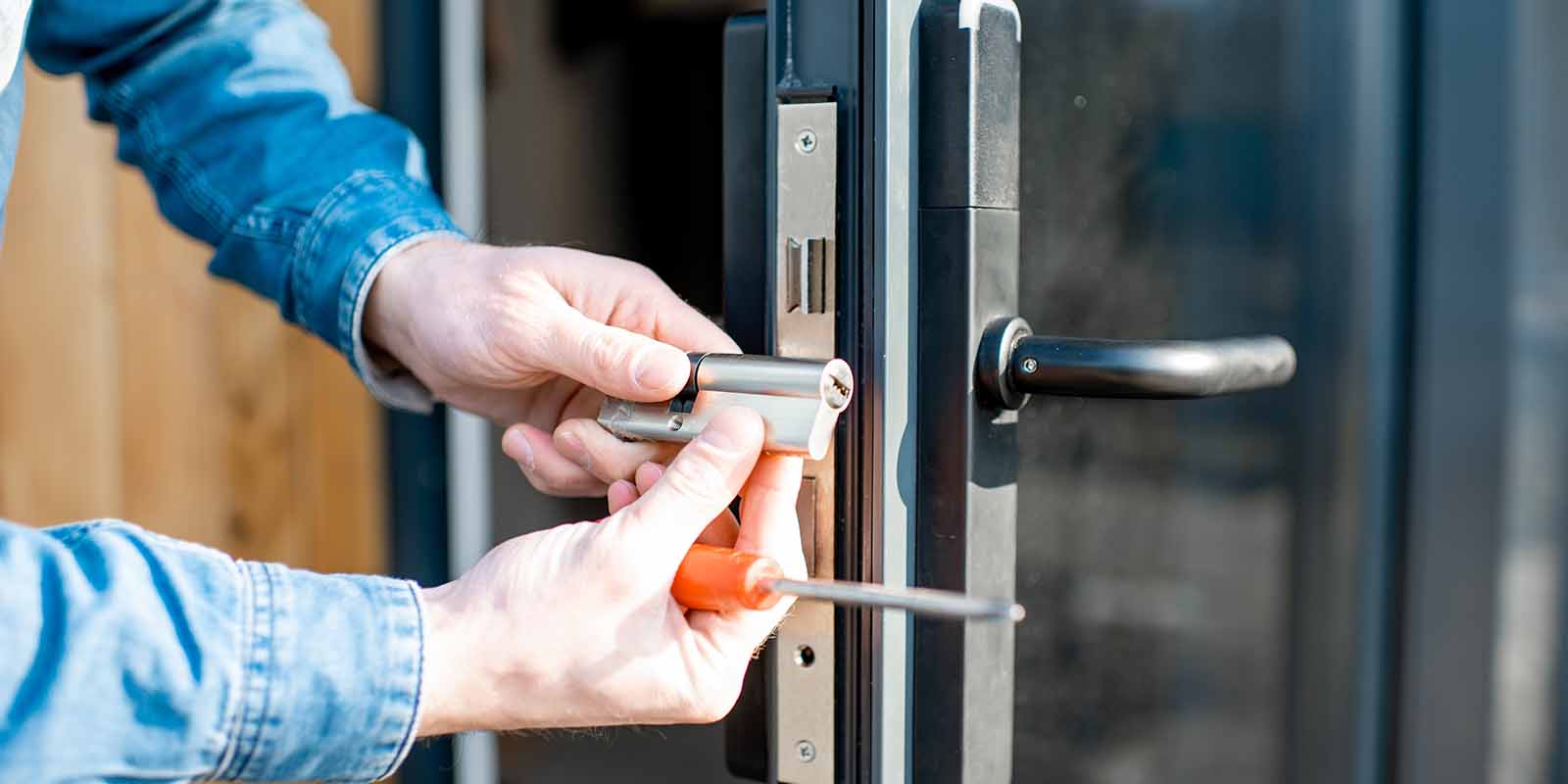
Replacing the cylinder with a correctly sized, quality snap-resistant lock often improves both reliability and security.
Obsolete Lock Mechanisms
Many conservatories were installed 15 to 25 years ago.
Some of the original locking mechanisms are no longer manufactured, leading homeowners to believe the only solution is replacing the door.
Fortunately, that's rarely the case.
Depending on the mechanism, it may be possible to:
- Replace only the gearbox.
- Repair the original mechanism.
- Source genuine replacement parts.
- Adapt compatible components.
- Fit a suitable replacement mechanism.
This can save hundreds, and sometimes thousands, of pounds compared with fitting a new conservatory door.
Why You Shouldn't Force a Stiff Door
If your conservatory door suddenly becomes difficult to operate, avoid forcing the key or handle.
Excessive force can damage:
- The gearbox.
- The lock cylinder.
- The handles.
- The locking points.
- The multipoint mechanism.
What starts as a simple alignment issue can quickly become a much larger repair if the warning signs are ignored.
Regular Maintenance Makes a Difference
Although conservatory doors require very little maintenance, occasional servicing can significantly extend the life of the locking system.
Simple maintenance includes:
- Lubricating moving locking points.
- Checking handles for looseness.
- Keeping the mechanism clean.
- Correcting alignment issues early.
- Replacing worn components before they fail.
Small preventative repairs are often far less expensive than emergency callouts following a complete lock failure.
Most Conservatory Door Locks Can Be Repaired
One of the biggest misconceptions is that a faulty conservatory door automatically means replacing the entire door.
In reality, most faults are caused by:
- Dropped doors.
- Failed gearboxes.
- Worn lock cylinders.
- Broken handles.
- Seized locking points.
- Poor alignment.
- Worn hinges.
These components can usually be repaired or replaced individually, restoring smooth operation while retaining the existing door.
Conclusion
Conservatory doors work hard all year round and are subjected to constant changes in temperature and weather. Over time, this naturally leads to wear in the locking system. However, a stiff handle, failed gearbox or difficult lock rarely means the end of the door itself.
With the correct diagnosis, most conservatory door lock problems can be repaired quickly and cost-effectively, restoring security, improving operation and extending the life of the door for many more years.