What Happens During a Professional Lock Change?
Many people think a lock change is simply a case of removing the old lock and fitting a new one. While that's certainly part of the process, a professional lock change involves much more than that. The goal isn't just to fit a new lock—it's to ensure the door is secure, operates correctly, and provides reliable protection for years to come.
Why People Change Their Locks
Common reasons include:
- Moving into a new home
- Lost or stolen keys
- Tenant changes
- Upgrading security
- Faulty or worn locks
- Following a burglary or attempted break-in
If you've recently moved into a property,– Why Change the Locks When Moving Into a New Home? explains why replacing the locks is one of the first security improvements you should consider.
Whatever the reason, the process should always begin with an inspection of the existing lock and door.
Inspecting the Existing Lock
The first step is identifying the type and size of lock fitted to the door.
Many homeowners are surprised to discover:
- The lock is the wrong size.
- The cylinder protrudes too far.
- The lock is outdated.
- The lock has signs of wear.
- The lock offers little protection against modern attack methods.
Measuring the lock correctly ensures the replacement fits properly and provides the best possible security. If your existing lock is showing signs of age,– Signs Your Lock Is Wearing Out explains what to look for before it fails completely.
Removing the Old Lock
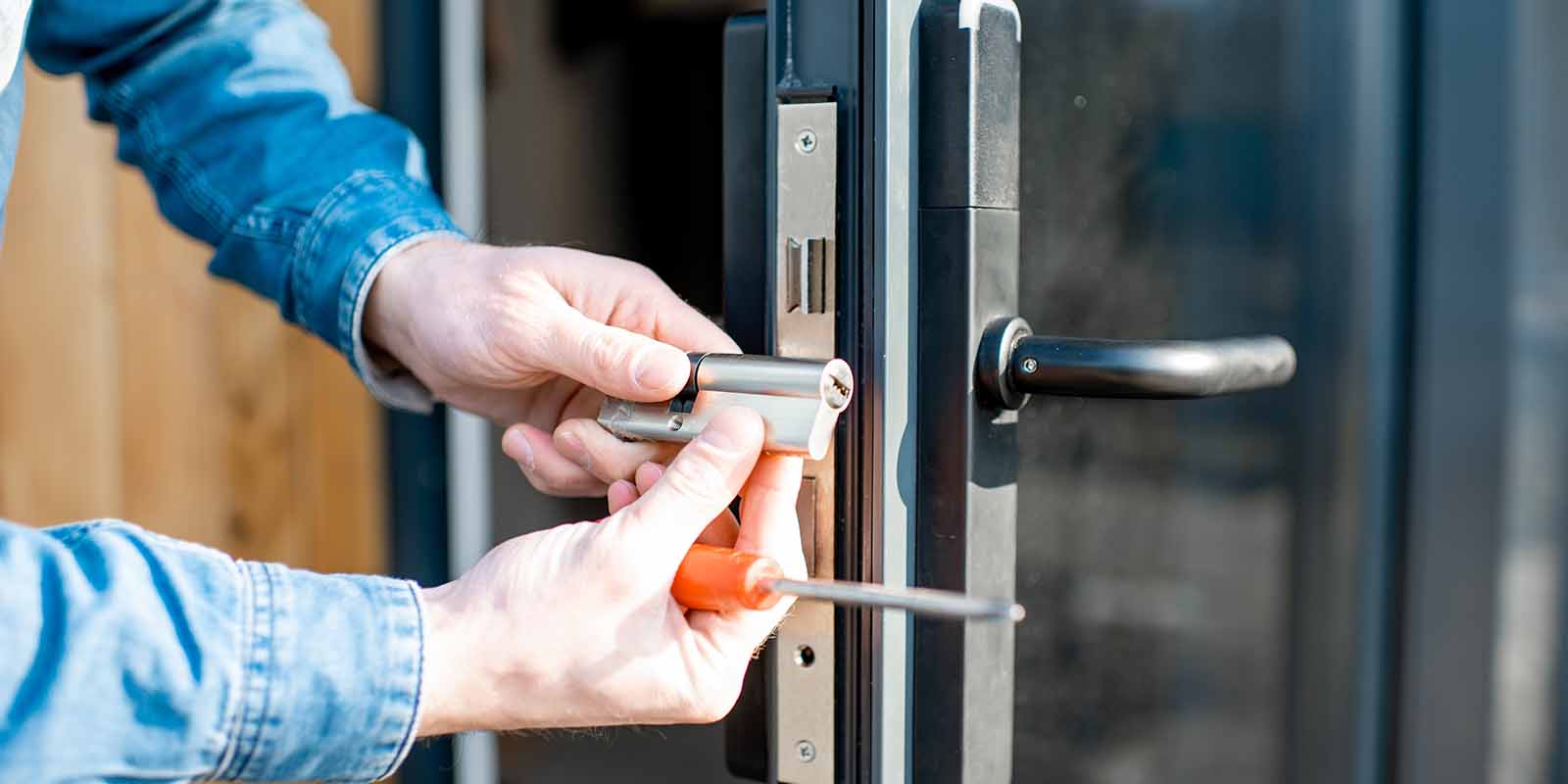
For uPVC and composite doors, the old cylinder is usually removed by:
- Opening the door.
- Removing the retaining screw from the edge of the door.
- Turning the key slightly to align the cam.
- Sliding the cylinder out of the mechanism.
Occasionally, worn or damaged locks can be more difficult to remove and may require additional work.
Choosing the Replacement Lock
A professional locksmith will recommend a lock suitable for the door and the customer's requirements.
Options may include:
- Snap-resistant cylinders
- Keyed alike locks
- Suited lock systems
- Thumbturn cylinders
- High-security cylinders
Most homeowners now choose a modern snap-resistant cylinder for improved security. If you're unsure whether your existing locks meet your insurer's requirements, – Are Your Door Locks Insurance Approved? is worth reading.
Checking Door Alignment
This is the part many people overlook.
A new lock fitted to a poorly aligned door may still feel stiff or difficult to operate. That's why it's important to check:
- Door alignment
- Handle operation
- Locking point engagement
- Frame keeps
- Hinge condition
If necessary, adjustments can be made to ensure the lock operates smoothly.
Fitting the New Lock
Once the correct lock has been selected, it is fitted into the mechanism and secured with the retaining screw.
The lock should:
- Sit correctly within the handles.
- Operate smoothly.
- Not protrude excessively.
- Engage all locking points properly.
Correct sizing is just as important as the quality of the lock itself.
Testing Everything
A professional lock change doesn't end when the lock is fitted.
The door should be tested repeatedly to ensure:
- The key turns smoothly.
- The handle lifts correctly.
- The locking points engage fully.
- The door locks and unlocks easily.
- The door seals properly against the frame.
Any issues discovered during testing should be corrected before the job is complete.
New Keys Supplied
Most replacement cylinders are supplied with multiple keys, often five as standard.
This means homeowners usually have enough keys for family members without needing additional copies cut immediately.
If you've lost your keys rather than simply needing extra copies,– Should You Change Locks After Losing a House Key? explains why replacing the lock is usually the safest option.
More Than Just a New Lock
A professional lock change is also an opportunity to identify security weaknesses such as:
- Incorrectly sized cylinders
- Loose handles
- Alignment problems
- Worn mechanisms
- Security upgrades
Addressing these issues at the same time helps ensure the door remains secure and reliable. If your lock is still functioning but you're unsure whether to repair or replace it,– Repair vs Replace: What's Best for Your Door? explains the factors worth considering.
Peace of Mind
Whether you've moved home, lost your keys, or simply want better security, a professional lock change gives you confidence that your property is secure and that you know exactly who has access to it. It's also an ideal opportunity to review your overall home security, as explained in – Security Checks Every Homeowner Should Carry Out.