Introduction
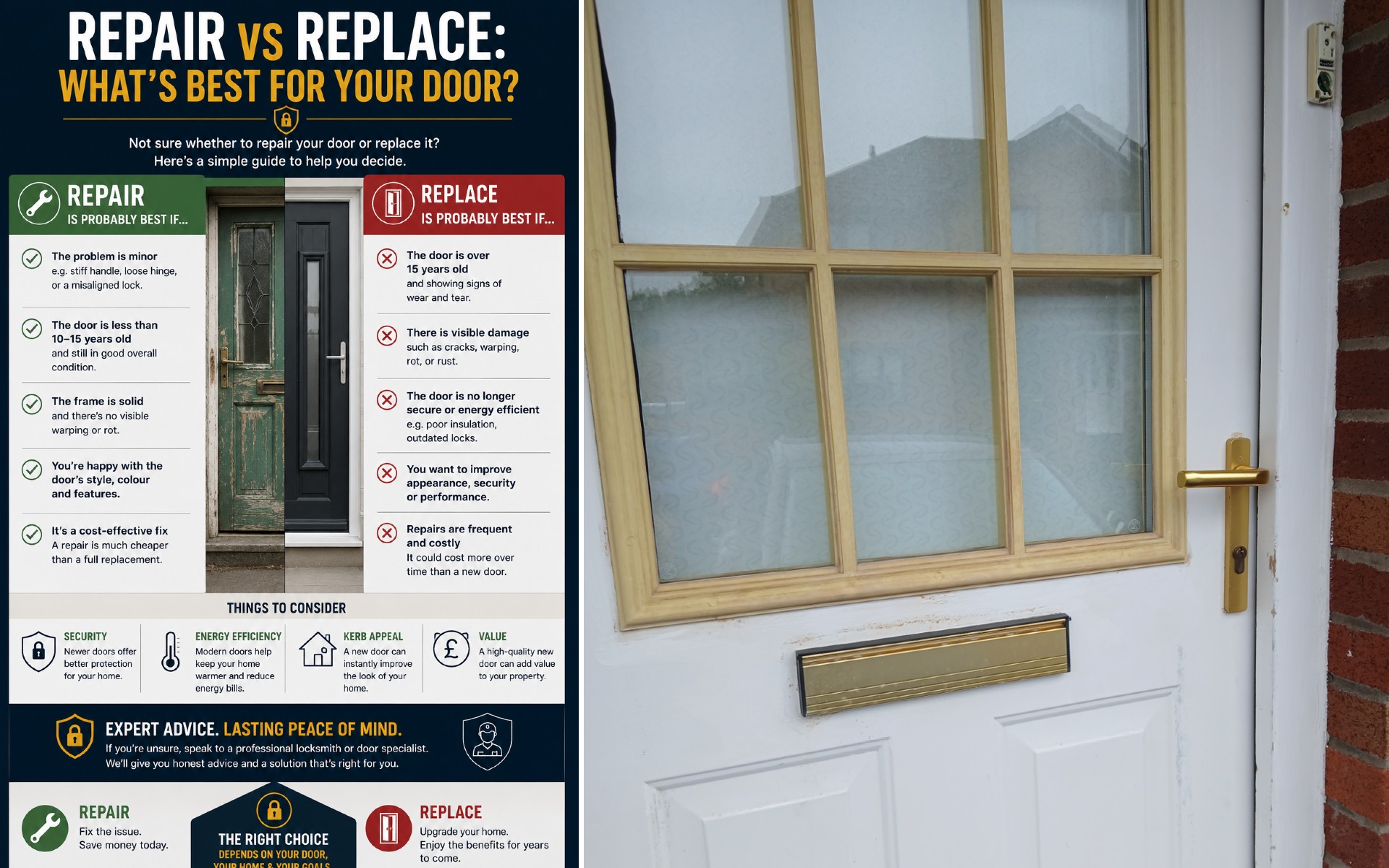
When a door develops a fault, many homeowners immediately assume they'll need a completely new door. It's a common misconception, and one that can lead to unnecessary expense. In reality, most uPVC and composite door problems are caused by worn or failed components rather than the door itself.
A quality uPVC or composite door can last for decades. Locks, gearboxes, hinges, handles and other moving parts naturally wear with age, but these components are designed to be repaired or replaced. In many cases, a professional repair can restore the door to smooth operation, improve security and add many more years of service at a fraction of the cost of replacement.
When a Repair Makes Sense
The vast majority of door faults involve replaceable components rather than the door slab or frame.
Common repairs include:
- Failed gearboxes.
- Broken multipoint locking mechanisms.
- Worn or failed hinges.
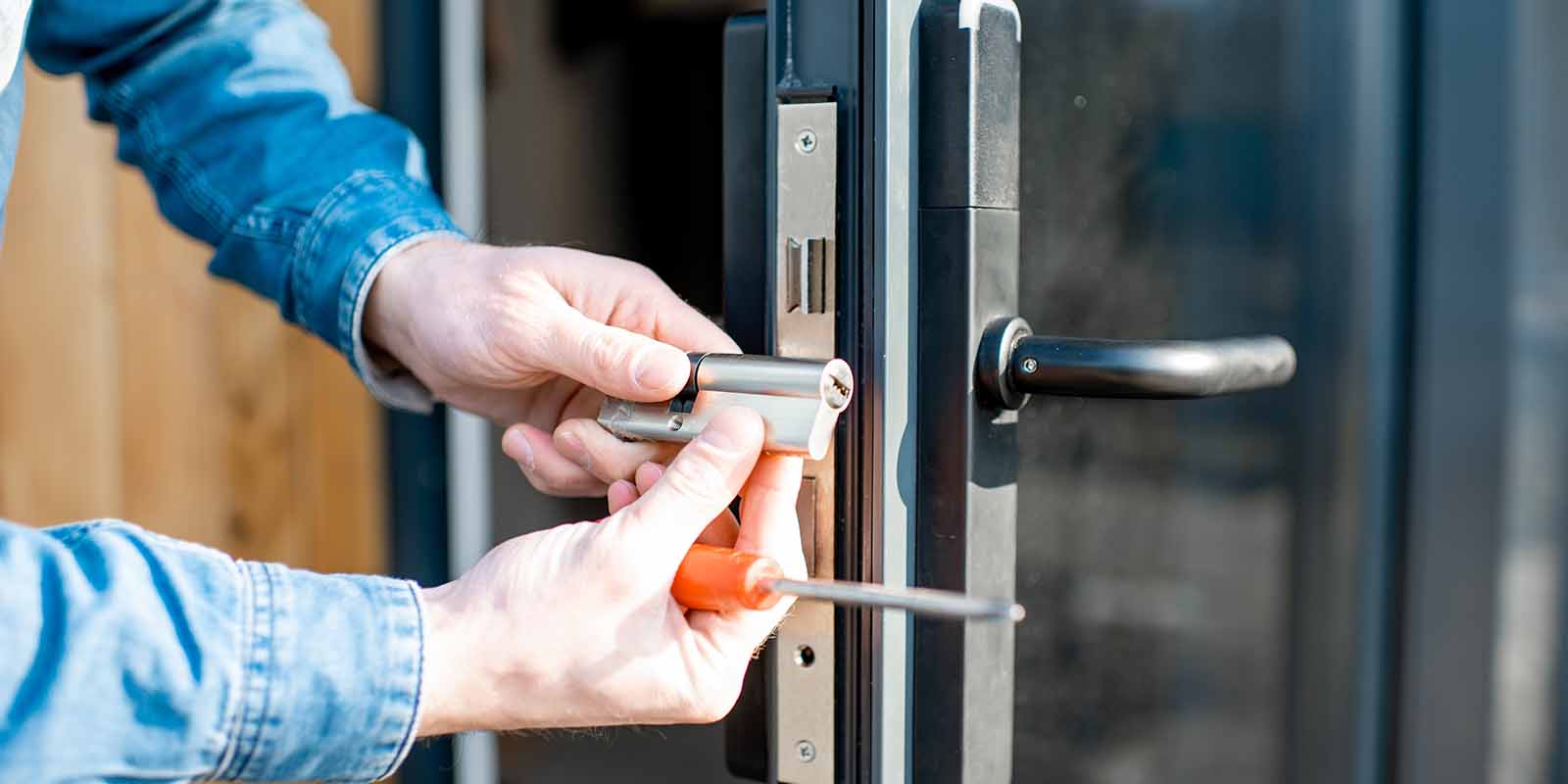
- Faulty euro cylinders.
- Broken or loose door handles.
- Damaged letterboxes.
- Misaligned doors.
- Seized hooks and rollers.
- Incorrectly adjusted keeps.
- Failed weather seals.
Replacing the faulty component and correctly realigning the door often restores it to full working order.
A New Door Isn't Always the Answer
I've attended countless properties where homeowners had been advised to replace an entire door when the actual fault was simply a failed gearbox, worn lock cylinder or alignment problem.
In many cases:
- The door slab is still in excellent condition.
- The frame remains structurally sound.
- Only one mechanical component has failed.
Replacing a component costing a few hundred pounds is usually far more sensible than replacing an entire door that could cost several thousand pounds once installation and finishing work are included.
Why Do Doors Develop Problems?
Most door faults occur because of normal wear rather than poor-quality doors.
Common causes include:
- Daily use.
- Door movement over time.
- Worn hinges.
- Poor alignment.
- Lack of maintenance.
- Seasonal expansion and contraction.
- Previous incorrect adjustments.
- Ageing mechanical components.
Understanding why the fault occurred is just as important as repairing it.
Repairing Obsolete Locking Mechanisms
Many older uPVC doors are fitted with locking mechanisms that are no longer manufactured.
This doesn't automatically mean the door needs replacing.
An experienced locksmith can often:
- Repair the original mechanism.
- Replace only the failed gearbox.
- Source obsolete replacement parts.
- Install compatible upgraded mechanisms.
- Secure the property temporarily while specialist parts are obtained.
This approach frequently saves homeowners a considerable amount of money.
The Importance of Correct Diagnosis
Replacing a failed component without identifying why it failed often results in the same problem returning.
For example:
If a gearbox has failed because the door has dropped, fitting another gearbox without correcting the alignment simply places the new gearbox under exactly the same strain.
Likewise:
- Replacing a stiff lock without correcting poor alignment.
- Fitting new handles to a failing gearbox.
- Changing the cylinder when the mechanism itself is faulty.
may only provide a temporary solution.
A thorough inspection should always identify both the fault and its underlying cause.
When Replacement Is the Better Option
Although repairs are often the most economical solution, there are situations where replacement makes sense.
Examples include:
- Cracked composite door slabs.
- Severely warped or rotten timber doors.
- Major structural damage.
- Doors damaged beyond economical repair.
- Frames that have significantly deteriorated.
- Serious accident or impact damage.
Even then, it's worth obtaining an independent assessment before committing to a replacement.
The Hidden Cost of a New Door
Many people compare the price of a repair with the advertised cost of a replacement door.
However, replacing a door often involves additional expenses such as:
- Removal of the existing door.
- Disposal costs.
- Installation labour.
- Internal making good.
- External finishing work.
- New furniture and hardware.
- Decorating afterwards.
- Possible plaster or trim repairs.
For flats and tenement properties, replacement doors may also need to comply with fire safety regulations, increasing costs further.
Environmental Benefits of Repairing
Repairing a door isn't just good for your wallet—it can also be better for the environment.
Repairing existing doors:
- Reduces waste.
- Keeps usable materials out of landfill.
- Minimises manufacturing demand.
- Makes better use of existing resources.
- Extends the service life of quality products.
Replacing only worn components is often the more sustainable option.
Long-Term Benefits of Professional Repairs
A properly repaired and adjusted door should:
- Open and close effortlessly.
- Lock smoothly.
- Allow the key to turn freely.
- Compress evenly against the weather seals.
- Eliminate draughts.
- Reduce strain on the locking mechanism.
- Improve home security.
- Extend the life of the gearbox, cylinder and handles.
Correct diagnosis and adjustment are just as important as fitting quality replacement parts.
Repair First, Replace Second
A reputable locksmith or door specialist should always investigate the fault before recommending a replacement.
This includes checking:
- Door alignment.
- Hinge condition.
- Multipoint locking mechanism.
- Gearbox operation.
- Lock cylinder.
- Handles.
- Keeps.
- Weather seals.
- Overall condition of the door and frame.
Only once the full condition of the door has been assessed can the most cost-effective solution be recommended.
Benefits of Repairing Your Existing Door
Repairing rather than replacing can offer many advantages:
- Lower overall cost.
- Less disruption.
- Faster completion.
- Retains your existing door.
- Improves security.
- Extends the life of the locking system.
- Environmentally responsible.
- Avoids unnecessary replacement.
In many cases, a quality repair provides years of additional reliable service.
Conclusion
A faulty lock, worn gearbox or dropped door doesn't automatically mean you need a new uPVC or composite door. Most problems are caused by individual components that can be repaired or replaced quickly and economically. The key is identifying the root cause of the fault rather than simply replacing failed parts. A professional repair that includes correcting door alignment and replacing worn components can restore smooth operation, improve security and significantly extend the lifespan of your existing door. Before committing to the considerable expense of a replacement door, it's always worth asking whether a repair could achieve the same result for a fraction of the cost.