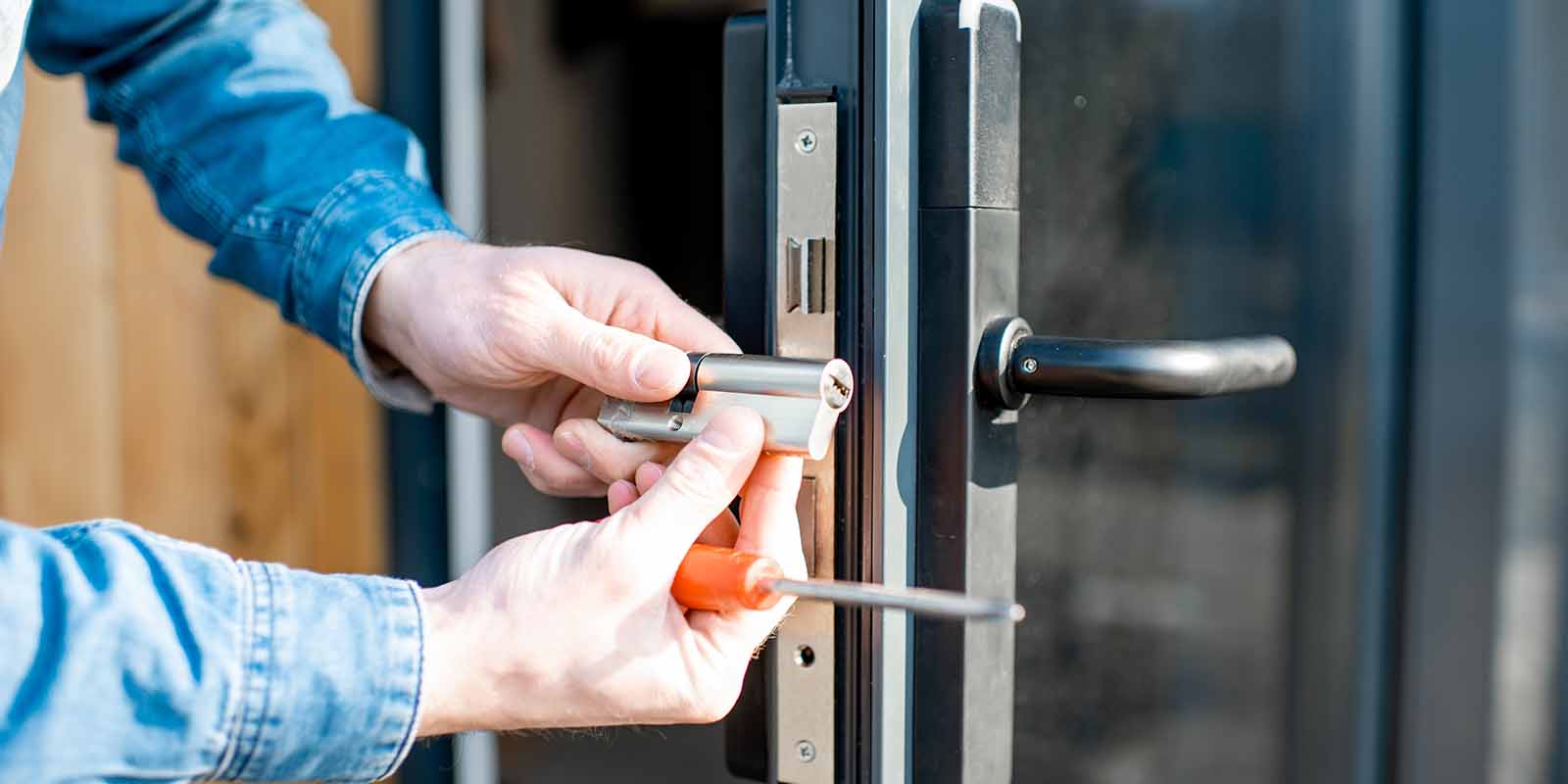
Moving into a new home is an exciting milestone, but before you finish unpacking, one of the first things you should consider is changing the locks. Even if the previous owner hands over every key they have, there's no way of knowing how many spare keys were cut over the years or who may still have one.
Changing the locks gives you complete control over who can access your property and provides valuable peace of mind from the very beginning.
You Don't Know Who Has Spare Keys
Over the years, spare keys may have been given to:
- Family members.
- Friends.
- Neighbours.
- Cleaners.
- Builders and tradespeople.
- Dog walkers.
- Previous tenants.
- Estate agents.
Even if every known key has been returned, there is no guarantee that additional copies don't exist.
Replacing the locks removes that uncertainty and ensures only you and the people you choose have access to your new home. Should You Change Locks After Losing a House Key? explains why controlling who has keys is an important part of home security.
It's a Good Time to Upgrade Your Security
Many homes are still fitted with older locks that no longer provide the level of protection expected today.
Moving house is the perfect opportunity to upgrade to modern, high-security locks that offer improved protection and greater reliability. If you're unsure whether your existing locks meet current standards, Are Your Door Locks Insurance Approved? explains what to look for.
Check Every External Door
Don't just think about the front door.
It's worth checking the locks on:
- Front doors.
- Back doors.
- Patio doors.
- French doors.
- Garage access doors.
- Side entrances.
Replacing all external locks at the same time means you know exactly who has access to every entry point.
A Lock Change Doesn't Mean a New Door
Many homeowners assume changing the locks involves replacing the entire locking system.
In reality, most locks can be replaced quickly without changing the door or the multipoint locking mechanism. What Happens During a Professional Lock Change? explains what happens during a typical lock replacement.
Carry Out a General Security Check
Moving in is also the ideal time to inspect the rest of your home's security.
Check for:
- Stiff or difficult locks.
- Loose handles.
- Doors that don't close properly.
- Damaged hinges.
- Older lock cylinders.
- Doors that have dropped out of alignment.
Identifying these issues early can prevent more expensive repairs later. Five Security Checks to Carry Out After Buying a Home provides a simple checklist.
Peace of Mind From the Start
Changing the locks isn't just about replacing old hardware—it's about knowing exactly who can enter your home.
Whether the previous owners were careful with their keys or not, replacing the locks removes any uncertainty and allows you to start fresh.
A Simple Job That Makes a Big Difference
Changing the locks when moving into a new home is one of the simplest and most cost-effective security improvements you can make. It gives you complete control over access to your property, provides an opportunity to upgrade older locks and helps you settle into your new home with confidence. For more ideas on protecting your property, Home Security Improvements That Don't Cost a Fortune and Security Checks Every Homeowner Should Carry Out offer practical advice that can further improve your home's security.