Moving into a new home is exciting, but security is often overlooked amongst the unpacking, decorating and paperwork. The reality is that you don't know who may still have keys to the property or whether the locks and doors are providing the level of security you expect.
Carrying out a few simple checks after moving in can help give you peace of mind and improve your home's security from day one.
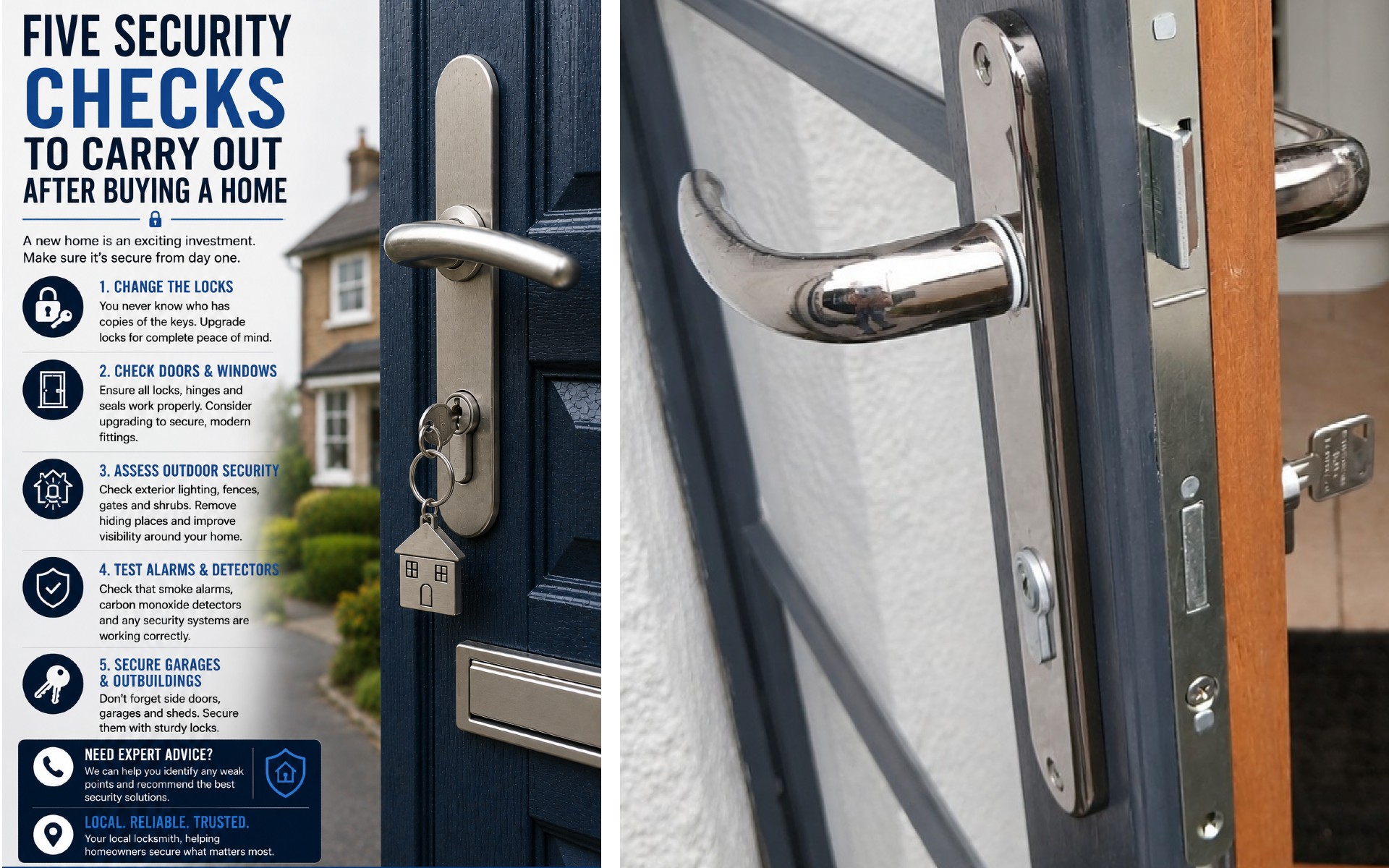
1. Change the Locks
The first security check should be the locks themselves.
Previous homeowners may have given keys to:
- Family members
- Friends
- Neighbours
- Cleaners
- Builders
- Tradespeople
Even if all keys were handed over, there is no way of knowing how many copies exist.
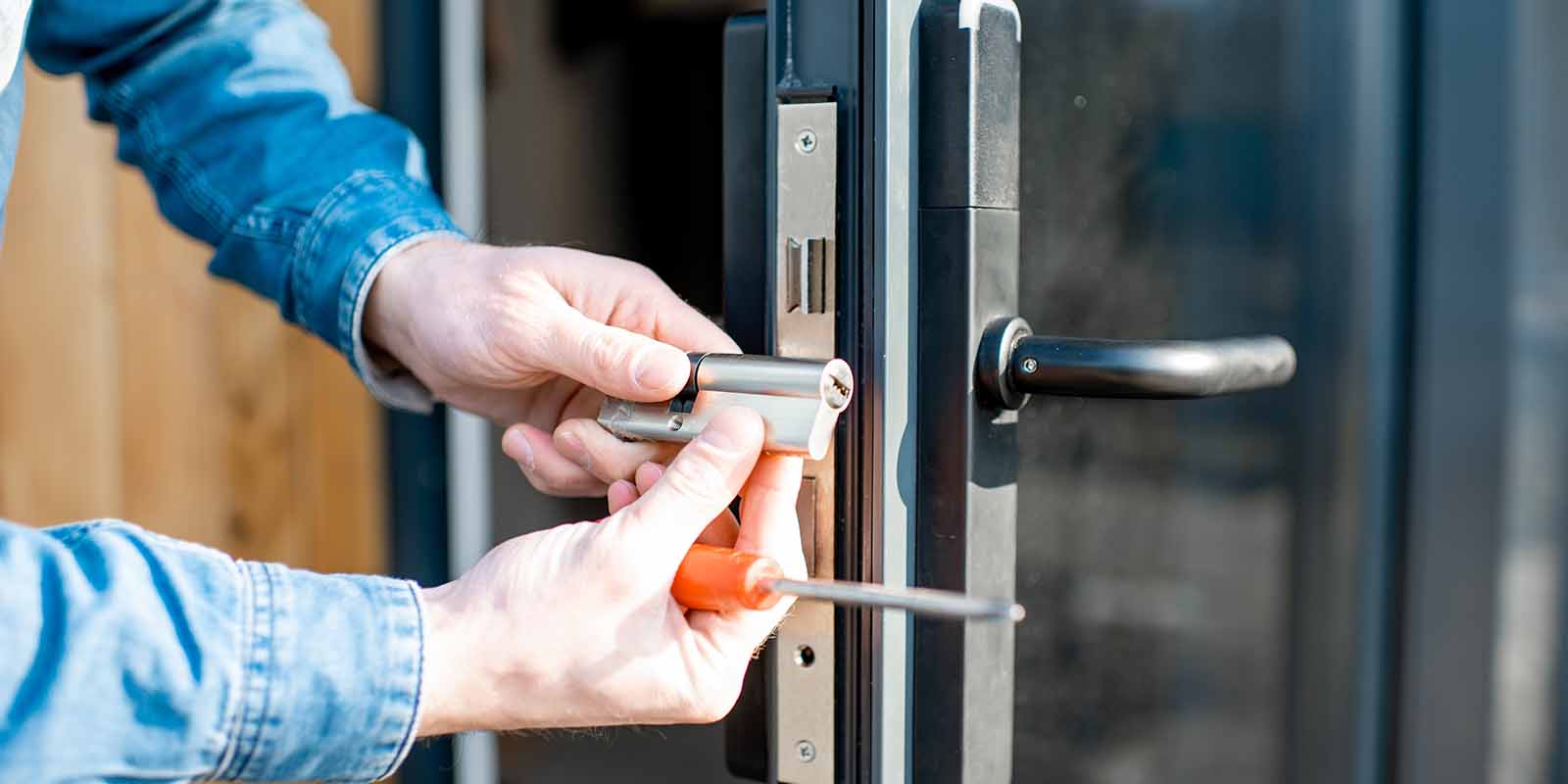
Replacing the locks means you know exactly who has access to your new home. Why Change the Locks When Moving Into a New Home? explains why this is one of the first jobs many homeowners choose to do after moving in.
2. Check the Condition of Your Door Locks
Not all locks offer the same level of protection.
Take a look at your external doors and check:
- Do the locks operate smoothly?
- Are the cylinders the correct size?
- Do they protrude beyond the handles?
- Are they older standard cylinders?
- Upgrading older locks on wooden doors.
Many homeowners take the opportunity to upgrade to modern, higher-security locks when they move in. Are Your Door Locks Insurance Approved? explains why choosing the right lock can be important for both security and insurance.
3. Test Every Door and Window
Walk around the property and test every external door and accessible window.
Check for:
- Stiff locks.
- Loose handles.
- Doors catching the frame.
- Windows that don't lock properly.
- Missing keys for window locks.
Identifying problems early is far easier than discovering them during an emergency. If you find a fault, Repair vs Replace: What's Best for Your Door? explains when a repair is usually all that's needed.
4. Inspect Door Alignment and Security Hardware
A secure lock is only part of the picture.
Check that:
- Doors close properly.
- Handles are secure.
- Hinges are tight.
- Multipoint locks engage fully.
- Frames are in good condition.
A dropped or poorly aligned door can reduce security and place unnecessary strain on the locking mechanism. If a lock feels stiff or difficult to operate, it's worth having it checked before it fails completely. Signs Your Lock Is Wearing Out explains the warning signs to look for.
5. Review Other Access Points
Burglars don't always use the front door.
Take time to inspect:
- Back doors.
- Patio doors.
- French doors.
- Side entrances.
- Garages.
- Gates.
- Sheds and outbuildings.
- Are all the keys accounted for?
Make sure all access points can be secured properly and that any locks are functioning correctly. Improving security doesn't always require expensive upgrades—Home Security Improvements That Don't Cost a Fortune includes several simple improvements that can make a real difference.
Bonus Tip: Check Exterior Lighting
Good lighting can be an effective deterrent.
Make sure:
- Security lights work.
- Bulbs are functioning.
- Entrance areas are well lit.
- Motion sensors activate correctly.
A well-lit property is often less attractive to opportunist burglars. Combined with good-quality locks and secure doors, it's one of the simplest ways to improve your home's security. Why Door Security Matters More Than Alarm Systems explains why strong physical security should always be your first line of defence.
Start as You Mean to Go On
Buying a home is the perfect time to review your security. A few simple checks can help ensure your locks, doors and access points are secure while giving you confidence that you're the only person with access to your property. If you've already decided to replace the locks, What Happens During a Professional Lock Change? explains the process, while Moved Into a New Home? Consider a Lock Change looks at the wider benefits of starting with a completely fresh set of keys.