Introduction
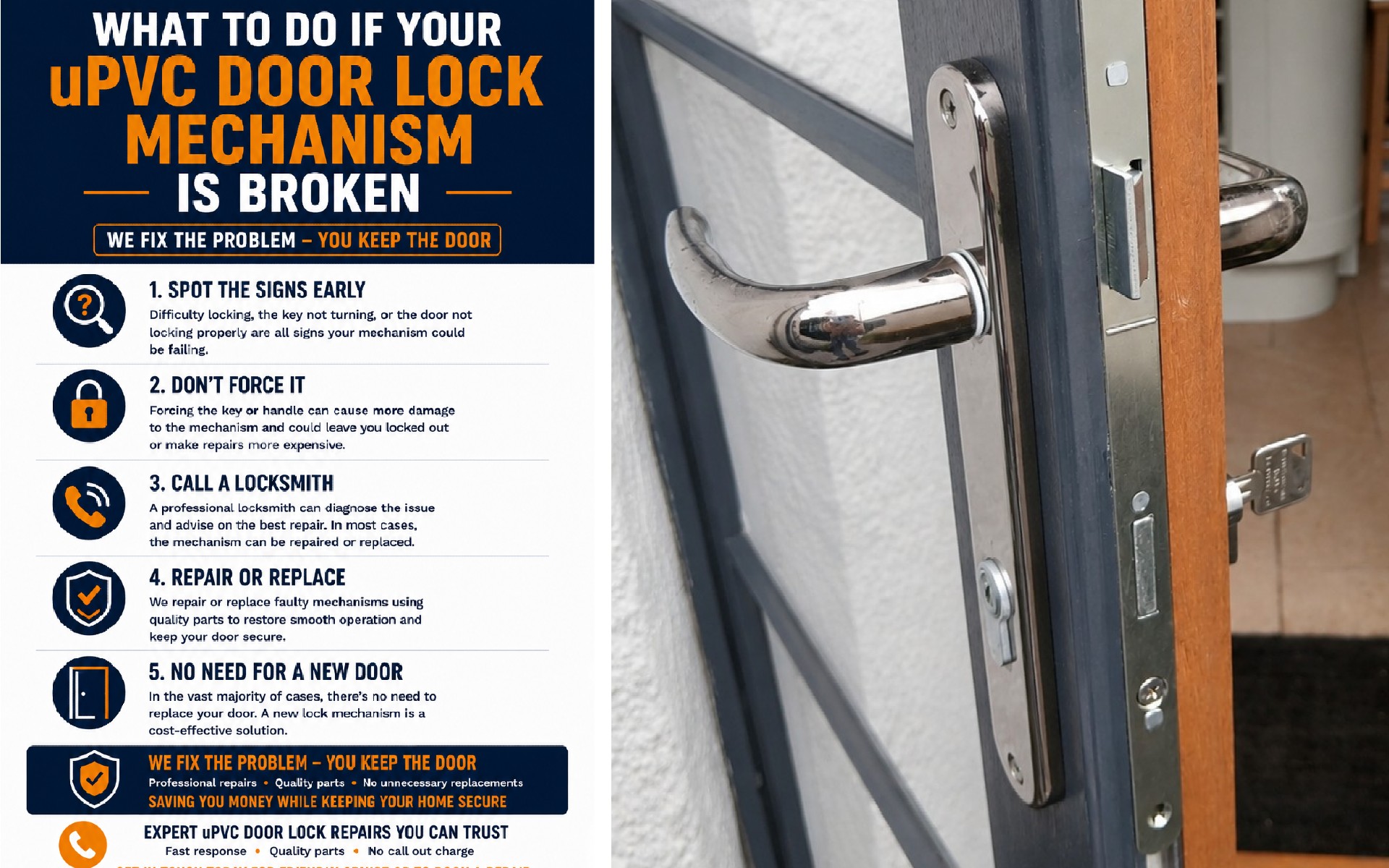
A broken uPVC door lock mechanism can be frustrating, especially if your door won't lock, won't open, or the handle suddenly stops working. While it's tempting to assume the entire door needs replacing, that's rarely the case.
In most situations, the fault lies within the multipoint locking mechanism itself, and the door can usually be restored by replacing the failed components. Identifying the exact cause of the problem is the key to achieving a reliable, long-lasting repair.
Signs the Lock Mechanism Has Failed
A faulty multipoint locking mechanism will often show warning signs before it fails completely.
Common symptoms include:
- The handle won't lift.
- The handle lifts but nothing happens.
- The key turns but the door won't unlock.
- The door won't lock properly.
- The locking points don't engage.
- The mechanism feels stiff or rough.
- The door is jammed shut.
- The key becomes increasingly difficult to turn.
If you notice any of these problems, it's best to stop using excessive force and have the cause investigated before further damage occurs.
Don't Force the Handle or Key
One of the biggest mistakes homeowners make is trying to overcome a stiff lock by applying more pressure.
Excessive force can damage:
- The gearbox.
- The locking points.
- Internal linkages.
- The lock cylinder.
- Door handles.
- The complete multipoint mechanism.
A repair that may have required only a gearbox replacement can quickly become a full mechanism replacement if the lock continues to be forced.
Check Whether the Door Has Dropped
Many lock mechanism failures actually begin with poor door alignment rather than a faulty lock.
Look for signs such as:
- The door catching the frame.
- Uneven gaps around the door.
- Having to push or pull the door before it locks.
- Scrape marks on the keeps.
- A handle that's becoming progressively harder to lift.
- Draughts appearing around the door.
If the door has dropped, the locking mechanism has probably been operating under unnecessary strain for some time.
It Could Be the Gearbox
The gearbox is the central operating component of a multipoint locking system and is one of the parts most likely to wear.
Common signs of gearbox failure include:
- The handle moves without operating the lock.
- The key turns but nothing releases.
- The locking points remain engaged.
- The mechanism feels loose or inconsistent.
- The handle feels floppy.
If the rest of the mechanism is still in good condition, replacing the gearbox is often the most cost-effective repair.
Sometimes the Whole Mechanism Needs Replacing
Not every failed lock can be repaired by fitting a new gearbox.
A complete multipoint locking mechanism may be required where there is:
- Extensive internal wear.
- Broken connecting rods.
- Damaged hooks or rollers.
- Seized locking points.
- A damaged faceplate.
- An obsolete mechanism that can no longer be repaired economically.
- Damaged locking points top or bottom.
A proper diagnosis will determine whether replacing the gearbox alone is sufficient or whether a complete mechanism replacement is the better long-term solution.
The Lock Cylinder May Also Be Contributing
Sometimes the locking mechanism isn't the only worn component.
A failing lock cylinder may cause:
- A stiff key.
- Difficulty removing the key.
- Rough operation.
- Intermittent locking.
- Keys sticking or turning inconsistently.
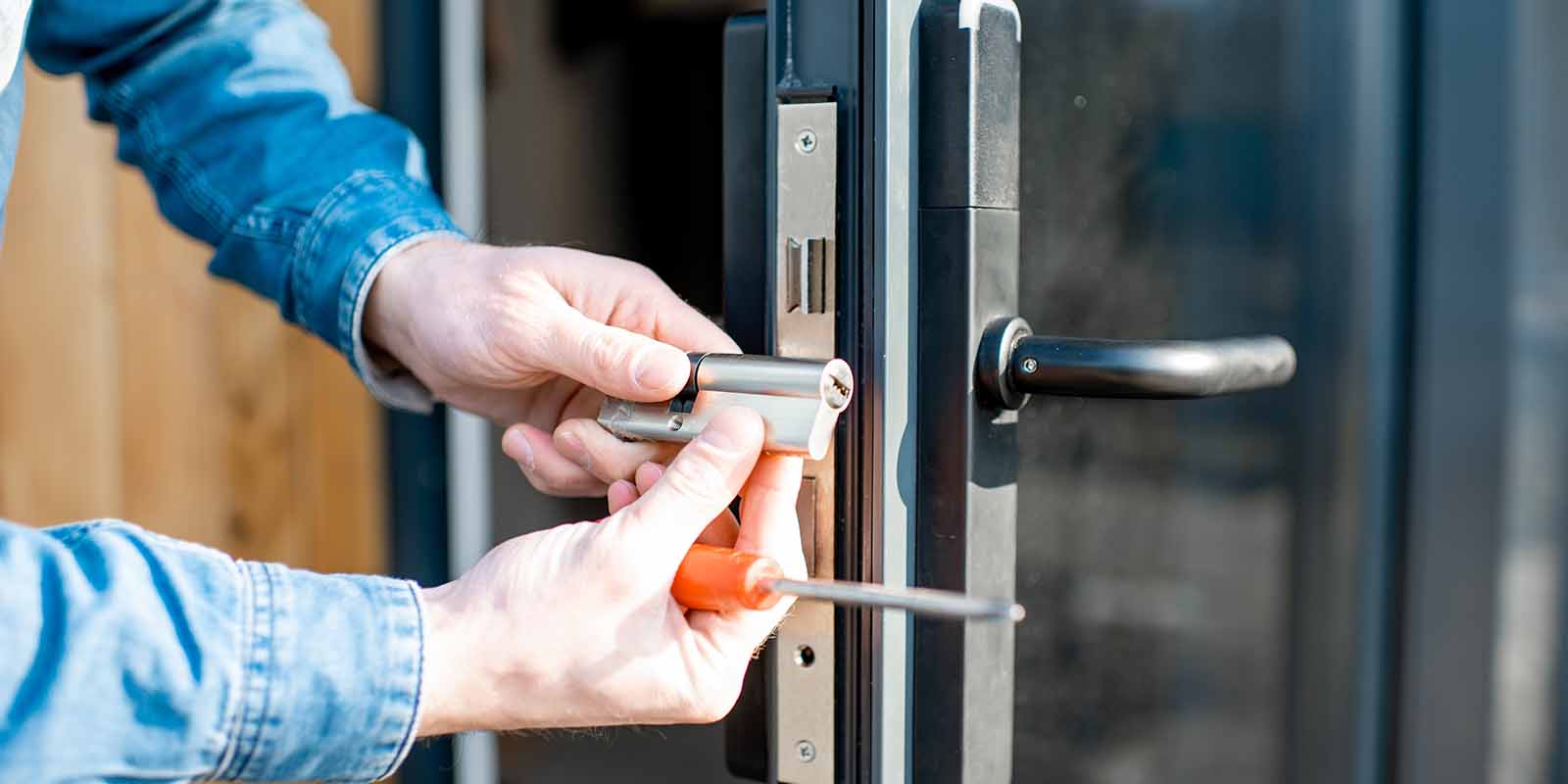
Replacing the cylinder at the same time can restore smoother operation and provides an opportunity to upgrade to a correctly sized, snap-resistant cylinder for improved security.
Worn Handles Can Add to the Problem
Door handles experience constant daily use and naturally wear over time.
Signs they may need replacing include:
- Loose handles.
- Drooping handles.
- Broken return springs.
- Cracked backplates.
- Excessive movement.
While replacing the handles can improve operation, they won't solve an underlying gearbox or mechanism fault. Both components should always be assessed together.
Don't Assume You Need a New Door
It's common for homeowners to be told they need a replacement uPVC door when only the locking mechanism has failed.
In reality, many doors can be restored by replacing:
- The gearbox.
- The complete multipoint mechanism.
- The lock cylinder.
- Worn handles.
- Hinges where necessary.
These repairs are usually far more cost-effective than replacing the entire door while restoring smooth operation and maintaining security.
Door Realignment Is an Essential Part of the Repair
Replacing the failed mechanism is only half the job.
If the door has dropped, the new gearbox or mechanism will continue working under the same strain unless the alignment is corrected.
A professional repair should always include checking and adjusting the door so that:
- The handle lifts easily.
- The key turns smoothly.
- Every locking point engages correctly.
- The door seals properly against the frame.
- The new mechanism operates without unnecessary pressure.
- The repair provides the longest possible service life.
Correct alignment is one of the most important factors in preventing repeat gearbox and mechanism failures.
Prevent Future Lock Problems
Once your door has been repaired, a little maintenance can help extend the life of the locking system.
Simple steps include:
- Avoid forcing a stiff handle or key.
- Investigate locking problems as soon as they appear.
- Lubricate hooks, rollers and locking points periodically.
- Keep the door correctly aligned.
- Replace worn handles before they fail.
- Upgrade ageing lock cylinders when necessary.
These simple measures can significantly reduce wear on the mechanism and help prevent unexpected lockouts.
Most Broken uPVC Door Lock Mechanisms Can Be Repaired
A broken uPVC door lock mechanism rarely means you need a new door. Most faults are caused by worn components, poor alignment, or a failed gearbox that can be repaired without replacing the entire door.
By diagnosing the fault correctly, replacing only the components that have actually failed, and ensuring the door is properly realigned afterwards, it's usually possible to restore smooth operation, improve security and avoid the unnecessary expense of a replacement door.
Related guides: