Introduction
A jammed uPVC door is one of the most inconvenient problems a homeowner can face. It often happens without warning, leaving you unable to lock your door, secure your home or, in some cases, even gain access. While it can be tempting to assume the entire door needs replacing, that's rarely the case.
Most jammed doors are caused by faults within the multi-point locking system, poor door alignment or worn components. Recognising the early warning signs and understanding why these faults occur can help prevent a minor issue from becoming a major repair.
Failed Gearbox
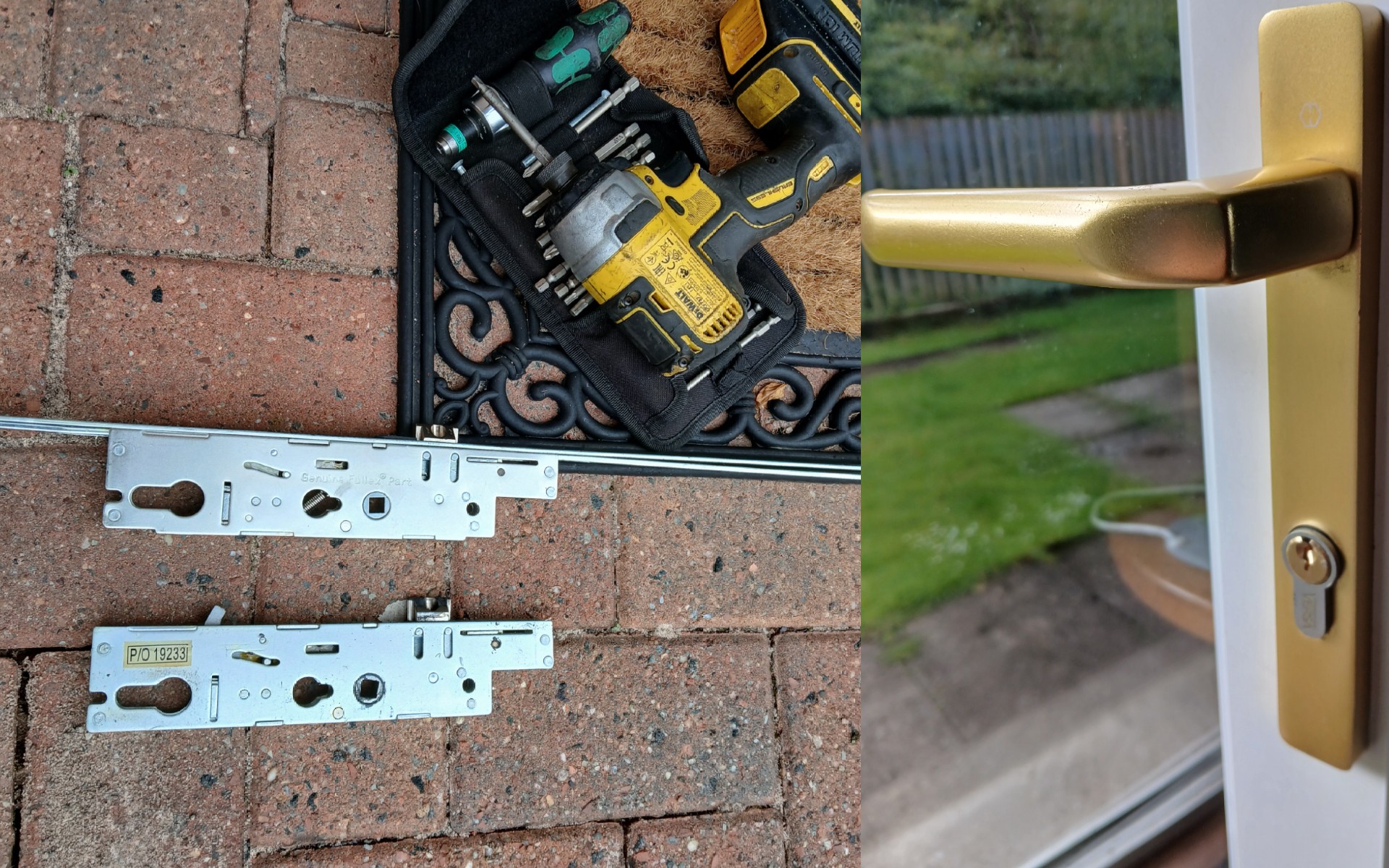
The gearbox is the central operating component of a multi-point locking mechanism. It controls the movement of the hooks, rollers, deadbolts and latch every time the handle is lifted or the key is turned.
When a gearbox begins to fail, you may notice:
- The handle lifts but nothing happens.
- The key turns but the lock doesn't operate.
- The door won't lock or unlock.
- The handle feels loose or floppy.
- The locking points fail to move correctly.
A failed gearbox is one of the most common causes of a jammed uPVC door. In many cases, the gearbox can be replaced without changing the complete locking mechanism.
Door Out of Alignment
Poor door alignment is one of the biggest contributors to lock failure.
Over time, a door may move slightly due to:
- Everyday use.
- Worn hinges.
- Building movement.
- Seasonal expansion and contraction.
As the door drops, the locking points no longer line up correctly with the keeps on the frame. Every time the handle is lifted, extra strain is transferred through the gearbox and locking mechanism.
Common warning signs include:
- The door catching the frame.
- Difficulty lifting the handle.
- Having to push or pull the door to lock it.
- Uneven gaps around the door.
- Draughts entering the property.
- The key becoming stiff to turn.
If left uncorrected, this constant strain can eventually lead to complete mechanism failure.
Seized Hooks and Locking Points
Hooks, rollers, mushrooms and deadbolts should move freely every time the handle is operated.
Over the years they can become stiff due to:
- Dirt build-up.
- Corrosion.
- Lack of lubrication.
- General wear.
When locking points seize, they place additional pressure on the gearbox and can eventually prevent the mechanism from retracting fully, leaving the door jammed.
Broken Springs and Internal Components
Inside every multi-point locking mechanism are numerous springs, followers and moving parts.
After years of daily use these components can:
- Wear.
- Fatigue.
- Crack.
- Break completely.
When this happens, the mechanism may become stuck in either the locked or unlocked position.
Faulty Euro Cylinder
Sometimes the locking mechanism is working perfectly, but the euro cylinder has failed internally.
Typical symptoms include:
- The key won't turn.
- The key turns endlessly without operating the lock.
- The key only works from one side.
- The cylinder becomes completely seized.
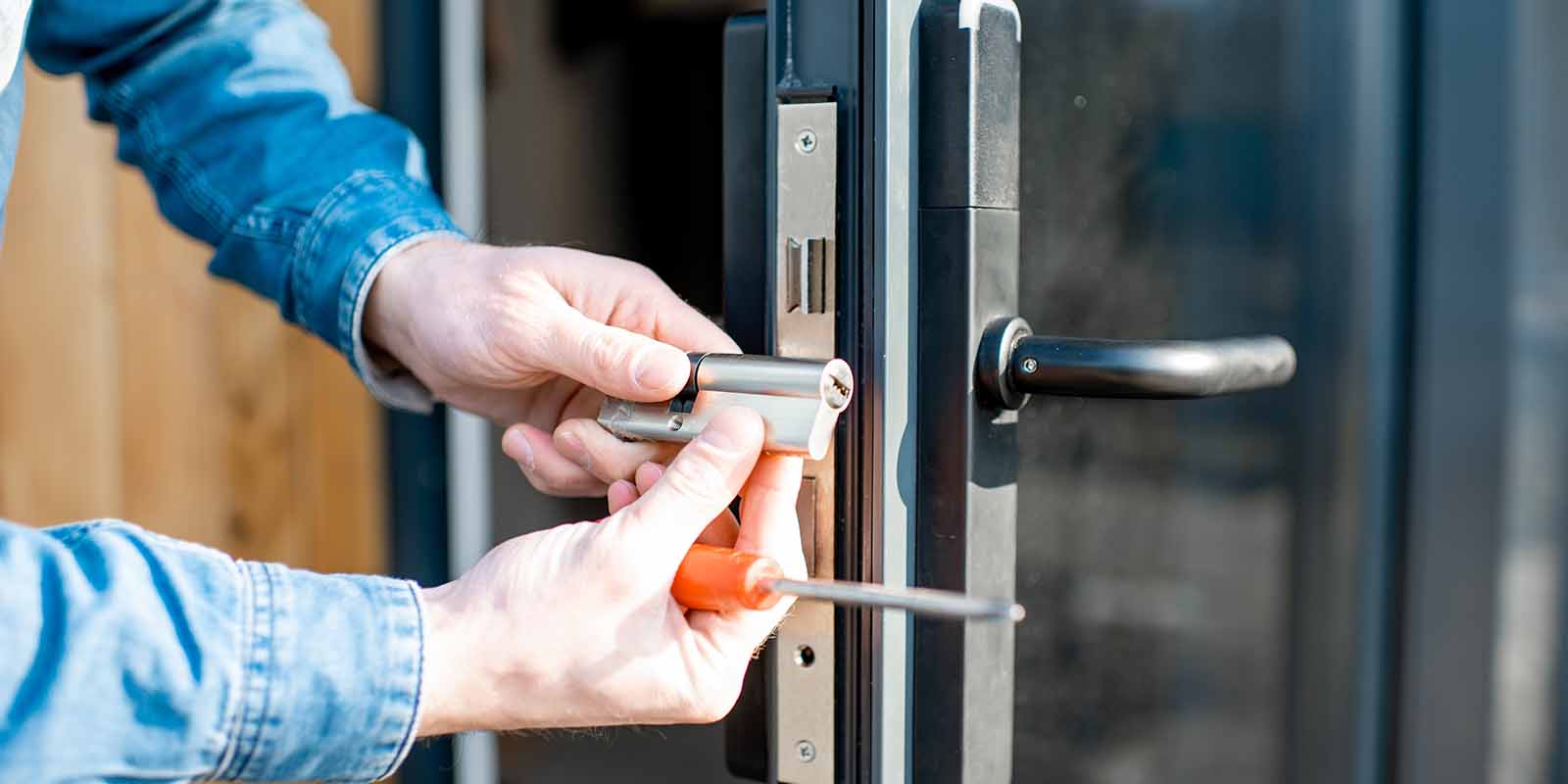
Replacing the cylinder is often a straightforward repair and can also provide an opportunity to upgrade to a modern anti-snap lock.
Obsolete or Worn Mechanisms
Many uPVC doors fitted 15 to 25 years ago are still using their original locking mechanisms.
Although many have provided years of reliable service, eventually:
- Internal components wear.
- Springs weaken.
- Moving parts become loose.
- Replacement parts become obsolete.
This doesn't necessarily mean the door needs replacing. In many cases, replacement gearboxes or complete mechanisms can still be sourced or suitable alternatives fitted.
Poor Previous Repairs
Not every repair is carried out correctly.
Problems I regularly encounter include:
- Incorrect repair mechanisms.
- Wrong replacement gearboxes.
- Poorly adjusted keeps.
- Incorrectly sized cylinders.
- Doors left badly aligned.
- Low-quality replacement parts.
These repairs may temporarily get the door working, but they often place unnecessary strain on the locking system and can lead to repeat failures.
Lack of Maintenance
Many locking mechanisms receive no maintenance throughout their entire lifespan.
Without occasional servicing:
- Lubrication dries out.
- Dirt accumulates.
- Locking points become stiff.
- Hinges gradually move.
- Wear accelerates.
Simple maintenance once or twice a year can help keep the mechanism operating smoothly and significantly extend its lifespan.
Why You Shouldn't Force a Jammed Door
If your door becomes difficult to operate, avoid forcing the key or handle.
Excessive force can cause:
- Broken gearboxes.
- Snapped keys.
- Bent locking points.
- Broken handles.
- Complete mechanism failure.
What may have started as a simple alignment issue can quickly become a much more expensive repair.
How to Prevent a uPVC Door from Jamming
Many lock failures can be avoided by addressing small problems early.
Good preventative maintenance includes:
- Keeping the door correctly aligned.
- Lubricating locking points regularly.
- Checking hinges for wear.
- Replacing worn handles.
- Investigating stiff keys promptly.
- Having alignment issues corrected before they place excessive strain on the mechanism.
These simple checks can often prevent unexpected lockouts and extend the life of the entire locking system.
Most Jammed Doors Can Be Repaired
The good news is that a jammed uPVC door rarely means the entire door needs replacing. In most cases, an experienced locksmith can identify the cause of the fault, gain entry using the least destructive method possible, repair or replace the failed components, and fully realign the door. Correcting both the fault and the underlying cause helps restore smooth operation, improve security and reduce the risk of the problem happening again.
Conclusion
A jammed uPVC door is usually the result of gradual wear rather than a sudden failure. Problems such as poor alignment, worn gearboxes, seized locking points, faulty cylinders and lack of maintenance often develop over months before finally causing the door to jam. Recognising the warning signs and dealing with them early can prevent inconvenient lockouts, reduce repair costs and extend the lifespan of your door. In most cases, a professional repair is all that's needed to restore reliable operation without the expense of replacing the entire door.