Introduction
A uPVC door that suddenly won't lock can be both frustrating and a security concern, particularly if you're unable to leave your home or secure it properly. Fortunately, a door refusing to lock doesn't usually mean you need a new door. In most cases, the problem lies with a worn component, poor door alignment or a fault within the multi-point locking mechanism.
The key to a successful repair is identifying the root cause rather than simply replacing parts. Correcting the underlying problem not only restores smooth operation but also helps prevent the same fault from returning.
The Door Has Dropped
One of the most common reasons a uPVC door won't lock is that it has dropped slightly out of alignment.
As doors age, hinges can wear, buildings can settle, and seasonal movement can cause the door to shift by just a few millimetres. Although the movement is often small, it is enough to stop the locking points lining up correctly with the keeps fitted to the frame.
Common signs include:
- The door rubbing on the frame.
- The handle becoming difficult to lift.
- The key becoming stiff to turn.
- Having to push or pull the door to lock it.
- Uneven gaps around the door.
- Draughts around the seals.
- Lock becomes stiff to operate.
A professional realignment often restores smooth operation while reducing strain on the locking mechanism.
Failed Gearbox
The gearbox is the heart of a multi-point locking mechanism.
It controls the movement of the hooks, rollers, mushrooms, deadbolts and latch. When it begins to fail, the entire locking system is affected.
Typical symptoms include:
- The handle lifts but nothing happens.
- The key turns but the lock doesn't engage.
- The handle feels loose or floppy.
- The locking points don't move correctly.
- The door won't lock from inside or outside.
In many cases, the gearbox can be replaced without replacing the complete locking mechanism, making the repair far more economical.
Seized Locking Points
Every locking point should move freely.
Over time, hooks, rollers and deadbolts can become stiff through:
- Dirt.
- Corrosion.
- Lack of lubrication.
- General wear.
When they seize, the gearbox has to work much harder every time the handle is lifted.
If ignored, this additional strain often leads to premature gearbox failure.
Faulty Euro Cylinder
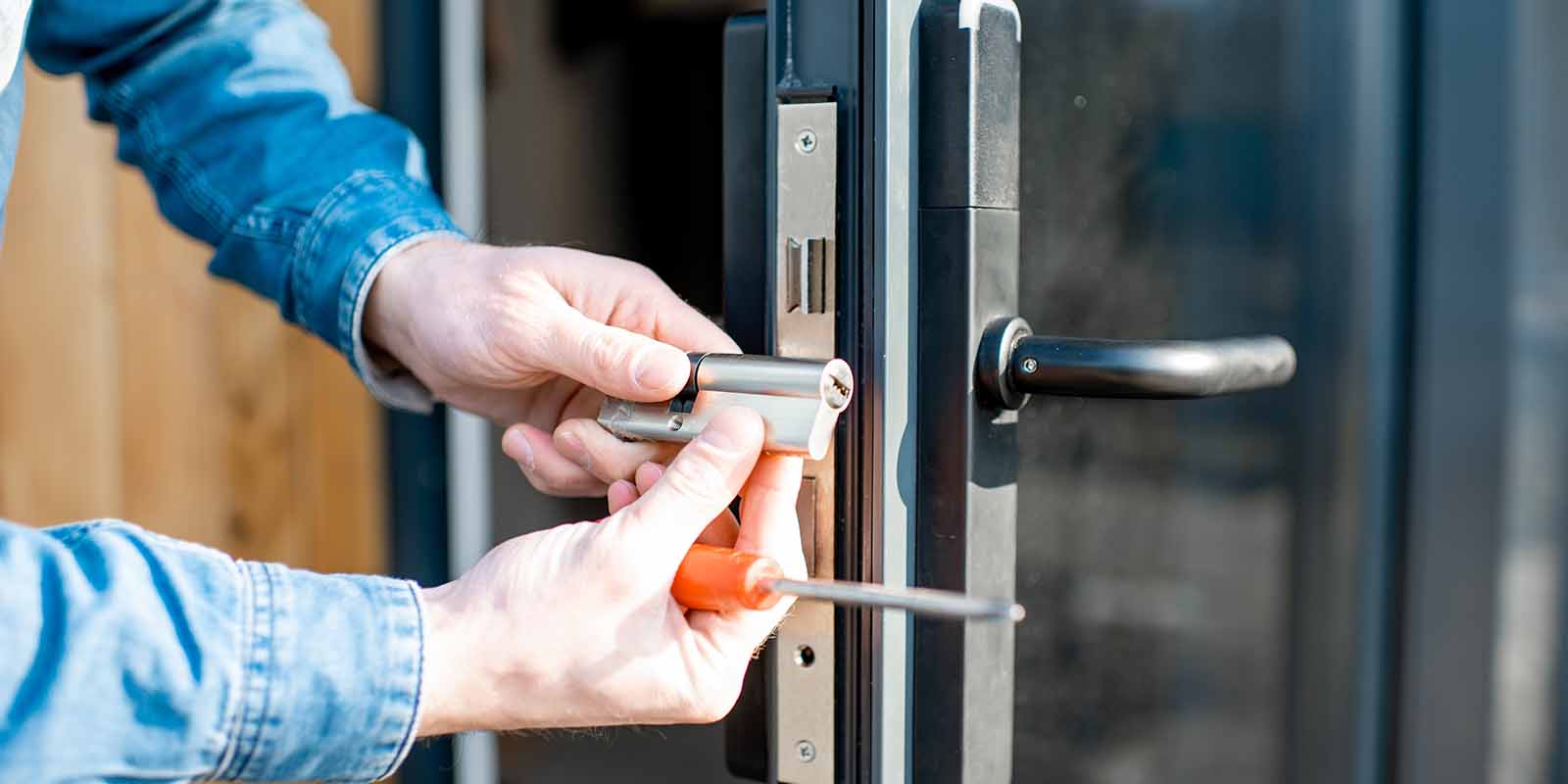
Sometimes the problem isn't the mechanism at all but the euro cylinder itself.
Common symptoms include:
- The key won't turn.
- The key feels rough or stiff.
- The key works from one side but not the other.
- The lock works intermittently.
- The key becomes difficult to remove.
Replacing a worn cylinder is usually a straightforward repair that restores reliable operation and provides an opportunity to upgrade to a modern anti-snap cylinder.
Misaligned Keeps
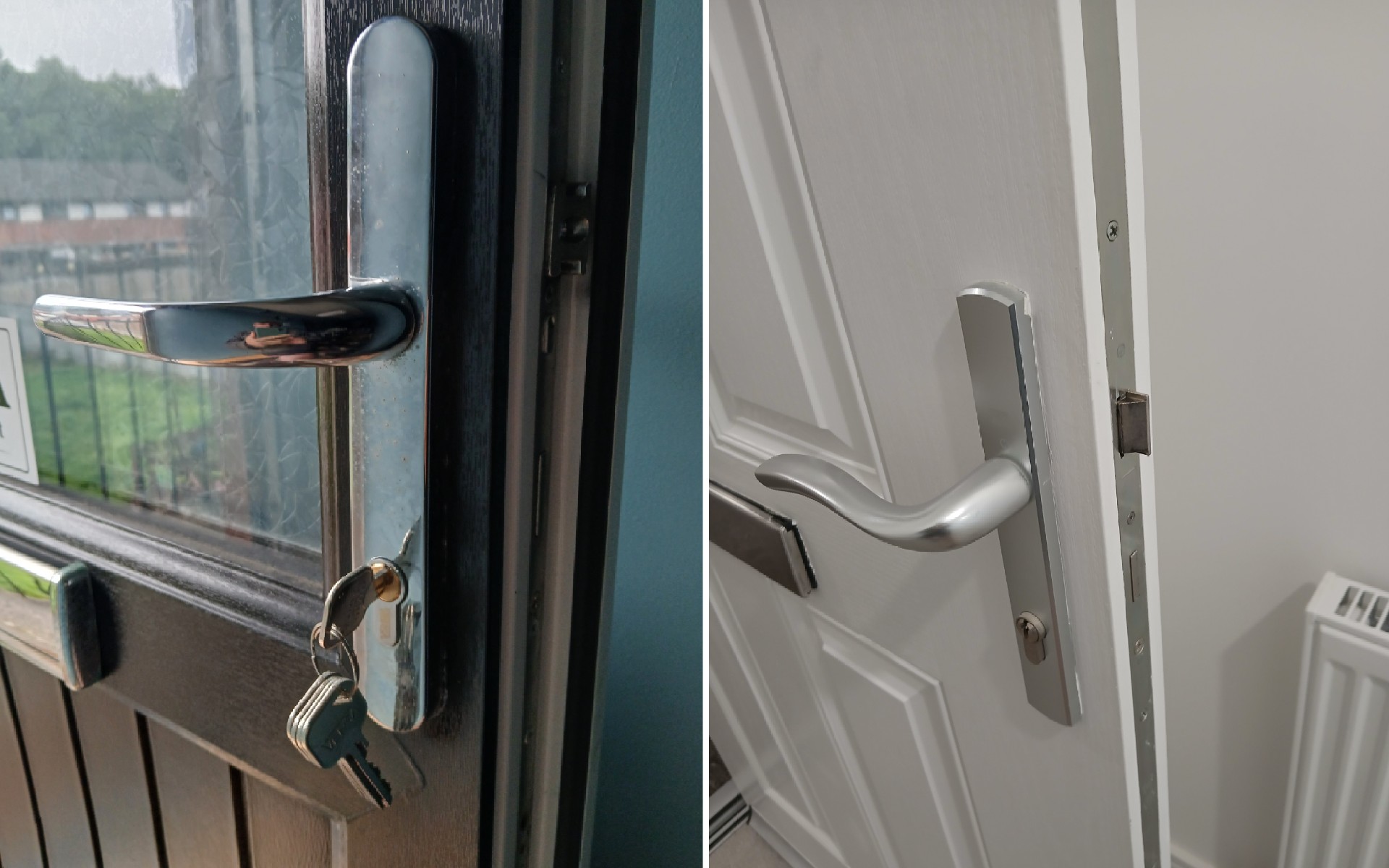
The keeps are the receivers fitted to the frame that accept the locking points.
If they have moved slightly or were previously adjusted incorrectly, the hooks and rollers may struggle to engage.
This often results in:
- Heavy handle operation.
- Difficulty locking the door.
- Increased wear on the gearbox.
- Extra strain on the lock cylinder.
Correctly positioning the keeps allows the locking points to engage smoothly without resistance.
Worn Door Handles
Door handles can also contribute to locking problems.
Common faults include:
- Broken return springs.
- Loose backplates.
- Worn spindles.
- Handles failing to return fully.
A faulty handle can make it appear that the locking mechanism has failed when the real problem lies with the handle itself.
Quality sprung handles help support the gearbox and reduce long-term wear.
Door Expansion and Contraction
uPVC doors naturally expand and contract with changes in temperature.
During hot weather, the door may expand slightly and become tighter within the frame. Cold weather can also highlight existing alignment issues that were previously unnoticed.
If your door only becomes difficult to lock during certain times of the year, seasonal movement may be contributing to the problem.
Lack of Maintenance
Many uPVC doors receive little or no maintenance throughout their lifetime.
Without occasional servicing:
- Locking points become dry.
- Dirt accumulates.
- Hinges wear unnoticed.
- Alignment gradually deteriorates.
- Gearboxes work under increasing strain.
Simple maintenance once or twice a year can significantly extend the life of the entire locking system.
Don't Force the Lock
If your door becomes difficult to lock, avoid forcing the handle or key.
Applying excessive force can result in:
- A failed gearbox.
- Broken handles.
- Bent locking points.
- A snapped key.
- A completely jammed door.
A relatively minor adjustment today is often far less expensive than an emergency repair after something breaks.
Why Did the Lock Fail?
A failed lock is often the final symptom rather than the original problem.
Common underlying causes include:
- Poor door alignment.
- Dropped hinges.
- Seized locking points.
- Worn handles.
- Lack of maintenance.
- Incorrectly positioned keeps.
- Years of excessive strain on the gearbox.
Replacing the faulty component without correcting these issues can result in the same failure happening again.
How to Prevent Future Problems
Regular maintenance can help prevent unexpected lock failures.
Good practice includes:
- Keeping the door properly aligned.
- Lubricating locking points with a suitable lubricant.
- Checking hinges for movement.
- Replacing worn handles promptly.
- Investigating stiff locks early.
- Having the door adjusted if it begins catching the frame.
These simple steps help reduce wear and extend the lifespan of the lock, gearbox and multi-point mechanism.
Most uPVC Door Lock Problems Can Be Repaired
The good news is that most uPVC doors that won't lock can be repaired without replacing the entire door. Whether the cause is a dropped door, failed gearbox, faulty euro cylinder, seized locking points or incorrectly adjusted keeps, repairing the underlying fault is usually quicker and far more cost-effective than replacing the whole door.
Conclusion
A uPVC door that won't lock is usually trying to tell you that something within the locking system needs attention. In many cases, the problem develops gradually, with warning signs such as stiff handles, difficult keys or the door catching the frame appearing long before complete failure occurs. By identifying the true cause—whether it's poor alignment, a worn gearbox, seized locking points or a faulty cylinder—the door can often be restored to smooth, reliable operation without the expense of a replacement. Addressing problems early not only improves security but also helps extend the lifespan of the entire locking system and reduces the likelihood of an inconvenient lockout in the future.