Introduction
Most door locks don't suddenly fail without warning. In many cases, they give clear signs that something is wrong long before they stop working altogether. A key that becomes difficult to turn, a cylinder that feels loose, or a lock that only works intermittently are all indicators that it's time to investigate the problem.
Replacing a worn lock before it fails completely can help avoid inconvenient lockouts, emergency call-outs, damaged keys, and more expensive repairs. In some cases, replacing the lock is also an opportunity to significantly improve your home's security by upgrading to modern, high-security hardware.
The Key Is Becoming Difficult to Turn
One of the earliest warning signs is a key that no longer turns as smoothly as it once did.
Possible common faults include:
- Wear inside the cylinder.
- A poorly cut key.
- Dirt or debris inside the lock.
- A failing gearbox.
- Door alignment problems.
Many people continue forcing the key until the cylinder or locking mechanism eventually fails.
The Lock Only Works Occasionally
An intermittent fault is often a sign that the lock is approaching the end of its service life.
You may notice:
- The key works from one side but not the other.
- The lock occasionally jams.
- The key needs wiggled before it works.
- The lock feels inconsistent.
- Sometimes it locks perfectly, other times it won't.
Intermittent problems almost always become permanent if left unattended.
The Key Is Difficult to Insert or Remove
A key should slide smoothly into the cylinder.
If you need to:
- Wiggle the key.
- Force it into the lock.
- Pull hard to remove it.
- Keep trying before it inserts correctly.
the cylinder may be worn or damaged internally.
Continuing to use the lock can increase wear and eventually lead to complete failure.
The Lock Cylinder Is Damaged
Visible damage should never be ignored.
Check for:
- Cracks.
- Corrosion.
- Signs of attempted attack.
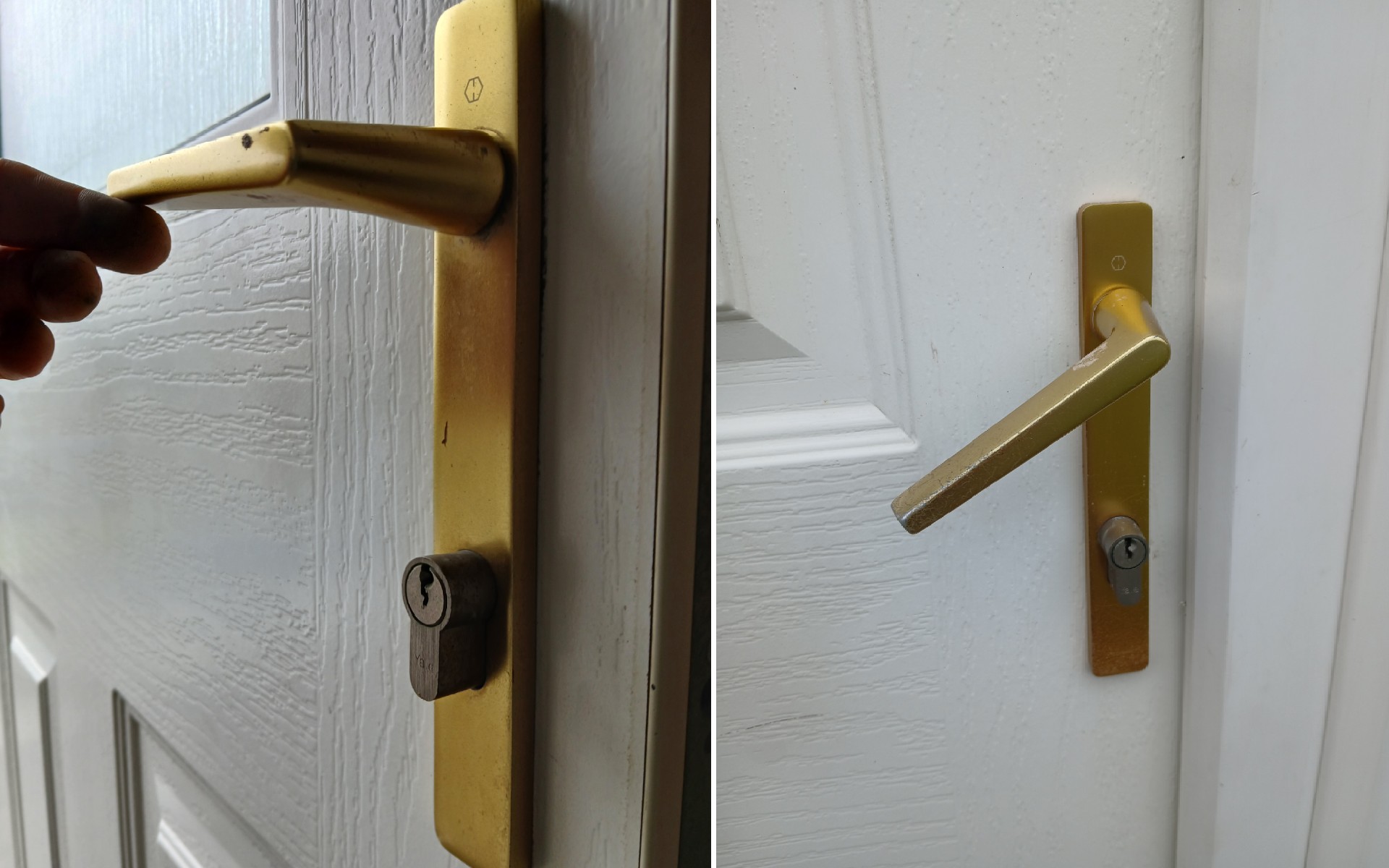
- A loose cylinder.
- Excessive wear.
- The cylinder moving inside the handle.
A damaged cylinder should be replaced as soon as possible to maintain security.
Your Door Has Become Difficult to Lock
Sometimes the lock itself isn't the problem.
If you need to:
- Push the door.
- Pull the door.
- Lift the handle excessively.
- Force the key.
the door may be out of alignment.
A dropped door places constant strain on:
- The gearbox.
- The lock cylinder.
- The handles.
- The locking mechanism.
Correcting the alignment often prevents premature lock failure.
The Lock Is Outdated
Many older locks still function perfectly but provide very little protection against modern burglary methods.
Older cylinders often lack:
- Anti-snap protection.
- Anti-drill protection.
- Anti-pick protection.
- Anti-bump protection.
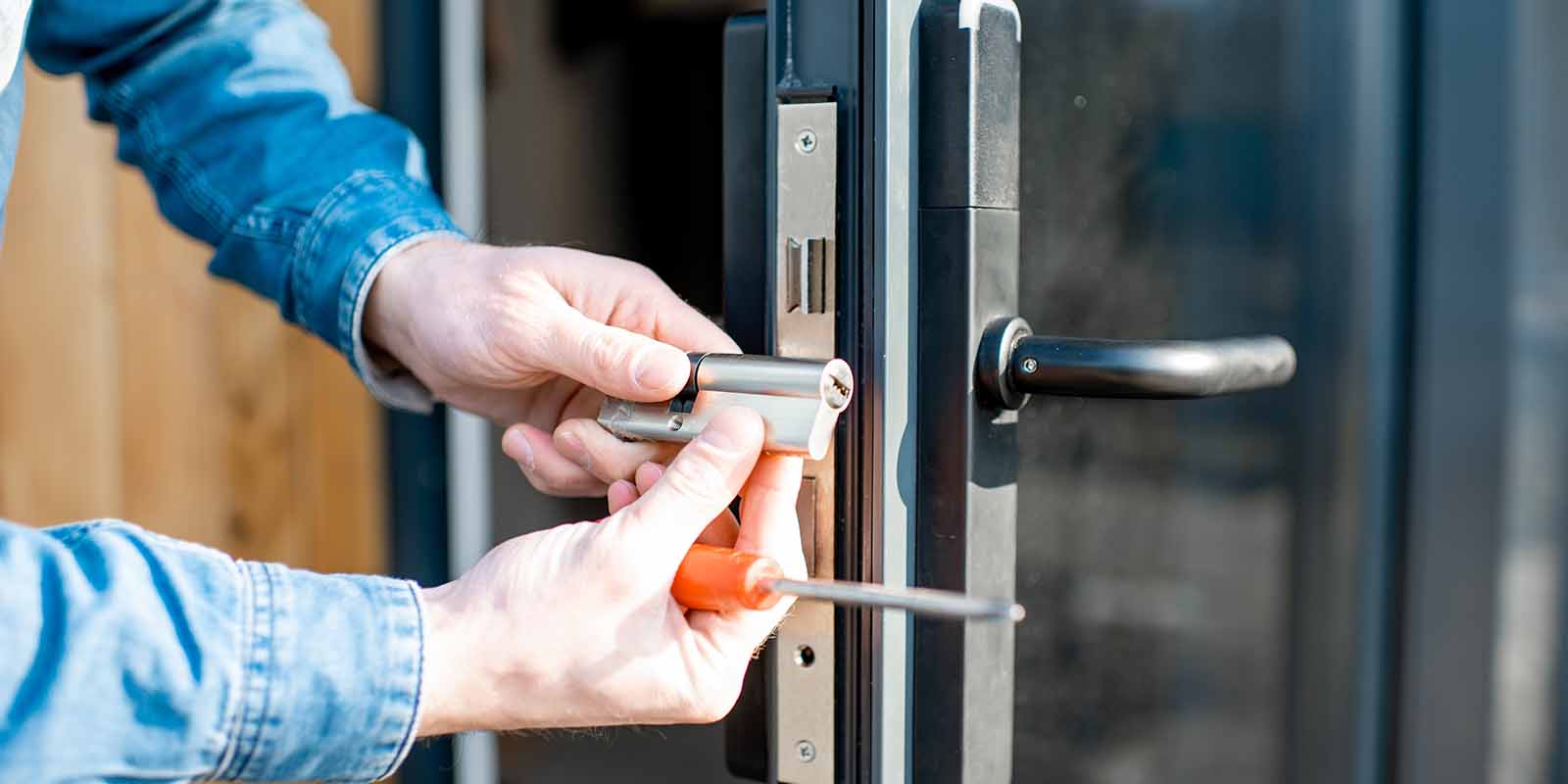
Replacing an older cylinder with a modern security lock is one of the simplest ways to improve home security.
You've Lost Your Keys
If your keys have been lost or stolen and cannot be recovered, replacing the lock is usually the safest option.
This ensures the missing keys can no longer be used to gain access to your property.
If the keys were stolen together with information identifying your address, changing the lock should be treated as a priority.
You've Moved House
One of the first jobs after buying a property should be changing the locks.
You have no way of knowing:
- How many keys exist.
- Who still has copies.
- Whether previous owners gave keys to neighbours or tradespeople.
- If additional keys were ever cut.
Replacing the locks gives you complete control over your home's security.
The Lock Has Been Forced or Drilled
Following:
- A burglary.
- An attempted break-in.
- A lockout.
- Emergency entry.
any damaged cylinder should always be replaced.
Modern replacement locks often provide a significant security upgrade over the original.
You Want Better Security
A lock doesn't need to be broken before it's replaced.
Many homeowners choose to upgrade simply to improve security.
Popular upgrades include:
- TS007 3 Star cylinders.
- 1 Star anti-snap cylinders.
- TS007 2 Star security handles.
- Secured by Design approved hardware.
- BS3621 insurance approved mortise locks.
These upgrades provide better protection against today's common burglary methods.
Timber Door Lock Upgrades
If your home has timber entrance doors, replacing the lock is an ideal opportunity to upgrade security.
Many older timber doors still have standard mortice locks fitted.
Upgrading to a BS3621 mortice lock provides:
- Improved resistance to forced entry.
- Hardened anti-drill protection.
- Stronger deadbolt construction.
- Compliance with many home insurance requirements.
If the door forms the main escape route from the property, a BS8621 mortice lock may be a better option.
BS8621 locks provide similar security while allowing the door to be unlocked from the inside using a thumbturn instead of a key, helping occupants escape quickly in an emergency.
Replace the Cause, Not Just the Lock
Replacing a lock without identifying why it failed can sometimes lead to repeat problems.
A professional inspection should include checking:
- Door alignment.
- Hinge condition.
- Handle operation.
- Gearbox function.
- Lock sizing.
- Keep alignment.
- Multipoint mechanism operation.
Correcting these issues helps ensure the replacement lock provides many years of reliable service.
Don't Wait for Complete Failure
Many emergency lockouts begin with a homeowner saying:
"It's been a bit stiff for a while."
Replacing a worn lock at a convenient time is far easier than dealing with a lock that fails when you're trying to leave for work, collect the children from school or return home late at night.
Early replacement is often less expensive, less stressful and helps avoid unnecessary damage to the rest of the locking system.
Conclusion
A quality lock should operate smoothly and reliably every time you use it. If your key is becoming difficult to turn, the lock works intermittently, the cylinder is damaged or the door has become difficult to lock, these are all signs that attention is needed. Replacing a worn or outdated lock before it fails not only prevents inconvenient lockouts but also provides an opportunity to upgrade your home's security. Whether that means fitting a modern anti-snap euro cylinder, upgrading a timber door with a BS3621 or BS8621 mortice lock, or correcting an alignment issue that's placing unnecessary strain on the mechanism, dealing with the problem early will almost always save money and provide greater peace of mind.