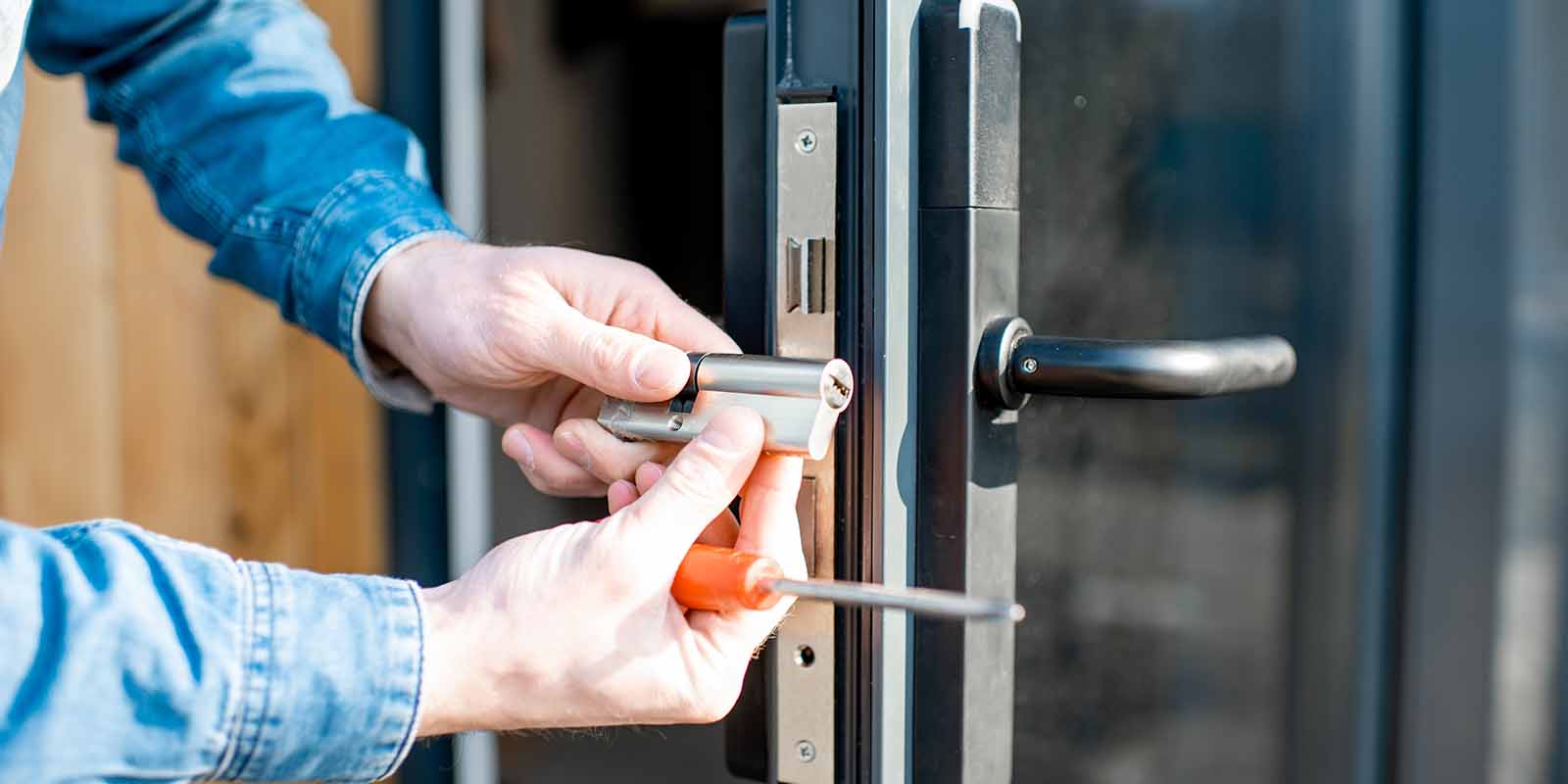
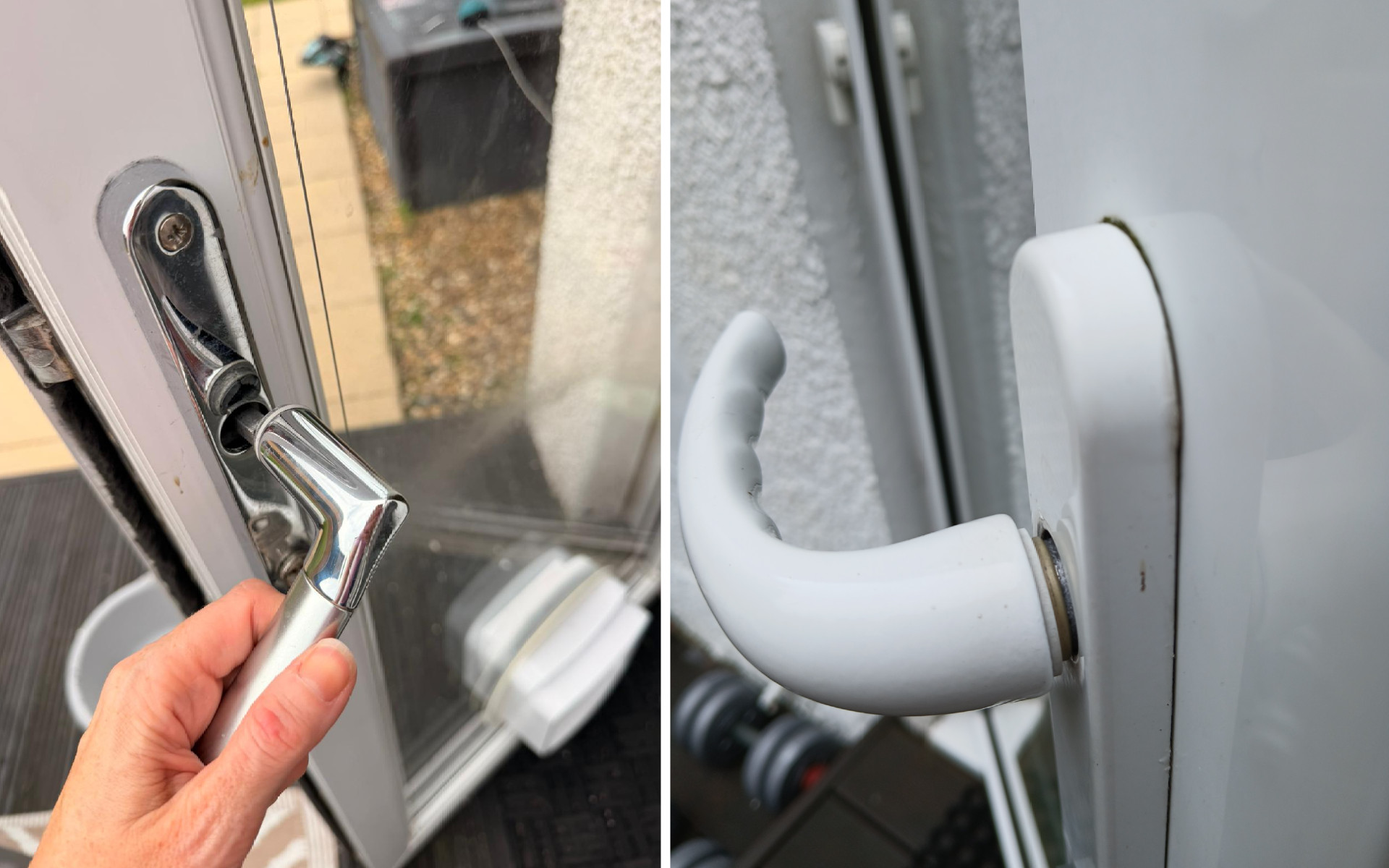
The handle on a uPVC or composite door does much more than simply open and close the door. Every time you lift the handle, it operates the multipoint locking mechanism inside the door, engaging hooks, rollers or deadbolts into the frame.
Because the handle transfers force directly into the gearbox and locking strip, it is often the first component to show signs that something else is wrong. Many people assume a broken handle is simply worn out, but in reality, handles usually fail because they have been placed under excessive strain over a long period.
Understanding what causes this strain can help prevent repeated handle failures and expensive repairs.
Poor Door Alignment is the Biggest Cause
One of the most common reasons multipoint door handles fail is poor door alignment.
Over time, uPVC and composite doors naturally move slightly due to their weight, regular use and seasonal expansion and contraction. As the door drops or shifts, the locking points no longer line up correctly with the keeps in the frame.
Instead of moving freely, every locking point has to force its way into position.
The result is increased resistance every time the handle is lifted.
Rather than the lock engaging smoothly, the handle is forced to overcome friction throughout the entire locking mechanism.
Common faults that constant extra pressure causes:
- Loose handles
- Broken handle springs
- Snapped handle spindles
- Cracked handle backplates
- Internal wear within the handle mechanism
- Keys to snap in the lock
Many handle failures are therefore symptoms of an alignment problem rather than a faulty handle.
Cheap Replacement Handles Wear Out Faster
Not all door handles are manufactured to the same standard.
Low-cost replacement handles often use:
- Thin cast metal
- Poor quality springs
- Weaker fixing points
- Lower grade internal components
These may work perfectly on a perfectly aligned door.
However, when fitted to a door with even minor alignment issues, they are forced to work much harder than they were designed for.
The increased operating force quickly causes internal wear, resulting in stiff operation, loose levers or complete failure.
A quality handle generally lasts considerably longer because it is built to cope with regular daily use.
Stiff Multipoint Locks Put Extra Pressure on Handles
As multipoint locks age, dirt, dried grease and general wear increase friction inside the mechanism.
When the internal gearbox, hooks or rollers become stiff, homeowners naturally apply more force to the handle.
Instead of investigating why the lock has become difficult to operate, many simply pull harder.
Unfortunately, the handle is the weakest external component in the system and often becomes the part that eventually breaks.
A stiff lock should always be investigated before fitting another handle.
Related Article: Signs your multipoint mechanism is about to fail.
Incorrect Door Realignment Can Make Things Worse
Many homeowners attempt to adjust their own doors using online videos.
While some minor hinge adjustments are straightforward, incorrect adjustments can actually increase pressure on the locking mechanism.
Common mistakes include:
- Lifting the door too high
- Pulling the door too tightly against the seals
- Twisting the door on the hinges
- Adjusting one hinge but not the others
These adjustments may temporarily solve one problem while creating another.
Correct door realignment requires checking how every locking point engages with the keeps rather than simply moving the door until it closes.
Poor Installation of Replacement Handles
Even a high-quality handle can fail prematurely if fitted incorrectly.
Common installation problems include:
- Overtightened fixing screws
- Incorrect spindle length
- Handles not sitting square
- Missing spring cassettes
- Poorly secured backplates
These issues create unnecessary stress every time the handle operates.
Professional installation ensures the handle operates freely without placing additional strain on the mechanism.
Ignoring Early Warning Signs
Most handle failures are preceded by warning signs.
These include:
- The handle becoming stiff
- Needing to lift harder than before
- The handle not returning fully
- A loose or wobbly handle
- Clicking or grinding noises
- Keys becoming difficult to turn after lifting the handle
Addressing these symptoms early often prevents complete handle failure and may avoid damage to the gearbox or locking strip.
Weather and Lack of Maintenance
External door furniture is exposed to rain, frost and changing temperatures throughout the year.
Without occasional cleaning and lubrication:
- Dirt builds around moving parts.
- Moisture can encourage corrosion.
- Springs become sluggish.
- Increased friction develops within the handle.
Simple maintenance helps reduce unnecessary wear and keeps the locking system operating smoothly.
Why Replacing the Handle Alone Doesn't Always Solve the Problem
A new handle may restore operation temporarily, but if the underlying cause remains, the replacement handle is likely to suffer the same fate.
For example:
- A dropped door continues placing excessive load on the handle.
- A worn gearbox still requires extra force.
- Misaligned keeps continue resisting the locking points.
- A stiff locking strip still transfers excessive pressure into the handle.
The real solution is identifying why the handle failed in the first place.
Preventing Multipoint Handle Failure
Most handle failures can be avoided with routine maintenance and early intervention.
Good practice includes:
- Keeping the door correctly aligned.
- Lubricating moving lock components.
- Avoiding excessive force when locking.
- Replacing worn mechanisms before they seize.
- Choosing quality replacement handles.
- Investigating stiffness rather than ignoring it.
Small problems are generally inexpensive to correct before they lead to damaged handles or failed locking mechanisms.
Conclusion
Multipoint door handles are designed to provide many years of reliable service, but they depend on the rest of the locking system operating correctly. Poor door alignment, stiff locking mechanisms, low-quality replacement handles and incorrect installation all increase the force required to operate the lock, eventually leading to handle failure.
Rather than simply replacing a broken handle, it is important to identify why it failed. Correcting the underlying cause not only extends the life of the new handle but also protects the gearbox, locking mechanism and the door itself from unnecessary wear. A properly aligned, well-maintained door should operate smoothly with very little effort, helping to avoid costly repairs in the future.