Yes—but it's important to use the correct lubricant and apply it in the right places.
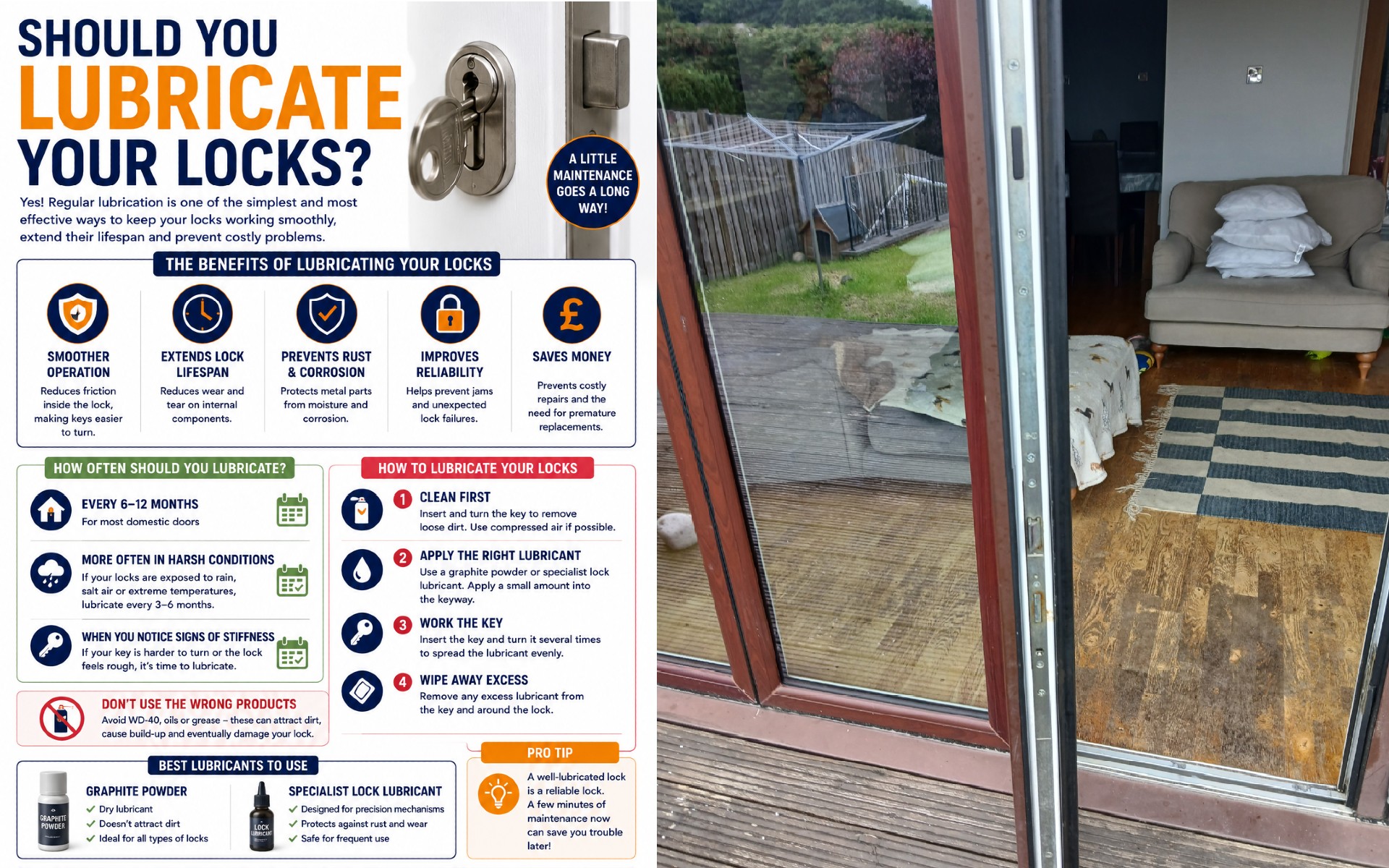
Many lock problems develop because moving parts have become dry or contaminated with dirt. Regular maintenance helps the locking mechanism operate smoothly, reduces wear on internal components and can significantly extend the life of your locks.
However, lubrication isn't a cure for every problem. If your door has dropped or the locking mechanism is under strain, adding lubricant alone won't solve the fault.
Which Parts Should Be Lubricated?
On a uPVC or composite door, several components benefit from regular maintenance.
These include:
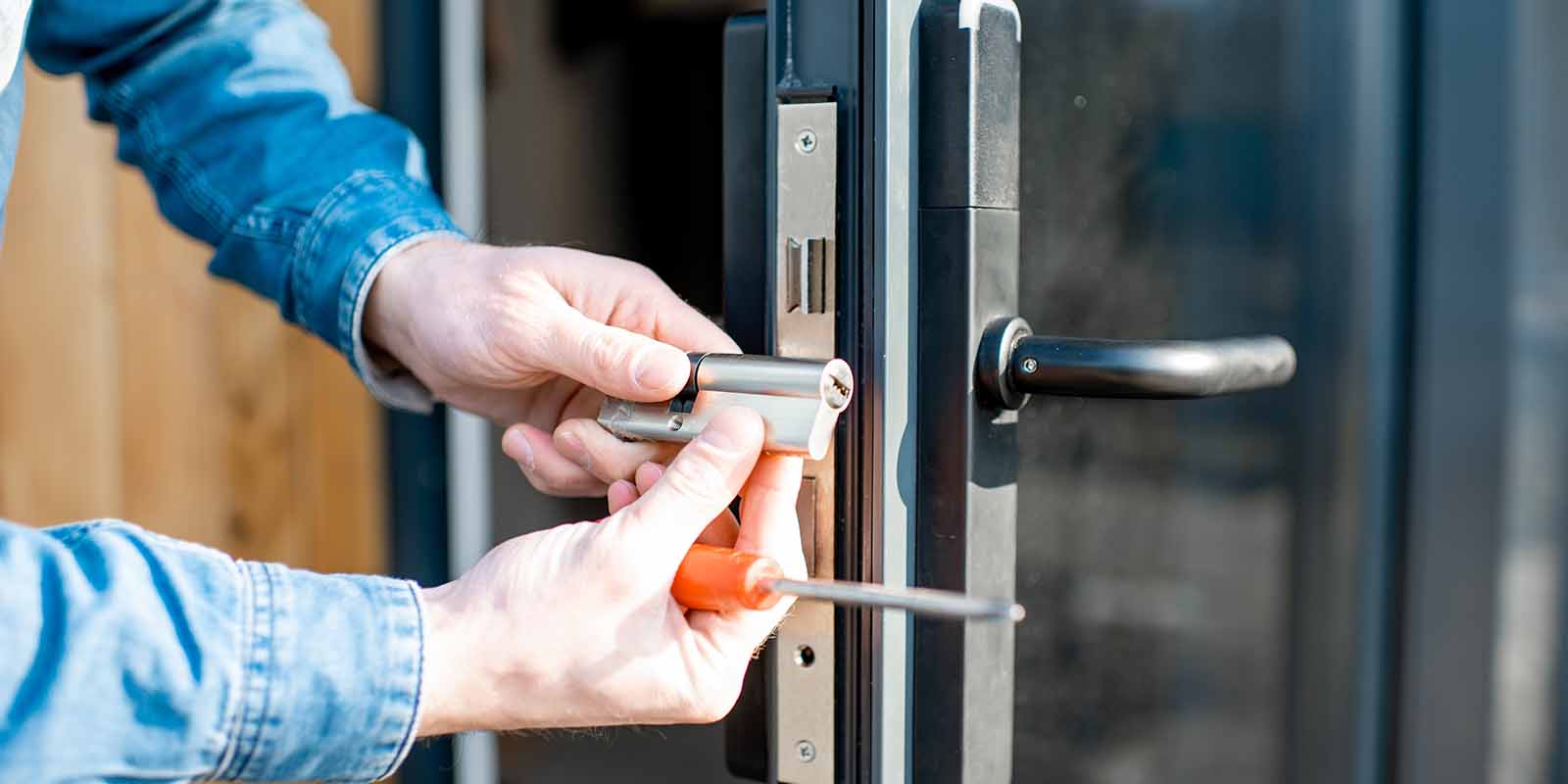
- The euro cylinder.
- Hooks.
- Rollers.
- Deadbolts.
- The latch.
- Moving parts of the multipoint locking mechanism.
- Hinges, where appropriate.
Keeping these parts clean and lubricated helps them move freely and reduces unnecessary strain on the gearbox.
Which Lubricant Should You Use?
For the lock cylinder, use a lubricant designed specifically for locks.
PTFE-based or graphite-based lubricants are generally the best choice because they lubricate without attracting excessive dirt or leaving sticky residues.
For the locking mechanism, hooks, rollers, deadbolts and latch, a light PTFE spray lubricant works well and helps keep the moving parts operating smoothly.
Is WD-40 Suitable?
WD-40 is one of the most common products people reach for when a lock becomes stiff, but it isn't designed as a long-term lock lubricant.
It can be useful for displacing moisture or freeing seized parts, but repeated use inside a lock cylinder can leave a residue that attracts dirt and grime. Over time, this can make the lock feel rough again and increase wear on the internal components.
If you use WD-40 as a temporary measure, it's best to follow up with a proper lock lubricant once the mechanism is clean and dry.
What Happens If You Never Service the Lock?
This is where many expensive lock failures begin.
Without regular maintenance, dirt, dust, moisture and old lubricant gradually build up inside the locking mechanism. Moving parts no longer slide freely and begin operating under increasing resistance.
As the resistance increases, every time you lift the handle or turn the key, extra strain is transferred through the entire locking system.
Over time this can lead to:
- Stiff handles.
- Keys becoming difficult to turn.
- Locking points sticking.
- Increased wear on the gearbox.
- Worn or broken handles.
- Premature euro cylinder failure.
- Seized hooks or rollers.
- A jammed door that won't lock or unlock.
In many cases, the gearbox eventually fails because it has spent months or years forcing dry or partially seized locking points to move. What could have been prevented with a simple service can end up requiring a new gearbox or even a complete multipoint locking mechanism.
Signs Your Lock Needs Maintenance
Your door may benefit from servicing if you notice:
- The key becoming difficult to turn.
- The handle feeling slightly stiff.
- Locking points moving sluggishly.
- Squeaking, clicking or light grinding noises.
- The lock feeling less smooth than it used to.
These are early warning signs that something is beginning to wear or seize.
Lubrication Won't Fix Alignment Problems
One of the biggest misconceptions is that every stiff lock simply needs lubricating.
If your door:
- Has dropped.
- Rubs on the frame.
- Needs pushing or pulling to lock.
- Key snaps in lock.
- Only locks properly when open.
- Requires extra force to lift the handle.
the real problem is likely to be poor alignment rather than a lack of lubrication.
Continuing to force the lock in this condition places even greater strain on the gearbox and locking points, eventually causing components to fail.
How Often Should You Lubricate?
For most homes, servicing the locks and moving parts once or twice a year is usually enough.
If your door is exposed to coastal air, harsh weather or heavy daily use, more frequent maintenance is worthwhile.
A routine service also provides the opportunity to spot worn hinges, loose handles or alignment issues before they become expensive repairs.
Don't Use Too Much
More lubricant doesn't mean better protection.
A light application is all that's needed. Excess lubricant can attract dust and dirt, eventually making the mechanism feel stiff again.
After applying lubricant, operate the handle and key several times to distribute it throughout the mechanism, then wipe away any excess.
Regular Servicing Helps Prevent Lock Failures
A multipoint lock is a precision mechanical system with dozens of moving parts working together every time you use your door. Without occasional servicing, friction gradually increases, components wear more quickly and unnecessary strain is placed on the gearbox, lock cylinder and handles. Regular lubrication, combined with keeping the door correctly aligned and dealing with stiffness as soon as it appears, can add years to the life of the locking mechanism and often prevent the costly failures that leave homeowners with a jammed or unusable door.