Introduction
When people think about home security, they often focus on stronger locks, alarm systems or CCTV. While these are all important, they're only part of the picture.
One of the most effective ways to reduce the risk of burglary is through Crime Prevention Through Environmental Design (CPTED). Rather than relying solely on physical security, CPTED looks at how the design, layout and maintenance of your property can discourage opportunistic criminals before they even approach your home.
Good security isn't just about making your property harder to break into—it's about making it a less attractive target in the first place.
Many CPTED improvements are straightforward, inexpensive and can make a noticeable difference to both security and peace of mind.
What Is Crime Prevention Through Environmental Design?
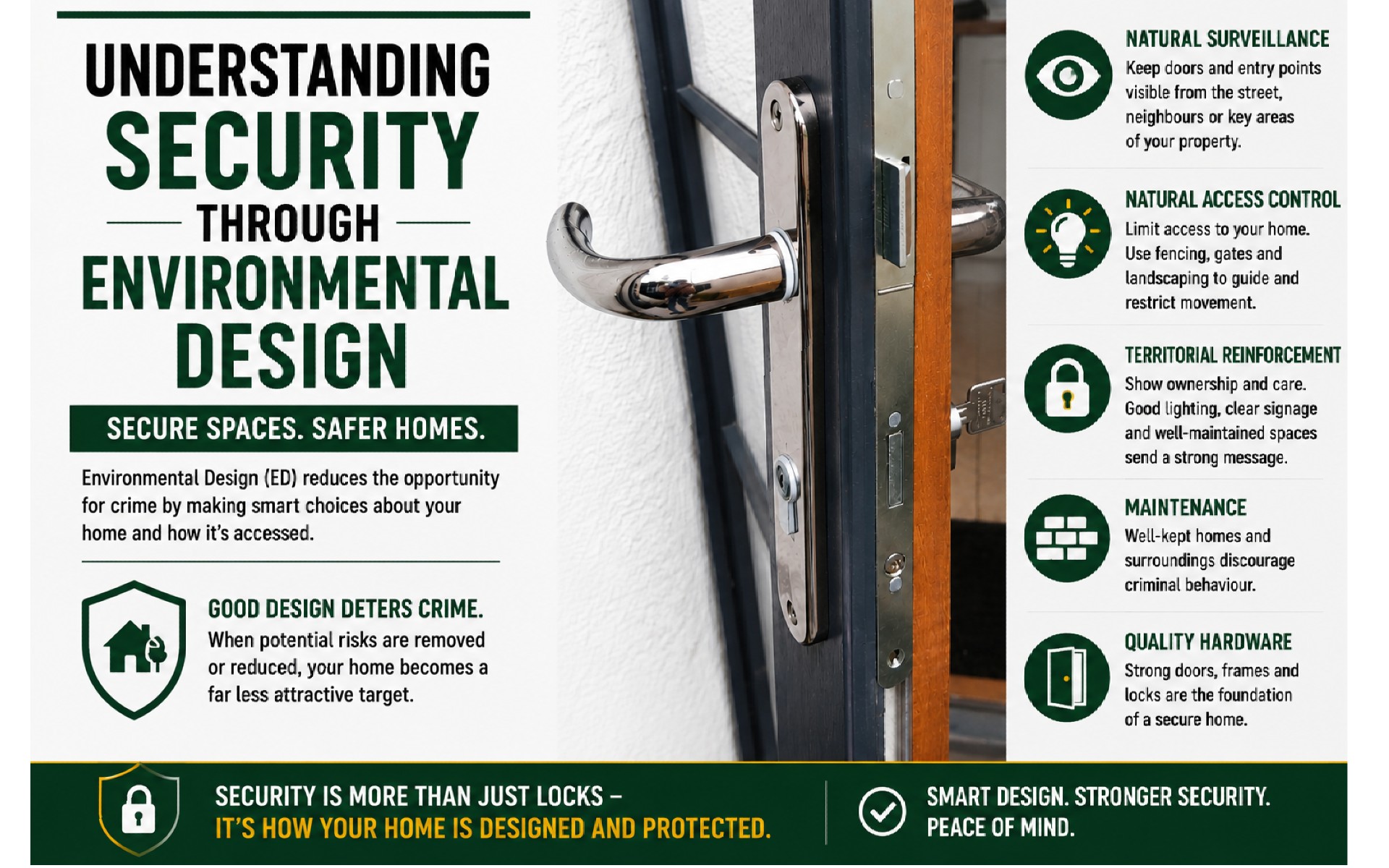
Crime Prevention Through Environmental Design, commonly known as CPTED (pronounced "sep-ted"), is a crime prevention strategy based on the principle that the built environment can influence behaviour.
By carefully considering how a property is designed, maintained and used, homeowners can:
- Reduce opportunities for crime.
- Increase the effort required to gain entry.
- Increase the risk of an offender being seen.
- Encourage a sense of ownership and care.
- Make criminal activity less attractive.
- Understand door security standards.
Rather than depending on one security measure, CPTED encourages several layers of protection working together.
Why Opportunistic Burglars Choose Certain Properties
Most burglaries are opportunistic rather than carefully planned.
Criminals often look for homes that appear:
- Easy to access.
- Poorly maintained.
- Unoccupied.
- Hidden from view.
- Poorly lit.
- Quick to enter and leave.
- Easy access to garden or rear of property.
If a property appears difficult to approach or increases the likelihood of being seen, many opportunistic offenders will simply move on.
Making your home look like a higher-risk target can often be as valuable as fitting stronger locks.
Natural Surveillance
One of the core principles of CPTED is natural surveillance.
Simply put, people are less likely to commit crime if they believe someone might see them.
Burglars generally prefer privacy.
Simple ways to improve natural surveillance include:
- Keeping hedges and shrubs trimmed below window level.
- Avoiding high solid fencing at the front of the property.
- Installing effective external lighting.
- Ensuring entrances are visible from neighbouring properties.
- Positioning CCTV cameras where they have clear views of access points.
- Avoiding unnecessary visual obstructions around doors and windows.
The more exposed someone feels, the less attractive your property becomes.
Natural Access Control
Natural access control involves guiding legitimate visitors towards clearly defined entrances while making unauthorised access more difficult.
Examples include:
- Clearly defined footpaths.
- Secure side gates.
- Locked rear garden access.
- Well-maintained boundary fencing.
- Secure garage personnel doors.
- Gates that are easy for residents to use but discourage casual access.
Reducing unrestricted access to vulnerable areas makes it harder for someone to approach your property unnoticed.
Territorial Reinforcement
People naturally protect spaces that appear cared for and clearly belong to someone.
Territorial reinforcement helps create that impression.
Simple examples include:
- Well-maintained gardens.
- Clearly defined property boundaries.
- Good external lighting.
- Visible house numbers.
- Tidy entrances.
- Clean pathways and driveways.
- Secure, well-maintained gates.
A property that looks occupied and cared for sends a clear message that someone is paying attention.
Maintenance Sends a Message
A neglected property can unintentionally suggest that security isn't a priority.
Simple maintenance can improve both appearance and security.
Examples include:
- Repairing broken locks.
- Fixing loose door handles.
- Adjusting dropped doors.
- Replacing worn hinges.
- Repairing damaged gates.
- Maintaining fences and boundary walls.
- Replacing damaged exterior lighting.
A stiff lock or broken handle isn't just inconvenient—it may also reduce the effectiveness of your home's physical security.
Don't Overlook Your Doors
Your external doors remain the most common access points into your home.
Even a high-security lock cannot perform properly if the door itself isn't operating correctly.
Check regularly that:
- The door closes fully.
- The handle lifts smoothly.
- The locking mechanism engages completely.
- Hinges remain secure.
- The key turns without excessive resistance.
- The door doesn't need to be pushed, pulled or lifted to lock.
Correct door alignment allows every locking point to engage as the manufacturer intended, improving both security and reducing unnecessary wear.
Windows Matter Too
Although front and back doors often receive the most attention, accessible windows should not be overlooked.
Good practice includes:
- Ensuring window locks operate correctly.
- Repairing damaged handles or hinges.
- Keeping windows closed and locked when the property is unattended.
- Avoiding leaving valuable items clearly visible through windows.
- Keeping shrubs around ground-floor windows trimmed.
Windows that are secure and easily overlooked from neighbouring properties are generally less attractive to opportunistic burglars.
Lighting Makes a Difference
Darkness provides privacy.
Well-positioned lighting removes many of the hiding places that offenders prefer.
Consider installing:
- Motion-activated security lights.
- Porch lighting.
- Side passage lighting.
- Rear garden lighting.
- Lighting around garage entrances.
Lighting alone won't prevent crime, but it increases the likelihood of suspicious activity being noticed.
Upgrade Weak Security
Environmental design works best when combined with strong physical security.
If your locking system is ageing, consider upgrading:
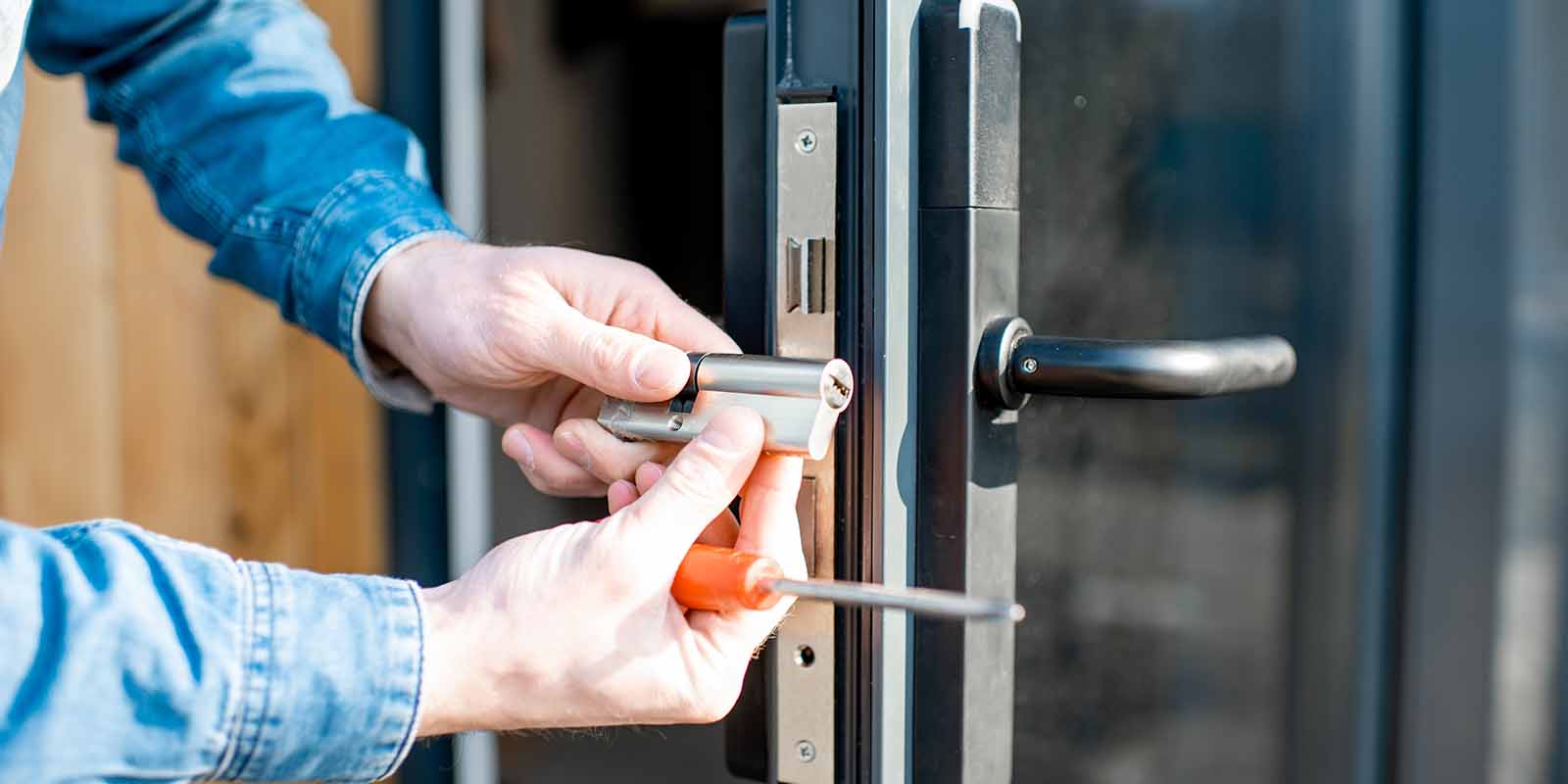
- Standard euro cylinders to TS007 3 Star snap-resistant cylinders.
- Older handles to high-security sprung security handles.
- Worn multipoint locking mechanisms.
- Damaged or worn locking components.
- Locks that no longer meet modern security standards.
These improvements make forced entry significantly more difficult while complementing the wider principles of CPTED.
Related article: How burglars target weak locks?
Make Your Home Look Occupied
Homes that appear vacant are often more attractive to opportunistic burglars.
If you're away for an extended period:
- Use timer-controlled lighting.
- Ask someone to remove post from behind the door.
- Arrange for bins to be moved if necessary.
- Keep gardens maintained.
- Avoid announcing holidays on social media until you've returned.
- Ask a trusted neighbour to keep an eye on the property.
Small details can create the impression that someone is home, even when they aren't.
Security Works Best in Layers
No single security measure can eliminate the risk of burglary.
The most secure homes combine several layers of protection, including:
- High-quality door locks.
- Correct door alignment.
- Well-maintained locking systems.
- External lighting.
- Natural surveillance.
- Secure boundaries.
- Regular property maintenance.
- Visible signs of occupation.
Each layer increases the effort, time and risk involved in attempting to gain entry.
The more obstacles an offender encounters, the less attractive your property becomes.
Small Improvements Can Have a Big Impact
Many effective security improvements cost very little.
Simple actions such as:
- Trimming overgrown hedges.
- Repairing a stiff lock.
- Replacing a worn door handle.
- Installing better lighting.
- Adjusting a dropped door.
- Securing side access.
can collectively make a significant difference to the security of your home.
Often, it's the combination of small improvements—not one expensive purchase—that provides the greatest benefit.
Conclusion
The strongest lock in the world can't compensate for poor visibility, neglected maintenance or easy, hidden access to vulnerable areas of your property.
Crime Prevention Through Environmental Design encourages homeowners to think about security as a complete system rather than a collection of individual products. By combining quality locks with good lighting, natural surveillance, secure boundaries, regular maintenance and well-maintained doors, you create an environment that is both more secure and less attractive to opportunistic criminals.
Many of these improvements require very little expense, yet together they significantly increase the effort and risk involved in attempting to break into your home. Good security is rarely about one solution—it's about creating multiple layers that work together to protect your property.
Frequently Asked Questions
What does CPTED stand for?
CPTED stands for Crime Prevention Through Environmental Design. It is an approach to security that uses the design, layout and maintenance of buildings and surrounding spaces to reduce opportunities for crime.
Does better lighting stop burglaries?
Lighting alone doesn't prevent crime, but it makes it harder for someone to approach or work around a property without being seen, particularly when combined with other security measures.
How important is maintaining my door locks?
Very important. A poorly maintained lock or misaligned door may not operate correctly and could reduce the effectiveness of your home's physical security.
Should I trim hedges around my front door?
Yes. Keeping hedges and shrubs below window level improves visibility and removes places where someone could hide while attempting to gain entry.
Is upgrading my locks enough to secure my home?
Upgrading locks is an excellent step, but it works best alongside good maintenance, correct door alignment, effective lighting, secure boundaries and other CPTED principles.
Related Articles: