Introduction
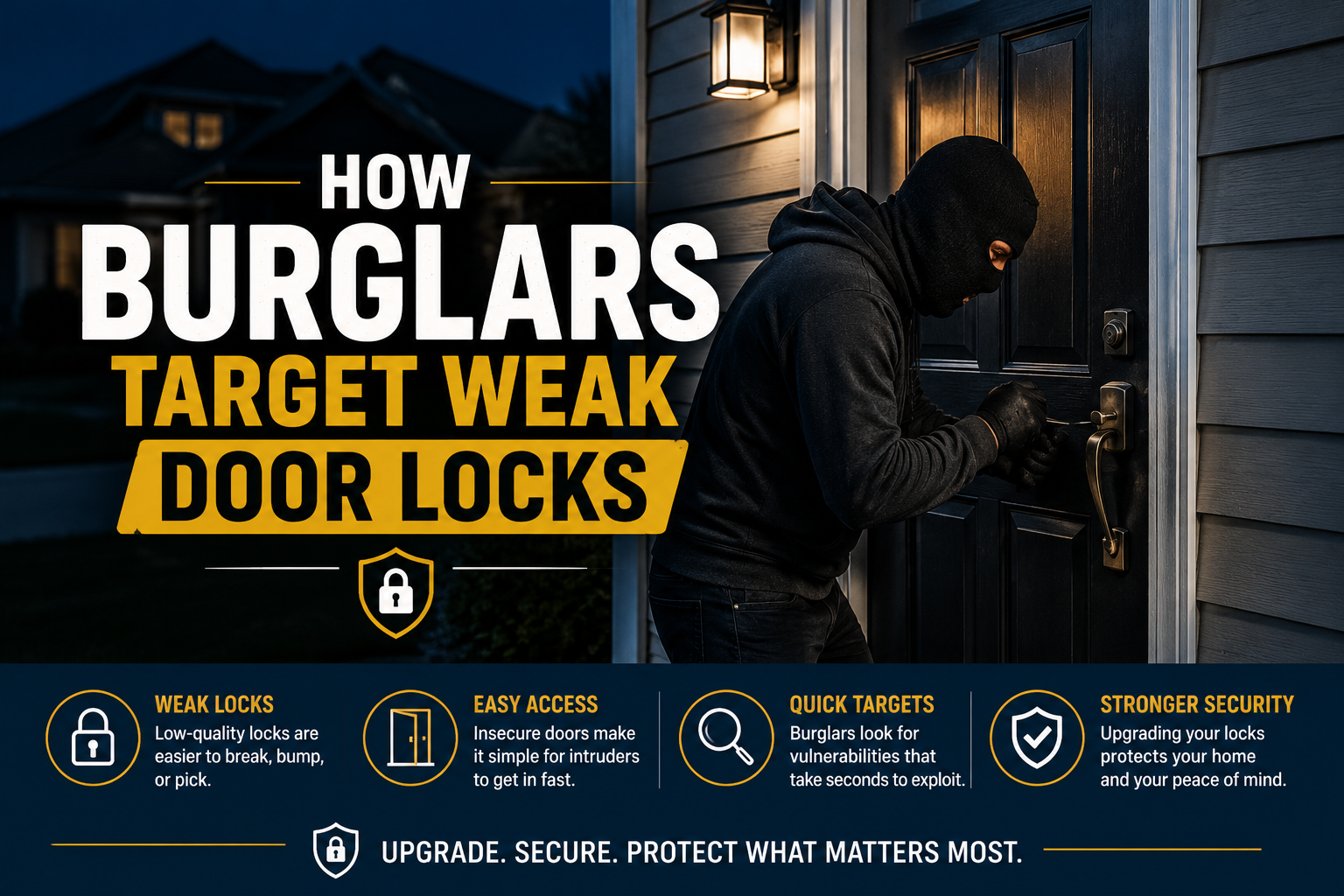
Most burglars are looking for the quickest, quietest and easiest way to gain entry to a property. They don't want to spend time making noise, attracting attention or battling with high-security locks. Instead, they look for obvious weaknesses such as outdated lock cylinders, poorly fitted hardware, unlocked doors or neglected maintenance.
The good news is that many of these weaknesses can be identified and corrected long before they become a security risk. Understanding the methods commonly used by burglars can help you make informed decisions about protecting your home.
Lock Snapping
One of the most common methods used to attack uPVC and composite doors is lock snapping.
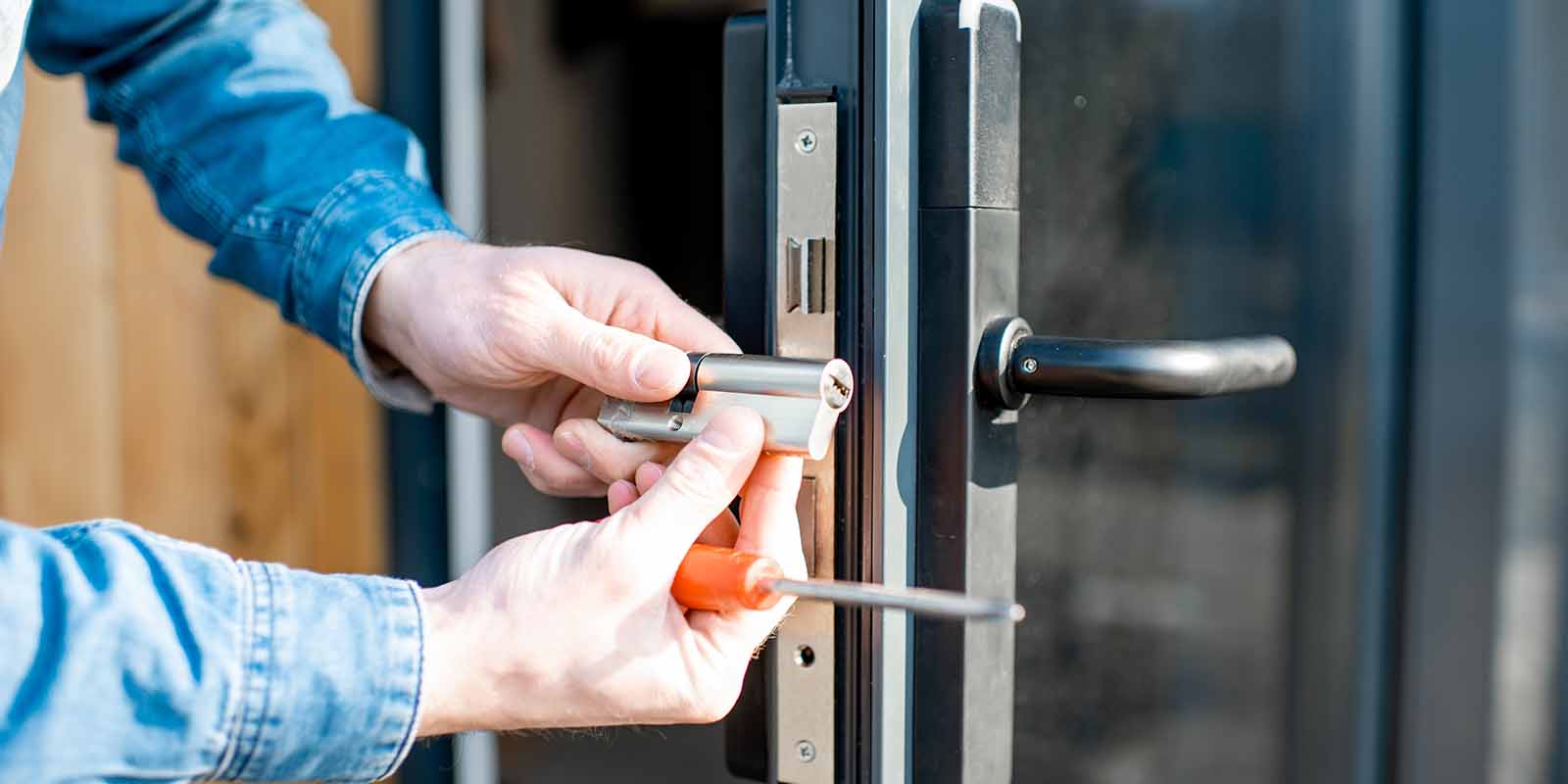
Many older euro cylinders have a natural weak point around the centre fixing screw. If the cylinder projects beyond the door handle, it provides a gripping point that allows the lock to be snapped using simple hand tools.
Once the outer section breaks away, the internal cam can often be manipulated to unlock the door.
A correctly fitted anti-snap cylinder greatly reduces the risk of this type of attack.
Exposed Lock Cylinders
I've attended many properties where the euro cylinder protruded well beyond the handle.
Even a quality lock can become vulnerable if it's the wrong size.
A correctly sized cylinder should:
- Sit as close to flush with the handles as possible.
- Leave minimal material exposed.
- Operate smoothly without excessive projection.
Correct sizing is one of the simplest yet most overlooked security improvements.
Attacking the Door Handle
The door handle protects one of the most vulnerable parts of the locking system.
Older or damaged handles may expose the cylinder, making attacks much easier.
Modern TS007 2 Star security handles feature reinforced backplates and cylinder protection designed to shield the lock from attack.
When combined with a 1 Star anti-snap cylinder they achieve TS007 3 Star security.
Older Lock Cylinders
Burglars quickly recognise older standard euro cylinders.
Many lack:
- Anti-snap protection.
- Anti-drill protection.
- Anti-pick protection.
- Anti-bump protection.
Replacing an older cylinder with a modern, independently tested security cylinder significantly increases the difficulty of gaining entry.
Doors That Don't Lock Properly
A lock can only protect your home if it engages correctly.
I've attended many doors where homeowners had stopped lifting the handle fully because the mechanism had become stiff.
Common causes include:
- Dropped doors.
- Misaligned keeps.
- Worn gearboxes.
- Failed locking mechanisms.
- Poor previous adjustments.
If all the locking points don't engage, the door may not be providing the level of security it was designed to offer.
Door Misalignment
A door that has dropped out of alignment doesn't just become harder to lock.
It can also:
- Prevent hooks and rollers engaging fully.
- Leave gaps around the frame.
- Increase wear on the mechanism.
- Encourage homeowners to avoid fully locking the door.
Keeping the door correctly adjusted improves both security and reliability.
Weak or Poorly Maintained Hardware
Loose handles, worn hinges and neglected locks can all create opportunities for an intruder.
Common warning signs include:
- Loose handles.
- Floppy levers.
- Keys becoming stiff.
- The door rubbing on the frame.
- Draughts around the seals.
Regular maintenance helps identify these issues before they affect security.
Unlocked Doors
It may sound obvious, but many burglaries occur through doors that were never locked.
This often happens when:
- Someone is working in the garden.
- Occupants are home during the day.
- The property is left for a short period.
- Rear doors are overlooked.
Even the highest-security lock provides no protection if it isn't engaged.
Rear and Side Entrances
Burglars rarely insist on using the front door.
If another entrance offers easier access, they'll often choose:
- Back doors.
- Side doors.
- Conservatory doors.
- French doors.
- Patio doors.
- Garage personnel doors.
Every external door should offer a similar level of security.
Ground Floor Windows
Ground-floor windows are another common target, particularly where they're hidden from public view.
Potential weaknesses include:
- Faulty locks.
- Open window vents.
- Broken handles.
- Poor maintenance.
Window security should always form part of your overall home security plan.
Opportunist Burglars Look for Easy Targets
Most burglars are opportunists.
If one property has:
- Older locks.
- Poor lighting.
- Visible maintenance issues.
- No cameras.
- Weak door hardware.
while the neighbouring property has upgraded security, they'll often move on to the easier target.
Visible security measures alone can discourage many attempted break-ins.
Layer Your Security
The most secure homes don't rely on a single product.
Effective protection usually combines:
- Anti-snap euro cylinders.
- TS007 security handles.
- BS3621 or BS8621 locks on timber doors where appropriate.
- Correct door alignment.
- Motion-activated lighting.
- CCTV or video doorbells.
- Well-maintained doors and windows.
- Secure garages and outbuildings.
Each layer adds time, difficulty and risk for anyone attempting forced entry.
Prevention Is Always Better Than Repair
Many security weaknesses can be corrected with relatively inexpensive upgrades.
Simple improvements include:
- Replacing older lock cylinders.
- Fitting correctly sized anti-snap locks.
- Installing TS007 security handles.
- Realigning dropped doors.
- Repairing worn mechanisms.
- Replacing loose handles.
- Maintaining locks and hinges.
These improvements not only enhance security but also help extend the life of your door's locking system.
Conclusion
Most burglars aren't looking for the strongest door—they're looking for the weakest one. Outdated lock cylinders, poorly fitted hardware, dropped doors and neglected maintenance all create opportunities that can often be avoided with simple upgrades and routine servicing. By fitting modern anti-snap locks, using quality security handles, keeping your doors correctly aligned and ensuring every entrance to your home is secured to the same high standard, you make your property a far less attractive target. Good home security isn't about relying on one product—it's about removing as many opportunities as possible before a burglar ever attempts to gain entry.
Related Articles: