Why Burglars Often Choose the Easiest Home, Not the Most Valuable One
Introduction
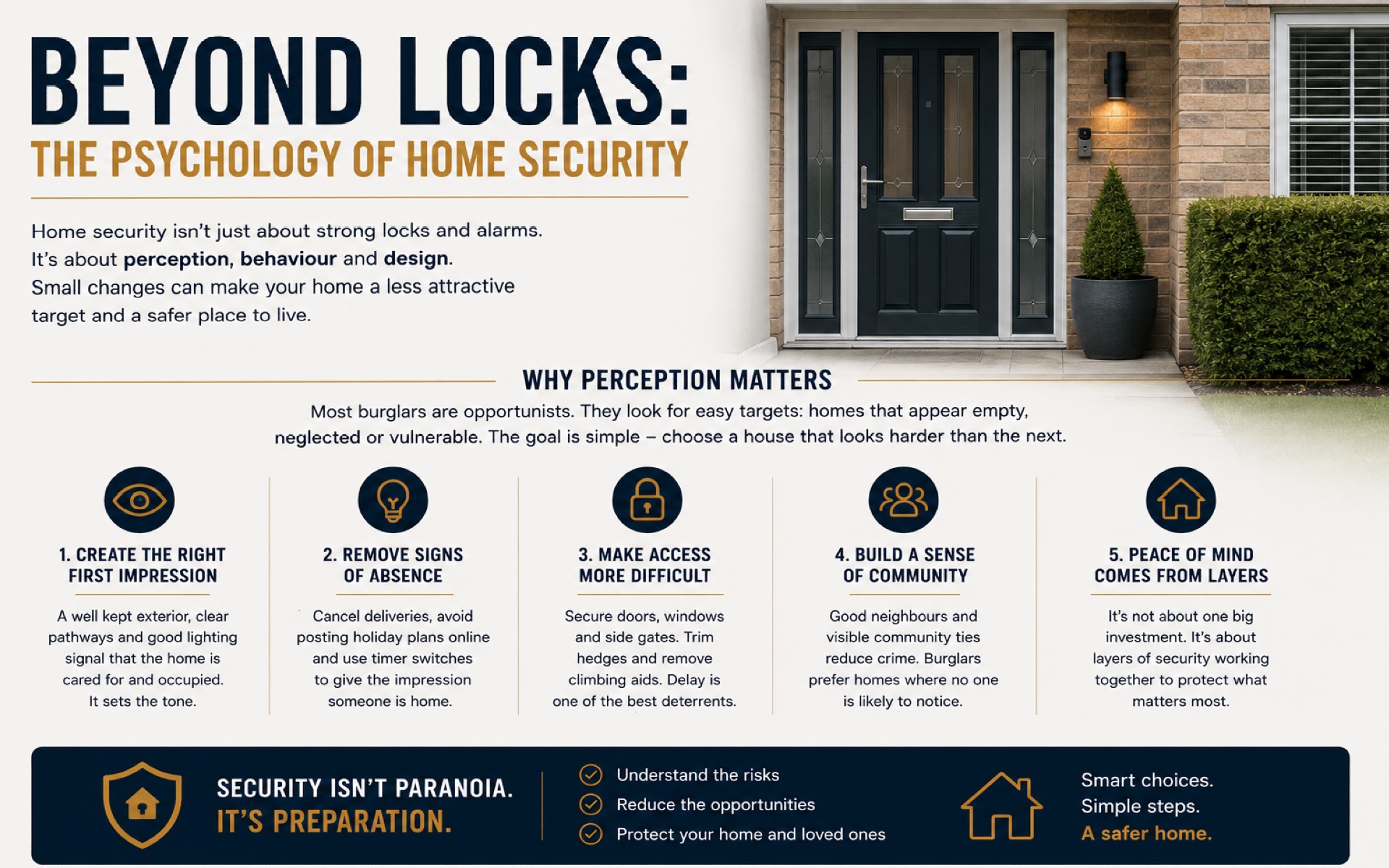
When people think about home security, their attention often turns immediately to locks, alarms or security cameras. While these are all important, research into residential burglary consistently suggests that many break-ins are opportunistic rather than highly targeted. In many cases, offenders are believed to favour properties that appear easier to enter, easier to leave and less likely to attract attention.
A burglar standing in a street rarely knows exactly what valuables are inside each house. Instead, they may assess visible factors such as access, maintenance, lighting, natural surveillance and whether a property appears occupied. These observations can influence whether a home is considered a more or less attractive opportunity.
Modern crime prevention therefore extends beyond simply fitting stronger locks. The design of the property, its maintenance, the surrounding environment and everyday habits all contribute to reducing opportunities for opportunist crime.
This guide explains how environmental design and sensible security measures work together to help make a property less appealing to an opportunist burglar.
Opportunist Burglary Is Often About Opportunity
Many residential burglaries are believed to be opportunistic.
Rather than selecting the most expensive-looking property, an offender may simply choose the house that appears to present the fewest obstacles.
Factors that may influence this decision include:
- Easy access to the property.
- Poorly maintained boundaries.
- Limited natural surveillance.
- Signs the occupants are away.
- Weak or damaged doors and windows.
- Convenient escape routes.
Reducing these opportunities often makes a property less attractive without dramatically changing how it looks or functions.
Why Visible Maintenance Can Deter Opportunists
The overall appearance of a property sends subtle signals.
A well-maintained home may suggest that the owner:
- Regularly occupies the property.
- Notices changes quickly.
- Repairs faults promptly.
- Takes security seriously.
- Understands security standards.
Visible maintenance may include:
- Gates that close properly.
- Secure fencing.
- Well-maintained doors.
- Good quality locks and handles.
- Functional outdoor lighting.
- Trimmed hedges and shrubs.
- Clearly visible house numbers.
- Windows in good condition.
These features don't guarantee security, but they contribute to the impression that the property is cared for.
By contrast, obvious neglect may indicate that maintenance issues are overlooked, potentially making the property appear more vulnerable.
Natural Surveillance Makes a Difference
One of the key principles of crime prevention is natural surveillance.
People are generally less likely to engage in suspicious behaviour when they believe they can easily be seen.
Natural surveillance can be improved by:
- Keeping entrances visible.
- Avoiding excessively overgrown vegetation.
- Maintaining clear sight lines.
- Ensuring paths and driveways are observable.
- Providing appropriate lighting.
The objective isn't to expose every part of the property but to reduce secluded areas where someone could work unnoticed.
Escape Routes Matter Too
Entering a property is only one part of a burglary.
Leaving quickly without interruption is equally important.
An opportunist may therefore consider:
- How quickly they can leave.
- Whether boundaries obstruct movement.
- Hidden paths away from the property.
- Nearby parking opportunities.
- The likelihood of being observed while leaving.
Homes that benefit from good visibility from neighbouring properties or public areas naturally provide fewer opportunities for an unnoticed escape.
Signs a Property May Be Unoccupied
Most households have routines.
However, certain visible signs can unintentionally suggest a property has been empty for an extended period.
Examples include:
- Mail building up.
- Deliveries left untouched.
- Wheelie bins remaining in the same position.
- An empty driveway for long periods.
- Overgrown lawns.
- Curtains remaining unchanged day after day.
These indicators don't necessarily mean nobody is home, but together they may suggest reduced occupancy.
Simple arrangements with neighbours can often help minimise these obvious signs during holidays or other periods away.
Everyday Occupancy Cues
Occupancy cues are the ordinary signs that suggest someone is home.
Examples include:
- Lights being used naturally during the evening.
- Curtains or blinds opened and closed at typical times.
- Vehicles appearing on the driveway.
- Regular gardening.
- General household activity.
Many homeowners also use timer-controlled lighting when away.
This is usually most effective when it reflects normal daily routines rather than leaving lights on continuously.
The aim is simply to avoid making the property appear obviously vacant.
Why Layered Security Is More Effective
Modern home security works best when several protective measures complement one another.
This approach is often described as layered security.
Typical layers include:
- Quality door locks.
- Secure windows.
- Well-maintained doors and frames.
- Exterior lighting.
- Clearly defined boundaries.
- Appropriate landscaping.
- Alarm systems where suitable.
- Video doorbells or security cameras where appropriate.
- Sensible key management.
Each individual measure contributes to the overall security of the property.
Together they increase the time, effort and likelihood of detection associated with an attempted break-in.
Related Article: Why visual security still matters?
Good Neighbours Can Strengthen Security
Neighbourhood awareness has long been recognised as an important part of residential security.
Neighbours who know one another are often more likely to notice:
- Unfamiliar visitors.
- Open doors or windows.
- Parcels left unattended.
- Storm damage.
- Unexpected activity.
Simple cooperation can include:
- Collecting post during holidays.
- Moving wheelie bins.
- Accepting deliveries.
- Checking on neighbouring properties after severe weather.
These small actions help maintain the appearance that a home is regularly occupied.
Environmental Design Plays an Important Role
Modern crime prevention increasingly considers the design of the surrounding environment as well as the building itself.
Useful design features include:
- Good natural surveillance.
- Clearly defined property boundaries.
- Appropriate external lighting.
- Secure side gates.
- Well-maintained fencing.
- Visible entrances.
- Landscaping that avoids creating hidden areas.
- Same security on all doors.
These principles help make legitimate activity more visible while reducing opportunities for someone to approach or leave unnoticed.
Good Lighting Supports Security
Exterior lighting has several benefits beyond convenience.
Appropriately positioned lighting can:
- Improve visibility around entrances.
- Reduce concealed areas.
- Help visitors identify the property safely.
- Support natural surveillance.
Lighting should illuminate access routes without causing excessive glare or disturbing neighbours.
Motion-activated lighting can also draw attention to movement around entrances while reducing unnecessary energy use.
Landscaping Can Improve Security
Gardens contribute to security as well as appearance.
Thoughtful landscaping can:
- Preserve clear sight lines.
- Improve visibility around doors and windows.
- Define property boundaries.
- Reduce concealed access routes.
Regular maintenance also reinforces the impression that the property is occupied and cared for.
Strong Doors Still Matter
Although environmental factors influence security, physical security remains essential.
Quality entrance doors should include:
- A well-maintained frame.
- Correct door alignment.
- A reliable multipoint locking mechanism where fitted.
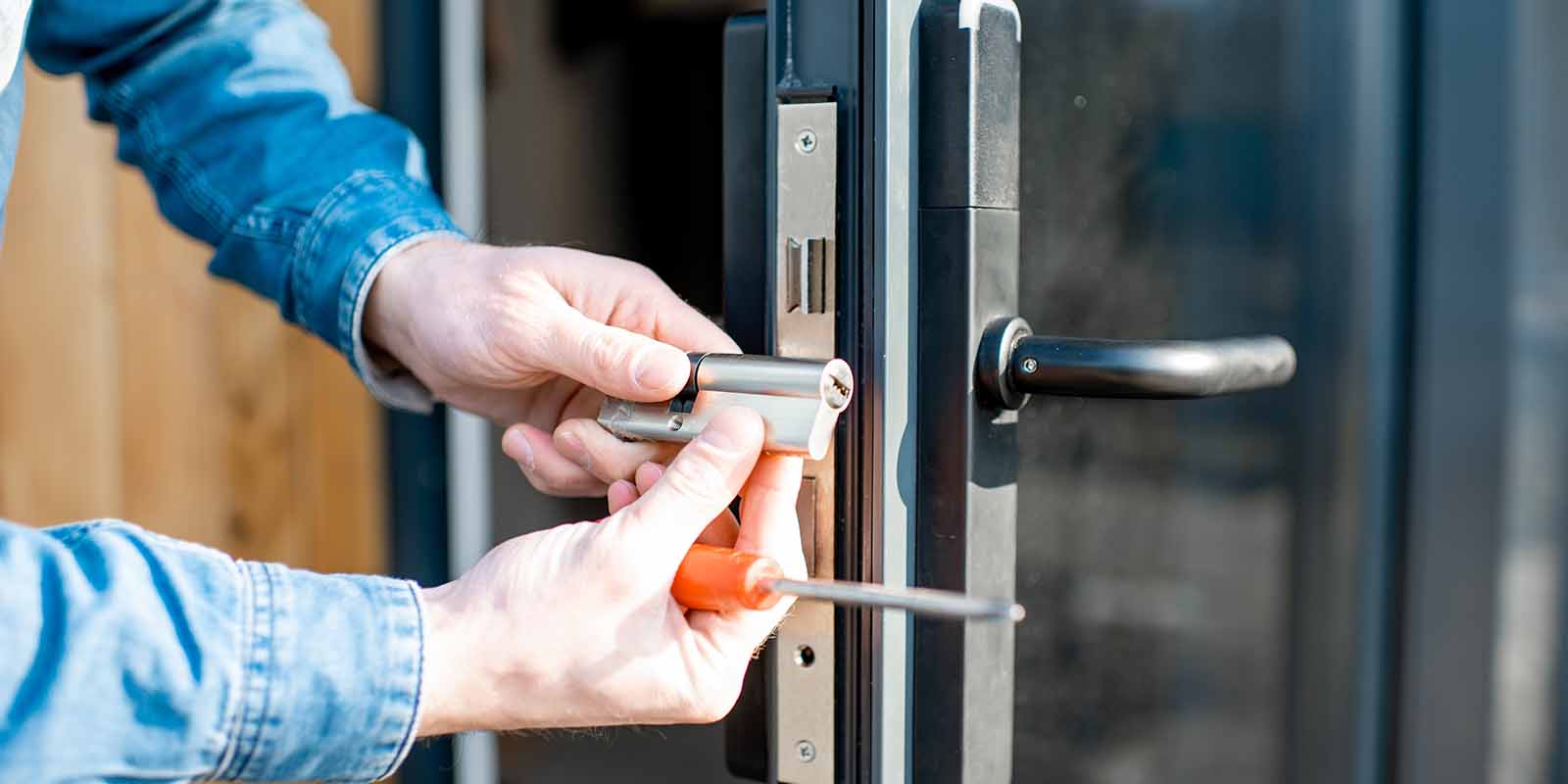
- A suitable high-security cylinder.
- Secure hinges.
- Properly adjusted keeps.
Even the strongest lock performs best when installed within a door that operates correctly and closes securely.
Related Article: How burglars target weak doors?
Security Is About the Whole Property
Effective home security is rarely achieved through a single product.
Instead, it results from combining:
- Good physical security.
- Sensible daily habits.
- Regular maintenance.
- Natural surveillance.
- Environmental design.
- Community awareness.
Each measure contributes towards reducing opportunities for opportunist crime while improving the overall resilience of the property.
Conclusion
Home security is about much more than fitting the strongest available lock. While quality locking systems remain an essential part of protecting a property, many opportunist burglars are believed to assess the wider environment before deciding whether a home appears worth the risk. Visible maintenance, clear sight lines, appropriate lighting, secure boundaries and everyday signs of occupancy all contribute to making a property appear cared for and regularly observed.
No single lock, alarm or security camera can eliminate the risk of burglary. The most effective approach combines reliable physical security with thoughtful environmental design, sensible daily routines and good maintenance. Together these measures create multiple layers of protection that make a property less attractive to an opportunist while providing homeowners with greater confidence in the security of their home.
Frequently Asked Questions
Do burglars always target the most expensive homes?
Not necessarily. Many residential burglaries are considered opportunistic, with offenders potentially favouring properties that appear easier to enter and leave rather than simply those that seem the most valuable.
Does a tidy property improve security?
A well-maintained property may suggest that it is regularly occupied and that maintenance issues are addressed promptly. While this doesn't guarantee security, it can contribute to the overall impression that the home is actively cared for.
What is layered security?
Layered security means combining several protective measures—such as quality locks, secure windows, exterior lighting, good maintenance and sensible daily habits—rather than relying on a single security product.
Why is natural surveillance important?
Properties that are easier to observe from neighbouring homes or public areas generally provide fewer opportunities for suspicious activity to go unnoticed.
Is a high-security lock enough on its own?
A quality lock is an important part of protecting a home, but it works best as part of a wider security strategy that includes a well-maintained door, proper installation, good lighting, secure boundaries and regular maintenance.
Related Articles: Signs that a burglar has been tampering with your locks.