The Problem
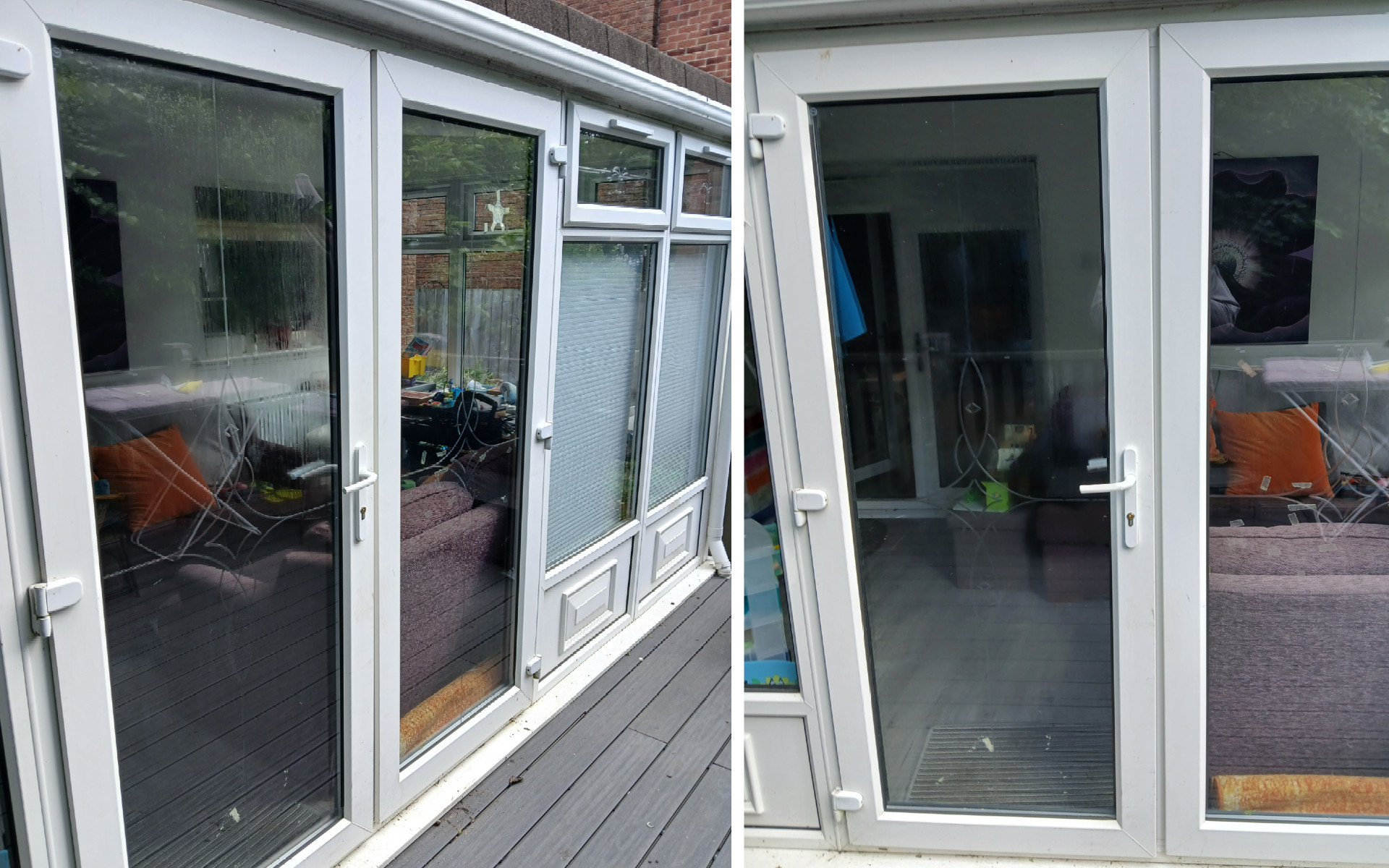
I was recently called to repair a pair of uPVC conservatory French doors that had become increasingly difficult to use. The customer explained that the doors had been getting worse over time and that there was now a particular "knack" to locking them. In fact, he was the only person in the household who could lock them properly.
On inspection, it was clear that the locks themselves were not the main problem. The issue was poor alignment, which was placing excessive strain on the entire locking system.
Initial Inspection
Several faults were immediately apparent.
The passive door had dropped and was catching badly on the threshold every time it was opened or closed. There was also a noticeable uneven gap between the two doors, allowing cold draughts into the conservatory.
At the top, the doors were striking each other when closing. This not only made them difficult to operate but also forced the locking mechanisms to work much harder than they should.
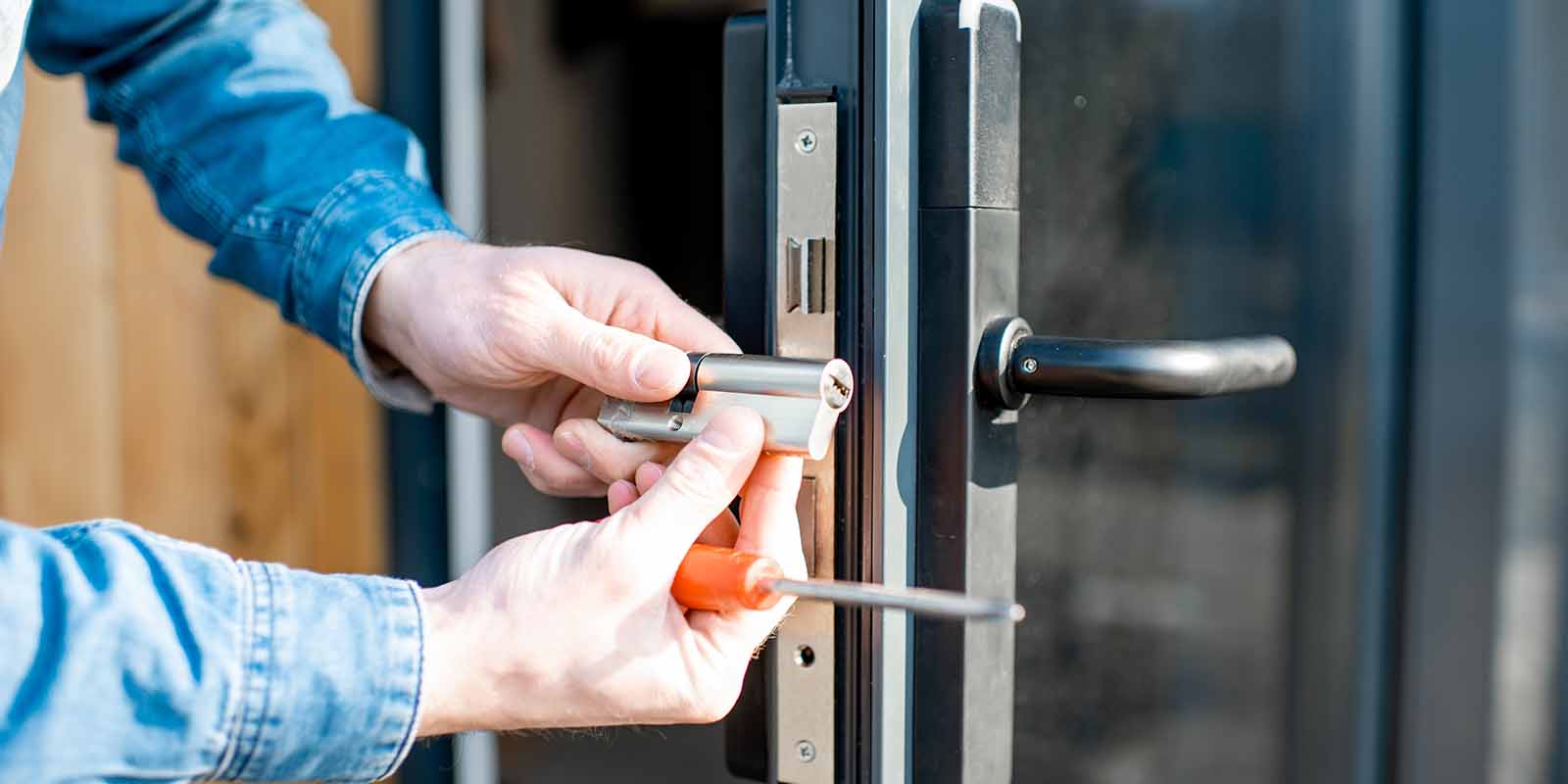
The customer had also noticed that one of the keys rattled in the lock and had become increasingly difficult to turn. Inspection showed that the euro cylinder had become worn, so it was replaced with a new lock, restoring smooth key operation.
Repairing the Passive Door First
When repairing French or conservatory doors, I always begin with the passive door because it determines the final position of the active door.
The hinges were carefully adjusted to lift the door clear of the threshold and restore the correct operating height.
Once the door was sitting correctly, the finger bolt keeps were adjusted so they pulled the door firmly into the weather seals when locked. This restored an even seal around the passive door and eliminated the draughts that had developed over time.
Realigning the Active Door
With the passive door correctly positioned, attention turned to the active door.
The hinges were adjusted to:
- Close the excessive gap at the bottom.
- Increase the clearance at the top.
- Create an even gap between both doors.
- Eliminate rubbing on the threshold.
- Prevent the doors striking each other.
Correct alignment ensured both doors opened and closed freely without placing unnecessary pressure on the locking mechanism.
Adjusting the Locking Receivers
Although both doors were now aligned correctly, the locking mechanism was still operating under unnecessary strain.
The receivers in the frame had been left in positions that no longer matched the newly aligned doors.
Each receiver was removed and repositioned so every locking point engaged within the manufacturer's operating tolerances.
The aim was not simply to make the doors lock, but to ensure the entire locking system worked as designed. Once adjusted correctly, the handles lifted smoothly, the locking points engaged progressively and the doors were pulled evenly into the weather seals without requiring excessive force.
Final Testing
Following the repairs, both doors were tested repeatedly to ensure every component operated correctly.
The final checks confirmed:
- Smooth handle operation.
- Locking points engaging correctly.
- Keys turning freely.
- Even gaps between both doors.
- No rubbing on the threshold.
- No contact between the doors.
- Draughts eliminated.
- A tight weather seal around both doors.
The complete locking system now operated exactly as intended.
Why Correct Alignment Is So Important
Many conservatory door problems are caused by alignment rather than failed locks.
As doors gradually move over time, even small changes can cause the locking points to bind against the frame, increasing the force required to lift the handles or turn the key.
Left unresolved, this additional strain can lead to:
- Worn lock cylinders.
- keys snapped in the lock.
- Failed gearboxes.
- Broken door handles.
- Damaged locking points.
- Poor weather sealing.
- Increased draughts.
- More expensive repairs.
Correct alignment not only restores smooth operation but also helps extend the life of the entire locking system.
Conclusion
This repair demonstrates why it is important to diagnose the complete door rather than simply replacing parts. Although the worn lock cylinder needed replacing, the real cause of the difficult operation was poor door alignment and incorrectly positioned locking receivers. By carefully realigning both doors, adjusting the finger bolt keeps and repositioning the receivers within the manufacturer's tolerances, the locking system was restored to smooth, effortless operation.
The customer no longer needs a special technique to lock the doors. The handles lift easily, the keys turn smoothly, the draughts have been eliminated and both doors close securely with an even seal. Addressing the underlying alignment issues has also removed unnecessary strain from the locking mechanisms, helping to prevent future wear and extending the life of the doors.