Introduction
The simple answer is no.
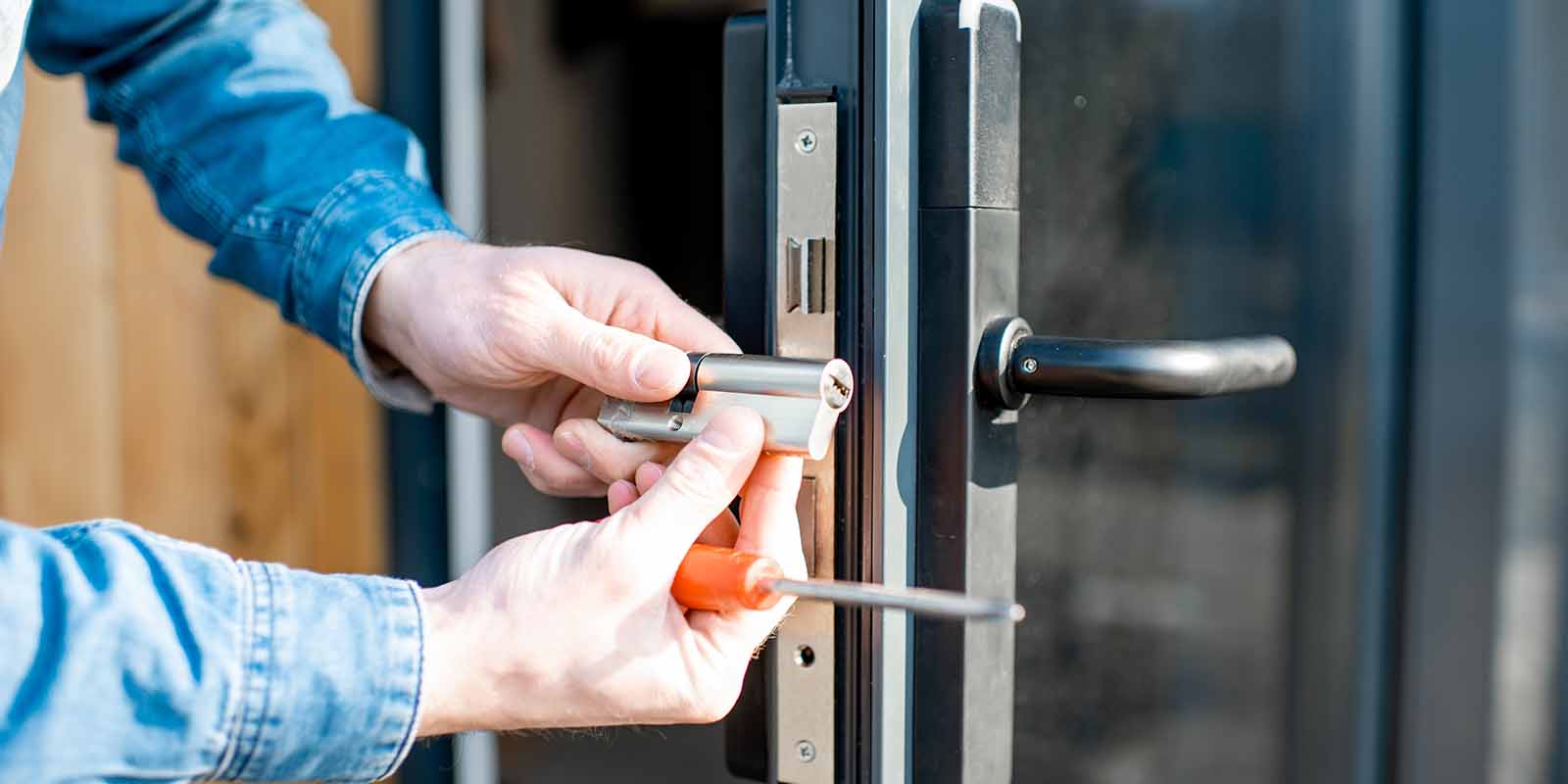
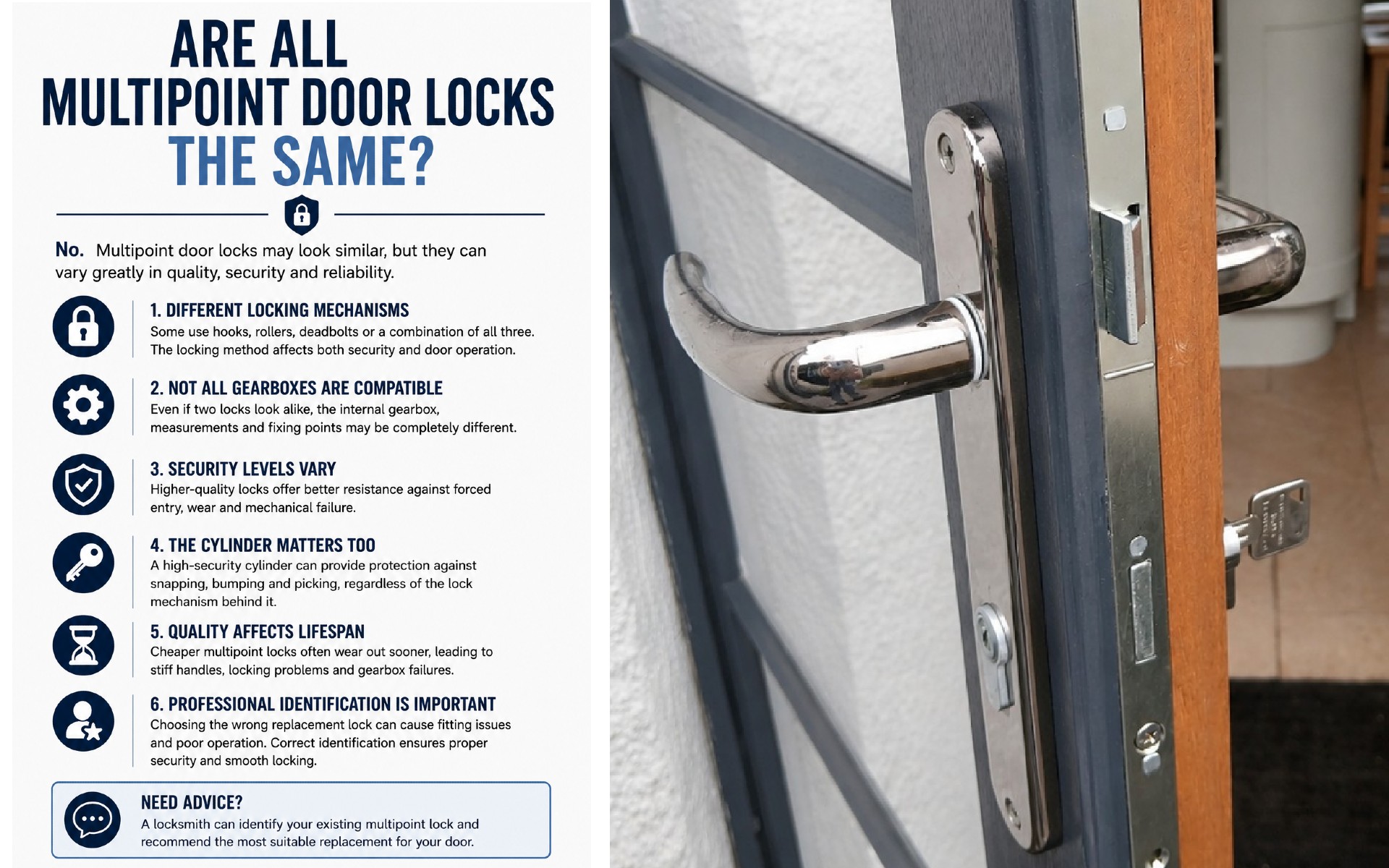
While most multipoint door locks fitted to uPVC and composite doors look similar from the outside, there are actually hundreds of different designs, sizes and configurations. One of the biggest misconceptions I come across is homeowners believing that any multipoint lock will fit any door.
Unfortunately, it doesn't work like that.
Every mechanism is designed to suit a particular door, frame and locking arrangement. Choosing the wrong replacement can lead to poor operation, unnecessary expense, or a lock that simply won't fit.
Different Manufacturers Use Different Designs
There are many manufacturers of multipoint locking mechanisms, including:
- Winkhaus
- GU
- Fuhr
- Lockmaster
- Fullex
- Yale
- Maco
- Mila
- Avocet
- KFV
Each manufacturer has produced numerous models over the years, many of which have different dimensions and locking configurations. Even mechanisms made by the same manufacturer may not be interchangeable.
Different Locking Point Configurations
Multipoint locks secure the door using a variety of locking points positioned along the faceplate.
These may include:
- Hooks.
- Rollers.
- Mushroom cams.
- Deadbolts.
- Combination locking systems.
The locking points must line up perfectly with the keeps fitted to the frame. A mechanism with a different layout simply won't operate correctly.
Gearboxes Are Not Universal
The center gearbox is the heart of every multipoint locking mechanism.
Although many gearboxes look similar, they often differ in:
- PZ centres.
- Backsets.
- Follower sizes.
- Lock case dimensions.
- Handle spindle positions.
- Cylinder positions.
Two mechanisms may appear almost identical but contain completely different gearboxes.
Faceplate Measurements Are Critical
When replacing a complete mechanism, accurate measurements are essential.
Important measurements include:
- Overall mechanism length.
- Faceplate width.
- Backset measurement.
- PZ measurement.
- Distance between locking points.
- Position of hooks, rollers and deadbolts.
- Distance from the gearbox to the first locking point.
A difference of only a few millimetres can prevent the mechanism from fitting correctly.
The Door and Frame Must Match
The mechanism isn't the only thing that matters.
The:
- Keeps.
- Door profile.
- Frame design.
- Handle positions.
- Cylinder position.
all have to work together as one complete locking system.
Even if a mechanism physically fits inside the door, it may not engage correctly with the existing keeps.
Some Mechanisms Are Obsolete
Many older uPVC and composite doors contain locking mechanisms that are no longer manufactured.
Some homeowners are told that replacement parts are unavailable and that the only solution is a completely new door.
Fortunately, that's often not the case.
An experienced locksmith can frequently:
- Replace only the gearbox.
- Repair the existing mechanism.
- Source old stock.
- Locate compatible replacement parts.
- Adapt a suitable replacement mechanism.
This can save hundreds or even thousands of pounds compared to replacing the entire door.
Universal Repair Mechanisms
Universal repair mechanisms are widely available but we don't rate them. They lack the build quality and unless fitted correctly just wont work right.
Potential drawbacks include:
- Locking points may not match the original layout.
- Additional adjustments are often required.
- The door may not operate as smoothly.
- Security performance may differ.
- Build quality varies between manufacturers.
Where possible, fitting the correct original mechanism is usually the better long-term solution.
Not Every Fault Requires a New Mechanism
Many homeowners assume that a faulty multipoint lock means replacing the entire strip.
In reality, common faults are often caused by:
- Failed gearboxes.
- Broken springs.
- Seized hooks or rollers.
- Door alignment issues.
- Worn handles.
- Incorrectly sized cylinders.
Sometimes replacing a single component is all that's required to restore the lock to full working order.
Why Correct Identification Matters
Ordering the wrong mechanism can result in:
- Wasted money.
- Delayed repairs.
- Poor door operation.
- Additional fitting costs.
- Reduced security.
- Unnecessary frustration.
Correct identification involves checking the manufacturer, model, dimensions and locking point configuration before ordering replacement parts.
Genuine Parts Give the Best Results
Whenever genuine replacement parts are available, they are the preferred option.
The original mechanism was designed specifically for that door and frame combination, which generally provides:
- Smoother operation.
- Better alignment.
- Greater reliability.
- Longer service life.
- Fewer fitting compromises.
Repairing the original mechanism with genuine components is often preferable to fitting a universal replacement.
The Importance of Correct Door Alignment
Even the correct mechanism won't perform properly if the door is out of alignment.
A dropped door places excessive strain on:
- The gearbox.
- Locking points.
- Handles.
- Cylinder.
If alignment issues aren't corrected, even a brand-new mechanism may suffer premature wear or failure.
A proper repair should always include checking and adjusting the door where necessary.
Conclusion
Although all multipoint locks perform the same basic function, they are far from identical. Differences in manufacturers, gearboxes, locking points, dimensions and door designs mean that every replacement mechanism must be carefully matched to the door. In many cases, replacing a failed gearbox or repairing the original mechanism is a better solution than fitting a universal repair lock or replacing the entire door. Correct identification, quality parts and proper door alignment are the key to achieving a smooth, reliable and long-lasting repair.
Related guides: