Introduction
Losing your keys can be frustrating and worrying, particularly if you don't know where they've gone. One of the first questions many homeowners ask is whether they need to replace the lock or simply have another key cut.
The answer depends on how the keys were lost and whether there's any possibility they could be linked to your property. In many situations, replacing the lock is the safest option and provides immediate peace of mind. It also presents an ideal opportunity to upgrade your home's security with a modern, high-security lock.
When Should You Replace the Lock?
If your keys have been lost and you cannot recover them, replacing the lock is usually the most sensible course of action.
Although the chances of someone finding your keys and identifying your property may be small, it's often not a risk worth taking.
A lock replacement immediately ensures the missing keys can no longer be used to gain access.
You should strongly consider changing the lock if:
- Your keys were lost near your home.
- Your keys were stolen.
- Your keys were attached to your address.
- Your car keys and house keys were stolen together.
- You have recently moved home and have also misplaced a key.
- You simply want complete peace of mind.
What If Your Keys Were Stolen?
If you believe your keys have been stolen rather than lost, replacing the lock should be treated as a priority.
If the thief knows where you live—or has access to information that identifies your address—they could potentially return at any time.
Changing the lock removes that risk immediately and restores control over who can access your property.
When Might a Lock Change Not Be Necessary?
Not every lost key requires a new lock.
You may not need to replace the lock if:
- The keys were misplaced inside your home.
- You quickly recovered them.
- You know exactly where they were left and are confident nobody else had access to them.
Even then, it's worth taking the opportunity to assess whether your existing locks still provide the level of security you want.
Upgrade Your Security at the Same Time
Many homeowners use a lock change as an opportunity to improve security.
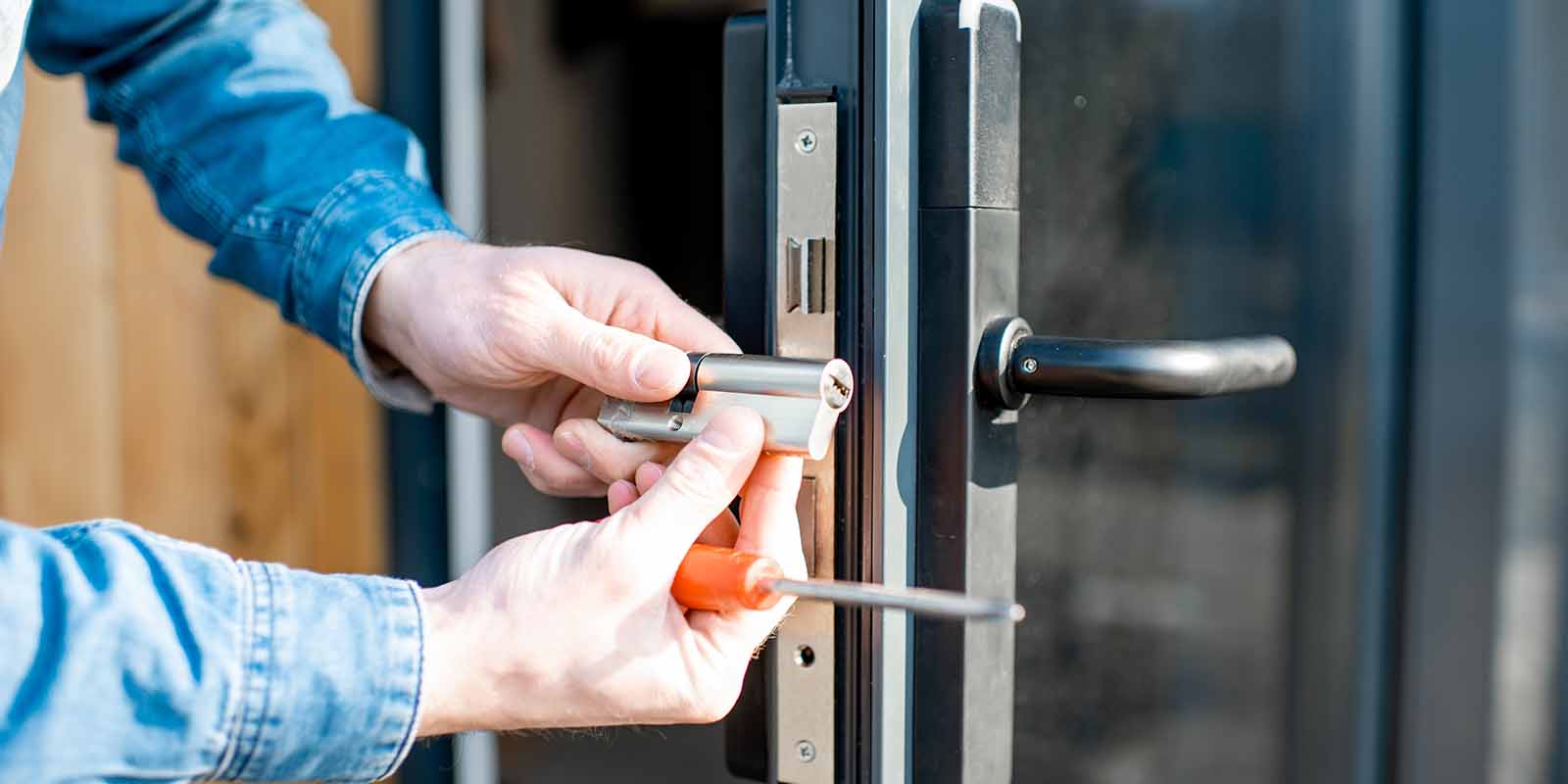
Older uPVC and composite doors are often fitted with standard euro cylinders that offer limited protection against modern burglary techniques.
Replacing them with a quality anti-snap cylinder provides protection against:
- Lock snapping.
- Lock drilling.
- Lock picking.
- Lock bumping.
It's a relatively small upgrade that can make a significant difference to your home's security.
Check the Lock Is the Correct Size
When replacing a cylinder, it's important that the new lock is correctly measured.
A euro cylinder that protrudes too far beyond the handle creates a potential security weakness and can make lock snapping easier.
The replacement cylinder should sit as close to flush with the handle as possible while operating smoothly.
Upgrade Your Door Handles Too
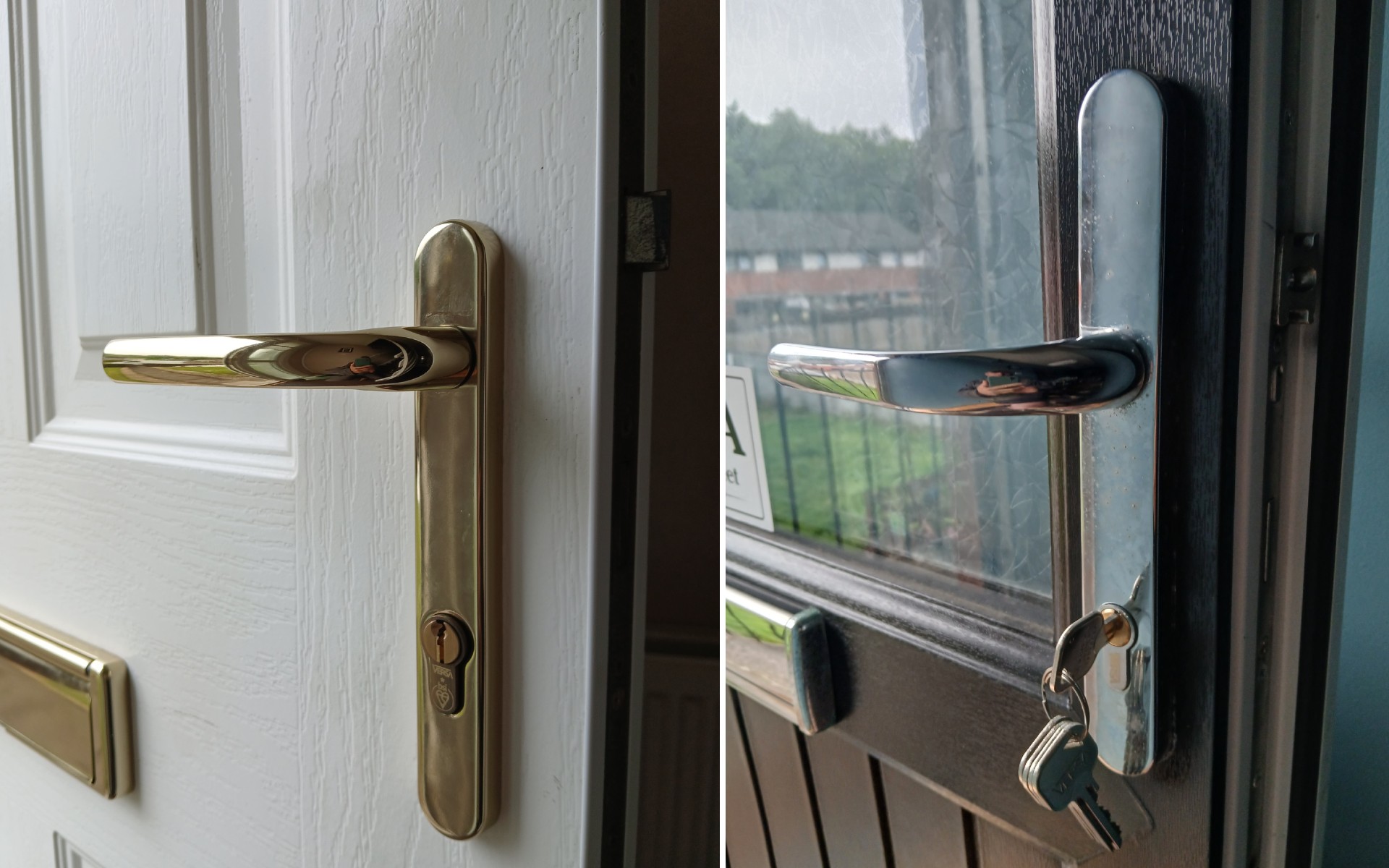
If your handles are old or offer little protection around the cylinder, this is also a good time to consider upgrading them.
A quality TS007 2 Star security handle, combined with a 1 Star anti-snap cylinder, achieves TS007 3 Star security, offering enhanced protection against common attack methods.
Replacing worn handles can also improve the operation of the locking mechanism and reduce strain on the gearbox.
What About Timber Doors?
If your property has timber external doors fitted with mortice locks, losing your keys may be the perfect opportunity to upgrade to a more secure lock.
A BS3621 mortice lock provides enhanced resistance against forced entry and is widely recognised by home insurers for external timber doors.
If the door forms your main escape route, a BS8621 mortice lock may be more suitable. It provides a similar level of security but allows the door to be unlocked from the inside using a thumbturn instead of a key, improving emergency escape while maintaining excellent security.
Should You Replace Every Lock?
Not necessarily.
In many cases, only the lock associated with the missing keys needs replacing.
However, if you're planning to upgrade security, it may be worth considering changing multiple external locks at the same time.
Many homeowners choose keyed alike locks, allowing one key to operate:
- Front door.
- Back door.
- Garage personnel door.
- Side entrance.
- Conservatory door.
This provides greater convenience without compromising security.
Keep Track of Spare Keys
Once a new lock has been fitted, it's worth knowing exactly how many keys exist and who has them.
Avoid unnecessary copies and only provide spare keys to people you trust.
Many modern replacement cylinders are supplied with five keys, providing enough for most households without the need for immediate key cutting.
Prevention Is Better Than Another Lost Key
To reduce the chances of future problems:
- Keep a designated place for your keys at home.
- Avoid attaching your address to your keys.
- Consider a Bluetooth tracking device if you frequently misplace them.
- Keep a spare key with a trusted family member or friend rather than hiding one outside.
Simple precautions can save considerable inconvenience later.
Conclusion
Losing your keys doesn't always mean you have to replace the lock, but if there's any possibility they could be used to gain access to your home, changing the lock is usually the safest and most sensible decision. A professional lock replacement removes any uncertainty, restores your peace of mind and provides an excellent opportunity to upgrade to modern security standards. Whether that means fitting an anti-snap euro cylinder to a uPVC or composite door, upgrading a timber door with a BS3621 or BS8621 mortice lock, or installing keyed alike locks for greater convenience, a lock change is a relatively small investment that helps protect one of your most valuable assets—your home.
Related guides: