The Complete Guide to Home Door Locks
Introduction
Your front and back doors are your home's first line of defence, yet many homeowners don't think about their locks until something goes wrong. A key becomes difficult to turn, the handle starts feeling stiff or the door suddenly refuses to lock—and only then does the locking system receive any attention.
Understanding door security standards and the different types of door locks, how they work and how to look after them can help improve your home's security, extend the life of your locking system and prevent unexpected lock failures.
Whether you have a uPVC, composite or timber door, this guide explains the most common door locks, how they differ and what you should know before repairing, replacing or upgrading them.
Why Your Door Lock Matters
A quality door lock does much more than simply keep a door closed.
It helps to:
- Protect your home from intruders.
- Keep your family safe.
- Meet many home insurance requirements.
- Prevent unauthorised access.
- Secure your property while you're away.
- Protect valuable possessions.
- Provide peace of mind.
However, even the best lock can only perform properly if the rest of the door is in good condition. A secure door depends on quality locking components, correct installation and proper door alignment working together.
Different Types of Door Locks
Different styles of doors use different locking systems.
Understanding which type you have makes it easier to diagnose problems and choose suitable replacement parts.
Euro Cylinder Locks
Euro cylinders are found on the majority of modern:
- uPVC doors.
- Composite doors.
- French doors.
- Some aluminium doors.
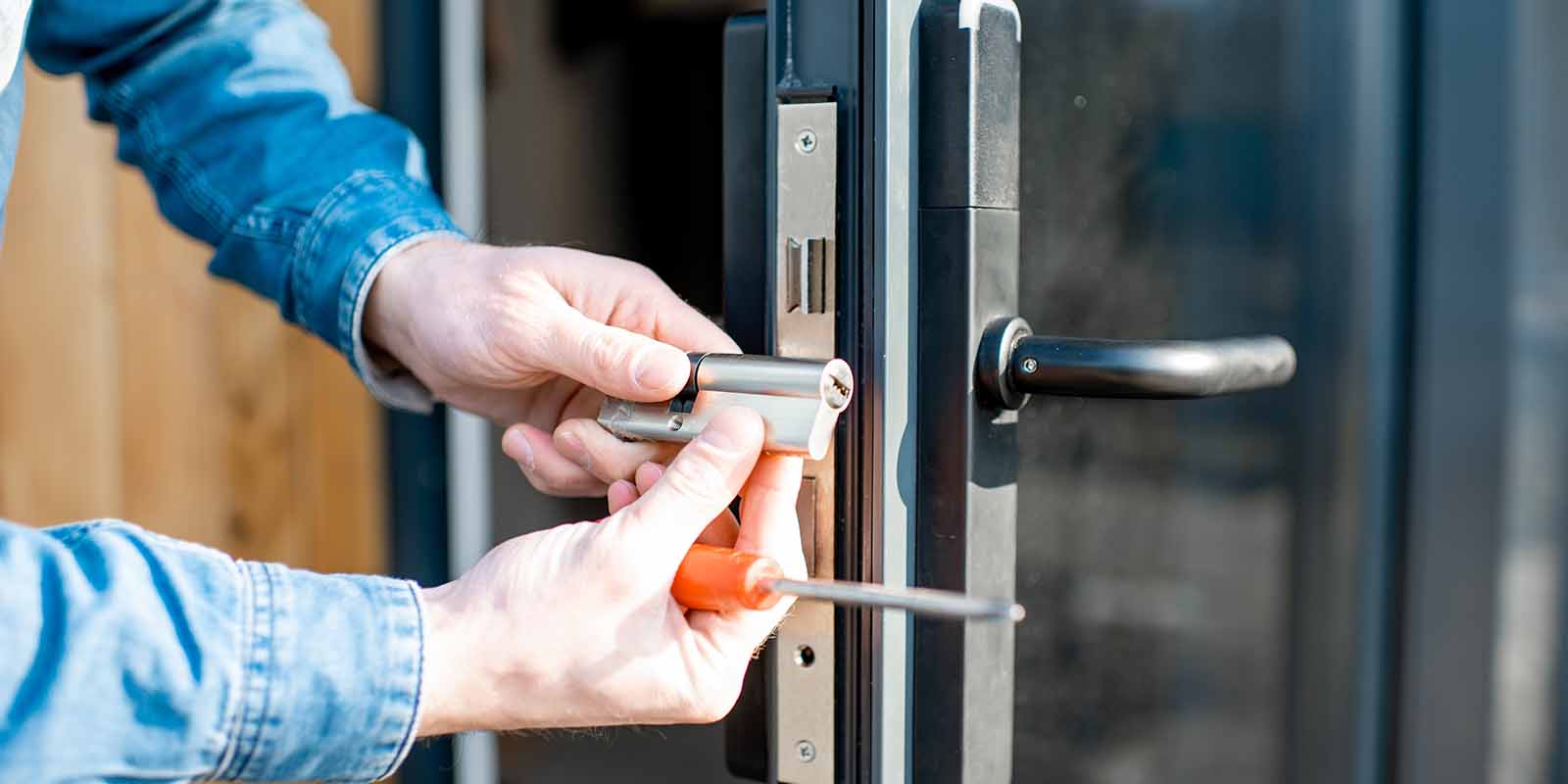
The euro cylinder is the removable section that your key fits into.
Its purpose is to operate the locking mechanism hidden inside the edge of the door.
One of the biggest advantages of a euro cylinder is that it can usually be replaced independently without changing the rest of the locking system.
Homeowners often replace the cylinder to:
- Improve security.
- Replace lost keys.
- Repair a worn cylinder.
- Upgrade to a snap-resistant model.
- Change who has access to the property.
- Upgrade to a keyed alike system.
Multipoint Locking Systems
Most modern uPVC and composite doors use a multipoint locking system.
Instead of securing the door at one location, the mechanism locks it at several points around the frame.
These locking points commonly include:
- Hooks.
- Rollers.
- Deadbolts.
When you lift the handle and turn the key, all of these locking points engage together, creating a much stronger and more secure door than a traditional single-point lock.
Mortice Locks
Mortice locks are commonly fitted to timber front and back doors.
Unlike euro cylinders, they're recessed into a pocket cut into the edge of the door.
Many insurance companies recommend or require British Standard mortice deadlocks on timber external doors because they offer excellent resistance against forced entry when correctly installed.
Night Latches
Often referred to as Yale-style locks, night latches automatically latch when the door closes.
They're commonly fitted to timber front doors alongside a mortice deadlock.
While convenient for day-to-day use, they're normally intended to work alongside another lock rather than as the only security device.
Understanding a Multipoint Lock
Most modern external doors use a multipoint locking mechanism made up of several individual components.
These include:
- Euro cylinder.
- Centre case (gearbox).
- Hooks.
- Rollers.
- Deadbolts.
- Latch.
- Connecting rods.
- Keeps fitted to the frame.
Each component performs a different function, but all work together every time the handle is lifted or the key is turned.
If just one component develops a fault, the whole locking system may be affected.
How Modern Door Locks Work Together
Although homeowners often refer to everything as "the lock", modern door security systems consist of several separate components.
A typical locking sequence works like this:
- The door closes against the frame.
- Lifting the handle prepares the locking points.
- The gearbox transfers movement through the mechanism.
- Hooks, rollers and deadbolts engage with the keeps.
- Turning the key secures the gearbox.
Each component relies on the others functioning correctly.
Related guide: Understanding your front door.
Choosing the Right Lock
If you're replacing or upgrading your existing lock, several factors should be considered.
These include:
- The type of door.
- The correct euro cylinder size.
- The level of security required.
- Whether you would benefit from keyed alike cylinders.
- Your home insurance requirements.
- The age and condition of the existing locking mechanism.
- Compatibility with existing hardware.
Choosing the correct components ensures reliable operation and helps avoid unnecessary wear.
Security Upgrades Worth Considering
Many older doors can be significantly improved without replacing the door itself.
Popular upgrades include:
- TS007 3 Star snap-resistant euro cylinders.
- TS007 1 Star cylinders combined with TS007 2 Star security handles.
- High-security sprung door handles.
- New multipoint locking mechanisms where appropriate.
- Keyed alike cylinders for convenience.
- Upgrading older cylinders to modern anti-snap designs.
These improvements provide much greater protection against common methods of attack while allowing you to retain your existing door.
Common Signs Your Lock Needs Attention
Door locks rarely fail without warning.
Common symptoms include:
- A stiff handle.
- The key becoming difficult to turn.
- The handle failing to spring back.
- The door becoming harder to lock.
- Grinding, clicking or crunching noises.
- The key sticking in the cylinder.
- The lock operating better with the door open.
- Locking points failing to engage smoothly.
Recognising these early warning signs often prevents more expensive repairs later.
Why Door Alignment Is Just as Important
One of the biggest misconceptions is that every stiff lock is caused by a worn locking mechanism.
In reality, poor door alignment is one of the most common causes of lock problems.
A dropped door can cause:
- Stiff handles.
- Difficult key operation.
- Gearbox failure.
- Broken door handles.
- Locking points rubbing against the frame.
- Premature wear throughout the locking mechanism.
Even the highest-quality lock cannot operate properly if the door isn't correctly aligned.
Looking After Your Door Locks
Routine maintenance can significantly extend the lifespan of your locking system.
Good practice includes:
- Keeping locking points clean.
- Lubricating moving components with a suitable lock lubricant.
- Avoiding forcing stiff handles.
- Tightening loose handles.
- Checking that the door closes smoothly.
- Having the door realigned if it becomes difficult to lock.
Preventative maintenance is almost always less expensive than repairing a failed locking mechanism.
Repair or Replace?
A faulty lock doesn't automatically mean you need a new door.
Many common faults can be repaired by replacing individual components, including:
- The euro cylinder.
- The centre case (gearbox).
- The multipoint locking mechanism.
- Door handles.
- Hinges where necessary.
Combined with correct door realignment, these repairs often restore the locking system to full working order for a fraction of the cost of replacing the entire door.
Simple Ways to Improve Home Security
Improving your home's security doesn't necessarily require expensive renovations.
Simple measures include:
- Replacing worn cylinders.
- Upgrading to anti-snap locks.
- Repairing stiff handles early.
- Replacing worn locking mechanisms.
- Ensuring every locking point engages fully.
- Correcting poor door alignment.
- Carrying out routine maintenance before faults develop.
Small improvements made at the right time often provide significant long-term benefits.
The Biggest Misconception About Door Locks
One of the most common misunderstandings is believing that a failed lock means the entire door has failed.
In reality, the vast majority of locking problems involve individual components rather than the door itself.
Whether it's:
- A worn euro cylinder.
- A failed gearbox.
- A damaged multipoint locking mechanism.
- Broken door handles.
- Poor door alignment.
Most problems can be repaired without replacing the complete door.
A proper diagnosis identifies the actual cause, allowing only the worn parts to be replaced while preserving a perfectly serviceable door.
Conclusion
Good home security isn't achieved simply by fitting the strongest lock available. A secure entrance depends on a combination of quality locking components, a correctly aligned door and regular maintenance that prevents small problems from becoming major failures.
Understanding how your locking system works allows you to recognise early warning signs, choose appropriate security upgrades and make informed decisions when repairs are needed. In many cases, replacing a worn euro cylinder, gearbox or multipoint locking mechanism—and ensuring the door is correctly aligned—can restore smooth, secure operation without the expense of replacing the entire door.
With the right maintenance and timely repairs, most modern door locks will continue protecting your home reliably for many years.
Frequently Asked Questions
What is the most secure lock for a uPVC or composite door?
A TS007 3 Star snap-resistant euro cylinder offers one of the highest levels of standalone cylinder protection. Alternatively, a TS007 1 Star cylinder combined with TS007 2 Star security handles provides an equivalent level of security.
How long should a door lock last?
A quality multipoint locking mechanism will often last 10–20 years, depending on usage, maintenance and whether the door remains correctly aligned.
Should I change my locks after moving house?
Yes. Because you can't know who still has copies of the existing keys, replacing the lock cylinders after moving into a new property is strongly recommended.
Why is my door becoming difficult to lock?
Common causes include poor door alignment, a dropped door, worn hinges, a failing gearbox, a worn multipoint locking mechanism or a worn euro cylinder. A proper diagnosis should identify the exact cause before any parts are replaced.
Do I need a new door if the lock has failed?
Usually not. Most lock problems involve replaceable mechanical components rather than the door itself. If the door and frame remain structurally sound, replacing the faulty parts and correctly realigning the door will often restore full operation.
How often should door locks be maintained?
There is no fixed schedule, but checking the operation of your locks annually, keeping moving parts clean and lubricated, and investigating any signs of stiffness early can greatly extend the life of the locking system.