Introduction
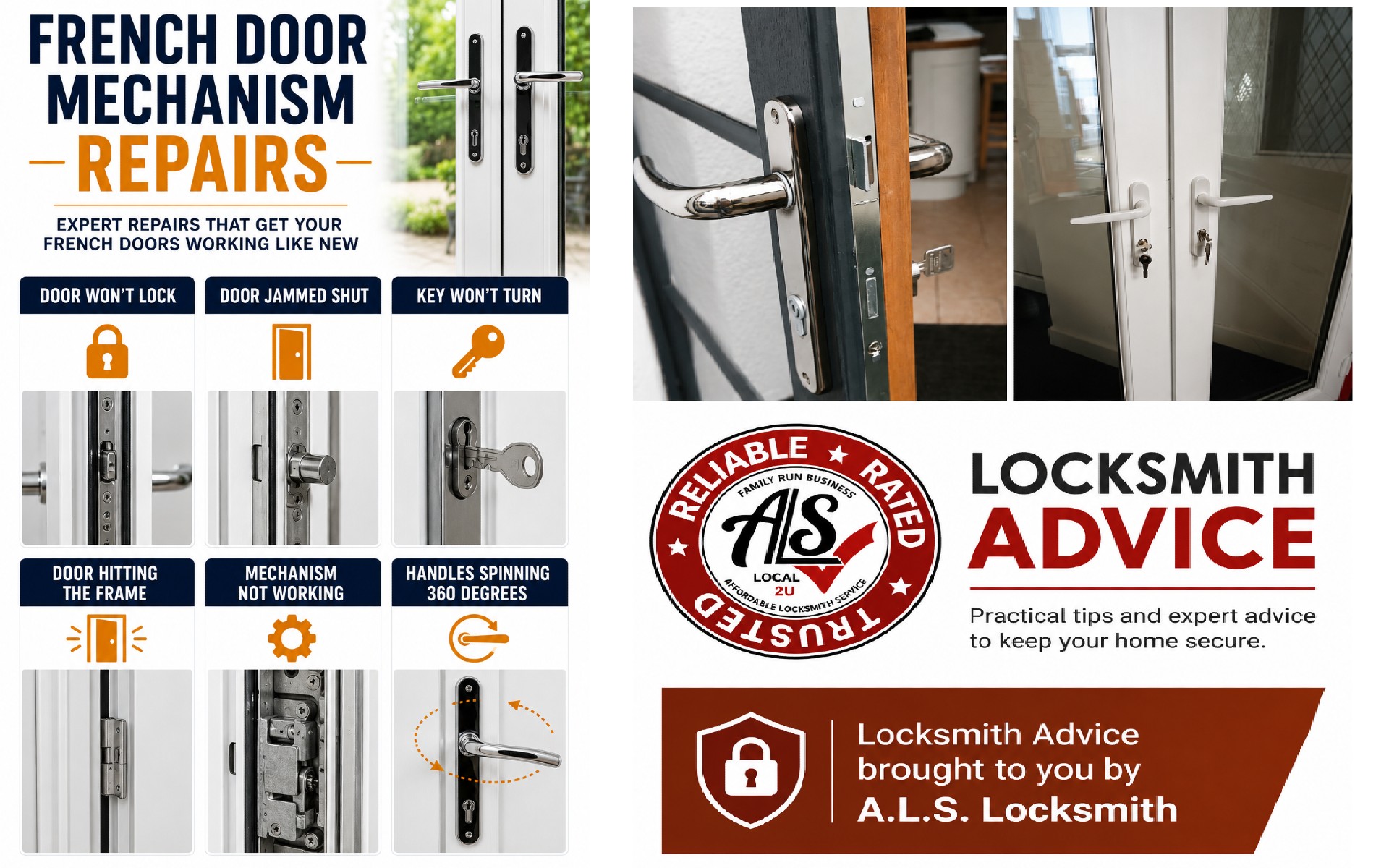
If your French doors have become difficult to lock, the handle feels stiff, or the mechanism has stopped working altogether, don't assume you need new doors. In most cases, the fault lies within the locking mechanism itself and can be repaired by replacing worn components or correcting the door alignment.
The key to a successful repair is identifying the actual cause of the fault before replacing any parts.
Check the Door Alignment First
Before replacing the locking mechanism, check that the doors are correctly aligned.
- The door catching the frame.
- Door difficult to lock.
- Door wont open properly.
- Uneven gaps around the doors.
- Having to push or pull the door to lock it.
- Difficulty lifting the handle.
- The doors rubbing against each other.
A dropped door is one of the most common causes of mechanism failure. Correctly adjusting the doors may restore smooth operation and helps prevent replacement parts from wearing prematurely.
Inspect the Gearbox
The gearbox is the heart of the multipoint locking mechanism and controls the movement of the hooks, rollers, deadbolts and latch.
Common signs of gearbox failure include:
- The handle lifts but nothing happens.
- The key turns but the lock doesn't operate.
- The locking points don't retract.
- The door becomes difficult to lock or unlock.
- The handle feels loose or floppy.
If the remainder of the mechanism is in good condition, replacing the gearbox is often the most cost-effective repair.
Check the Complete Multipoint Mechanism
Sometimes the problem extends beyond the gearbox.
A complete mechanism replacement may be required if:
- Hooks or rollers are damaged.
- Connecting rods have broken.
- Locking points have seized.
- Multiple components have worn excessively.
- The faceplate has been damaged.
- The mechanism has extensive internal wear.
Replacing only the gearbox won't resolve these faults and may simply delay further failure.
Inspect the Lock Cylinder
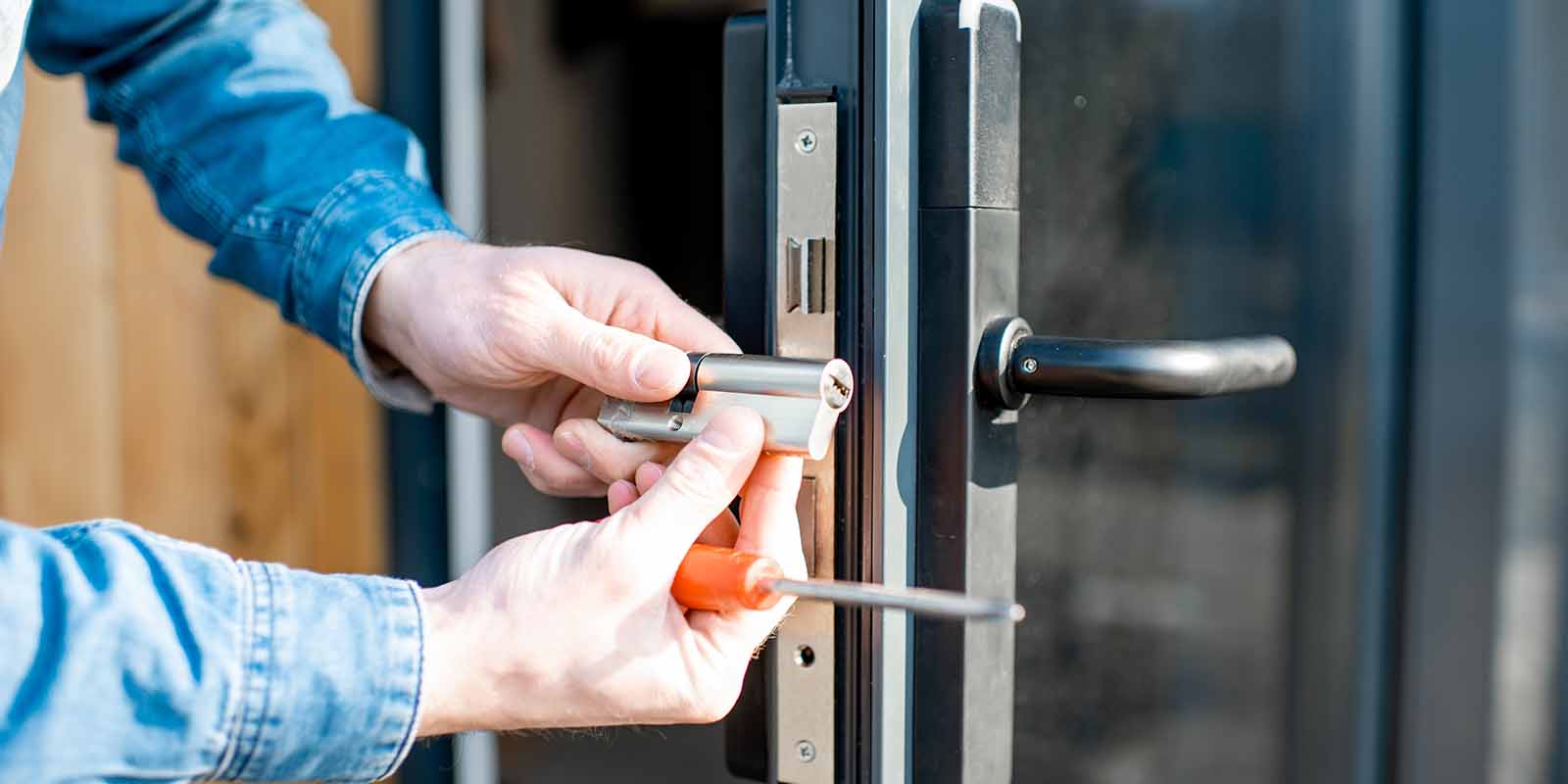
If the handles operate normally but the key is stiff or difficult to turn, the cylinder may be worn.
Typical symptoms include:
- The key sticking.
- Rough operation.
- Difficulty removing the key.
- Intermittent locking.
- The key turning inconsistently.
Replacing the cylinder is often a straightforward repair and provides an ideal opportunity to upgrade to a modern snap-resistant cylinder.
Check the Door Handles
Loose or drooping handles don't necessarily mean the locking mechanism has failed.
Inspect them for:
- Broken return springs.
- Loose fixing screws.
- Cracked backplates.
- Excessive movement.
- Worn spindles.
If the gearbox is also worn, replacing the handles alone will not solve the problem.
Don't Forget the Slave Door
Many French door faults actually begin with the secondary (slave) door.
Check for:
- Stiff shoot bolts.
- Poor alignment.
- Bolts that don't fully engage.
- Difficulty opening the secondary door.
- Loose keeps.
If the slave door isn't operating correctly, it can affect the alignment and operation of the entire door set.
Lubricate the Moving Parts
If the mechanism is otherwise in good condition, occasional maintenance can improve operation.
Lubricate the:
- Hooks.
- Rollers.
- Latches.
- Shoot bolts.
- Deadbolts.
Avoid spraying general-purpose lubricants into the lock cylinder. Only use products specifically designed for lock cylinders if lubrication is required.
Check for Obsolete Mechanisms
Many older French doors are fitted with locking mechanisms that are no longer manufactured.
This doesn't automatically mean the doors need replacing.
Depending on the lock, it may still be possible to:
- Replace the gearbox.
- Fit a compatible replacement mechanism.
- Source original replacement parts.
- Adapt the locking system using suitable components.
An experienced locksmith can often repair mechanisms that others consider beyond repair.
Don't Force the Lock
If your French doors become difficult to lock, resist the temptation to force the handle or key.
Doing so can damage:
- The gearbox.
- The lock cylinder.
- The handles.
- The locking points.
- Internal connecting rods.
A relatively minor repair can quickly become a complete mechanism replacement if excessive force is used.
Most French Door Mechanisms Can Be Repaired
A faulty French door mechanism doesn't usually mean replacing the doors.
Many problems can be resolved by:
- Realigning the doors.
- Replacing the gearbox.
- Installing a complete multipoint mechanism where necessary.
- Replacing the lock cylinder.
- Fitting quality sprung handles.
- Repairing the slave door.
The correct repair depends on the condition of the mechanism and accurately identifying the cause of the fault.
Conclusion
French door locking mechanisms are designed to provide many years of reliable service, but like any mechanical system they eventually wear. Most faults begin with subtle warning signs such as a stiff handle, difficult locking or a door that starts catching the frame. Addressing these problems early can often prevent complete mechanism failure. Whether the repair involves a gearbox replacement, a new multipoint mechanism or simply correcting the door alignment, most French door lock problems can be repaired without the expense of replacing the doors.
Related guides: