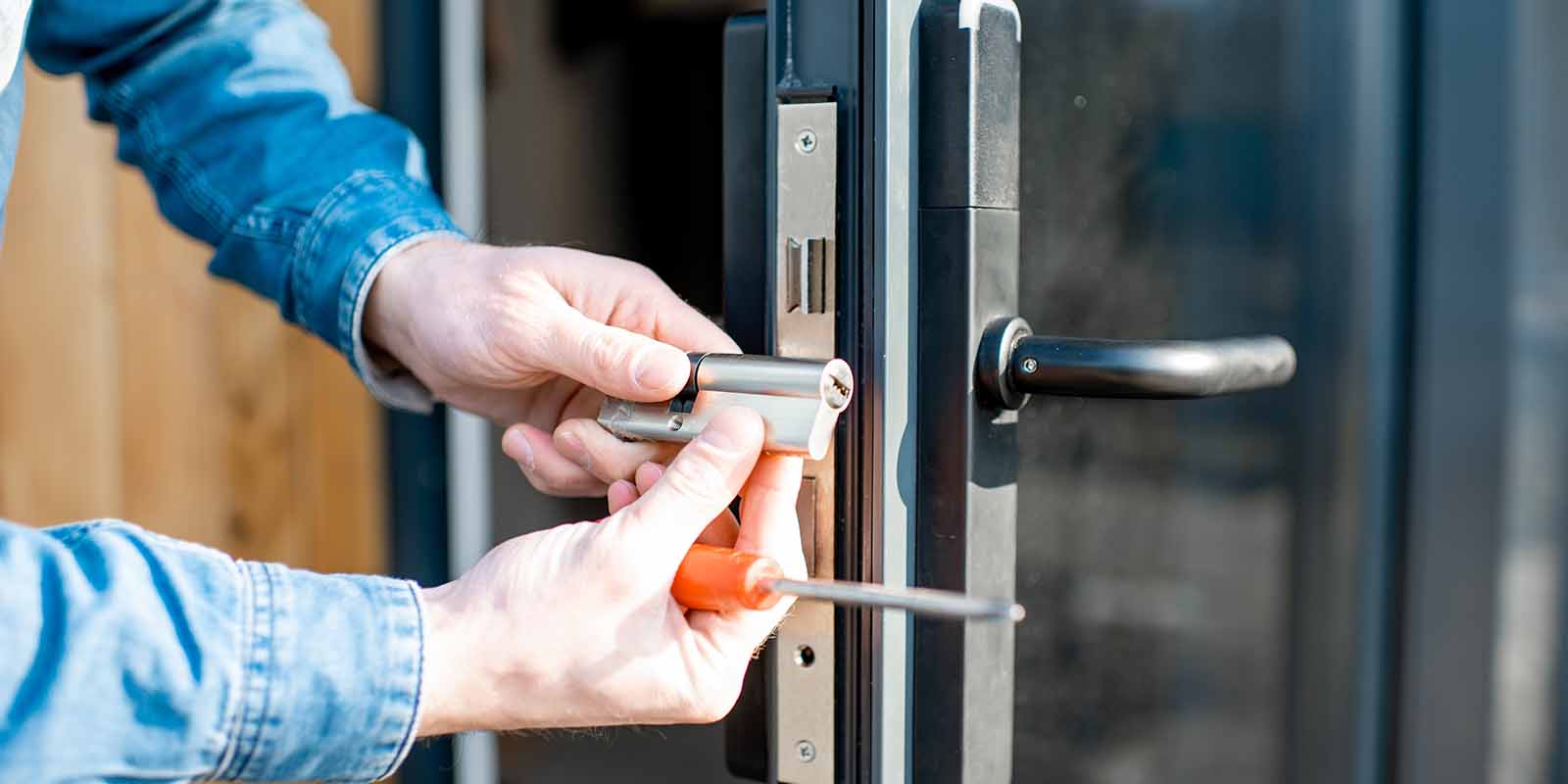
Introduction
Smart locks have become increasingly popular as homeowners look for more convenient ways to secure their homes. Many models allow you to unlock your door using a smartphone, keypad, fingerprint or key fob, while others can be integrated with home automation systems.
For some households, smart locks offer genuine benefits. For others, a high-quality mechanical lock may still be the better option. Before investing in a smart lock, it's worth understanding both the advantages and the potential drawbacks.
The Advantages of Smart Locks
Keyless Convenience
One of the biggest benefits is not needing to carry a traditional key.
Depending on the model, you may be able to unlock your door using:
- A smartphone.
- A PIN code.
- A fingerprint.
- A key fob.
- Voice control (with compatible smart home systems).
This can be particularly useful for families, elderly relatives or anyone who regularly misplaces keys.
Remote Access
Many smart locks allow you to lock or unlock your door remotely using an app.
This can be useful if you need to:
- Let a family member in.
- Allow access for a cleaner or tradesperson.
- Check whether you remembered to lock the door.
- Secure the property while away from home.
Some models also allow temporary access codes that automatically expire.
Activity Logs
Many smart locks record when the door has been locked or unlocked.
This allows you to see:
- When family members arrived home.
- When visitors entered.
- Whether the door has been left unlocked.
This feature can provide additional peace of mind for some homeowners.
No Spare Keys Required
Instead of cutting multiple keys, many smart locks allow you to create additional digital users.
Access can usually be added or removed within minutes.
Integration with Smart Homes
Some smart locks work alongside:
- Smart doorbells.
- Security cameras.
- Alarm systems.
- Smart lighting.
- Home automation routines.
This allows several security features to work together.
The Disadvantages of Smart Locks
Batteries Need Replacing
Most smart locks rely on batteries.
Although batteries often last many months, they do eventually require replacement.
Most locks provide low battery warnings, but ignoring them could leave you unable to use the smart features until new batteries are fitted.
Electronics Can Fail
Unlike a traditional mechanical lock, smart locks contain electronic components.
Possible issues include:
- Software faults.
- App problems.
- Wi-Fi connection issues.
- Bluetooth connectivity problems.
- Firmware updates.
While quality products are generally reliable, electronics introduce additional points of failure.
Higher Initial Cost
Smart locks usually cost considerably more than standard mechanical locks.
The overall cost may include:
- The lock itself.
- Professional installation.
- Optional accessories.
- Subscription services for certain advanced features.
Compatibility Issues
Not every smart lock is suitable for every door.
Compatibility depends on factors such as:
- Door type.
- Existing lock design.
- Multipoint locking mechanism.
- Handle configuration.
- Door thickness.
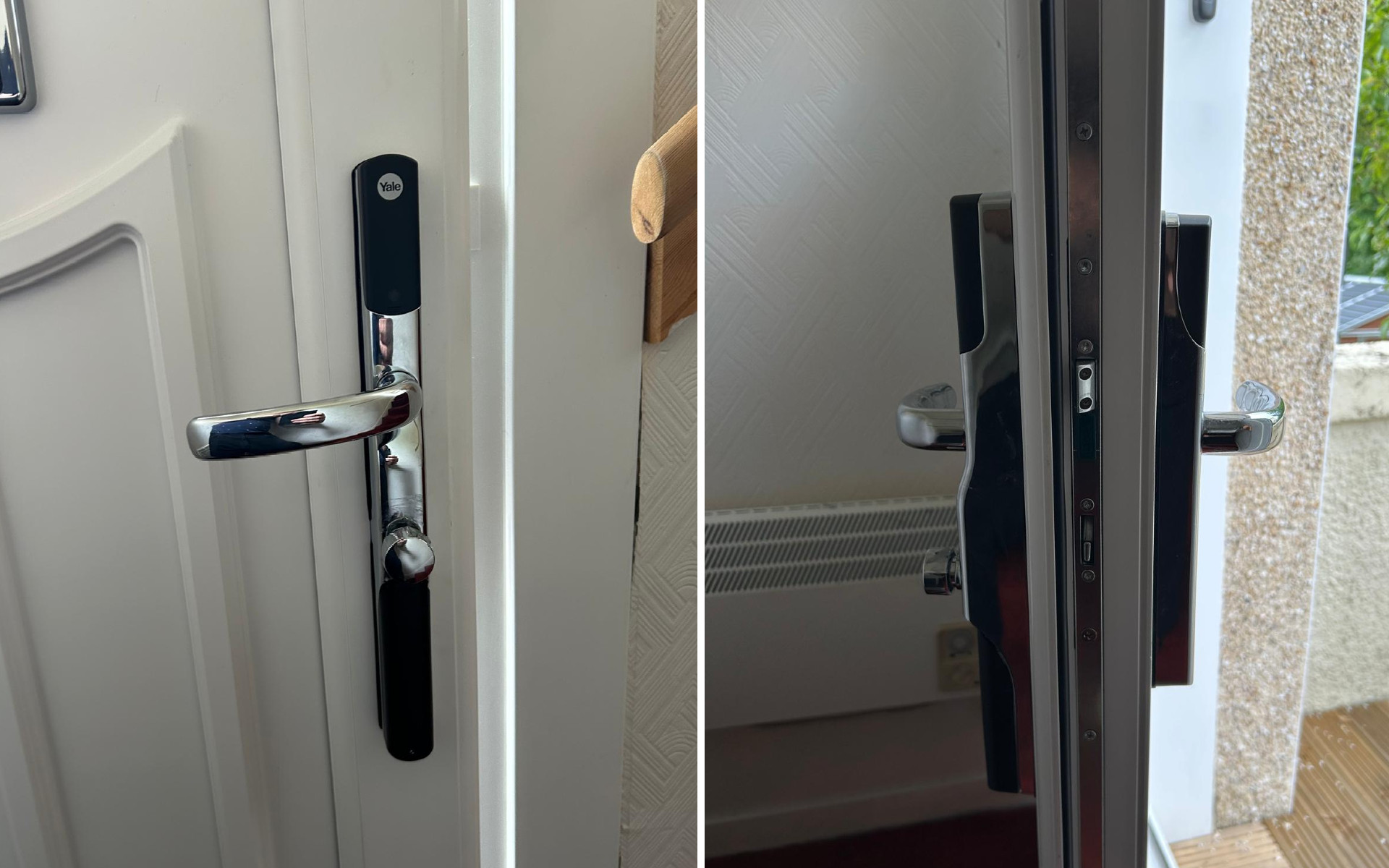
Some uPVC and composite doors require specialist smart lock products designed specifically for multipoint locking systems.
Internet Dependence (for Some Features)
Many smart locks continue to work locally without an internet connection.
However, remote features often rely on:
- A stable Wi-Fi connection.
- A hub or bridge.
- Cloud services.
If these services are unavailable, some functions may be temporarily unavailable, although basic locking usually continues to work.
Security Depends on the Whole System
A smart lock is only one part of your home's security.
A strong smart lock cannot compensate for:
- A poorly fitted door.
- A worn multipoint locking mechanism.
- Weak door frames.
- A low-security cylinder.
- Poor door alignment.
The physical security of the door remains just as important as the electronic features.
Are Smart Locks Secure?
Modern smart locks from reputable manufacturers generally use strong encryption and multiple security features. However, like any connected device, security also depends on regular software updates, strong account passwords and correct installation.
For uPVC and composite doors fitted with multipoint locking systems, it is important to choose a smart lock that is specifically designed to work with the existing hardware. Installing an unsuitable product can affect the operation of the locking mechanism or place unnecessary strain on the handles and gearbox.
Are Smart Locks Right for Every Home?
Not necessarily.
A smart lock may be a good choice if you:
- Frequently lose keys.
- Want remote access.
- Have a busy household.
- Use other smart home devices.
- Need temporary access for visitors or tradespeople.
A traditional high-security mechanical lock may be more suitable if you:
- Prefer simplicity.
- Want minimal maintenance.
- Don't require remote features.
- Value long-term mechanical reliability above convenience.
Conclusion
Smart locks offer impressive convenience and useful features such as keyless entry, remote access and activity logs. However, they also introduce electronic components, batteries and software that require ongoing maintenance. Choosing the right smart lock depends on your lifestyle, your door type and your security requirements.
If you're considering fitting a smart lock to a uPVC or composite door, make sure it is compatible with your existing multipoint locking system. A correctly installed, well-maintained lock—whether smart or traditional—will always provide better performance and security than one that is poorly fitted or installed on a door with existing alignment or locking issues.
Related articles: