Introduction
Most door and lock problems don't happen overnight. In many cases, your door gives warning signs weeks or even months before something fails completely. A stiff key, a heavy handle or a door that's difficult to lock are often symptoms of an underlying problem rather than the fault itself.
By recognising these early warning signs and carrying out simple maintenance, you can often avoid expensive repairs, emergency lockouts and unnecessary door replacements. Here are some practical tips to help keep your uPVC, composite and timber doors secure and operating smoothly.
Don't Ignore a Stiff Lock
If your key is becoming difficult to turn or the handle feels harder to lift than normal, don't ignore it.
A stiff lock is often caused by:
- A dropped door.
- Misaligned keeps.
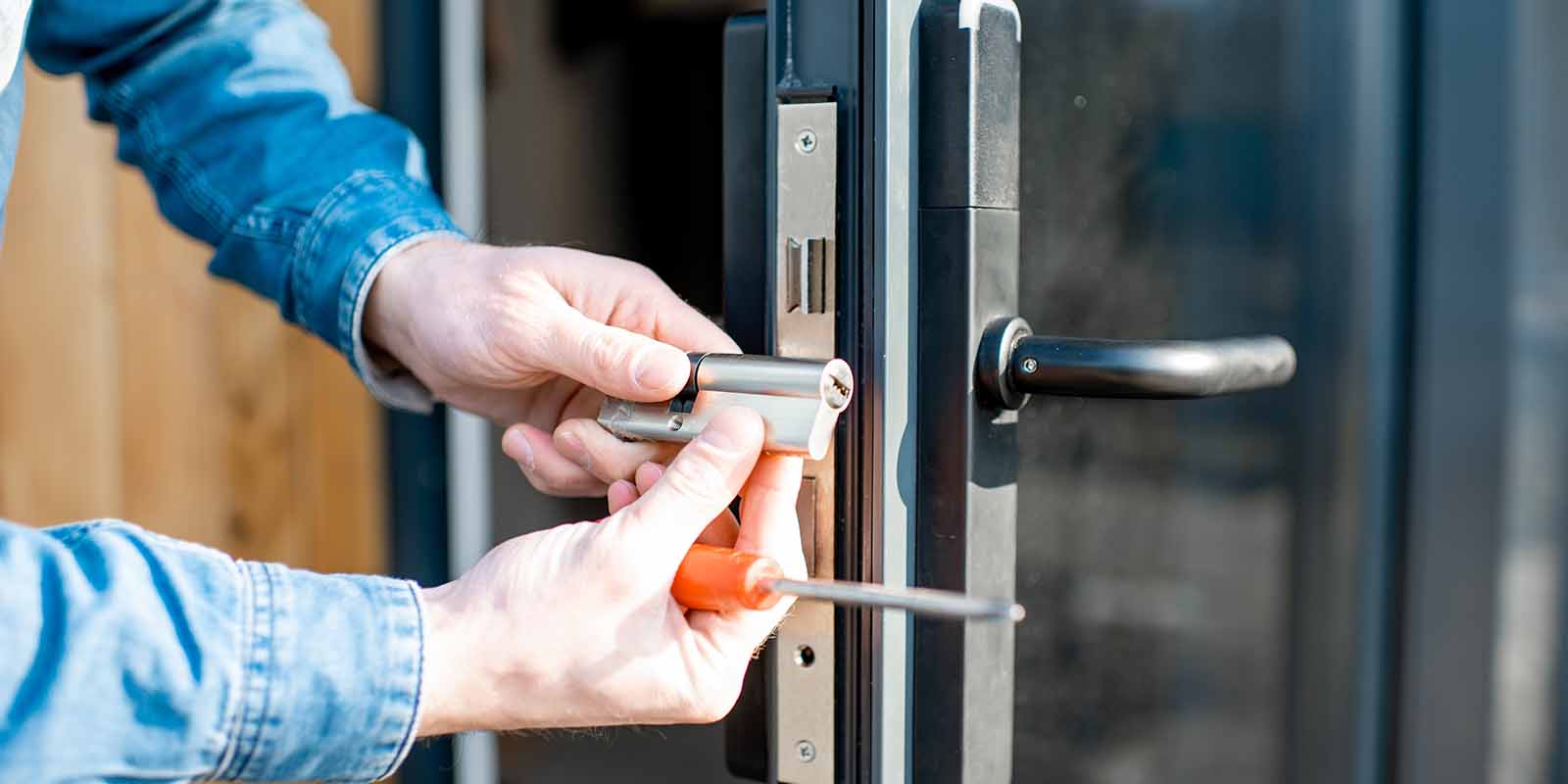
- A worn euro cylinder.
- A failing gearbox.
- Seized locking points.
Continuing to force the lock places additional strain on the mechanism and often leads to complete failure.
Keep Your Door Properly Aligned
Poor door alignment is one of the biggest causes of lock problems.
If your door:
- Rubs on the frame.
- Needs pushed or pulled to lock.
- Lets in draughts.
- Feels tight when lifting the handle.
- Has uneven gaps around the frame.
then it may need adjusting.
A correctly aligned door allows the locking points to engage smoothly, reducing strain on the gearbox, lock cylinder and handles while extending the lifespan of the entire locking system.
Upgrade Older Locks
Many homes are still fitted with older standard euro cylinders that offer limited protection against modern burglary techniques.
Replacing them with a quality anti-snap cylinder provides increased protection against:
- Lock snapping.
- Lock drilling.
- Lock picking.
- Lock bumping.
A lock upgrade is one of the simplest and most cost-effective ways to improve the security of a uPVC or composite door.
Change the Locks When You Move Home
Moving into a new property is the ideal time to replace the locks.
Even if all the keys have been handed over, you don't know:
- How many copies exist.
- Who has been given a spare key.
- Whether previous owners changed the locks.
Previous owners, tenants, neighbours, cleaners, tradespeople and family members may still have access.
Replacing the locks gives you complete control over your home's security.
Don't Assume You Need a New Door
A faulty door doesn't automatically mean the whole door needs replacing.
Many problems are caused by:
- Failed gearboxes.
- Worn locking mechanisms.
- Faulty euro cylinders.
- Loose handles.
- Dropped hinges.
- Poor alignment.
Replacing the faulty component is often far more cost-effective than replacing the entire door.
Be Careful With DIY Repairs
There are plenty of online videos showing how to repair or adjust doors, but every door is different.
I've attended many properties where well-intentioned DIY repairs have made the original problem worse.
Common mistakes include:
- Incorrect hinge adjustments.
- Wrong replacement gearboxes.
- Poorly fitted repair mechanisms.
- Misaligned keeps.
- Incorrectly sized lock cylinders.
These mistakes can increase strain on the locking system and lead to more expensive repairs.
Replace Worn Handles
Door handles are used every day and naturally wear over time.
Signs they need replacing include:
- Loose handles.
- Floppy handles.
- Broken return springs.
- Cracked backplates.
- Handles pulling away from the door.
Quality sprung handles help support the gearbox, improve operation and reduce wear on the locking mechanism.
Look Out for Early Warning Signs
Your door is often telling you something before it fails.
Watch for:
- Handles becoming floppy.
- Keys sticking.
- Hooks catching the frame.
- Difficulty lifting the handle.
- The key becoming stiff.
- Draughts around the door.
- The door rubbing on the frame.
- Grinding or clicking noises.
These problems rarely fix themselves and usually become worse over time.
Carry Out Regular Maintenance
A little maintenance goes a long way.
Once or twice a year:
- Lubricate the locking points.
- Check hinges for movement.
- Tighten loose handle fixings.
- Inspect weather seals.
- Clean the door furniture.
- Check the lock operates smoothly.
Regular servicing reduces wear and helps prevent unexpected failures.
Don't Force a Lock That Won't Work
If the handle suddenly becomes difficult to lift or the key won't turn, avoid using excessive force.
Forcing the mechanism can cause:
- Broken gearboxes.
- Snapped keys.
- Damaged locking points.
- Broken handles.
- A completely jammed door.
It's always better to investigate the cause before something breaks.
Prevention Is Always Cheaper Than Repair
Most expensive door repairs begin as relatively minor problems that were ignored.
A simple hinge adjustment, lock replacement or door realignment carried out at the right time can often prevent:
- Failed gearboxes.
- Jammed doors.
- Lockouts.
- Broken handles.
- Costly emergency repairs.
Looking after your door not only improves security but also helps every component last much longer.
Conclusion
Your doors and locks are constantly exposed to everyday use, changing weather and natural wear, so it's no surprise that problems develop over time. The good news is that most failures are preceded by clear warning signs, giving you the opportunity to act before a minor fault becomes a major repair. By keeping your door properly aligned, maintaining the locking system, replacing worn components and addressing stiffness or unusual operation early, you can improve your home's security, reduce repair costs and significantly extend the lifespan of your uPVC or composite door. Prevention really is the most cost-effective form of maintenance.