Conservatory doors are one of the largest access points into many homes, yet they're often overlooked when it comes to home security. Whether you have uPVC French doors, double doors or sliding patio doors, the security of your conservatory depends on far more than just the lock.
A well-maintained conservatory door should lock smoothly, seal tightly against the frame and provide excellent resistance against forced entry. If the doors become difficult to lock, catch on the frame or develop gaps, both security and reliability can be compromised.
How Conservatory Door Locks Work
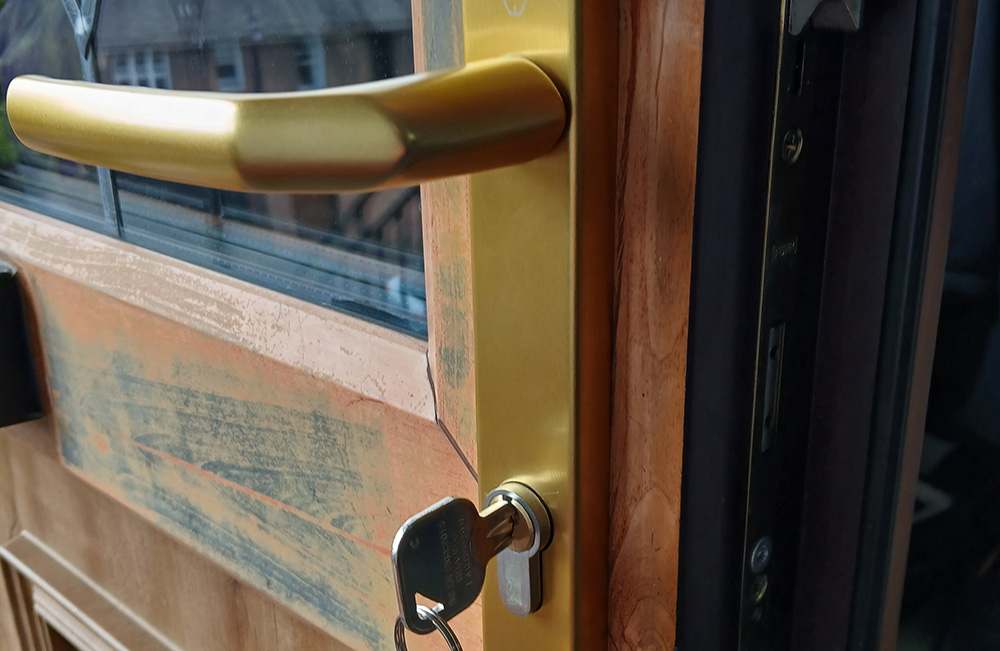
Most modern conservatory doors use a multipoint locking mechanism rather than a single lock.
When the handle is lifted, the mechanism operates several locking points along the edge of the door. These may include:
- Hooks.
- Rollers.
- Deadbolts.
- Mushroom cams.
- Finger bolts on the passive door.
When correctly adjusted, these locking points engage with the keeps in the frame, pulling the doors tightly into the weather seals and securing them evenly from top to bottom.
Why Conservatory Doors Develop Problems
Conservatory doors are generally larger and heavier than a standard back door. Every time they're opened and closed, the weight of the doors is supported by the hinges.
Over the years this can lead to:
- Doors dropping on their hinges.
- Uneven gaps between the doors.
- The doors catching each other.
- The doors rubbing on the threshold.
- Locking points falling out of alignment.
Many homeowners assume the lock has failed, when in reality the locking mechanism is simply struggling because the doors have moved.
Common Conservatory Door Security Problems
Some of the most common faults include:
- Doors becoming difficult to lock.
- Handles becoming stiff.
- Keys becoming difficult to turn.
- Doors rubbing on the threshold.
- Uneven gaps allowing draughts.
- The active and passive doors striking each other.
- Worn lock cylinders.
- Failed gearboxes or multipoint locking mechanisms.
These problems rarely appear overnight and usually become progressively worse over time.
Door Alignment Is Just as Important as the Lock
Even the highest security lock won't perform properly if the doors aren't aligned correctly.
As the doors move, the locking points no longer enter the keeps cleanly. Instead, the gearbox has to force them into position every time the handle is lifted.
This creates unnecessary strain on:
- The gearbox.
- The lock cylinder.
- The handles.
- The locking points.
Eventually, components begin to wear prematurely and may fail completely.
Upgrade Older Locks
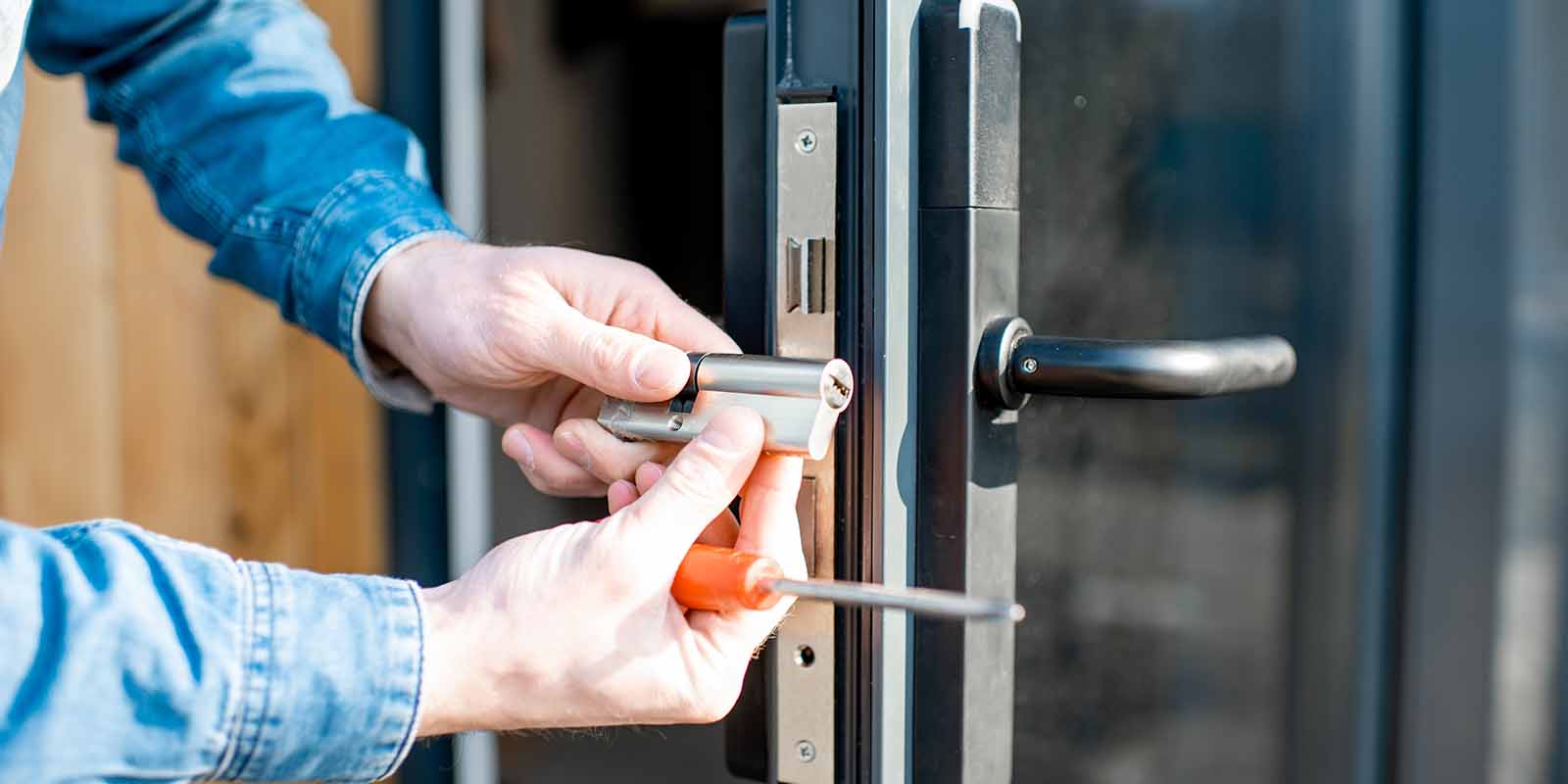
Many conservatory doors still have older euro cylinders that offer limited protection against modern burglary methods.
Replacing them with a quality 3 Star anti-snap cylinder provides increased protection against:
- Lock snapping.
- Lock picking.
- Lock drilling.
- Lock bumping.
Combined with correctly adjusted doors, this provides a significant improvement in both security and reliability.
Don't Ignore Uneven Gaps
One of the biggest clues that conservatory doors need adjusting is an uneven gap between the two doors.
This can cause:
- Cold draughts.
- Water ingress.
- Poor weather sealing.
- Doors striking each other.
- Increased strain on the locking mechanism.
A properly aligned pair of French doors should have an even gap from top to bottom, with both doors sealing evenly against the frame.
Regular Maintenance Prevents Expensive Repairs
Because conservatory doors are exposed to changing temperatures throughout the year, occasional servicing makes a significant difference.
Simple maintenance includes:
- Lubricating the locking points.
- Keeping hinges clean.
- Checking handle fixings.
- Inspecting the weather seals.
- Correcting alignment problems before they damage the locking mechanism.
Small adjustments carried out early are often far less expensive than replacing worn gearboxes or complete multipoint mechanisms.
A Professional Repair Restores More Than Just the Lock
Repairing conservatory doors isn't simply a case of replacing a faulty lock.
A proper repair involves checking the complete door system, including:
- Door alignment.
- Hinge adjustment.
- Lock cylinder condition.
- Gearbox operation.
- Locking point engagement.
- Keep positions.
- Weather seal compression.
When everything is adjusted correctly, the doors should close effortlessly, the handles should lift smoothly, the key should turn without resistance and the locking points should pull both doors evenly into the seals.
Secure Doors Start with Correct Alignment
A secure conservatory door is about much more than fitting a good lock. The hinges, locking mechanism, keeps, handles and lock cylinder all need to work together. Keeping the doors correctly aligned, replacing worn components when necessary and carrying out regular maintenance will improve security, eliminate draughts and help prevent unexpected lock failures. In many cases, a professional realignment and repair can restore conservatory doors to smooth, reliable operation without the expense of replacing them.