A 20-Year-Old uPVC Door Jammed Shut
The call-out in Paisley PA2 involved a front door that had become completely unresponsive.
The key would turn, but the door wouldn't unlock.
When this happens, it's easy to suspect the cylinder because it's the part the homeowner interacts with directly. However, a key that turns without unlocking the door doesn't automatically mean the cylinder is faulty.
A uPVC door's locking system contains several components that must work together. The cylinder operates the gearbox, and the gearbox transfers movement through the multipoint mechanism to retract the hooks and other locking points.
If that connection fails, the key may turn without releasing the door.
The homeowner's door was around 20 years old, but its age alone wasn't enough to conclude that the complete door needed replacing.
The first priority was to open it without causing unnecessary damage.
Opening the Door Without Damaging the Mechanism
I opened the door using non-destructive methods, without damaging the door or the locking mechanism.
This is an important part of dealing with older uPVC doors.
Some older mechanisms have components that are difficult to source individually. If the mechanism is damaged unnecessarily during entry, a repair that might otherwise have been possible can become more complicated and expensive.
Preserving the existing parts gives the locksmith the best opportunity to identify the actual failure and determine what needs replacing.
Once the door was open, I could remove the locking strip and examine the mechanism properly.
Diagnosing the Gearbox Failure
After removing and dismantling the mechanism, I tested its operation and identified two problems.
-
The gearbox wasn't retracting the hooks. The multipoint locking system therefore couldn't release the door as intended.
-
The lock wasn't connecting correctly with the internal cam. Turning the key wasn't producing the movement needed to operate the locking system.
These findings explained why the homeowner could turn the key but couldn't unlock the door.
The symptoms alone could have been mistaken for a cylinder fault. However, testing the mechanism revealed that the problem lay within the gearbox and its operation.
This is why proper diagnosis matters. Replacing a cylinder without identifying the internal failure might not have resolved the problem.
Identifying the Manufacturer and Sourcing an Original Gearbox
Once I had identified the fault, I established which manufacturer had produced the mechanism.
I then replaced the failed gearbox with an original manufacturer's part rather than a copy.
Compatibility is particularly important when working with older multipoint locking systems. Gearboxes can differ in their dimensions, operating arrangements, fixing positions and connections to the rest of the mechanism.
A replacement needs to work correctly with the existing locking strip and associated components.
I carry an extensive selection of gearboxes and suitable components for different manufacturers. Having the right parts available can make it possible to repair an older door during the original visit rather than leaving the homeowner waiting for a replacement mechanism to be sourced.
In this case, the original replacement part allowed me to restore the mechanism without replacing the entire door.
Fitting a New Snap-Resistant Cylinder
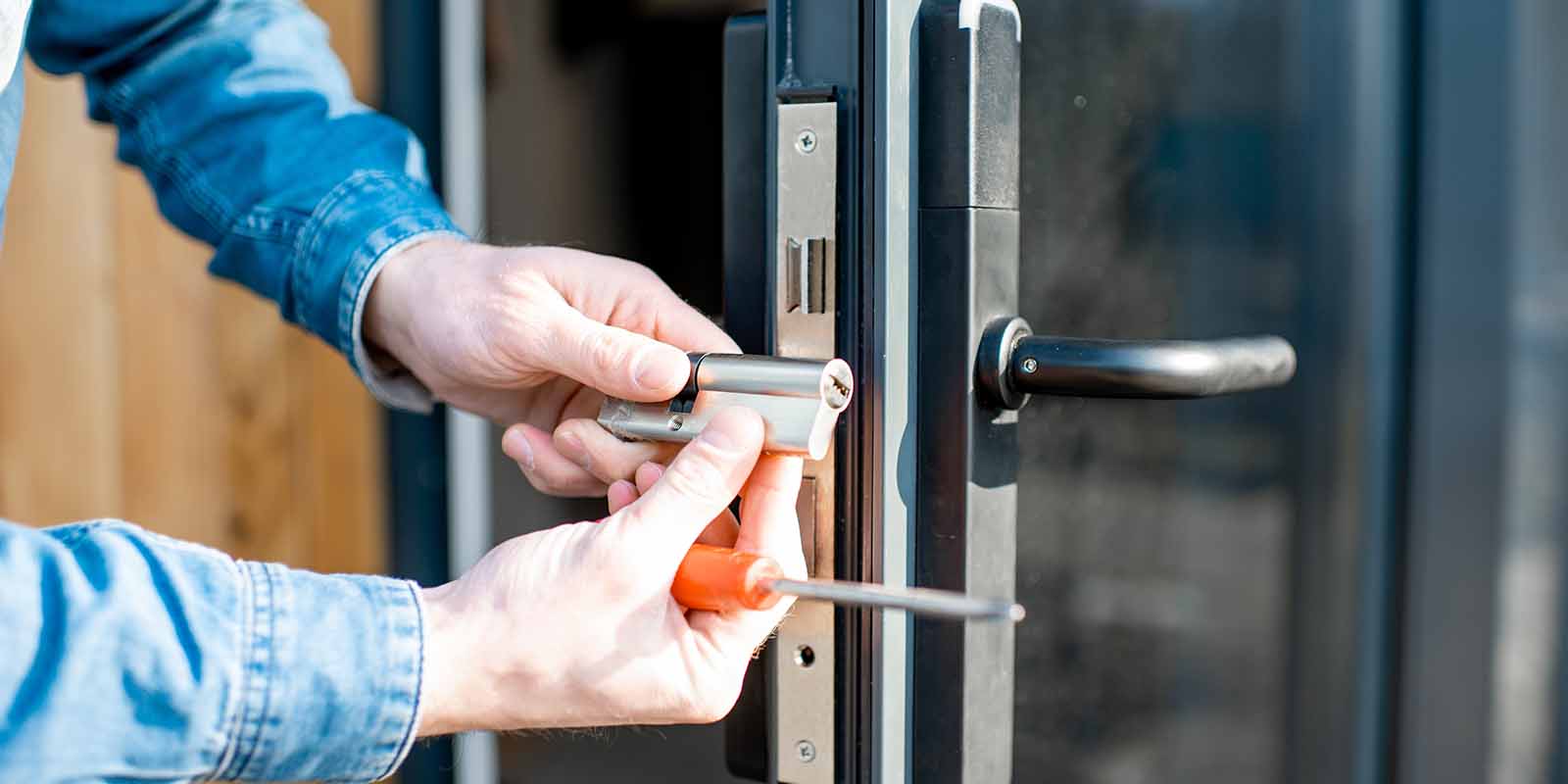
Alongside the gearbox replacement, I fitted a new snap-resistant cylinder.
The cylinder is an important part of the door's security, and replacing it provided the homeowner with a new locking component as part of the repair.
A snap-resistant cylinder is designed to offer additional protection against cylinder-snapping attacks. Its effectiveness depends on the particular product, correct installation and appropriate sizing.
With the replacement gearbox and cylinder fitted, I reassembled the locking mechanism and prepared to test it in the door.
Testing Revealed a Door Alignment Problem
Once the mechanism was back in place, I tested the door.
The replacement parts were operating, but the door was hitting the frame.
This indicated that the problem wasn't limited to the failed gearbox. The door's alignment also needed attention.
A uPVC door can move over time because of hinge movement, the weight of the door and changes in the surrounding structure. Even a relatively small change in position can affect how the hooks and rollers meet their corresponding keeps.
If the door is out of alignment, the locking mechanism may have to work against additional resistance. That can make the handle stiff, affect locking and place unnecessary strain on the gearbox.
Fitting a new gearbox without correcting the alignment could leave those operating conditions unchanged.
Adjusting the Door Until It Worked Properly
I adjusted the door alignment to address the contact with the frame.
After the initial adjustment, I tested the operation again and made further adjustments where necessary.
This process continued until the door was closing correctly and the locking mechanism was engaging as it should.
The final checks were important because the mechanism needed to work properly with the door closed, not just when operated outside the frame.
Once the alignment was corrected, the door worked well.
The repair had addressed both the failed gearbox and the alignment problem that affected the door's operation.
Why This Door Didn't Need Replacing
A 20-year-old uPVC door may have ageing components, but that doesn't automatically mean the entire door has reached the end of its useful life.
In this case, the actual problems were identifiable and repairable:
-
The gearbox had failed.
-
The hooks weren't retracting correctly.
-
The lock wasn't transferring movement through the internal cam as intended.
-
The door was hitting the frame and needed alignment adjustment.
The gearbox and cylinder were replaced, and the alignment was corrected.
The existing door could therefore remain in place and continue to be used.
Replacing a complete door can be a substantial expense. Where the door, frame and other structural components remain serviceable, repairing the failed locking components may be a more practical option.
What This Paisley PA2 Repair Demonstrates
1. A key that turns doesn't necessarily indicate a faulty cylinder
The problem may be inside the gearbox or the connection between the cylinder and the locking mechanism.
2. Non-destructive entry can preserve repair options
Avoiding damage to the original mechanism was important because replacement parts for older systems can be difficult to source.
3. Correct replacement parts matter
Using a suitable original manufacturer's gearbox helped restore compatibility with the existing mechanism.
4. A gearbox repair should include alignment checks
The door was hitting the frame, so replacing the failed component alone wouldn't have completed the job.
5. Older doors can often be repaired
The door was approximately 20 years old, but the identified faults could be addressed without replacing the entire assembly.
Conclusion: Repair Rather Than Replace
This job in Paisley PA2 shows why a jammed uPVC door needs proper diagnosis before anyone concludes that a new door is required.
The key turned, but the gearbox wasn't retracting the hooks, and the lock wasn't connecting correctly with the internal cam. I opened the door without damaging the mechanism, identified the manufacturer and fitted an original replacement gearbox.
I also fitted a new snap-resistant cylinder, reassembled the locking system and corrected the door alignment after discovering that the door was hitting the frame.
After further adjustments and testing, the door worked properly again.
The important lesson is that an old door isn't necessarily a failed door. By identifying the actual fault, preserving the existing mechanism during entry and correcting both the gearbox problem and the alignment, I was able to restore the door without the homeowner having to pay for a complete replacement.