Introduction
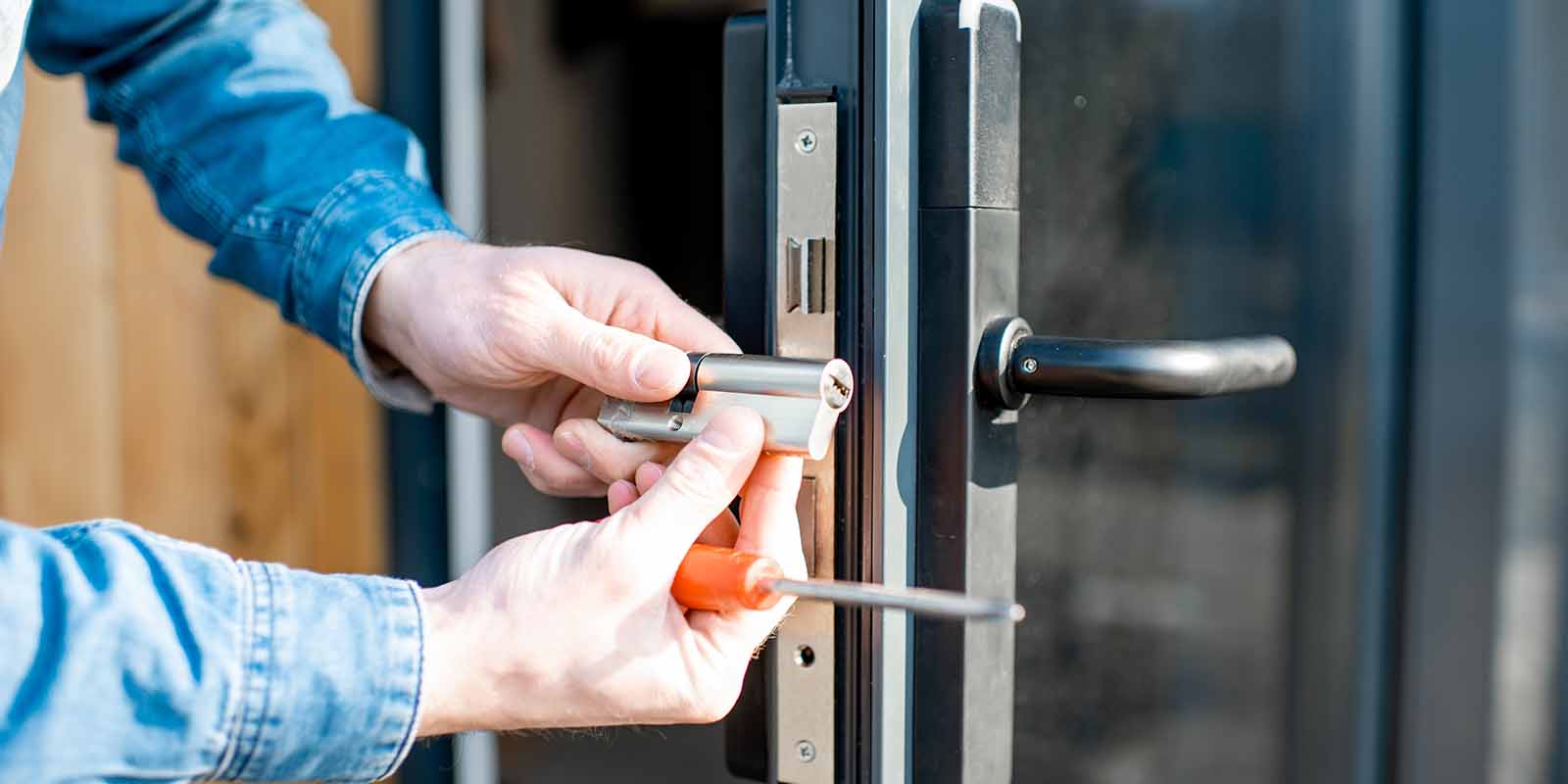
Upgrading an older mortice lock to a BS3621 5 Lever Mortice Deadlock is one of the best ways to improve the security of a timber front door. Many insurance companies specify BS3621 locks on external timber doors because they have been independently tested to resist common methods of attack, including drilling, picking and forced entry.
Although replacing a standard mortice lock with a BS3621 lock is usually straightforward for an experienced locksmith, it isn't always a direct swap. BS3621 locks are generally larger, incorporate additional security features and must be fitted with the correct keep to maintain their certification.
This guide explains what's involved in upgrading an existing mortice lock correctly.
Why Upgrade to BS3621?
A BS3621 lock has been independently tested to meet strict British Standards for security and durability.
Typical features include:
- Hardened steel anti-drill plates.
- Reinforced lock case.
- Stronger deadbolt.
- Improved resistance to picking.
- Enhanced protection against forced entry.
- British Standard Kitemark certification.
Many insurers accept or specify BS3621 locks for external timber doors.
Is It a Direct Replacement?
Not usually.
One of the biggest differences is the size of the lock case.
Because BS3621 locks contain additional security features, the lock body is often wider than many older 5 lever mortice locks.
This means the existing mortice pocket will usually require enlarging before the new lock can be installed.
Attempting to force the lock into an undersized mortice can:
- Distort the lock case.
- Affect the operation of the lock.
- Cause stiffness.
- Lead to premature failure.
The lock should always fit freely within the mortice.
Step 1 – Remove the Existing Lock
Remove the handles (if fitted), escutcheons and the existing mortice lock.
Inspect the mortice cavity and compare it with the dimensions of the replacement BS3621 lock.
The new lock should be measured before any cutting begins.
Step 2 – Widen the Mortice
Using the existing lock position as a guide, mark the height of the new lock body.
A morticing machine fitted with a suitable cutter (typically around 19mm, depending on the lock) can then be used to widen the existing mortice.
Work carefully and remove only the material required.
The lock should slide into the mortice easily without force.
Step 3 – Check the Lock Position
Insert the new lock temporarily.
Check that:
- The keyhole is correctly positioned.
- The spindle hole aligns correctly (if fitting a sashlock).
- The faceplate sits centrally on the edge of the door.
Once satisfied, mark the top and bottom of the faceplate before removing the lock.
Step 4 – Recess the Faceplate
Measure the thickness of the faceplate.
Using a sharp chisel, carefully recess the edge of the door so the faceplate sits perfectly flush with the timber.
Square the corners neatly to achieve a professional finish.
A flush-fitting faceplate improves both appearance and operation.
Step 5 – Test the Lock
Before fitting the keep, temporarily install the lock and test it.
The key should:
- Insert smoothly.
- Turn freely.
- Fully extend and retract the deadbolt.
- Operate without binding.
Any stiffness should be corrected before continuing.
Fitting the Correct BS3621 Keep
One of the most common mistakes when upgrading a mortice lock is leaving the original keep on the frame.
A BS3621 lock is only certified when used with the manufacturer's supplied keep and keep box.
The keep forms part of the lock's tested security package.
Replacing the lock while retaining the old keep may mean the installation no longer complies with the standard.
Step 6 – Install the New Keep
Remove the existing keep from the frame.
Close the door and extend the new deadbolt.
Mark:
- The latch position (if fitting a sashlock).
- The deadbolt position.
- The outline of the keep.
Carefully chisel a recess so the steel keep box sits flush within the frame.
The recess must allow:
- Full deadbolt travel.
- Smooth latch operation.
- Correct engagement.
Secure the keep using the supplied screws.
Final Testing
With the installation complete, test the lock repeatedly.
Check that:
- The key turns smoothly.
- The deadbolt extends fully.
- The latch engages correctly.
- The door closes without excessive force.
- No pushing, pulling or lifting of the door is required.
The lock should operate effortlessly.
BS3621 vs BS8621
While BS3621 remains the most common choice for external timber doors, another option is BS8621.
Both standards provide a similar level of burglary resistance and are independently tested.
The main difference is how they're operated from inside.
BS3621
- Key required from both sides.
- Commonly fitted to external timber doors.
- Often specified by insurers.
BS8621
- Key operated from outside.
- Thumb-turn operated from inside.
- Allows immediate escape without searching for a key.
- Commonly used on final exit doors where emergency escape is an important consideration.
- Widely accepted by insurers where a thumb-turn lock is appropriate, although it's always advisable to check your individual policy.
For many homeowners, BS8621 offers the same high level of security while providing a quicker and safer means of escape in the event of a fire or other emergency.
Common Installation Mistakes
Avoid:
- Forcing the lock into an undersized mortice.
- Reusing the old keep.
- Cutting the faceplate recess too deep.
- Misaligning the deadbolt with the keep.
- Failing to test the lock before completing the installation.
- Assuming every 5 lever lock is the same size.
Small installation errors can affect both the security and lifespan of the lock.
Conclusion
Upgrading a standard mortice lock to a BS3621 lock is an excellent way to improve the security of a timber entrance door and may help satisfy the requirements of many home insurance policies. However, achieving the full benefit of the upgrade depends on correct installation. The mortice must be accurately prepared, the lock should fit without strain, and the manufacturer's supplied keep must always be fitted to maintain the lock's tested performance. For homeowners who want the same high level of security with the added benefit of keyless escape from inside, a BS8621 lock is also well worth considering. Correctly fitted, both standards provide many years of reliable operation and significantly improve the security of an external timber door.