Introduction
Yale rim locks, often referred to as nightlatches, remain one of the most common locks fitted to timber front doors throughout the UK. They provide convenient day-to-day security by automatically locking when the door closes and, when combined with a BS3621 mortice deadlock, form an excellent security solution for many homes.
However, there are times when a rim lock needs replacing. Lost keys, worn components, attempted break-ins or simply upgrading to an insurance-approved Kitemarked lock are all common reasons. While replacing a Yale lock may appear straightforward, achieving a secure, professional installation requires far more than simply swapping one lock for another.
The Customer's Request
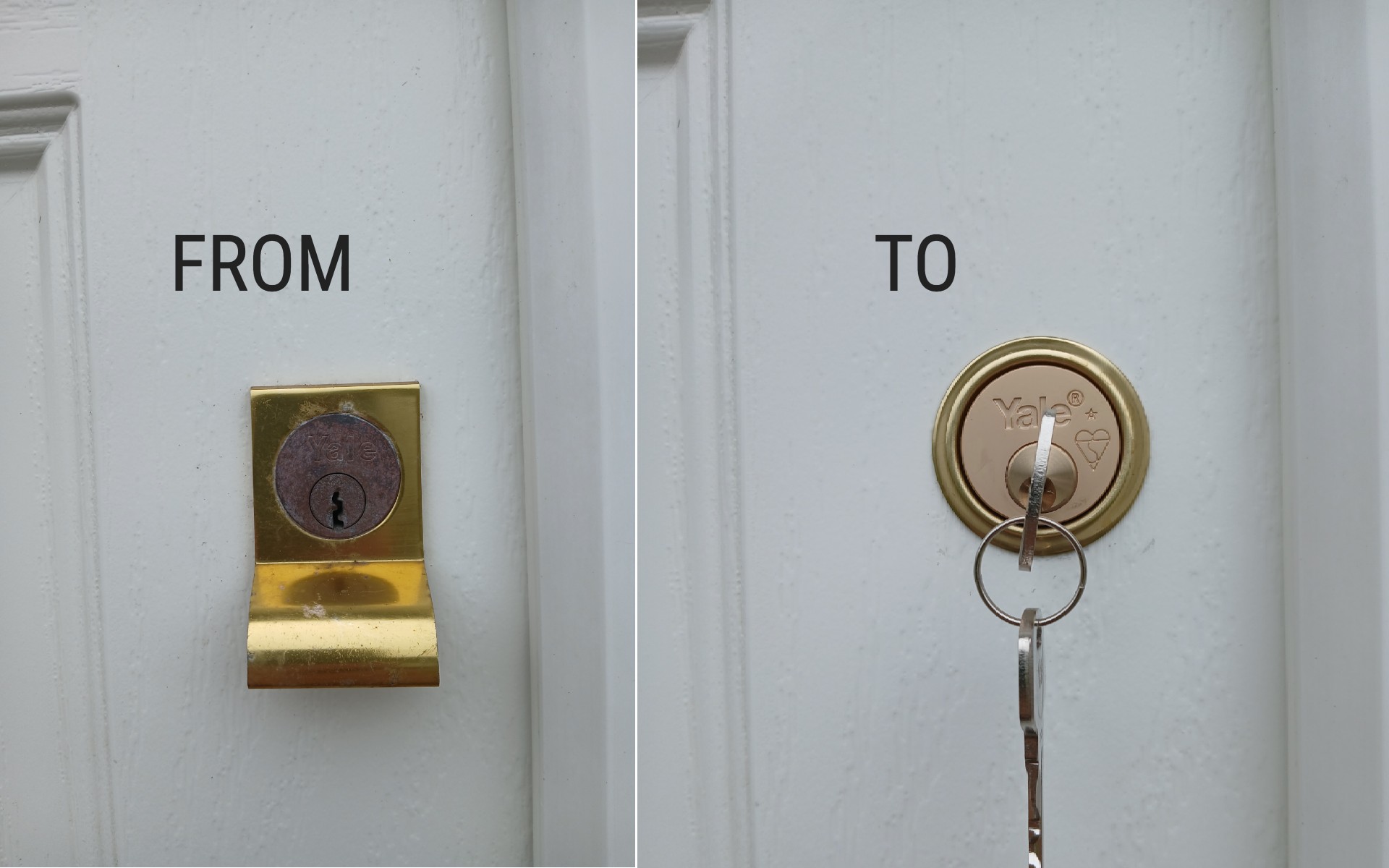
I attended a customer who wanted their existing Yale rim lock replaced.
The customer no longer had the keys for the old lock and wanted a new insurance-approved lock fitted to restore security and ensure they had full control over who could access the property.
Replacing the lock also provided peace of mind, knowing that no previous key holders could gain entry.
Removing the Existing Lock
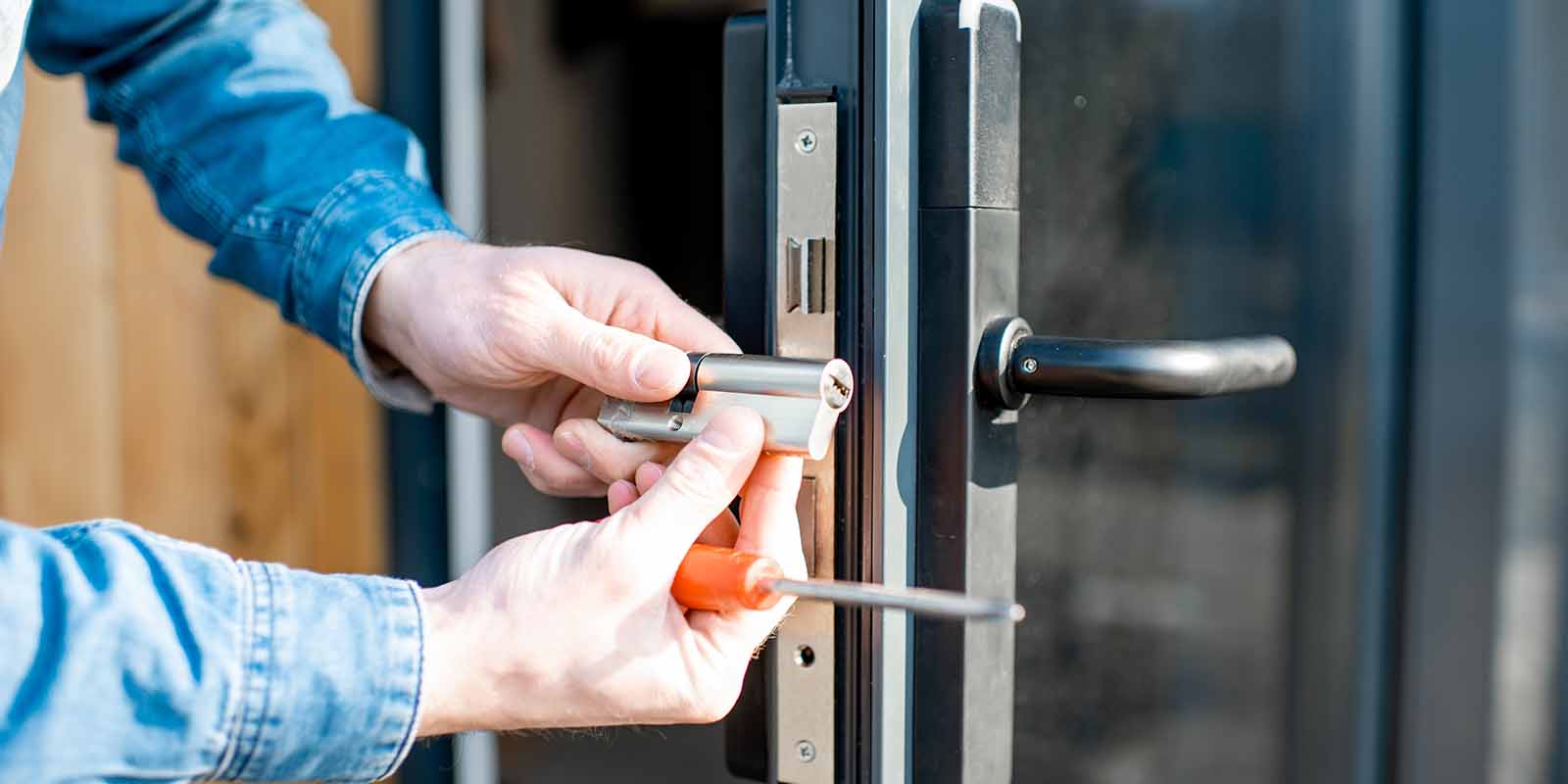
The first stage of the job involved dismantling the existing Yale nightlatch.
The internal nightlatch and external rim cylinder were carefully removed from the door without causing any damage.
Although many people assume replacing a Yale lock is simply a matter of removing a few screws, every lock installation requires careful adjustment to ensure the new components fit and operate correctly.
Cutting the Tailpiece Correctly
One of the most important parts of fitting a new rim cylinder is sizing the tailpiece accurately.
The tailpiece connects the outside key cylinder to the internal nightlatch mechanism.
If it is left too long it can:
- Prevent the lock from operating smoothly.
- Cause excessive friction.
- Damage internal components.
- Affect the reliability of the lock.
The tailpiece was carefully measured and cut to the correct length before assembly to ensure smooth, reliable operation.
Adjusting the Fixing Screws
The fixing screws also required attention.
The replacement screws supplied with the new cylinder were too long for the thickness of the customer's door.
These were shortened to the correct length so the cylinder could be secured tightly against the door.
Correctly sized fixing screws are important because they:
- Hold the cylinder firmly in place.
- Prevent movement during operation.
- Improve long-term reliability.
- Give the installation a professional finish.
A properly fitted rim cylinder should remain completely secure with no movement whatsoever.
Installing the New Lock
Once all the adjustments had been completed, the new British Kitemarked, insurance-approved Yale rim lock was assembled and fitted.
The new lock provided:
- Improved security.
- Reliable day-to-day operation.
- Automatic locking when the door closes.
- Compliance with recognised British Standards.
The customer was supplied with two new keys, restoring secure access to the property.
Testing the Installation
Before completing the job, I thoroughly tested the lock to ensure:
- The key operated smoothly from outside.
- The internal nightlatch worked correctly.
- The latch engaged fully with the keep.
- The cylinder remained secure.
- The lock opened and closed effortlessly.
Only after confirming everything operated perfectly was the installation completed.
Why Professional Installation Matters
Although Yale rim locks are widely available, correct installation makes a significant difference to both security and reliability.
A professional installation ensures:
- The correct lock is selected.
- The tailpiece is cut accurately.
- Fixing screws are the correct length.
- The cylinder is fitted securely.
- The latch aligns correctly with the keep.
- The lock operates smoothly without unnecessary wear.
Attention to these details helps maximise the lifespan of the lock and ensures it performs exactly as the manufacturer intended.
Long-Term Benefits
Replacing an old or keyless rim lock offers several advantages:
- Restores full control over property access.
- Improves home security.
- Meets many insurance requirements.
- Provides smoother operation.
- Eliminates wear from older components.
- Gives complete peace of mind.
With occasional maintenance and proper use, a quality Kitemarked Yale rim lock can provide many years of reliable service.
Conclusion
This job demonstrates that replacing a Yale rim lock involves much more than fitting a new lock. Correctly sizing the tailpiece, shortening the fixing screws and ensuring every component fits precisely are all essential parts of a professional installation. By replacing the old lock with a British Kitemarked, insurance-approved Yale rim lock, the customer regained full control over access to their home, improved security and benefited from a lock that operates smoothly and reliably. Small details during installation make a significant difference to the long-term performance and security of the finished job.