Introduction
Houses in Multiple Occupation (HMOs) have different locking requirements from standard residential properties. While security is important, so is ensuring occupants can leave the building quickly in an emergency. The right lock must protect the property against unauthorised access while allowing a safe means of escape without the need to search for a key.
Whether you're upgrading an existing HMO, changing locks between tenancies or bringing a property up to current standards, choosing the correct locking system is essential for both security and day-to-day practicality.
Why HMO Locks Are Different
In a standard home, it's common to lock the front door with a key from both sides.
In an HMO, however, occupants may need to leave the property quickly in the event of a fire or other emergency.
For this reason, escape doors generally require locks that can be opened from the inside without using a key while still remaining secure from the outside.
The exact requirements will depend on the property's layout, licensing conditions and fire risk assessment.
Common HMO Lock Upgrades
Depending on the type of door, common upgrades include:
For uPVC and composite doors:
- Thumb-turn euro cylinders.
- High-security anti-snap cylinders.
- Multipoint locking systems with internal thumb-turn operation.
For timber doors:
- BS8621 mortice locks.
- Escape-function sashlocks.
- British Standard nightlatches where appropriate.
Communal entrances, individual room doors and fire doors may each require different types of lock depending on their purpose and fire safety requirements. Check door security standards.
Why Thumb-Turn Cylinders Are Popular
Many HMO entrance doors fitted with uPVC or composite doors use thumb-turn euro cylinders.
These allow occupants to:
- Lock and unlock the door with a key from outside.
- Unlock the door instantly from inside without a key.
- Leave the property quickly during an emergency.
Modern thumb-turn cylinders are available with anti-snap, anti-drill, anti-pick and anti-bump protection, providing excellent security without compromising emergency escape.
BS8621 Locks for Timber Doors
For timber entrance doors, BS8621 mortice locks are commonly specified for escape routes.
Unlike a traditional BS3621 mortice deadlock, a BS8621 lock can be unlocked from inside using a thumb-turn rather than a key.
This allows rapid evacuation while maintaining a recognised level of security when the property is occupied, but still remains insurance approved.
Security Still Matters
Emergency escape should never come at the expense of security.
A well-designed HMO locking system should also protect against common methods of attack, including:
- Lock snapping.
- Lock picking.
- Drilling.
- Bumping.
- Forced entry.
Using quality locks and correctly fitting them ensures both security and reliable day-to-day operation.
Changing Locks Between Tenancies
Many landlords choose to replace locks when tenants move out.
This provides several benefits:
- Previous keys no longer work.
- New tenants receive a complete set of keys.
- The landlord regains control over access.
- Security is restored before the property is reoccupied.
Where multiple locks are involved, keyed-alike systems may also be an option, depending on the property's requirements.
Professional Installation Matters
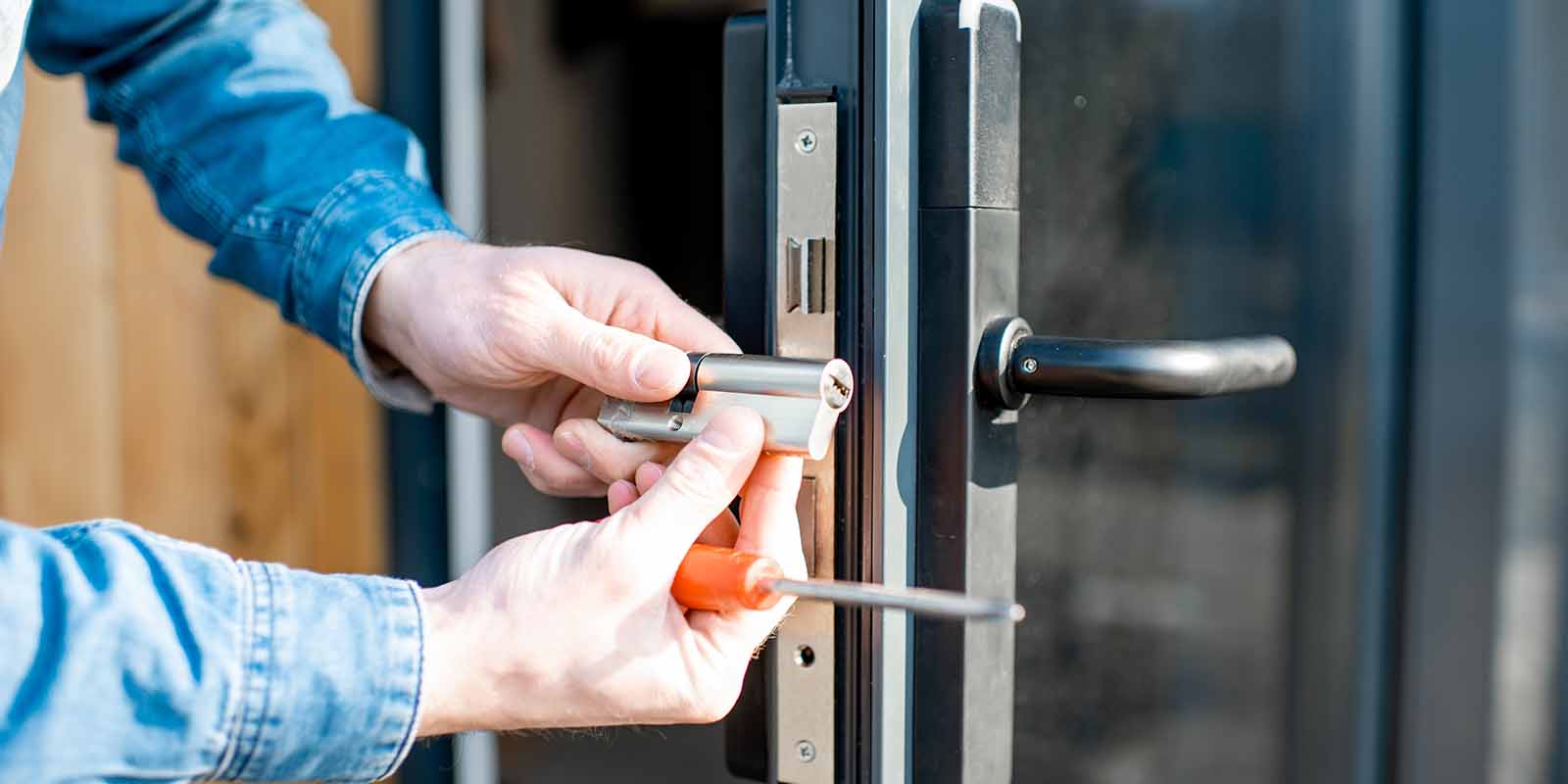
Even the highest-quality lock will not perform properly if it isn't fitted correctly.
During installation it's important to ensure:
- The lock operates smoothly.
- The door aligns correctly.
- Locking points engage fully.
- Fire doors continue to function as designed.
- Escape routes remain easy to operate.
Correct installation also helps reduce unnecessary wear and extends the life of the locking system.
Long-Term Benefits
Upgrading HMO locks offers several long-term advantages:
- Improved tenant safety.
- Better emergency escape.
- Increased property security.
- Reduced wear on locking mechanisms.
- Easier day-to-day operation.
- Greater confidence that the property is appropriately secured.
Conclusion
Choosing the correct locks for an HMO is about balancing security with safe emergency escape. Whether it's fitting thumb-turn cylinders to uPVC and composite doors, installing BS8621 mortice locks on timber doors or upgrading worn locks between tenancies, selecting the right locking system helps protect both the property and the people living in it. Professionally fitted, high-quality locks provide reliable security, smooth operation and peace of mind for landlords and tenants alike.