Introduction
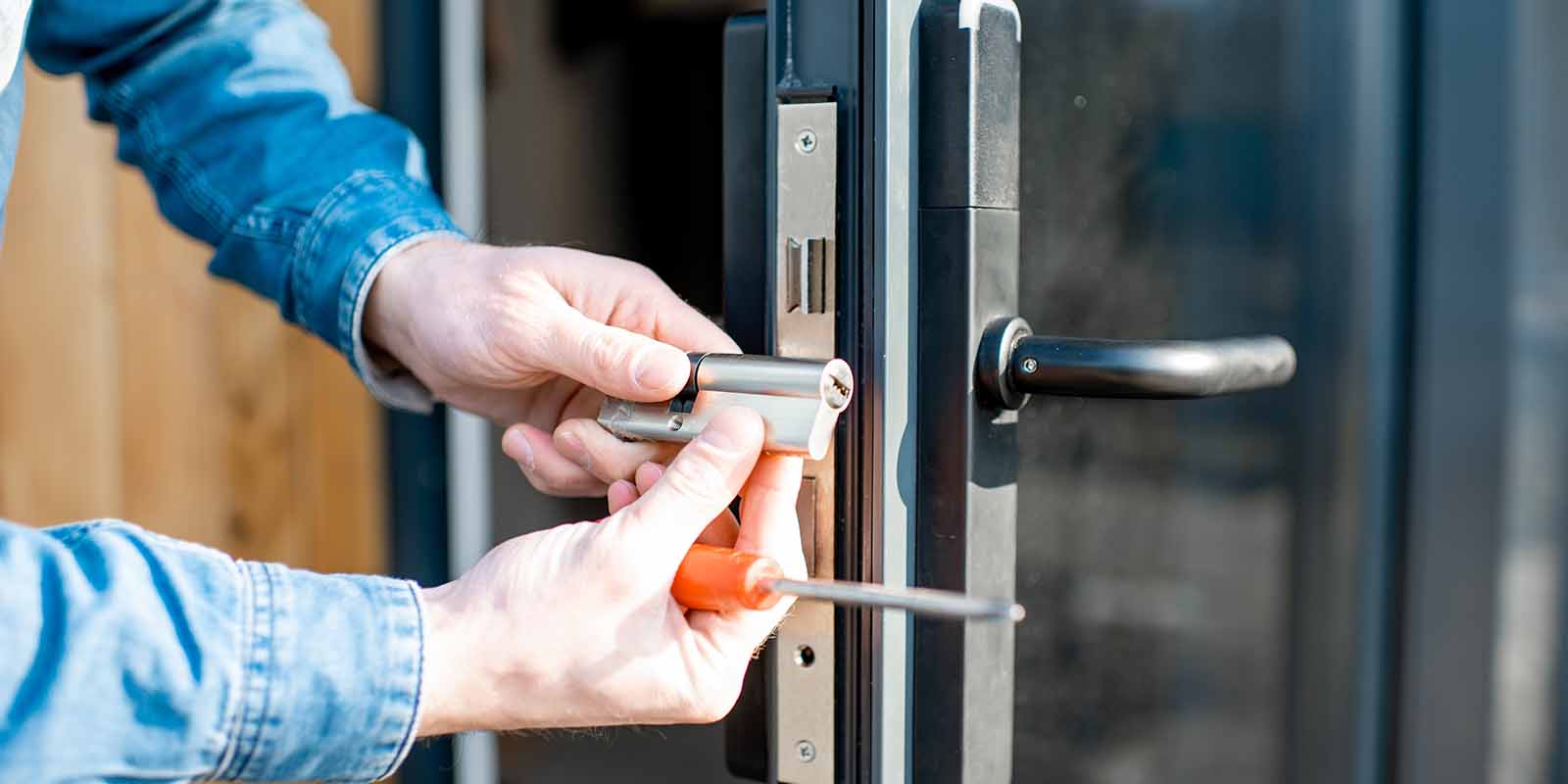
Composite doors are built to provide excellent security and long-term reliability, but the locks, handles and other hardware fitted to them are mechanical components that naturally wear over time. Years of daily use, poor door alignment and exposure to the elements can all affect how smoothly the locking system operates.
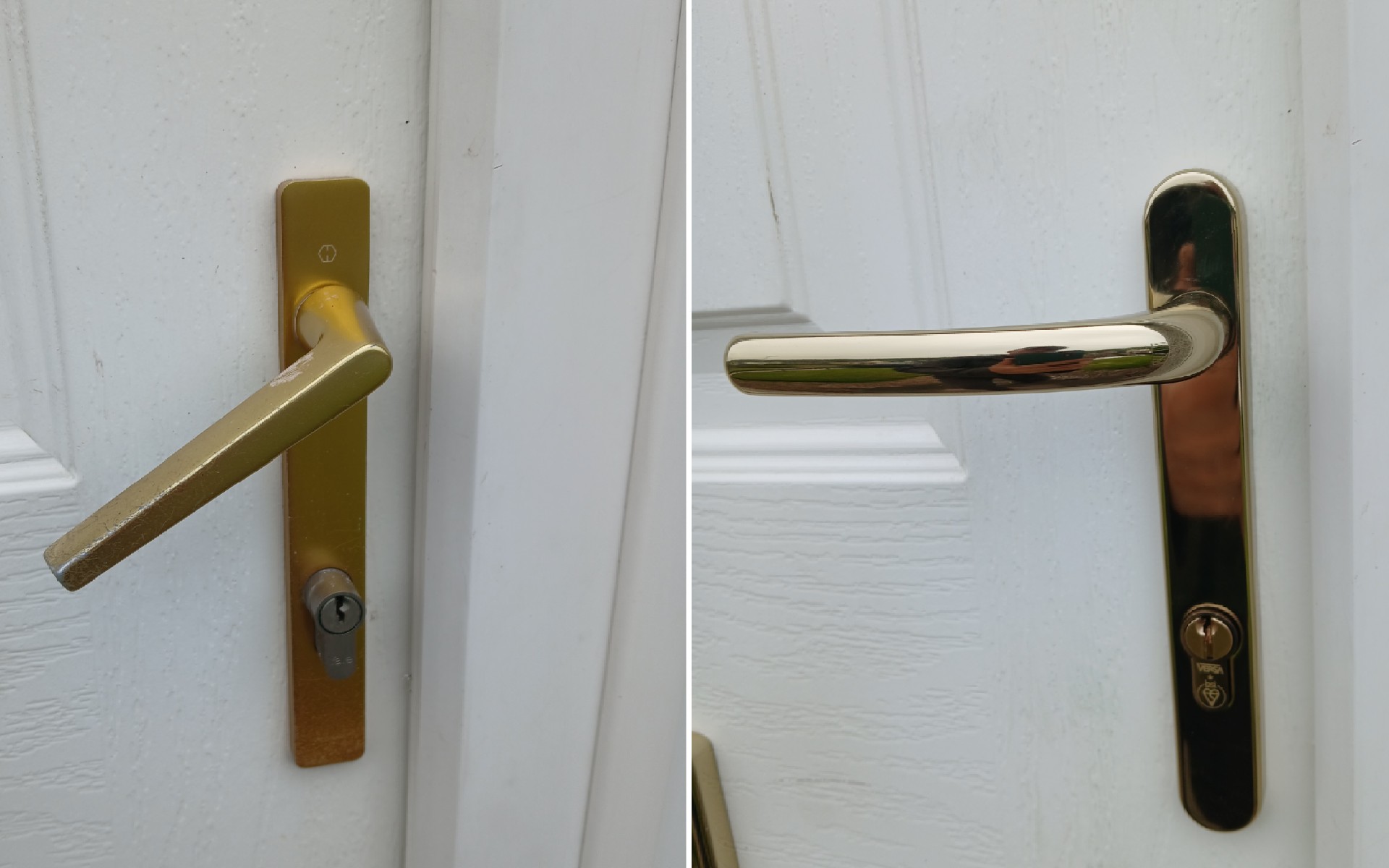
If your composite door has become difficult to lock, the handles feel loose or stiff, or the key no longer turns as easily as it once did, replacing worn components can often restore the door to full working order without the expense of replacing the door itself.
Signs Your Handles or Locks Need Replacing
Many locking problems develop gradually before a complete failure occurs.
Common signs include:
- Stiff or difficult-to-lift handles.
- Loose or floppy door handles.
- Handles that don't return fully after use.
- Keys becoming difficult to turn.
- Keys sticking in the cylinder.
- The door becoming difficult to lock or unlock.
- Excessive movement in the lock cylinder.
- Visible wear or damage to the handles.
Addressing these problems early often prevents more expensive gearbox or locking mechanism failures.
Upgrade to Better Security
Many older composite doors are still fitted with standard euro cylinders that offer limited protection against modern burglary methods.
Replacing these with a 1 Star TS007 anti-snap euro cylinder, combined with a TS007 2 Star security handle, achieves an overall TS007 3 Star security rating. This provides excellent protection against:
- Lock snapping.
- Lock drilling.
- Lock picking.
- Lock bumping.
Alternatively, a 3 Star TS007 anti-snap cylinder can provide the same level of protection without requiring a security handle upgrade, making it another excellent option for improving door security.
Why Quality Sprung Handles Matter
Replacing worn handles isn't just about improving appearance.
Quality sprung handles help to:
- Return the handle to its correct resting position.
- Reduce strain on the gearbox.
- Support the multipoint locking mechanism.
- Improve the feel of the door.
- Reduce wear on internal components.
Cheap or worn handles often lose their spring tension, placing unnecessary stress on the gearbox every time the door is locked or unlocked.
Don't Forget the Door Alignment
Replacing locks and handles alone won't solve every problem.
If the door has dropped or moved out of alignment, excessive pressure will still be placed on the new components.
During any lock or handle replacement, the door should be checked for:
- Correct hinge adjustment.
- Even gaps around the frame.
- Smooth engagement of all locking points.
- Proper compression against the weather seals.
- Easy handle operation.
- Smooth key operation.
Correct alignment allows the new components to work as intended and significantly extends their lifespan.
Why Components Wear Out
Most lock and handle failures aren't simply caused by age.
They often result from years of operating under unnecessary strain caused by:
- Dropped doors.
- Worn hinges.
- Poor door alignment.
- Seized locking points.
- Lack of maintenance.
- Continuing to force stiff handles or keys.
If these underlying issues aren't corrected, replacement parts may wear prematurely in exactly the same way as the originals.
Replace Only What's Needed
One of the biggest misconceptions is that a faulty lock means the entire door needs replacing.
In most cases, the problem is limited to replaceable components such as:
- Euro cylinders.
- Door handles.
- Gearboxes.
- Multipoint locking mechanisms.
- Hinges.
- Keeps and strike plates.
Replacing the worn components is usually far more cost-effective than replacing the whole door.
Long-Term Benefits
Replacing worn locks and handles offers several advantages:
- Smoother day-to-day operation.
- Improved home security.
- Reduced strain on the gearbox.
- Longer lifespan of the locking mechanism.
- Better reliability.
- Improved appearance.
- Greater peace of mind.
Combined with correct door alignment and quality replacement parts, your composite door can continue providing many more years of reliable service.
Conclusion
Replacing worn composite door handles and locks is an effective way to restore smooth operation, improve security and extend the life of your existing door. Whether you're upgrading to modern anti-snap security, replacing worn sprung handles or fitting a new lock cylinder, it's important that the door is also checked for correct alignment. By addressing both the worn components and the underlying cause of any strain, your composite door can continue to operate reliably and securely for many years without the expense of a complete door replacement.