Introduction
Most homeowners want to keep their property secure, but it's often the small, overlooked details that create the biggest security weaknesses. A lock that protrudes too far, a door that's out of alignment, or an old cylinder that's never been upgraded can all make a property more vulnerable than its owner realises.
The good news is that many of the most common security mistakes are easy to identify and relatively inexpensive to put right. By addressing these issues early, you can improve your home's security, extend the life of your locks, and reduce the likelihood of becoming an easy target for opportunist burglars.
Keeping an Old Standard Cylinder
One of the biggest mistakes is assuming that because a lock still works, it's providing adequate security.
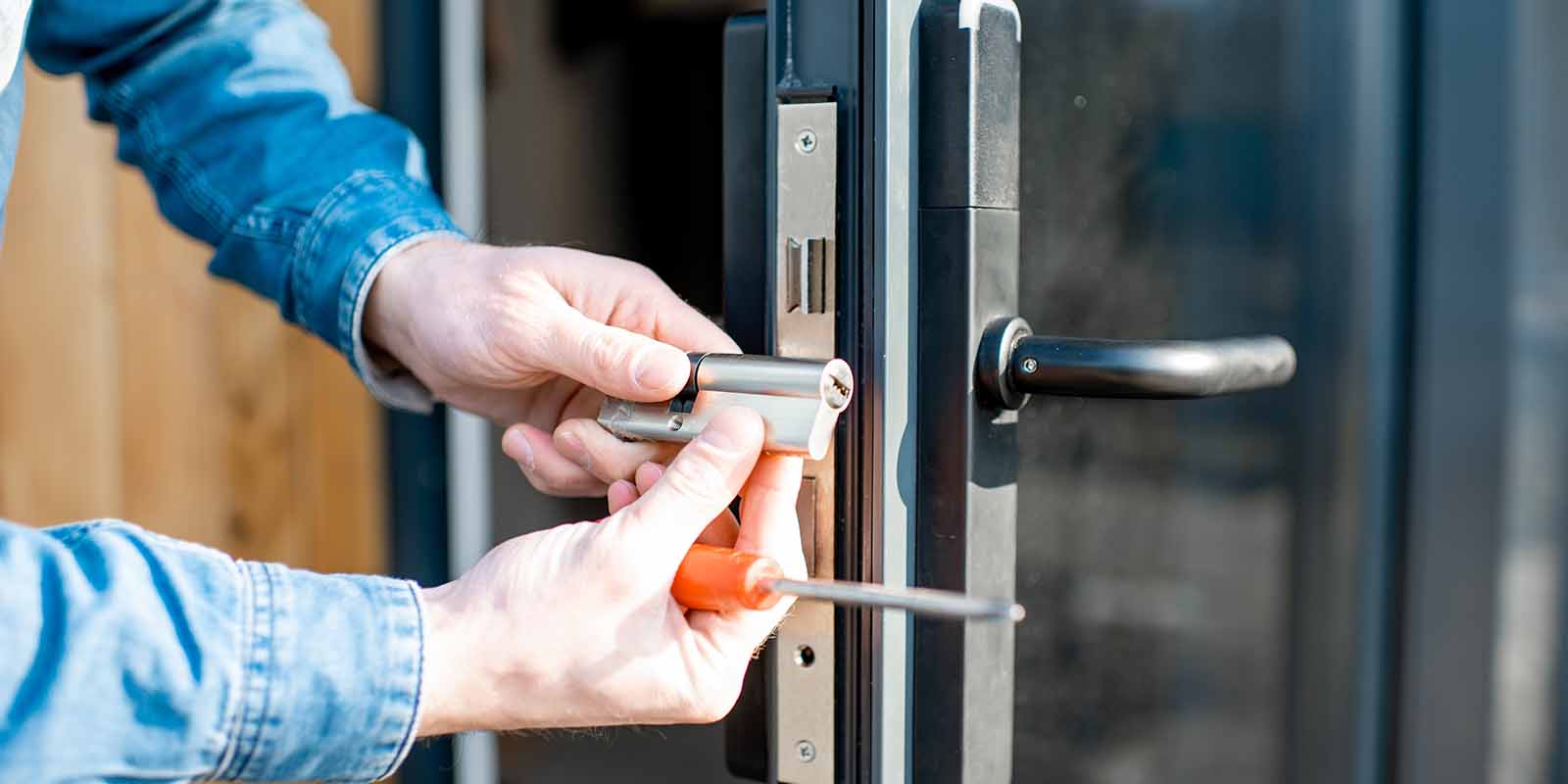
Many uPVC and composite doors are still fitted with older standard euro cylinders that offer little resistance to modern burglary techniques.
Upgrading to a quality snap-resistant cylinder provides protection against:
- Lock snapping.
- Lock drilling.
- Lock picking.
- Lock bumping.
A simple cylinder replacement can dramatically improve the security of your door.
Fitting the Wrong Sized Lock
I've attended countless properties where the euro cylinder was simply the wrong size.
A cylinder that projects beyond the handle creates a vulnerable gripping point that can make lock snapping much easier.
A correctly fitted cylinder should sit as close to flush with the handles as possible while still operating smoothly.
Correct sizing is just as important as choosing a quality lock.
Ignoring a Stiff Lock
Your lock will usually warn you before it fails.
If you notice:
- The key becoming difficult to turn.
- The handle becoming harder to lift.
- The lock feeling rough.
- The mechanism becoming stiff.
don't ignore it.
These symptoms are often caused by poor alignment, a worn gearbox, seized locking points or a failing cylinder.
Continuing to force the lock often turns a simple repair into an expensive one.
Hiding Spare Keys Outside
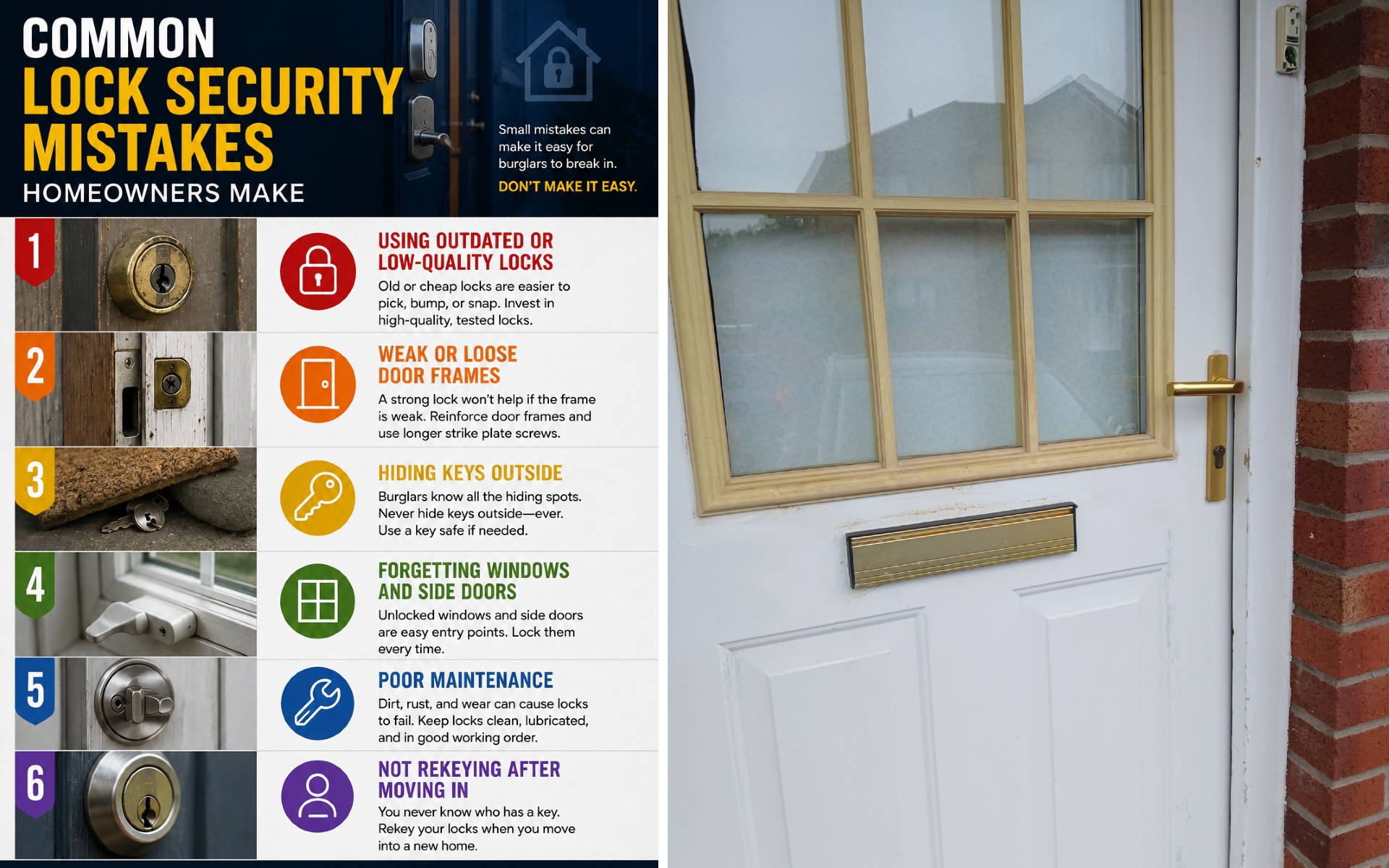
Despite years of security advice, spare keys are still commonly hidden in predictable places.
Typical hiding spots include:
- Under the doormat.
- Beneath a flower pot.
- Inside a fake rock.
- Above the door frame.
- Inside a nearby meter box.
Unfortunately, these are among the first places an experienced burglar will look.
Leaving a spare key with a trusted friend, neighbour or family member is usually a much safer option.
Not Changing Locks After Moving Home
When you move into a new property, you have no way of knowing:
- How many keys exist.
- Who still has a copy.
- Whether previous owners changed the locks.
- If neighbours or tradespeople were ever given a spare key.
Changing the locks gives you complete control over who can access your home and provides valuable peace of mind.
Buying the Cheapest Lock Available
Not all locks provide the same level of protection.
Cheaper cylinders often lack important security features such as:
- Anti-snap protection.
- Anti-drill protection.
- Anti-pick protection.
- Anti-bump protection.
Spending a little more on a quality, independently tested lock is usually money well spent.
Ignoring Door Alignment Problems
Many homeowners focus entirely on the lock while overlooking the door itself.
A dropped or poorly aligned door places constant strain on:
- The gearbox.
- The lock cylinder.
- The handles.
- The locking points.
Typical warning signs include:
- The door rubbing on the frame.
- Difficulty locking.
- Having to push or pull the door.
- Draughts around the door.
- Uneven gaps around the frame.
Correcting the alignment often prevents expensive lock failures later.
Using Poorly Cut Keys
A poorly cut key can gradually damage the inside of a lock.
Signs include:
- The key sticking.
- Difficulty inserting or removing the key.
- The key needing wiggled.
- Rough operation.
Over time, an inaccurate key can wear the internal pins and springs, shortening the life of the cylinder.
Whenever possible, have new keys copied from the original rather than from another duplicate.
Choosing the Wrong Lock for a Timber Door
Many timber entrance doors are still fitted with older mortice locks that may not meet current security standards.
Where appropriate, upgrading to a BS3621 mortice lock provides improved resistance to attack and may help satisfy many home insurance requirements.
If the door forms the main escape route from the property, a BS8621 thumbturn mortice lock may be a better option. It provides similar security while allowing occupants to unlock the door from the inside without needing a key during an emergency.
Choosing the correct lock for the application is just as important as fitting it properly.
DIY Repairs Without Proper Knowledge
Online videos can make lock repairs appear straightforward.
Unfortunately, I regularly attend jobs where DIY repairs have resulted in:
- Incorrectly adjusted hinges.
- Wrong-sized cylinders.
- Poorly fitted repair mechanisms.
- Misaligned keeps.
- Damaged locking systems.
In many cases, the original fault was relatively minor, but incorrect repairs created much larger problems.
Forgetting About Security Handles
Upgrading the cylinder alone isn't always enough.
Many homeowners leave an old handle in place that offers very little protection around the lock.
A quality TS007 2 Star security handle shields the cylinder from attack and, when paired with a 1 Star anti-snap cylinder, provides TS007 3 Star security.
Neglecting Other Entry Points
Security isn't just about your front door.
Also check the condition and security of:
- Back doors.
- French doors.
- Patio doors.
- Conservatory doors.
- Side entrances.
- Garage doors.
- Sheds and workshops.
- Ground-floor windows.
Burglars will usually choose whichever point offers the easiest access.
Neglecting Routine Maintenance
Many homeowners never service their locks or doors until something breaks.
Simple maintenance once or twice a year can include:
- Lubricating locking points.
- Checking hinges.
- Tightening loose handles.
- Inspecting weather seals.
- Checking door alignment.
- Testing locks for smooth operation.
Regular maintenance helps reduce wear, extends the lifespan of the locking mechanism and often identifies small problems before they become expensive repairs.
Conclusion
Home security isn't just about fitting a good lock—it's about ensuring every part of your door works together properly. Common mistakes such as keeping outdated cylinders, ignoring stiff locks, fitting the wrong size lock, overlooking door alignment or neglecting maintenance can all weaken your home's security over time. By correcting these issues, choosing the right locks for the right doors, and carrying out regular inspections, you can significantly improve your property's security while reducing the risk of lock failures, costly repairs and unwanted intrusions.
Related Articles: