Many homeowners assume that the strength of a uPVC door comes from the plastic itself. In reality, the uPVC outer frame is only part of the construction.
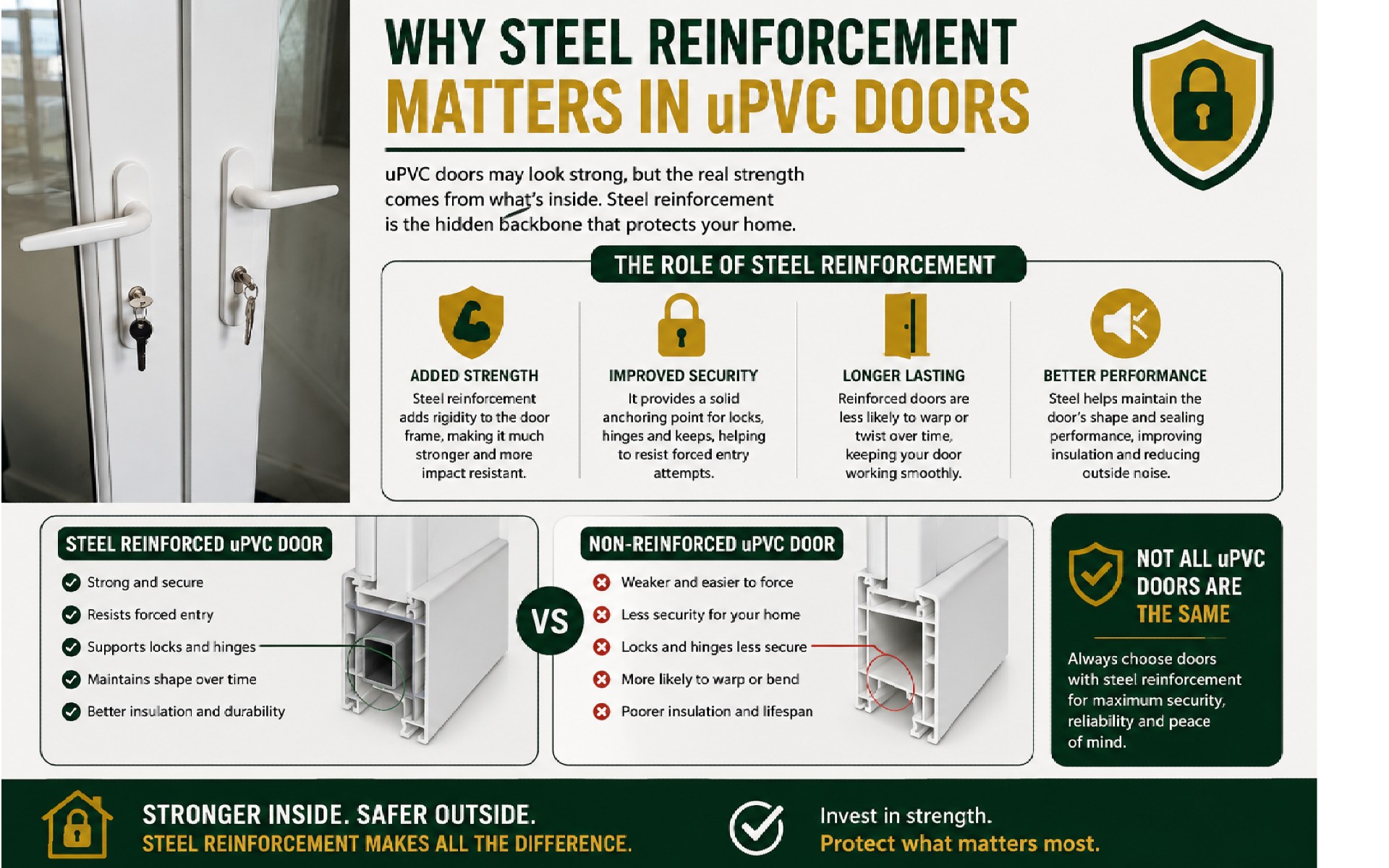
The real strength of a quality uPVC door comes from the steel reinforcement hidden inside the door and frame. Without it, the door would be far more likely to flex, twist and develop locking problems over time.
Understanding why steel reinforcement matters can help you appreciate the difference between a well-built door and one that's more likely to suffer long-term issues.
What Is Steel Reinforcement?
Steel reinforcement is a galvanised steel section fitted inside the hollow chambers of many uPVC doors and frames during manufacture.
Once installed, it's hidden from view, but it provides the structural strength that the uPVC alone cannot.
It acts as the backbone of the door.
Why Is It Needed?
Although uPVC is durable and weather resistant, it isn't designed to support the weight of a heavy glazed door on its own.
Steel reinforcement helps:
- Support the weight of the door
- Increase rigidity
- Reduce flexing
- Improve overall strength
- Provide secure fixing points for hinges and locks
Without reinforcement, the door would be much more prone to movement and distortion.
Better Security
One of the biggest advantages of steel reinforcement is improved security.
A reinforced door is generally more resistant to:
- Forced entry
- Twisting
- Bending under pressure
- Excessive movement around the locking points
- Understanding door security standards.
It also allows hinges and locking mechanisms to be securely fixed into a stronger structure.
Helps Prevent Doors Dropping
A heavy uPVC door places considerable strain on its hinges.
Steel reinforcement helps distribute this weight more effectively, reducing the likelihood of these common faults:
- Doors dropping
- Doors rubbing on the frame
- Uneven gaps
- Difficulty locking
Although hinges still wear over time, reinforcement helps the overall structure remain more stable.
Improves Lock Performance
A multipoint locking mechanism relies on the door remaining correctly aligned.
If a door flexes excessively, the:
- Hooks
- Rollers
- Deadbolts
may no longer line up correctly with the keeps fitted to the frame.
A reinforced door is more likely to maintain its alignment, allowing the locking mechanism to operate smoothly.
Supports Long-Term Durability
Every time a door is opened and closed, small forces are placed on the hinges, frame and locking mechanism.
Steel reinforcement helps reduce movement within the door, contributing to:
- Longer-lasting hinges
- Reduced strain on the gearbox
- Less wear on the locking mechanism
- Improved structural stability
It's one of the reasons quality doors often remain reliable for many years.
Does Every uPVC Door Have Steel Reinforcement?
Not always.
The amount and type of reinforcement can vary depending on:
- The manufacturer
- The age of the door
- The door design
- The specification chosen when it was installed
Higher-quality doors generally incorporate stronger reinforcement than lower-cost alternatives.
Steel Reinforcement Doesn't Prevent Wear
Although reinforcement improves the strength of the door, it doesn't stop mechanical components from wearing.
Over time, you may still need to replace:
- The gearbox
- The multipoint locking mechanism
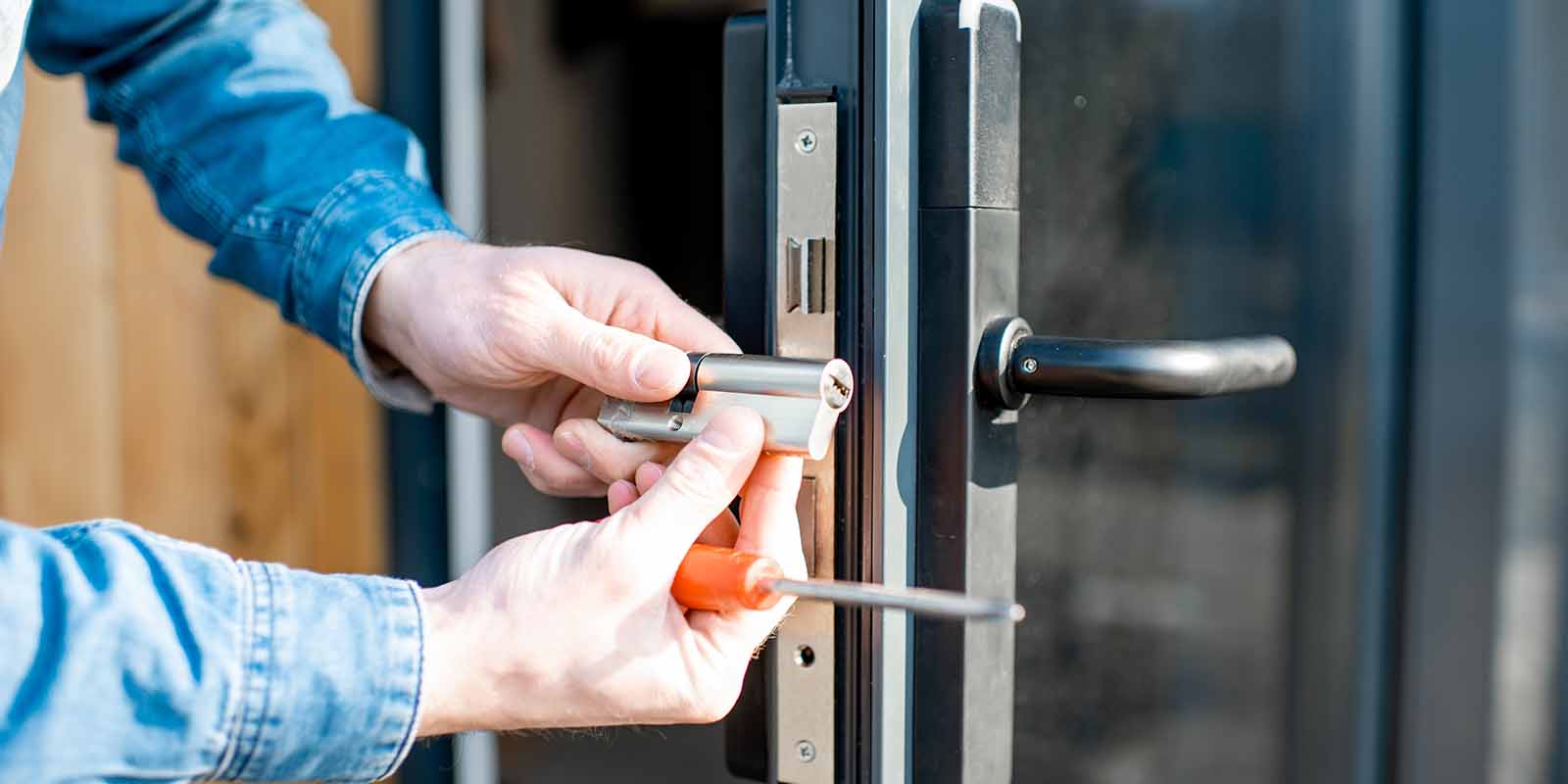
- The euro cylinder
- Door handles
- Hinges
These parts experience normal wear with everyday use.
Proper Alignment Is Still Essential
Even a reinforced door can develop locking problems if it isn't correctly adjusted.
If the door becomes difficult to lock, it's important to check:
- Door alignment
- Hinge condition
- Handle operation
- Gearbox performance
- Locking point engagement
Replacing worn components and correctly realigning the door helps maintain both security and reliability.
Strength You Can't See
Steel reinforcement is one of the most important parts of a uPVC door, even though it's completely hidden from view. It provides the structural strength needed to support the door, improves resistance to forced entry and helps the multipoint locking system operate correctly. While reinforcement contributes to a door's long-term durability, regular maintenance and timely repairs are still essential. By keeping the locking mechanism in good condition and ensuring the door remains properly aligned, homeowners can enjoy many years of reliable performance without replacing the entire door.