The problem: a lock seized in the open position
The call-out was for a door in Paisley whose lock had seized in the open position. Although the door was not locked shut, the failed mechanism meant the locking system was no longer operating as it should.
The gearbox is the central operating component of many uPVC and composite door multipoint locking systems. It transfers the movement of the key and handle to the locking points along the door edge.
When a gearbox fails, the usual solution is to find a compatible replacement. However, this is not always straightforward. Gearboxes vary in their dimensions, latch design, fixing positions and connections to the surrounding mechanism.
In this case, the original gearbox had a thin latch, and suitable replacements were not readily available. Finding a gearbox that would physically fit was only part of the challenge; it also had to work correctly with the existing locking mechanism.
Why finding the right gearbox matters
A replacement gearbox must be compatible with the locking strip and the way the door operates. Even a relatively small difference in dimensions can prevent a replacement from fitting properly.
This is particularly relevant with older or less common mechanisms, where an exact replacement may be difficult to source.
Simply forcing a different gearbox into position is not a suitable solution. If the parts do not align correctly, the mechanism may bind, the latch may not operate smoothly, or the locking points may fail to engage as intended.
The objective was to find a practical repair that restored the door's operation while retaining the existing mechanism wherever possible.
Carefully adapting the mechanism
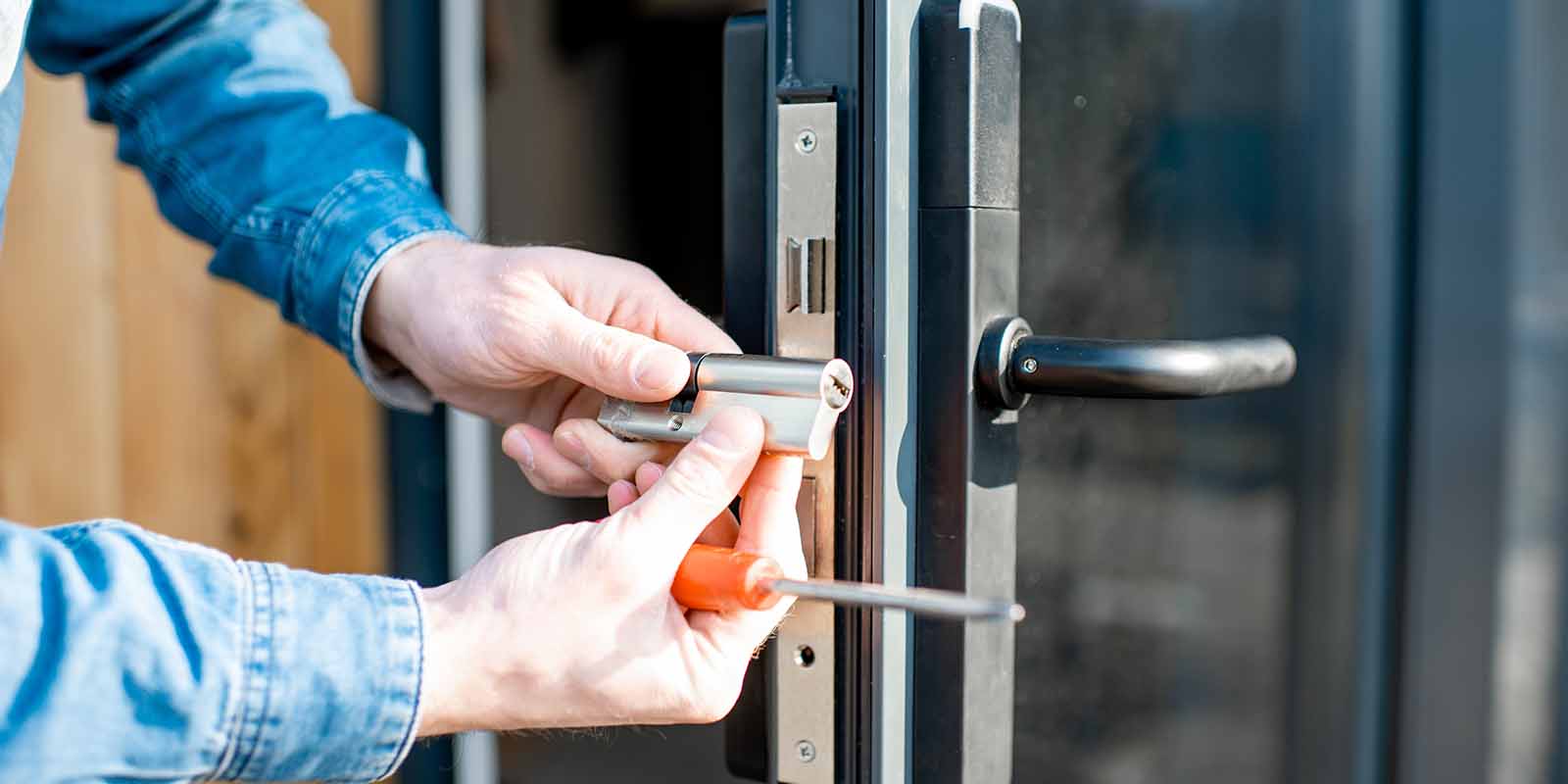
I removed the locking mechanism from the door so I could work on it safely and accurately.
Because a suitable gearbox was not readily available, I carefully filed approximately 1mm from either side of the relevant section to accommodate the replacement. This was a controlled adjustment rather than an attempt to force incompatible parts together.
After making the adjustment, I fitted the new gearbox and tested the mechanism before reinstalling it in the door.
This intermediate testing was important. It allowed me to check that the gearbox and locking strip worked together correctly before putting everything back into place.
Once the mechanism operated as it should, I proceeded with the reinstallation.
Reassembly and final testing
With the adapted mechanism working correctly on the bench, I refitted it into the door and reassembled the components.
I then tested the complete locking system to make sure the repair worked in the door itself, rather than relying solely on the earlier bench test.
This final stage matters because the locking mechanism must operate alongside the door, frame and keeps. A gearbox can function on its own but still encounter resistance if the mechanism is not correctly installed or the door is out of alignment.
After reassembly and testing, the door operated well. The customer was very pleased with the outcome.
Repair rather than unnecessary replacement
This Paisley job demonstrates why experience and careful diagnosis can make a difference when dealing with less common door mechanisms.
When replacement parts are difficult to obtain, there may be alternatives to replacing the complete locking system or even the door. However, any adaptation must be assessed carefully, and the finished mechanism must be tested to ensure reliable operation.
The key stages in this repair were:
-
Identifying the seized gearbox and the difficulty sourcing a suitable replacement.
-
Removing the locking mechanism for controlled work.
-
Carefully filing approximately 1mm from either side of the relevant section.
-
Testing the replacement gearbox with the mechanism before refitting.
-
Reinstalling the mechanism and testing the complete door.
Each step helped ensure the adjustment was suitable before the door was returned to service.
Conclusion
The lock at this Paisley property had seized in the open position, and the thin-latch gearbox was not readily available as a replacement. By removing the mechanism, carefully adapting it to accept a suitable gearbox and testing the assembly before and after installation, I was able to restore the door's operation.
The door worked well, and the customer was very pleased.
At A.L.S. Locksmiths, the approach is to identify the actual fault and investigate practical repair options before recommending unnecessary replacement. Older or less common mechanisms can present challenges, but a careful assessment can sometimes provide a straightforward solution without replacing the complete door.
For information about common uPVC door faults and their causes, see our uPVC door problem diagnosis and repair guide.